
Victorian Ottoman Stool
A victorian ottoman stool brings together concealed storage and plush seating in one compact nineteenth century form.
Forms and Origins
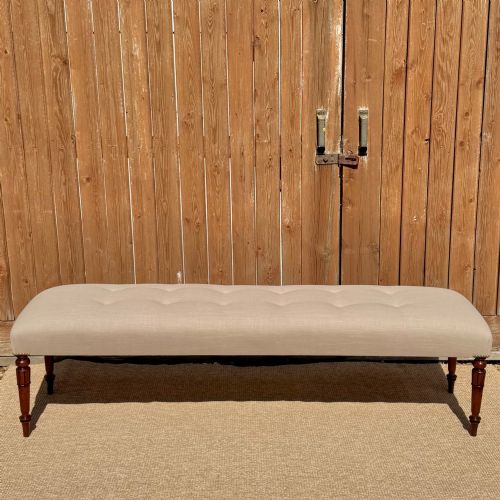
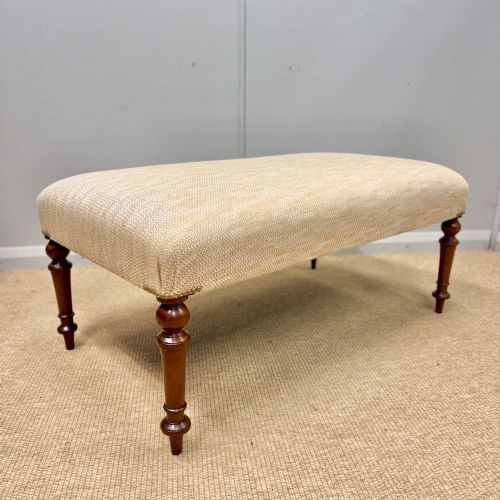
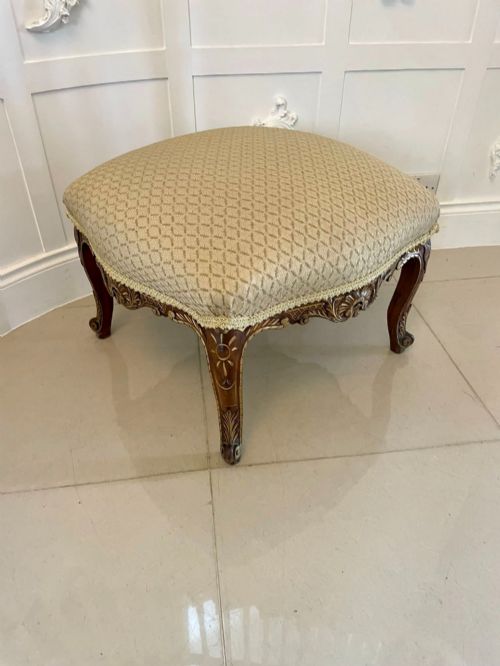
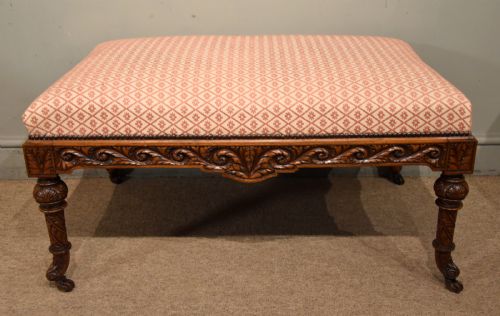
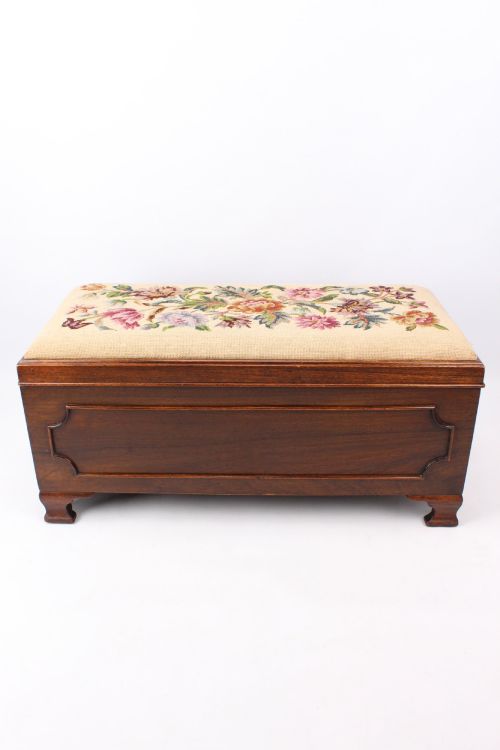
A victorian ottoman stool serves multiple purposes within a period interior, combining a comfortable upholstered seat with a practical lift up lid for storage. These pieces appear frequently as square footstools, long window seats, and concave box forms designed for dressing rooms or fireside use.
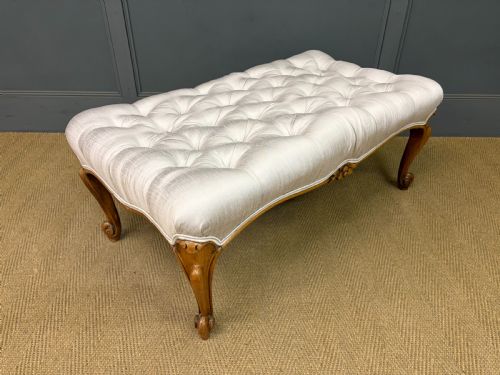
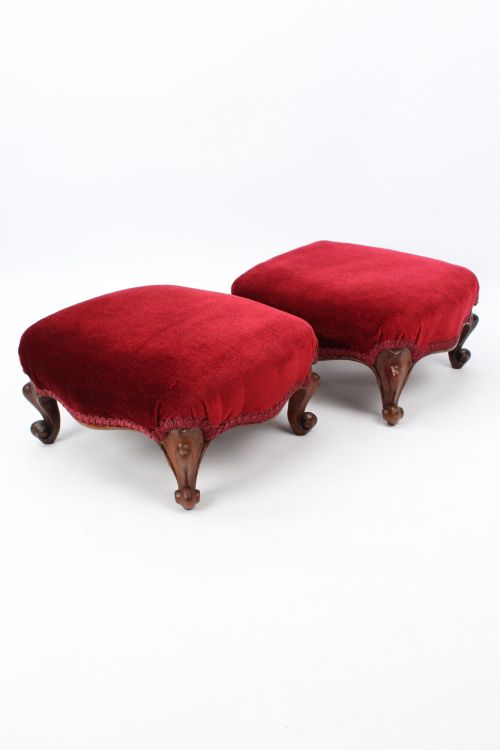
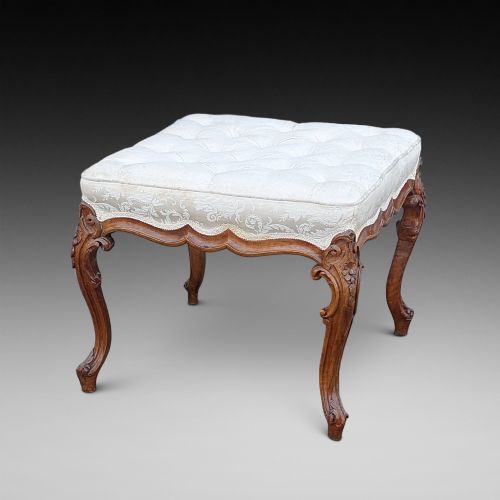
The most common versions on this page are sturdy wooden framed stools featuring hinged lids and deep upholstery. English makers produced these seating options in various shapes, including waisted and curved designs intended to match existing nineteenth century furniture.
Makers utilised timber frames to support substantial padding and textile covers, creating versatile seating that doubled as a blanket box or sewing chest. The surviving examples demonstrate how nineteenth century households integrated hidden storage into everyday domestic furniture.
Materials and Construction
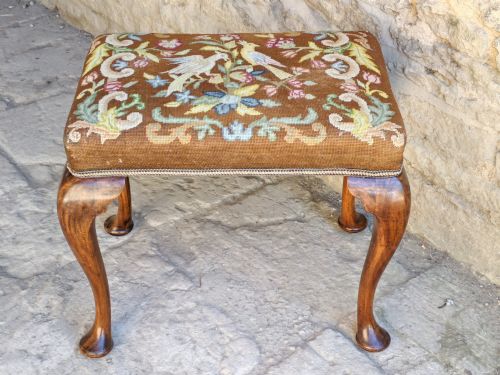
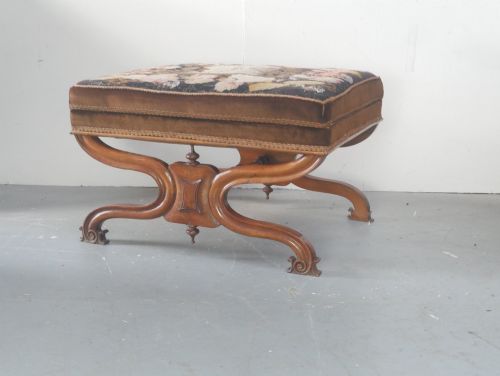
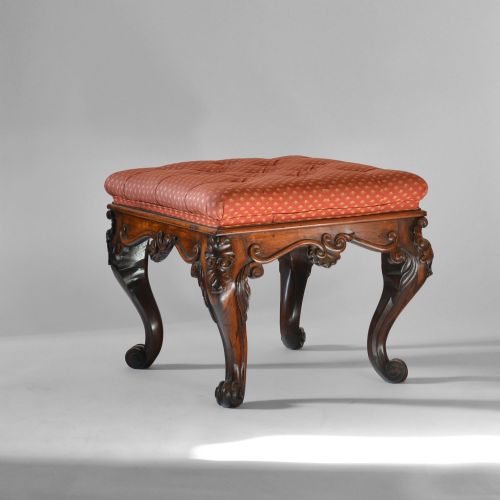
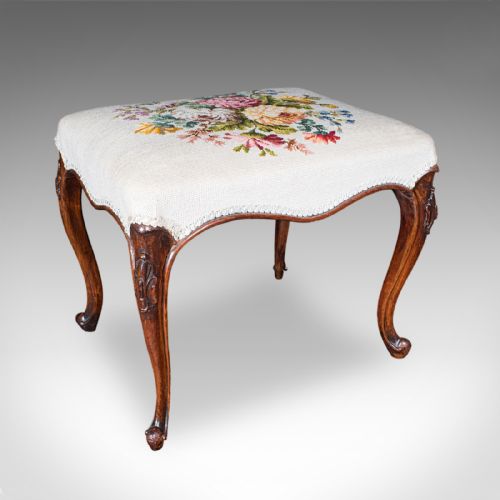
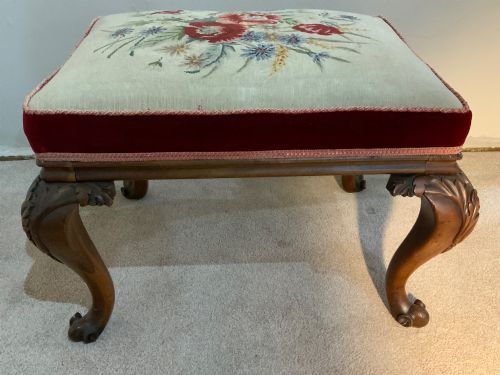
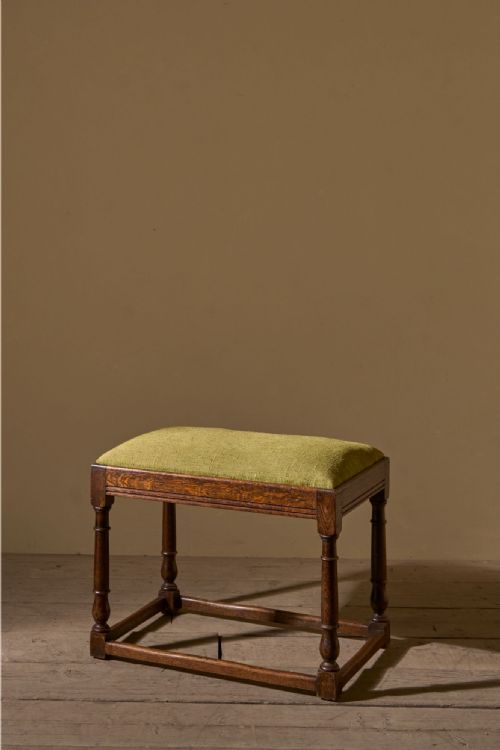
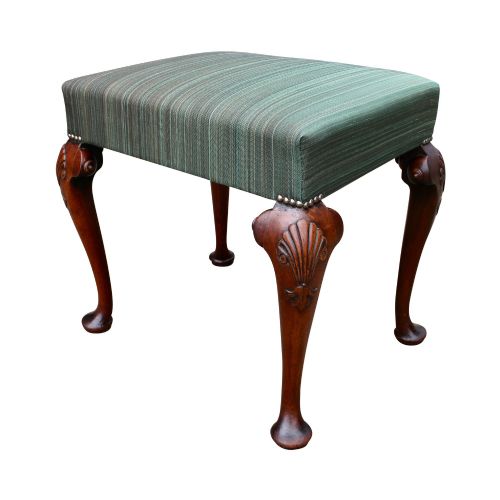
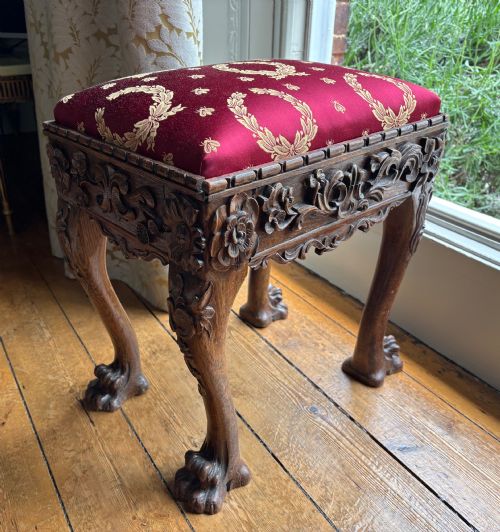
Carpenters constructed the structural frames of these pieces using solid timbers such as walnut, mahogany, rosewood, and birch. These wooden bases often exhibit carved details, cabriole legs, or inlaid decorative elements.
Upholsterers finished the seats with fabric, textile, velour, or leather, frequently securing the edges with metal studs. Many examples incorporate intricate needlepoint, crewel work, or tapestry panels into the top cushion.
Retail Price Guide 2026
Typical UK retail prices for victorian ottoman stool, calculated from the Sellingantiques database of over a million retail prices indexed since 2003. This retail price guide relies exclusively on Sellingantiques data; no external sources or auction records are used, so the figures do not describe the wider market.
Listings demonstrate that walnut and mahogany form the primary timbers for these nineteenth century frames.
Craftsmanship and Proportion
The distinction between standard examples and finer pieces lies in the selection of timber and the complexity of the frame construction. Figures using burr walnut, satinwood, or elaborate carving represent the more decorative end of nineteenth century production.
Proportion and detail dictate the visual weight of each piece, from simple square footstools to large concave trunks with sophisticated upholstery techniques. The integration of functional compartments and sturdy hinged lids separates everyday utility items from superior workshop output.
The Victorian Ottoman Stool Glossary
- Concave
- A curved inward shape often seen on the sides of box ottoman trunks from the nineteenth century.
- Needlepoint
- A type of stitched textile work using canvas ground, frequently found on the seat covers of these stools.
- Cabriole
- A curved furniture leg featuring an outward bend mimicking animal limbs, common on walnut frames.
- Ottoman
- A low upholstered seat or bench without arms or back, typically incorporating a hollow interior for storage.
Frequently Asked Questions
What are victorian ottoman stools?
These pieces are nineteenth century upholstered seats that lift open to reveal a hollow storage compartment inside. They functioned as footstools, dressing seats, and blanket boxes in period homes.
Craftsmen built them using timber frames covered in various textiles and supported on wooden legs or castors.
How were these stools used historically?
Households placed them beside firesides, in bedrooms as dressing stools, or beneath windows as long seats. The interior cavity held blankets, sewing supplies, and personal items out of sight.
Their dual function made them practical additions to Victorian domestic spaces where floor area was at a premium.
How do I identify a nineteenth century piece?
Examine the timber frame beneath the upholstery for traditional construction methods and woods like mahogany or walnut. The presence of hand worked needlepoint or traditional textile covers often indicates period manufacture.
Look at the form and proportions, as nineteenth century workshops favoured specific shapes like concave boxes and cabriole legs.
How do I live with an antique stool?
Position the piece in a living room as an occasional seat or use it at the foot of a bed for spare blankets. The internal storage remains fully functional for modern use.
Protect the historic textiles from direct sunlight and handle the hinged lids with care to preserve the original timber joints.