




Victorian Orientalist Figure
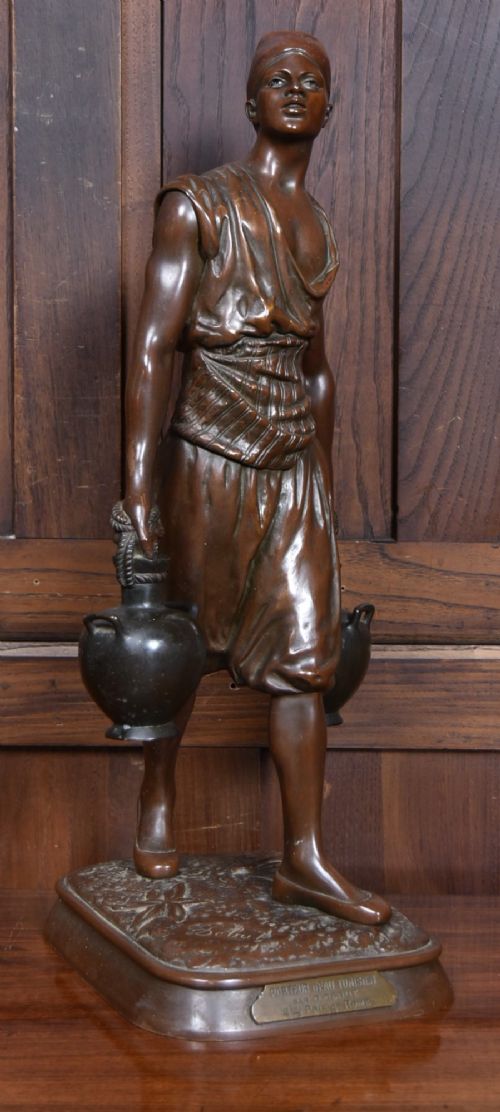
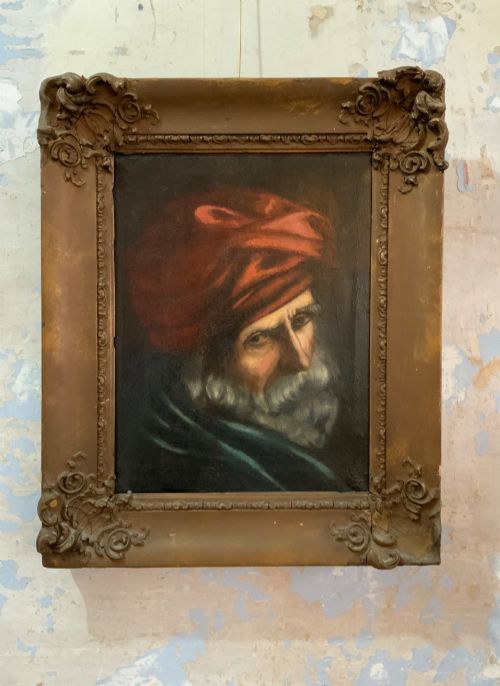
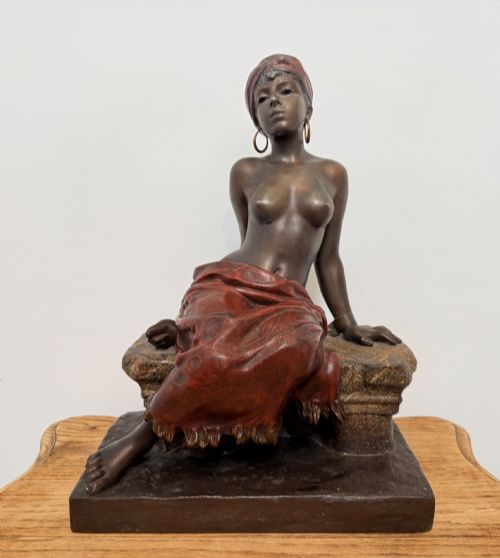
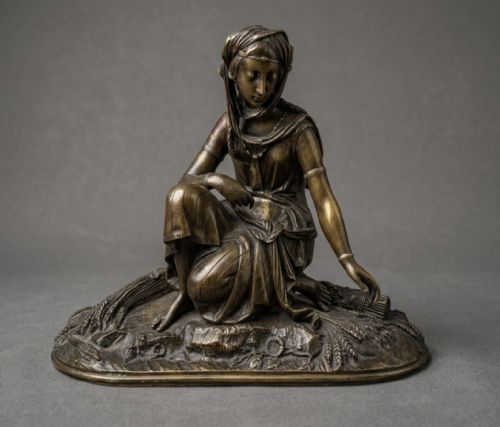
A victorian orientalist figure captures nineteenth-century fascination with Eastern subjects through sculpted bronze, painted canvas, and glazed porcelain.
Victorian Orientalist Figure
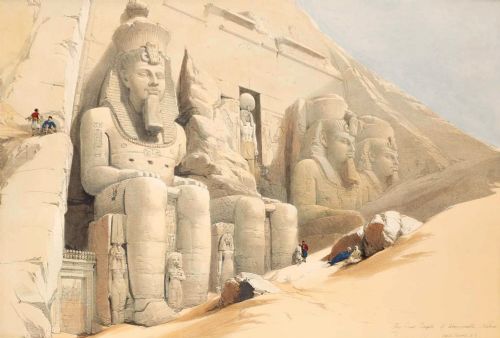
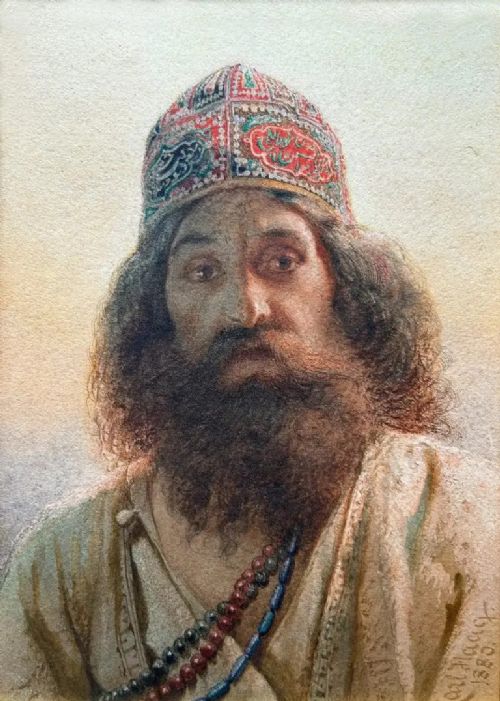
A victorian orientalist figure represents individuals from North Africa, the Middle East, and Asia as rendered by nineteenth-century European artists and manufacturers.
The objects appearing on this page span several mediums, taking the form of patinated bronze sculptures, porcelain figurines, and oil paintings on canvas.
Makers ranged from large potteries like Royal Worcester to named sculptors working in bronze and plaster.
How They Were Made
Bronze sculptures utilise traditional lost-wax casting techniques, often finished with detailed patination or cold-painted colours to accentuate costumes and textures.
Porcelain figures from factories such as Royal Worcester combine moulded ceramic bodies with hand-painted polychrome decoration and gilt highlights.
Paintings employ oil on canvas or board, capturing complex drapery and portrait subjects with fine brushwork.
Listings feature 19th-century periods alongside materials including bronze, porcelain, enamel, and oil on canvas.
What Varies in Quality
The refinement of surface detail separates superior examples from standard production, particularly in the crispness of bronze chasing and the delicacy of ceramic moulding.
Painted passages show varying degrees of artistry, where nuanced skin tones and intricate garment patterns distinguish master work from simpler execution.
James Hadley·Royal Worcester·Royal Dux·E Villanis·Arthur Waagen·Pierre Jules Mène
The Victorian Orientalist Figure Glossary
- Patination
- The chemical treatment or natural weathering applied to metal surfaces to produce distinct colours and tones. This process enhances the sculptural depth of bronze pieces.
- Polychrome
- The application of multiple colours to the surface of ceramics, plaster, or wood. It defines the vibrant garments seen on figures and figurines.
- Spelter
- An alloy of zinc and lead used as a cost-effective alternative to bronze. It frequently receives a bronze-coloured finish.
- Orientalism
- The imitation or depiction of aspects of Eastern cultures in the West by writers, designers, and artists. It forms the thematic foundation of these nineteenth-century works.
Victorian Orientalist Figure: Frequently Asked Questions
How were these figures displayed?
Nineteenth-century households placed these sculptures and figurines on mantelpieces, pedestals, and side tables as decorative conversation pieces.
Larger bronze statues and oil paintings found positions in drawing rooms and libraries to demonstrate cultural curiosity.
What materials are most common?
Bronze and glazed porcelain appear frequently among the sculptural works, alongside painted plaster and spelter.
Flat art relies primarily on oil paint applied to canvas or board.
How do I identify the period?
Dates rely on stylistic markers typical of the nineteenth century, including specific costume details and manufacturer marks on ceramics.
Sculptures often bear signatures or foundry stamps that help anchor their production era.
Are these works purely decorative?
Most items served an aesthetic function within the Victorian home, capturing contemporary artistic interest in foreign lands.
Certain pieces combined sculpture with utility, functioning as lamps or clocks.