
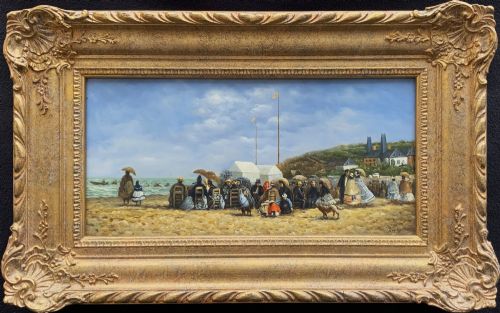
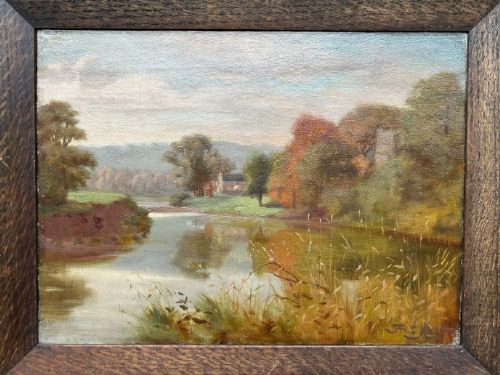
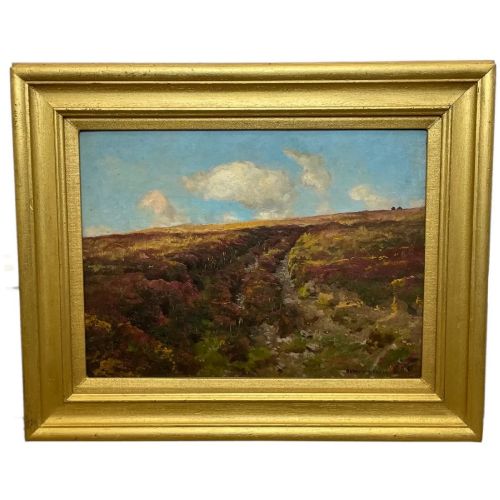
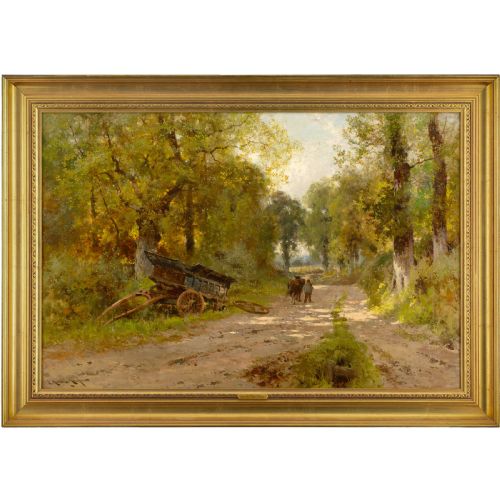
Victorian Oil Landscape Canvas
When you search for a victorian oil landscape canvas, you enter a world of pastoral valleys, rugged highlands, and quiet coastal scenes rendered in rich pigments.
Victorian Oil Landscape Canvas
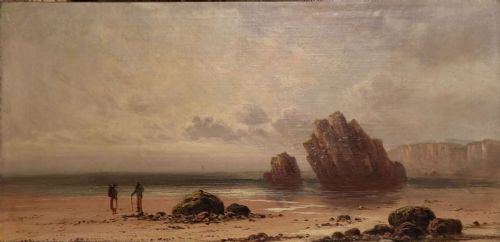
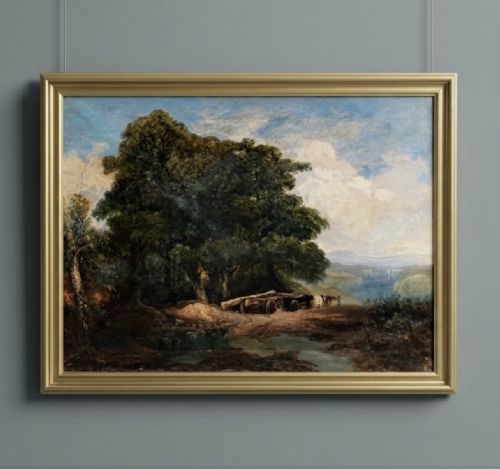
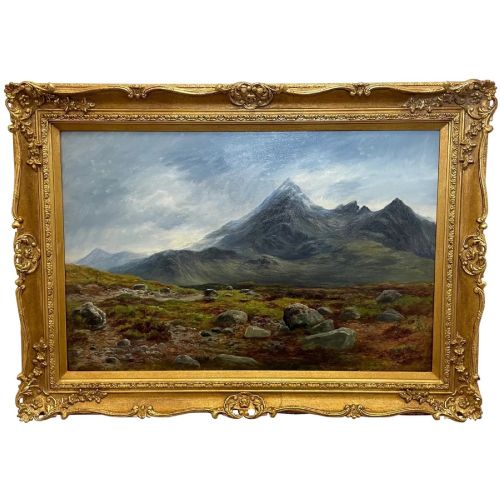
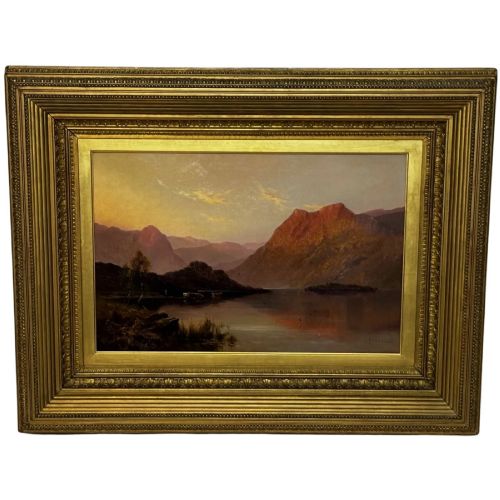
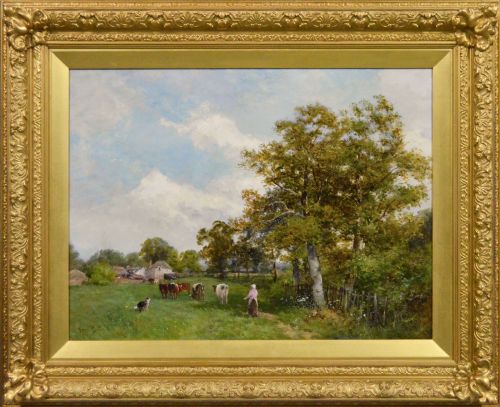
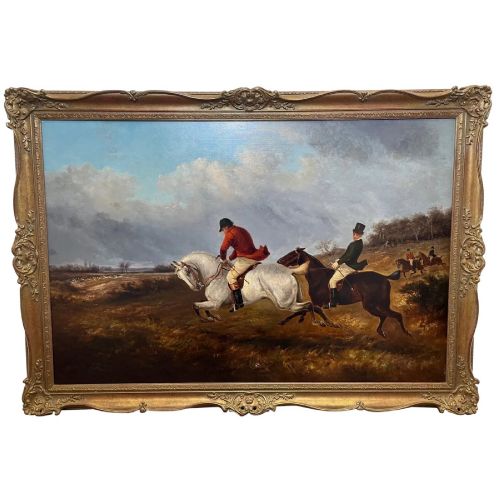
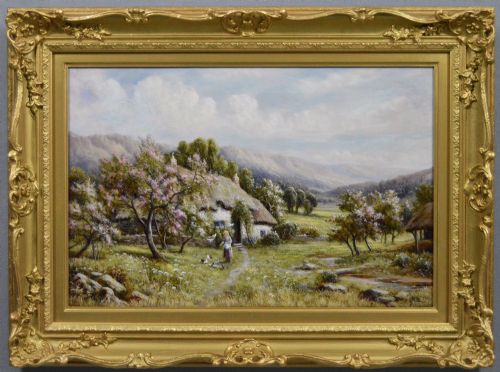
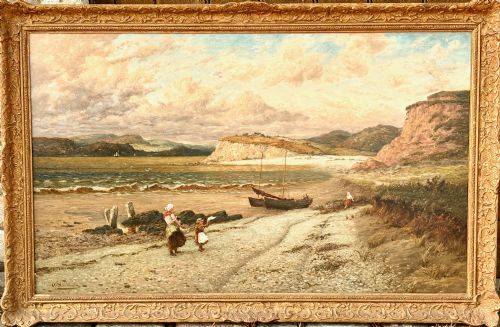
A victorian oil landscape canvas brings the nineteenth-century countryside, coast, and river into an interior through traditional pigment and woven fabric. These paintings capture pastoral scenes, agricultural labour, and dramatic topography from Scottish lochs to Venetian waterways.
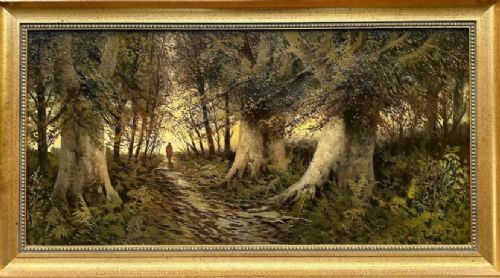
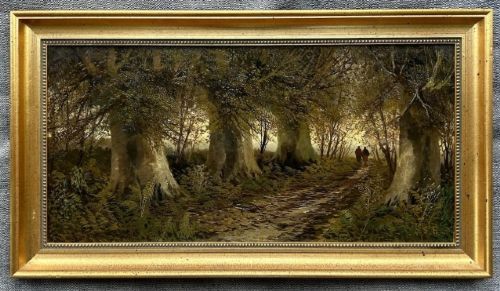
The versions most commonly met on this page originate from British and European artists working within nineteenth-century realism, romanticism, and pastoral traditions. Their subjects range from quiet woodland paths and harvest fields to cattle watering and coastal marine views.
Materials and Technique
The foundation of these works is oil paint applied to stretched canvas, utilising the slow-drying properties of oil to build depth, texture, and subtle tonal shifts. Artists layered rich pigments to render atmospheric effects like morning mist, sunset warmth, and moonlight over water.
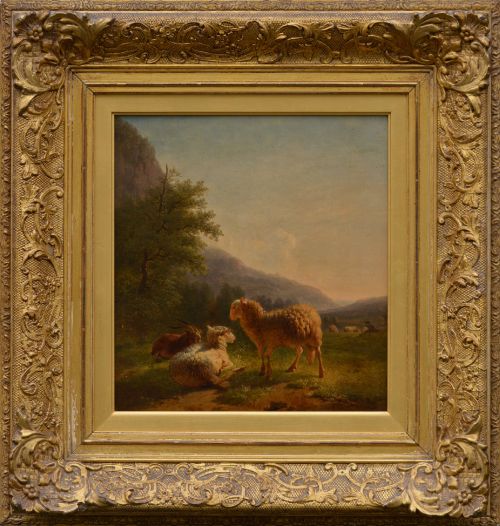
Several canvases feature remarkably stubborn sheep lingering stubbornly in the middle of otherwise majestic highland vistas.
Distinctions in Quality
Quality in a victorian oil landscape canvas rests upon the artist's command of light, shadow, and natural proportion. Superior works reveal confident brushwork and a balanced composition that draws the viewer into the distance, whereas lesser examples rely on formulaic repetition and stiff figures.
The integration of the painting with its period frame also influences the overall standard. Original gilt wood and gesso surrounds that complement the palette and scale of the canvas elevate the presentation far beyond later or mismatched framing.
Richard Sebastian Bond·William Beattie Brown·Frederick Marriott·Arthur Wardle·John Horace Hooper·Alfred Fontville de Breanski·Thomas W Lascelles·David Bates·Thomas Smythe·Alfred Pollentine·Walter Heath Williams·Francis Moltino·Bernard Benedict Hemy·Thomas Creswick·Thomas Sidney Cooper·Richard Redgrave·John Sargent Noble·Henry H Parker·Robert Watson·Charles Hunt·John Wilson Carmichael·Sir Edwin Henry Landseer·Albert Rieger·Abraham Cooper·John Macvicar Anderson
The Victorian Oil Landscape Canvas Glossary
- Oil on Canvas
- A painting medium where pigments bound in drying oil are applied to a stretched woven fabric support. This combination allows for rich blending and textured impasto.
- Giltwood
- Wood carved and covered with a thin layer of gold leaf or metallic gilt. It forms the traditional bright framing common to nineteenth-century fine art.
- Gesso
- A plaster-like mixture applied to wood frames to create a smooth surface for gilding and moulding. It provides the crisp relief detail seen on period frames.
- Pastoral
- A style of art depicting rural life, shepherds, and peaceful countryside scenes. These compositions idealise the harmony between humans and nature.
- Impasto
- Paint applied thickly to a canvas, standing out in relief from the surface. This technique adds tangible texture to elements like water, clouds, or foliage.
Victorian Oil Landscape Canvas: Frequently Asked Questions
How do I identify a nineteenth-century landscape?
Look for the handling of natural light, the style of the clothing on any figures, and the preparation of the canvas backing. Nineteenth-century artists often favoured romantic or realistic depictions of rural industry and topography.
Signatures, artist plaques on the frame, and exhibition labels on the reverse provide further clues. Comparing the subject matter to known regional schools helps narrow down the decade of creation.
Were these paintings always framed in gold?
Gilt wood and gesso frames were the standard presentation for fine art during the Victorian era, designed to catch candlelight and daylight. These ornate surrounds were considered an integral part of the artwork.
While some paintings have lost their original surrounds over time, finding a canvas paired with its period gilt frame remains a mark of intact history.
What subjects were most popular then?
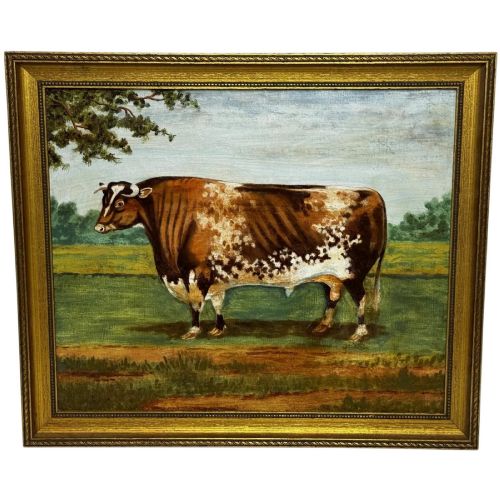
British and European buyers favoured scenes of everyday rural life, agricultural harvests, and dramatic highland or coastal topography. Animals such as sheep, cattle, and working horses frequently anchor the composition.
Marine views of bustling ports and quiet riversides also commanded wide appeal, reflecting a national fascination with trade, travel, and the domestic landscape.
How should I care for an oil painting?
Keep the canvas away from direct sunlight, damp environments, and rapid temperature shifts that cause the wood stretchers and paint layers to expand. Stable indoor conditions protect the integrity of both the linen and the pigments.
Dust the surface and the frame gently with a dry, soft brush rather than using any liquid cleaners. Professional conservation should be sought if the varnish darkens significantly over time.