
Victorian Oil Lamp Light
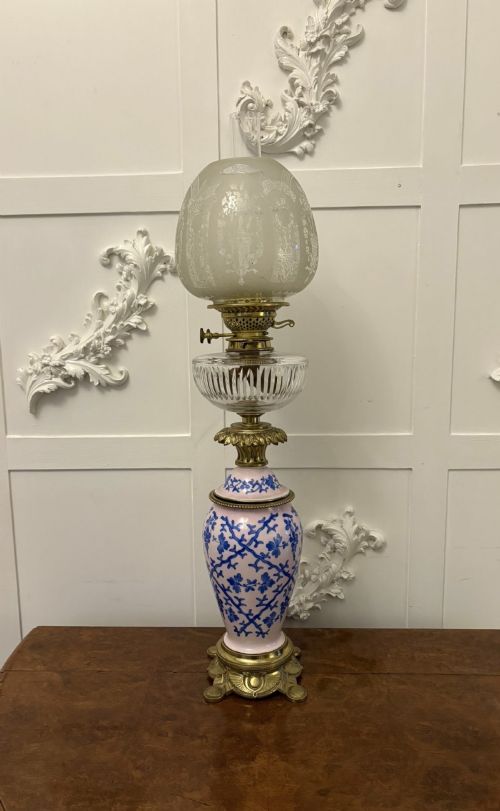
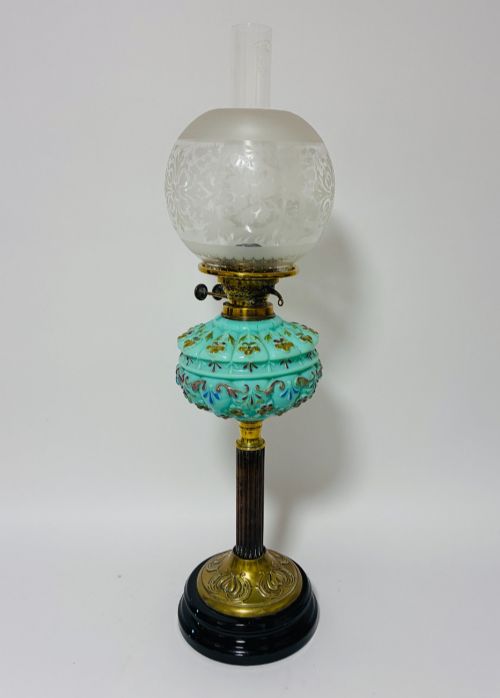
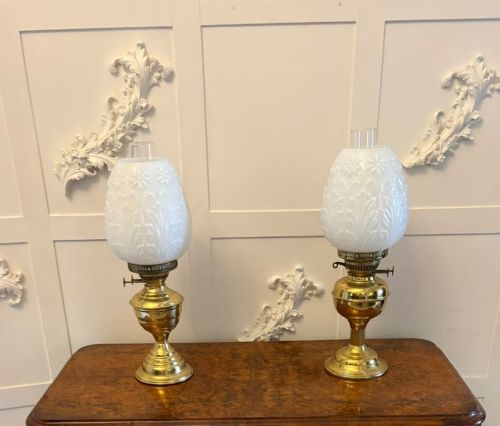
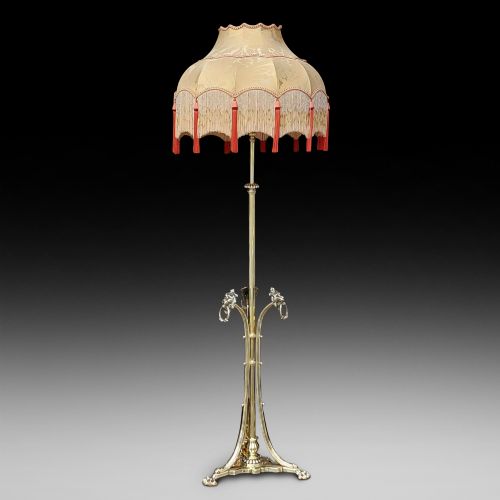
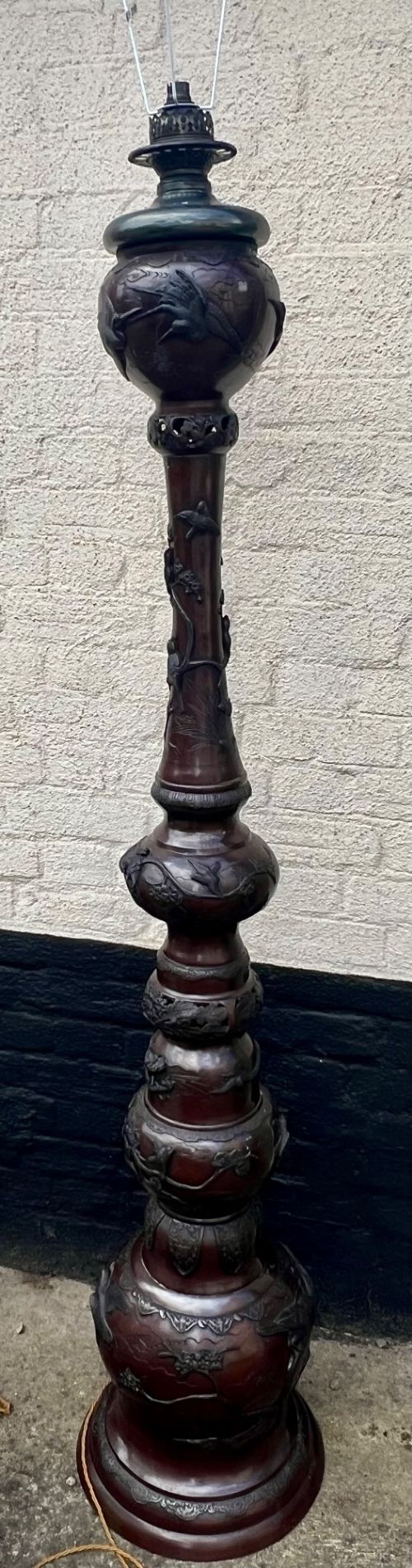
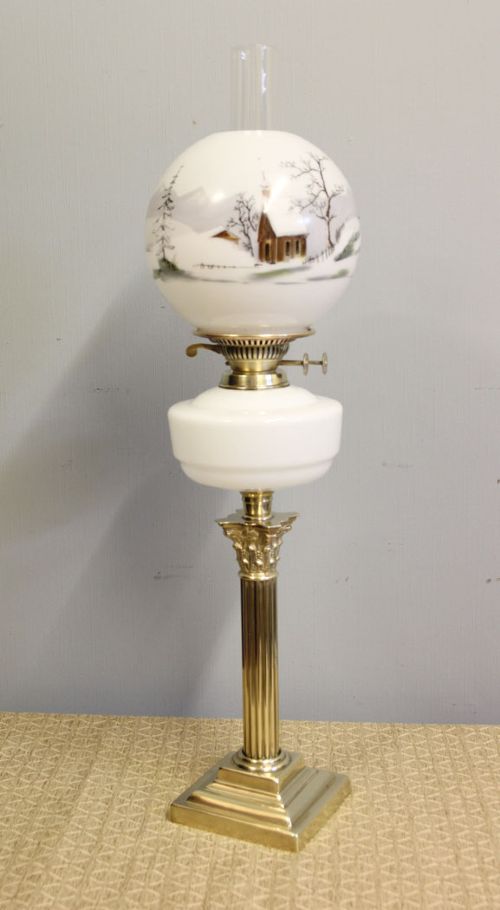
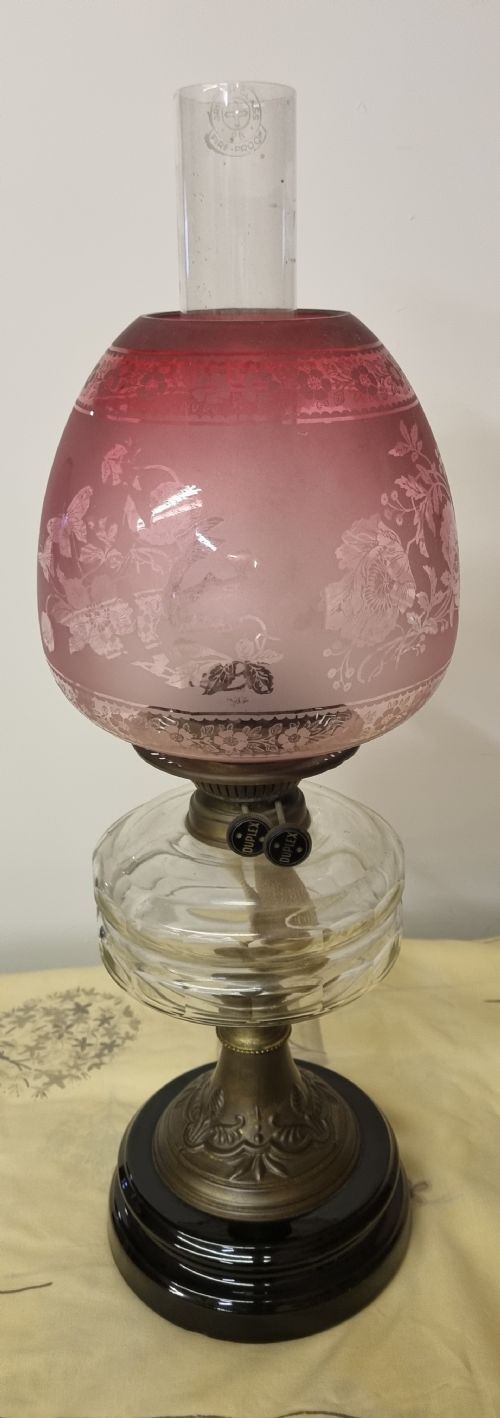
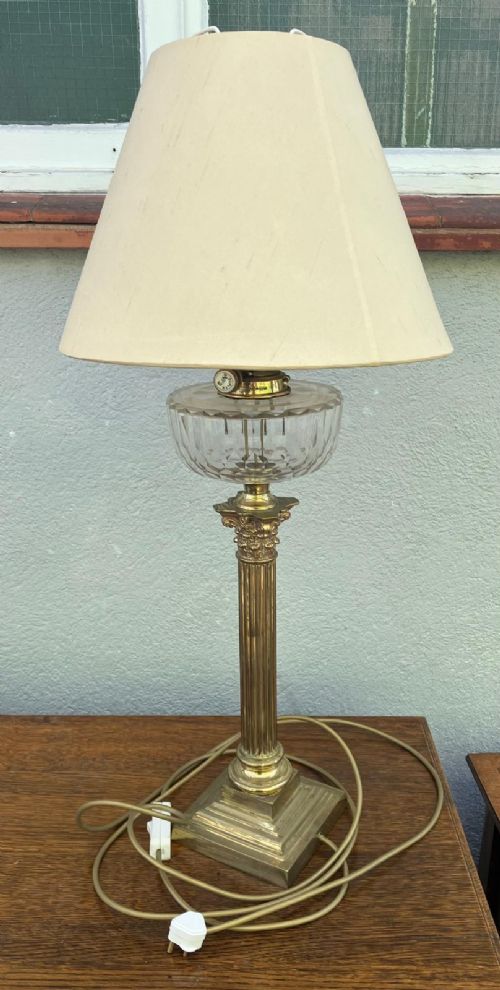
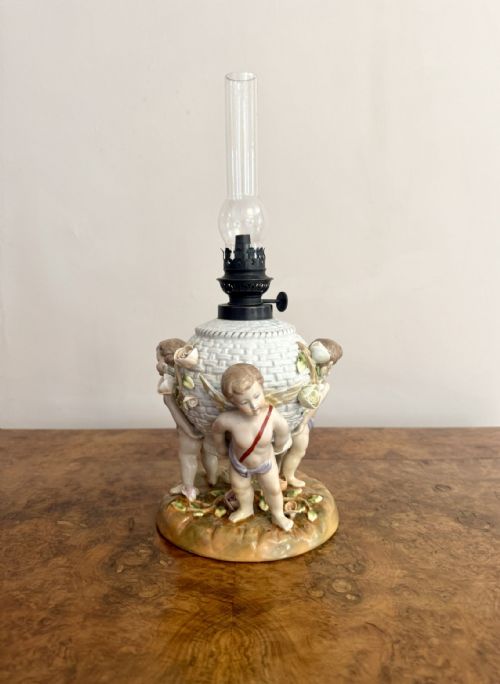
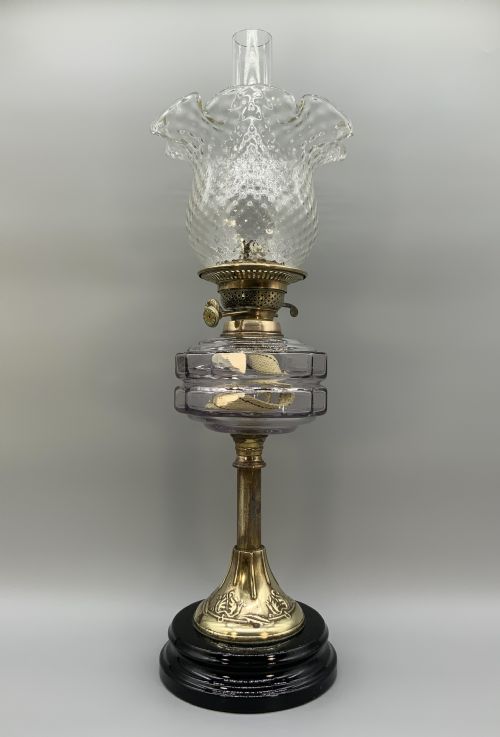
These Victorian oil lamp light pieces combine brass, porcelain and coloured glass into monumental column forms that anchor a room.
Victorian Oil Lamp Light
A victorian oil lamp light is a functional lighting fixture from the nineteenth century that burns paraffin or oil, typically standing on a table or floor. Buyers searching for this phrase encounter tall standards, desk lamps and hanging lanterns from the Victorian and Edwardian eras.
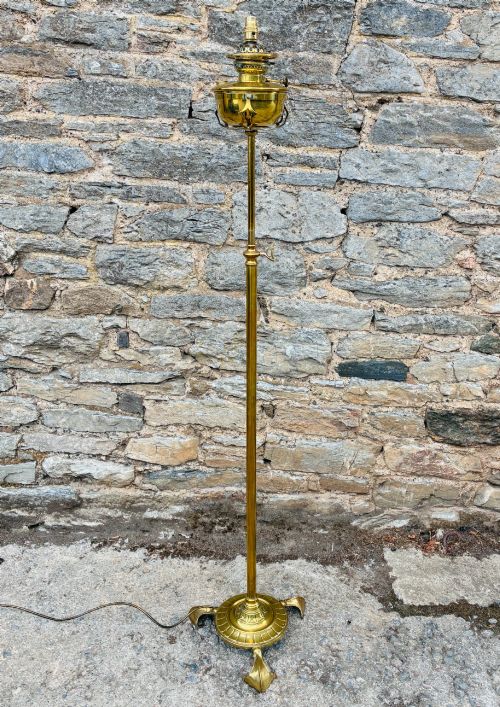
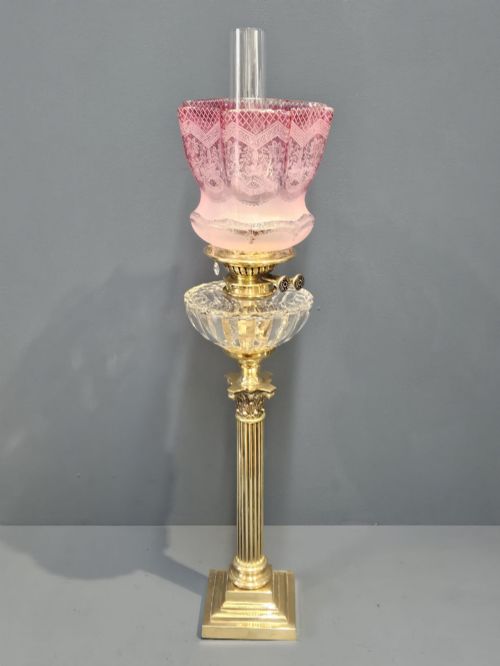
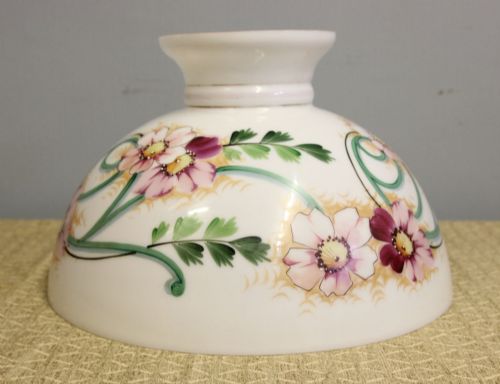
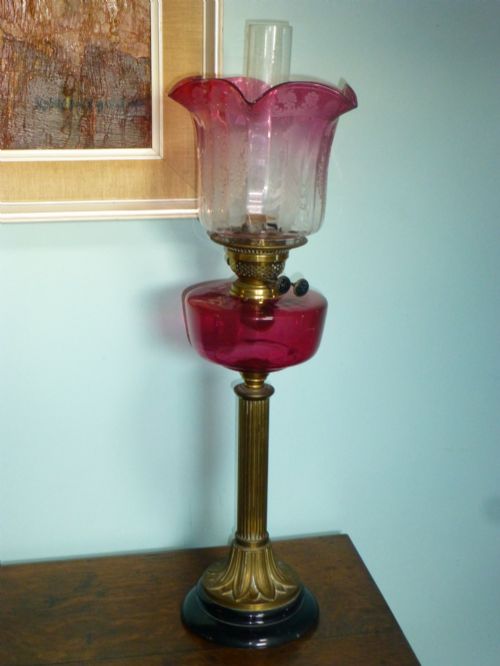
The most common version on this page is the brass column lamp, often featuring a Corinthian or Ionic capital and an extendable shaft. These upright designs frequently carry cranberry glass, opaline glass or hand-painted ceramic shades.
Origins span English makers alongside continental European works, including German porcelain and Japanese bronze pieces brought home during the nineteenth century. Many examples survive with period conversion to electric wiring while retaining their original burners and fonts.
Materials and construction
Foundries cast brass and bronze into heavy columns, stepped bases and detailed capitals, providing the structural weight needed to support tall standards. Makers also utilised glazed porcelain and slip-cast ceramics for decorative fonts and figural bodies.
Glassmakers blew and etched cranberry and opaline glass to form translucent shades and reservoirs that diffused the bright flame. Mechanics involved complex double burners, extending telescopic mechanisms and patented winding systems by makers such as Hinks.
Listings feature brass, bronze, porcelain and cranberry glass formed into table lamps, standard lamps and hanging lanterns across the nineteenth century.
Distinctions in standard
The degree of crispness in the brass casting defines the better examples, where acanthus leaves on capitals and fluting on columns remain sharp and deep. Lesser pieces show softer detail from worn moulds and lighter gauge metal in the shaft.
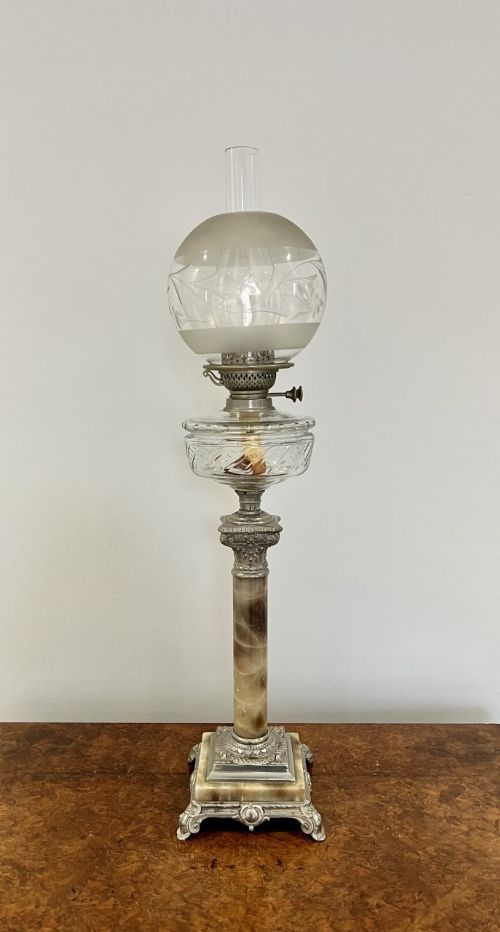
Proportion and scale separate ordinary domestic lamps from the large exhibition pieces built with heavy onyx plinths and paired burners. Hand-painted ceramic reserves and layered glass shades with complex etched motifs indicate higher workshop ambitions.
Hinks·Taylor Tunnicliff·Sitzendorf·Mc Gary
The Victorian Oil Lamp Light Glossary
- Duplex burner
- A double-wick burner mechanism that produced a brighter illumination by burning two flat wicks side by side. This system required wider galleries and heavier chimneys.
- Font
- The reservoir container that held the paraffin or oil beneath the burner assembly. Fonts were commonly formed from coloured glass, glazed porcelain or matching brass.
- Opaline glass
- An opaque or translucent pale glass, often tinted white or pastel shades, used to soften the glare of the burner. It was frequently hand-painted with botanical or winter scenes.
- Corinthian column
- An architectural column style featuring ornate carved capitals decorated with acanthus leaves. Many tall nineteenth-century standards adopted this classical order for their stems.
- Standard lamp
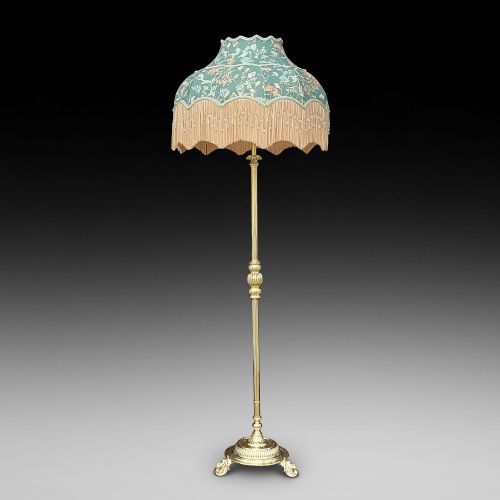
- A tall floor-standing lighting fixture designed to illuminate a room from a raised position. These often incorporated telescopic mechanisms to adjust the overall height.
Victorian Oil Lamp Light: Frequently Asked Questions
How do I operate an old oil lamp?
Operating a period lamp involves lifting the glass chimney and tilting the brass burner gallery to access the cotton wick. You trim the charred edge flat with scissors before filling the glass or ceramic reservoir with paraffin.
Lighting the wick requires a match held directly to the cotton while the gallery is open. Once a steady flame establishes, you lower the glass chimney and adjust the thumbwheel until the light burns clear without smoking.
Are these lamps safe to use with electricity?
Most surviving examples have been converted to run on household electricity by professional electricians who route the wiring through the central brass column. This method preserves the antique brass and glass components while making the fixture practical for modern daily use.
Conversion rarely alters the exterior appearance, as the original burner and gallery usually remain mounted on top. The wiring typically exits near the weighted base without damaging the structural integrity of the nineteenth-century metalwork.
How do I clean cranberry glass shades?
Cleaning cranberry glass requires warm water and mild washing liquid applied with a soft cloth to protect the delicate surface. Avoid abrasive scourers or harsh chemical cleaners that can scratch the transparent red finish or wear away applied gilding.
Hand-painted shades need particular care around decorative motifs, which can flake if soaked for too long. You should dry the glass immediately with a lint-free towel to prevent water spots from forming on the surface.
What is the difference between a table and standard lamp?
Table lamps are proportioned to sit on a surface such as a desk, sideboard or occasional table, with shorter columns and compact reservoirs. They were intended to provide localized illumination for reading or working within a specific room.
Standard lamps stand directly on the floor as independent pieces of furniture, utilising heavy weighted bases to maintain stability at heights exceeding normal table level. Many of these larger floor models feature telescopic extensions to alter the height of the light source.