
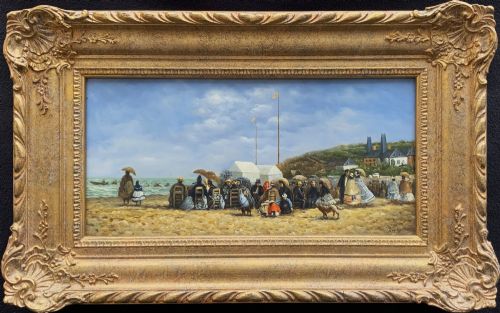


Victorian Oil Canvas Art
Victorian oil canvas art brings nineteenth-century portraiture, landscape and sporting scenes directly into modern interiors through authentic hand-painted works.
Victorian Oil Canvas Art
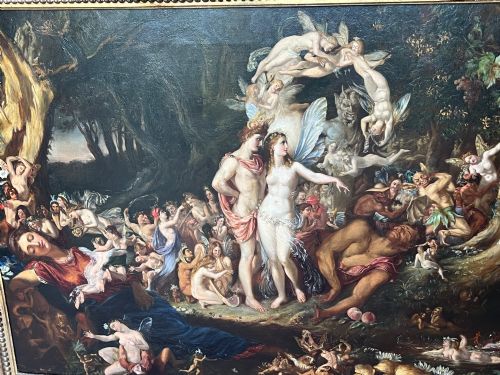
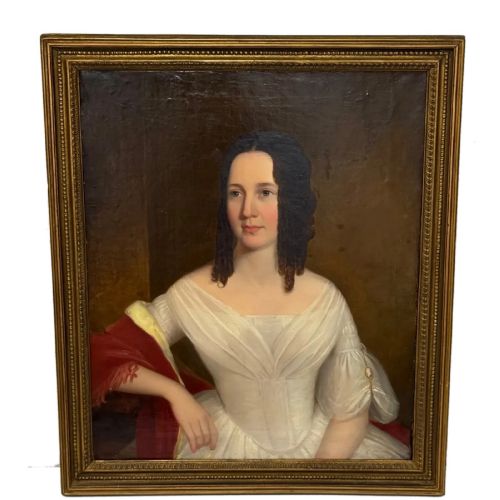
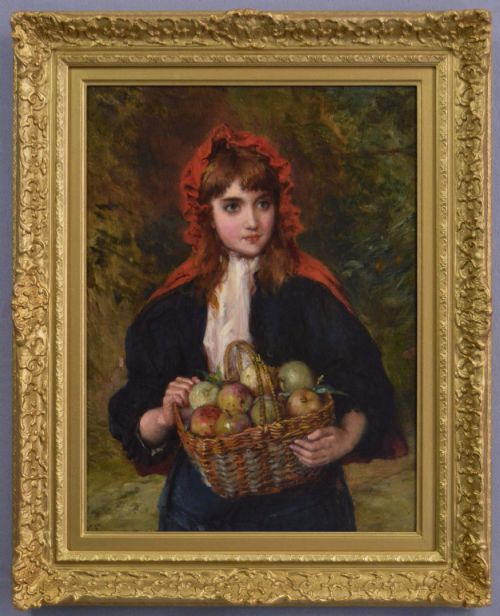
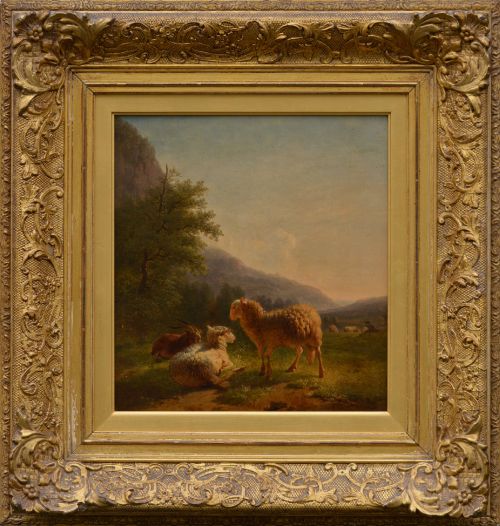
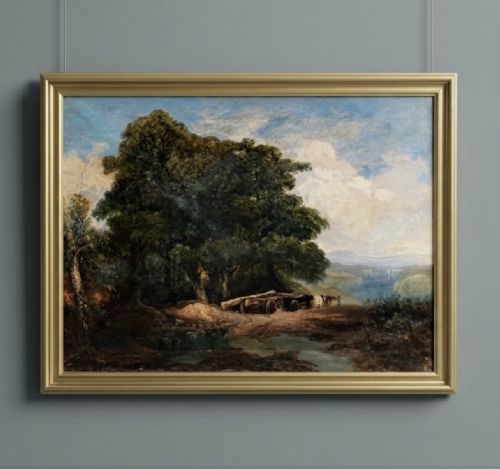
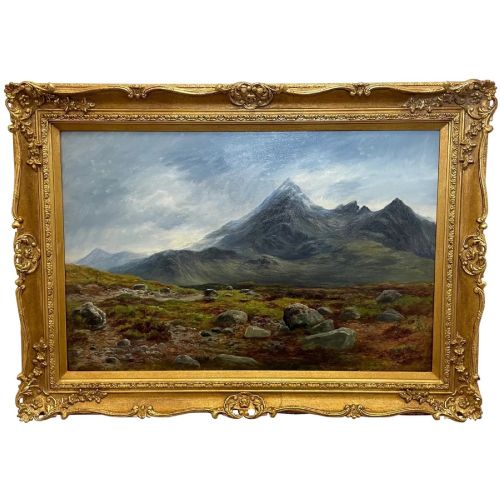
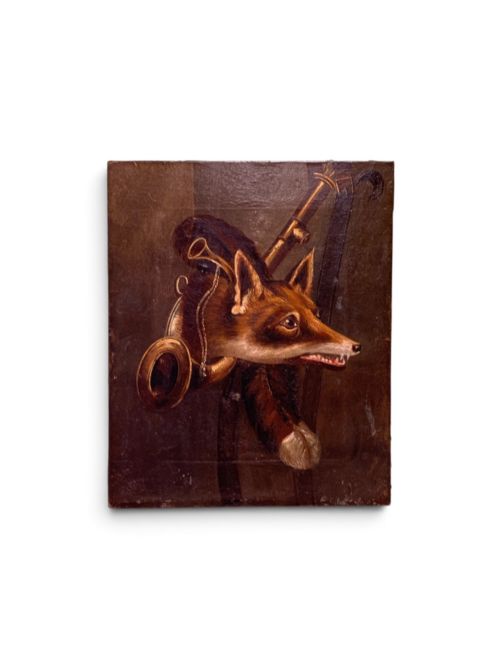
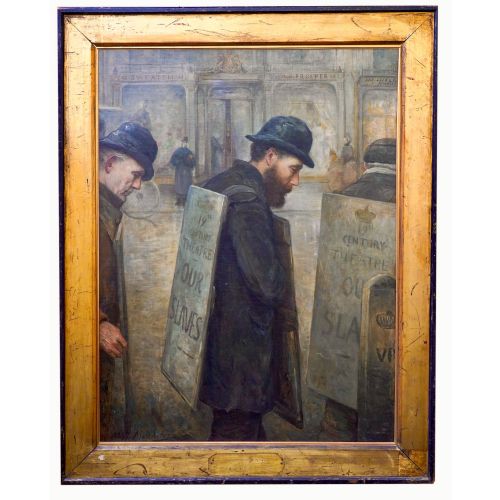
When buyers search for victorian oil canvas art, they examine a diverse selection of nineteenth-century paintings executed in oil paint upon woven fabric supports. The pieces originating from this era record a wide variety of subjects including pastoral landscapes, domestic interiors, animal studies and formal portraiture.
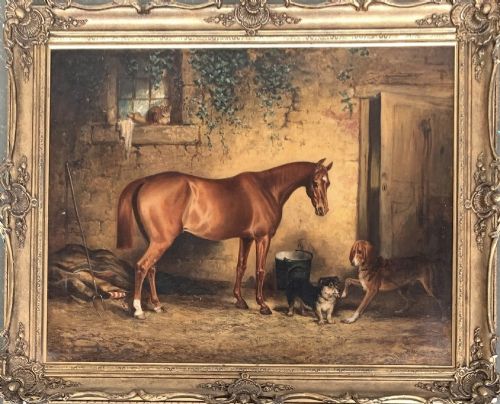
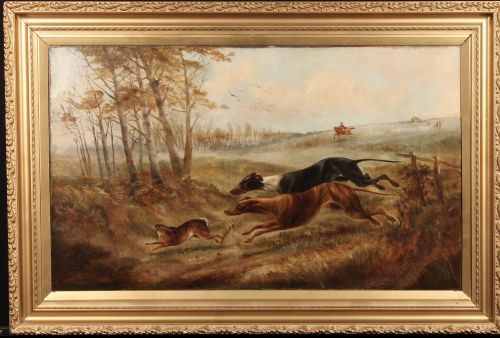
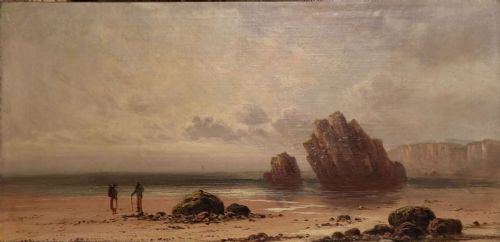
The versions most frequently encountered on this page encompass British and European canvases dating predominantly from the nineteenth century, often housed within period frames. These works span distinct genres such as Victorian landscape, genre painting and sporting art created by named artists and regional schools.
How They Were Made
These works rely on oil paint applied to prepared canvas stretched over wooden frames, utilising traditional layering and brushwork techniques developed across the nineteenth century. Painters built up compositions from dark grounds to luminous highlights to capture depth and texture.
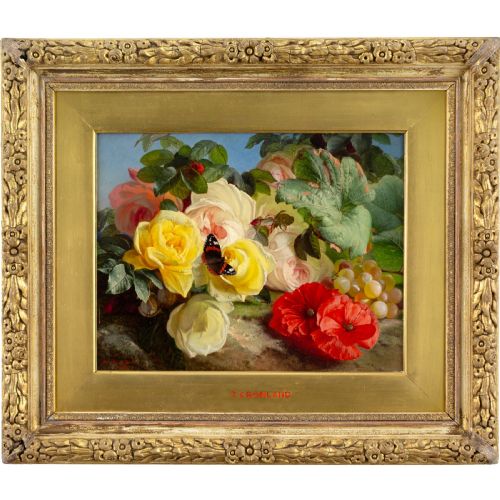
Many surviving examples retain their original or period giltwood and gesso frames, which incorporate decorative mouldings that complement the painted surface.
Several canvases faithfully record the stern expressions of prize livestock, reminding us that Victorian animal portraiture was serious business.
What Varies in Quality
Quality rests upon the artist's command of anatomy, perspective and light, distinguishing masterly academic output from simpler naive school or regional efforts. Superior canvases demonstrate confident brushwork, expressive characterisation in human and animal subjects, and harmonious tonal balance.
The preservation of the original paint layer and the structural integrity of the canvas and stretcher assembly also determine the standing of an individual piece.
William Oliver·Eugène Verboeckhoven·Richard Sebastian Bond·William Beattie-Brown·Felix Stone Moscheles·Valentine T. Garland·John Maler Collier·Dumini Leopoldo·Frederick Marriott·Arthur Wardle·John Horace Hooper·William McAlpine·Alfred Fontville de Breanski Jr·Stephen Samuel Lewin·John Rose Miles·Vittorio Reggianini·Thomas W Lascelles·Mark William Langlois·David Bates·William Broome·Thomas Smythe·Albert Clark·Alfred Lyndon Grace·Arthur Langley Vernon·Charles H. Passey
The Victorian Oil Canvas Art Glossary
- Canvas
- A heavy woven fabric, typically linen or cotton, stretched across a wooden frame to serve as the foundation for oil paintings. This material provides the primary support surface for nineteenth-century works.
- Giltwood
- Wood carved and coated with a thin layer of gold leaf or metallic powder, commonly utilised for ornate nineteenth-century picture frames. These decorative surrounds often contribute significantly to the overall presentation of the artwork.
- Gesso
- A paint mixture consisting of a binder mixed with chalk, gypsum, or pigment, applied to wooden panels or canvas preparations. It creates a smooth, absorbent surface ready to receive oil paint.
- Genre Painting
- Artwork depicting scenes from everyday life, ordinary people, and domestic interiors rather than grand historical or mythological narratives. This popular Victorian category includes domestic moments and rural activities.
- Provenance
- The documented history of ownership surrounding a work of art, establishing its authenticity and lineage. Clear records help connect specific canvases to known exhibitions or collections.
Victorian Oil Canvas Art: Frequently Asked Questions
How should I hang an oil painting?
Traditional oil paintings on canvas require stable interior environments away from direct sunlight and dramatic temperature fluctuations. Secure picture wire attached to sturdy wall fixings ensures the heavy giltwood frames remain safely supported.
Maintaining moderate humidity levels prevents the wooden stretchers and canvas from warping or becoming brittle over time.
How do I identify the period of a canvas?
Dating relies on stylistic clues, costume details, stretcher construction, and signatures or inscriptions left by the artist. Nineteenth-century works frequently display specific academic conventions in brushwork and palette choice.
Examing the reverse of the canvas often reveals old exhibition labels, stamps, or artist supplier marks that assist in narrowing down the date.
Were these works always framed?
Nineteenth-century oil paintings were routinely displayed within decorative frames designed to complement the aesthetic of the composition. Giltwood and gesso mouldings enhanced the depth of the artwork and protected the canvas edges.
Many surviving pieces retain their original period frames, which form an integral part of the antique object.