
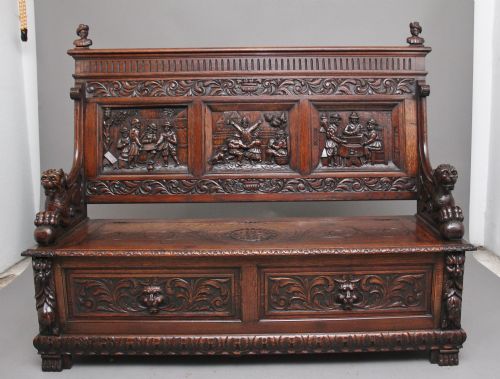


Victorian Oak Storage Box
A victorian oak storage box brings heavy timber and robust metalwork together to solve everyday storage with undeniable period character.
Victorian Oak Storage Box
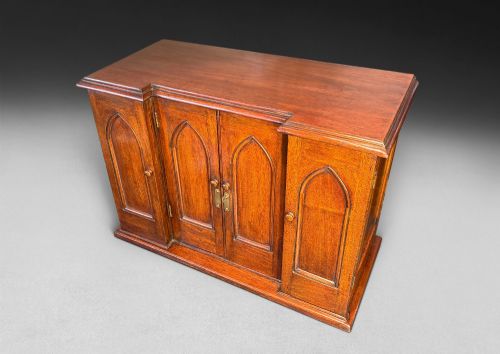
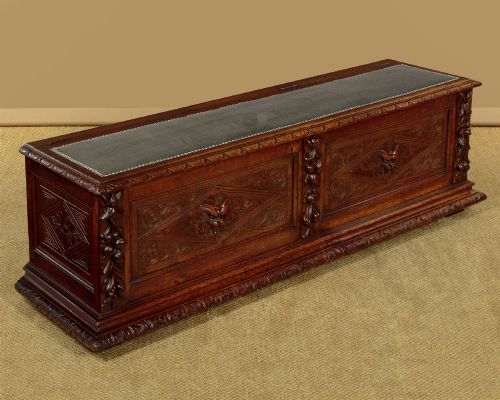
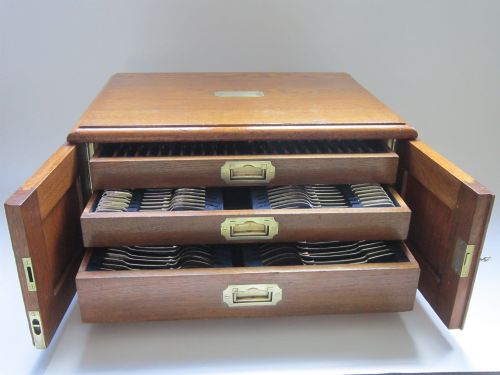
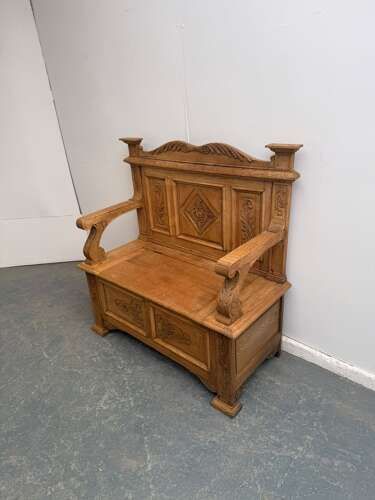
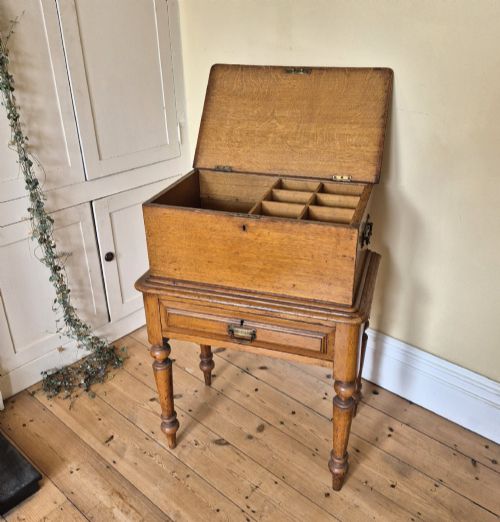
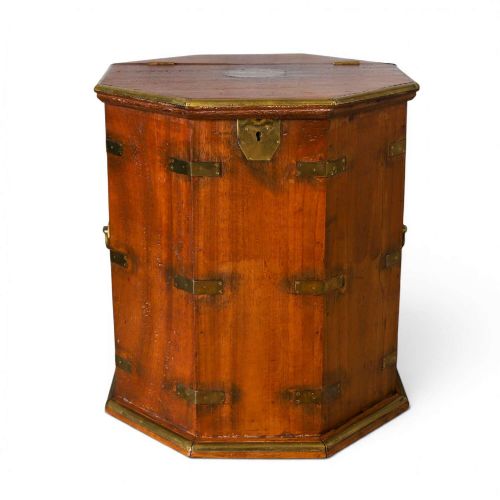
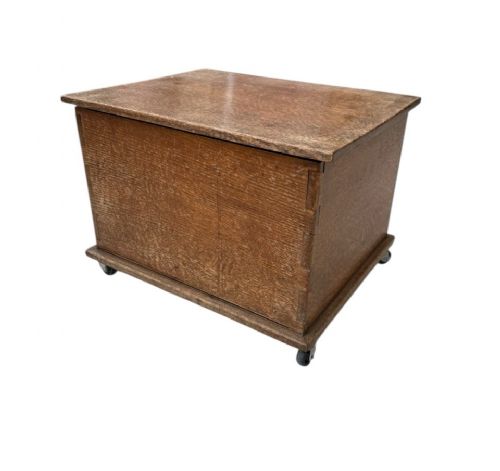
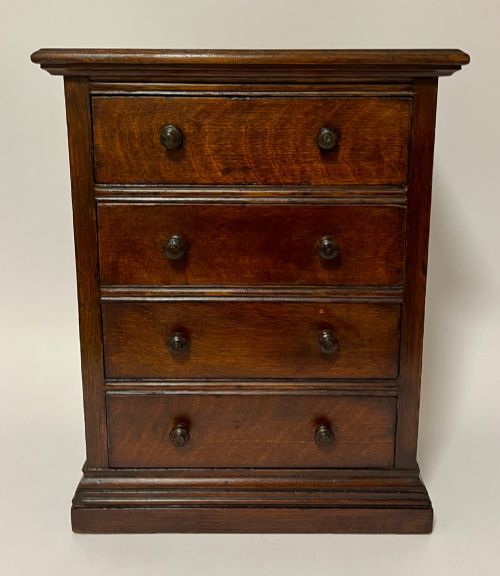
A victorian oak storage box serves as a sturdy receptacle for household goods, blankets, and valuables, originating predominantly from the nineteenth century. These items manifest in forms ranging from heavy silver chests bound in iron and brass to carved blanket chests, hall benches, and compact table-top collectors' cabinets. Most examples seen here date from the Victorian era up to the early twentieth century, reflecting practical domestic and travel requirements of the period.
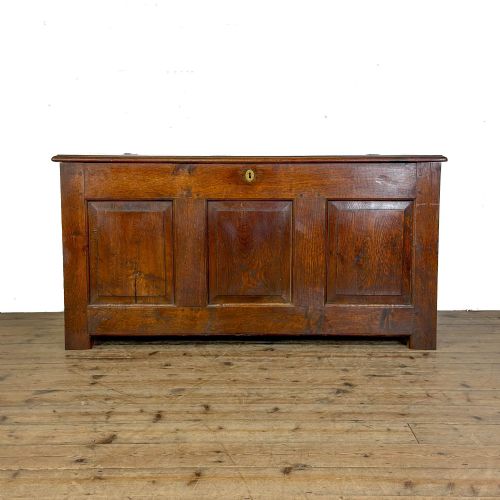
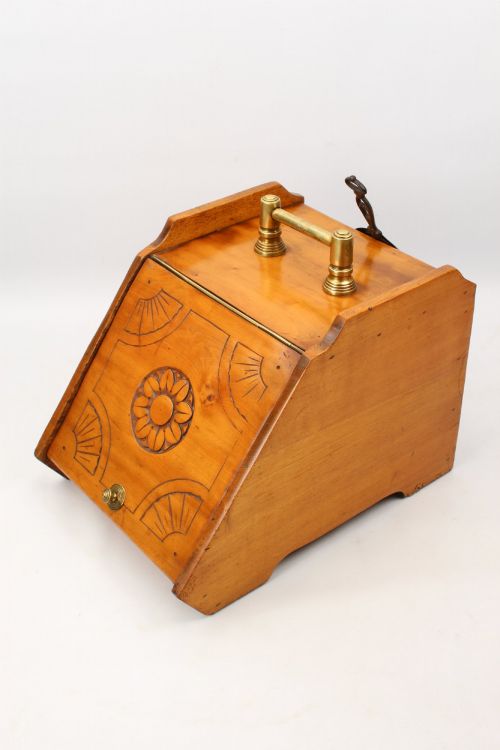
Buyers encounter everything from rustic farmhouse coffers and carved box settles to military campaign chests and specialised coal scuttles. The structural designs prioritize utility and strength, often featuring hinged lids, drop handles, and reinforced corners to withstand frequent handling and transit.
What Varies In Quality
The standard of a victorian oak storage box depends significantly on the weight of the timber and the robustness of its metal hardware. Heavy iron or brass binding, original working locks with keys, and dovetailed carcases distinguish superior military and silver chests from lighter domestic storage.
Carved examples reveal differences in execution through the crispness and depth of the chisel work, particularly on panels featuring foliage, linen-fold, or figurative motifs. Internal appointments, such as fitted trays, original velvet linings, or partitioned compartments, further elevate the standing of a piece.
Listings feature items utilising oak, brass, iron, pine, and leather across periods from the 1870s to the 1930s.
Tahan of Paris·Manoah Rhodes & Sons Ltd·Elkington
The Victorian Oak Storage Box Glossary
- Campaign chest
- A portable set of drawers or a box built in sections with recessed brass handles, designed for easy dismantling and transport by military officers.
- Coffer
- A heavy wooden chest traditionally used for storing valuables, textiles, or documents, often featuring panelled construction and a hinged lid.
- Purdonium
- A specialised household coal box or container popular in the Victorian and Edwardian periods, typically incorporating a sloping front and a matching shovel.
- Silver chest
- A heavy, metal-bound storage trunk lined with baize or felt, engineered specifically to transport and protect precious silverware and plate.
- Box settle
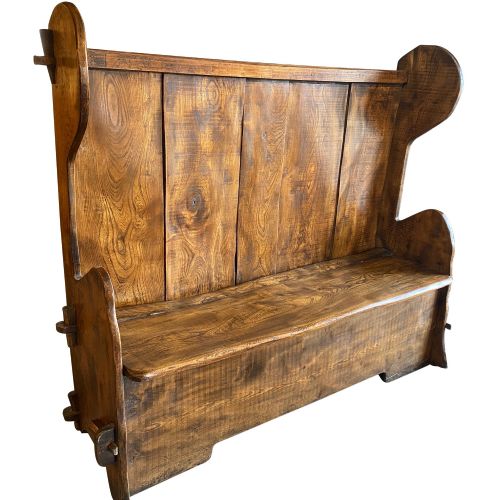
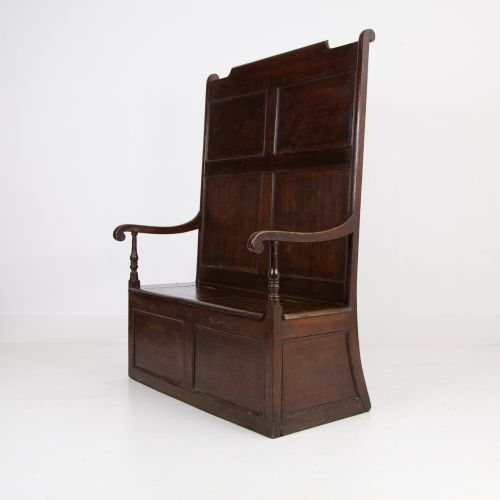
- A combined wooden bench seat featuring a hinged lid beneath the cushion for enclosed storage, placed commonly in halls or kitchens.
Victorian Oak Storage Box: Frequently Asked Questions
What were silver chests used for?
Silver chests served as secure travelling containers for wealthy households and silversmith retailers to move heavy tableware safely. Their thick oak walls and iron or brass bindings protected valuable metalwork during transport.
Inside, these trunks often featured customized baize-lined trays and compartments designed to hold specific items like cutlery canteens and tea services securely.
How do I identify a campaign box?
Campaign boxes feature distinctive recessed brass handles and reinforced brass corners designed to prevent snagging during military transport. They are built robustly in sections to withstand the rigours of active service.
Many bear stamps or regimental markings linking them directly to military campaigns and specific regiments of the nineteenth century.
Where should I place a box settle?
A box settle functions effectively in an entrance hall or a country kitchen, offering both seating and concealed storage for boots or linens. Their high backs were originally designed to block drafts from doorways.
Ensure adequate clearance for the hinged seat or lid to open fully without striking surrounding walls or furniture.
What is a Purdonium?
A Purdonium is a dedicated Edwardian or Victorian coal container designed to keep fuel tidy near a fireplace. They usually include a drop-down front or a sloping lid alongside an internal metal liner and a shovel.
These compact cabinets allowed homeowners to store coal cleanly in formal rooms without spilling dust on carpets.