


Fitted Silver Trunk
These fitted silver trunk examples offer robust security for precious tableware, bringing substantial oak and iron construction directly into your interior.
Fitted Silver Trunk
A fitted silver trunk provides secure storage for valuable household tableware, appearing predominantly in heavy oak during the nineteenth century. These sturdy chests were built to protect dining services from damage during transport between country houses and town residences.
Most examples encountered on this page date from the Victorian period, featuring iron bindings and internal divisions designed specifically for silver storage. Alongside these large chests, related forms such as travelling vanity cases and steamer trunks occasionally surface within the listings.
The materials reflect a practical demand for durability, combining solid woods with protective metal hardware. Buyers searching for a fitted silver trunk will find substantial pieces originating from Georgian, Victorian, and Edwardian eras.
Materials and construction methods
Makers constructed these chests primarily from oak, utilising thick boards joined to withstand heavy loads of metal tableware. Iron bindings and wrought iron hardware reinforced the corners and edges against the rigours of travel.
Interiors frequently incorporated specialised fabric, velvet, or leather linings to cushion individual pieces of silver. Brass fittings often completed the locking mechanisms and carrying handles, ensuring both security and ease of movement.
Some trunks still carry the faint, comforting scent of old silver polish trapped inside the oak since the Victorian era.
Judging quality and craftsmanship
Quality in a fitted silver trunk rests upon the density of the oak and the integrity of the iron bindings. Superior examples display precise dovetail joinery and robust hardware that remains firmly seated in the timber.
The refinement of the internal arrangement distinguishes finer pieces, particularly where original velvet or fabric linings survive intact. Maker attribution, such as retail marks by established silversmiths, elevates the standing of a trunk significantly.
Elkington
The Fitted Silver Trunk Glossary
- Iron-bound
- A method of reinforcing wooden chests with straps and brackets of iron. This construction protected the corners and structural joints during heavy transit.
- Campaign silverware trunk
- A portable storage chest designed for military officers or travellers on the move. These pieces prioritise robust locks and secure internal divisions.
- Vanity case
- A smaller portable box fitted for personal dressing table items and accessories. They often incorporate compartments for silver-mounted brushes and glass containers.
- Steamer trunk
- A low-profile luggage chest built to fit beneath cabin berths on ocean voyages. They share protective metal hardware with larger storage chests.
Fitted Silver Trunk: Frequently Asked Questions
What is a fitted silver trunk?
A fitted silver trunk is a heavy wooden storage chest reinforced with iron, designed to hold and protect valuable tableware during travel.
These pieces typically date from the nineteenth century and feature specialised internal compartments for silverware.
How were these trunks used?
Wealthy households utilised these chests to transport family silver safely between country estates and town houses.
The robust construction and secure locks protected valuable dining services from theft and transit damage.
How do I date a silver chest?
Dating relies on observing the timber types, construction methods, and hardware styles characteristic of periods like the Victorian era or earlier.
Oak construction combined with hand-wrought iron straps and specific lock mechanisms often points towards nineteenth-century manufacture.
Where should I place one?
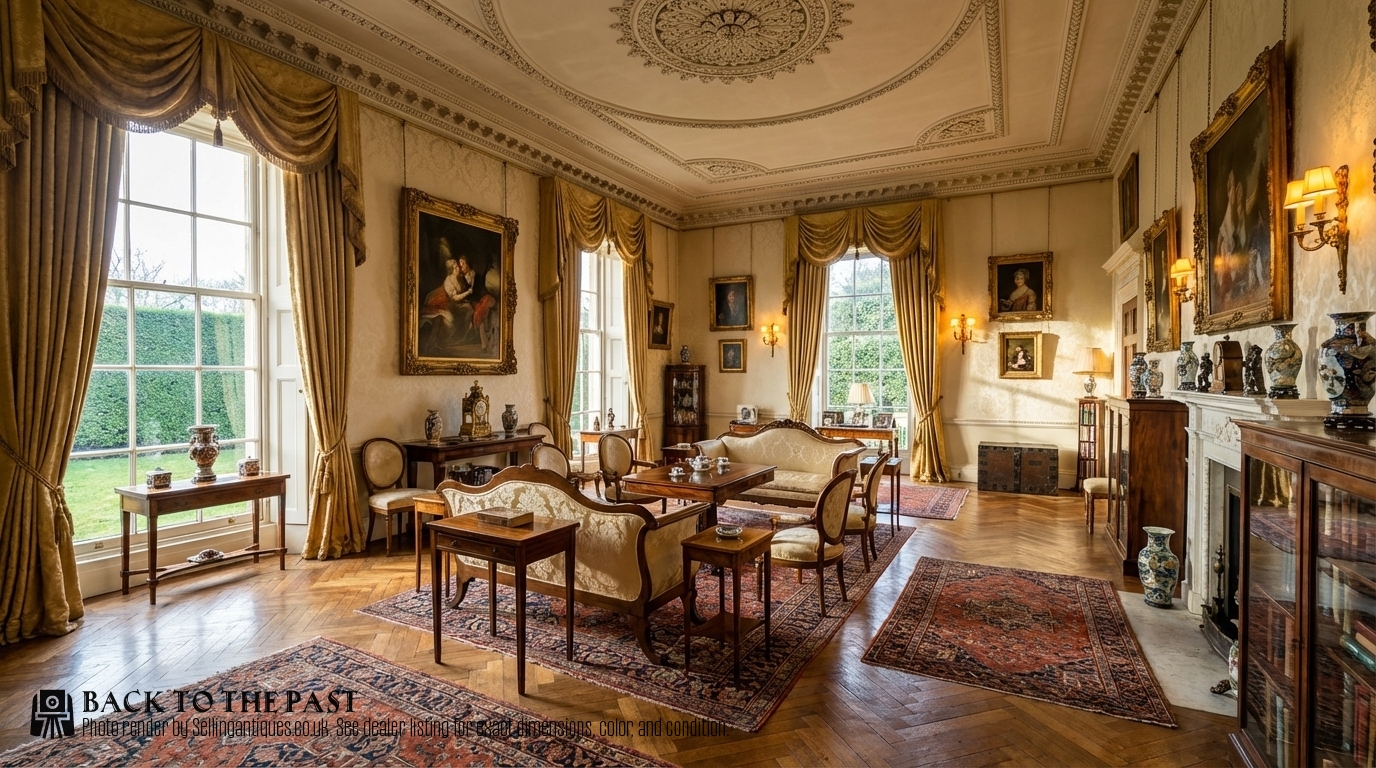
These substantial chests function well as living room coffee tables or statement storage pieces at the foot of a bed.
Their sturdy oak surfaces and metal details complement both traditional and contemporary interiors.