

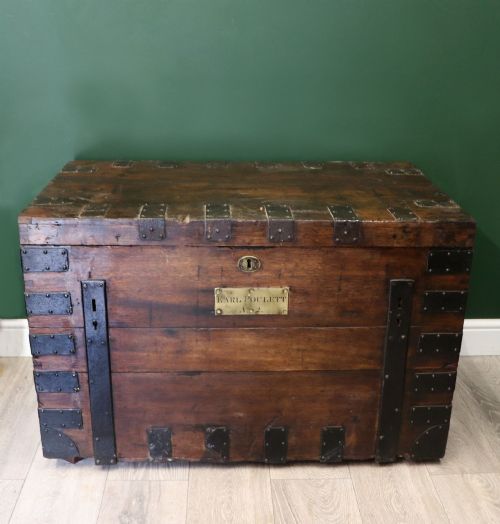


19th Century Silver Trunk
These robust 19th century silver trunks offer secure storage and structural presence, built to safeguard valuable plate during travel.
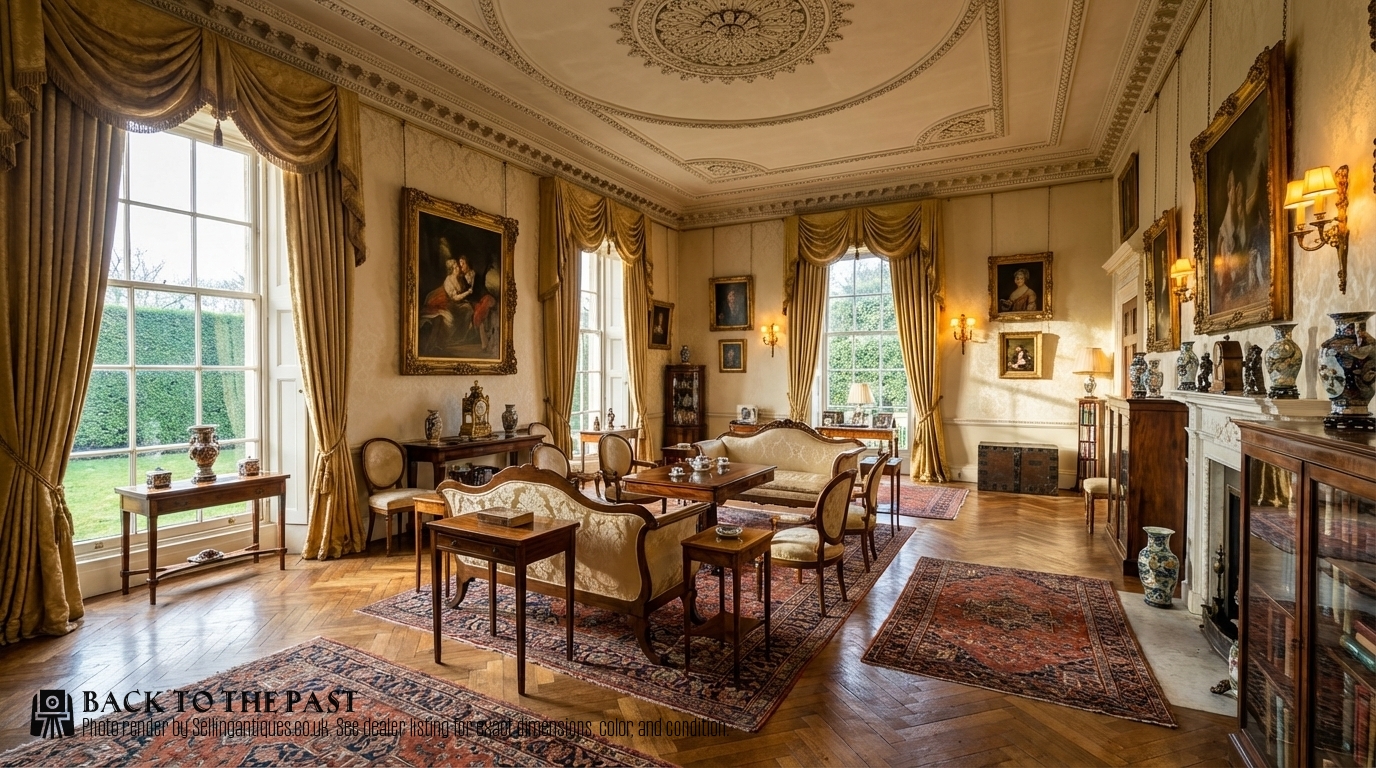
19th Century Silver Trunk
A 19th century silver trunk is a heavy-duty container designed specifically to protect and transport domestic silverware and plate. These pieces belong predominantly to the Victorian period, appearing in forms such as chests, coffers, and campaign silverware trunks.
Buyers encountering this category will most frequently find sturdy wooden examples dating from the middle to late decades of the nineteenth century. These forms reflect a period when secure domestic transport demanded substantial timber and metal reinforcement.
The objects stem from English craftsmanship, often utilising golden oak combined with practical internal compartments for cutlery and hollowware. Their primary purpose shifted from arduous travel to estate storage as households settled into more permanent arrangements.
How they were made
Makers constructed these trunks using dense timber carcasses, predominantly oak, chosen for its strength and resilience against heavy impacts during transit. Iron and brass bands were then applied externally to reinforce the structure and protect vulnerable corners from severe handling.
Internal spaces were frequently fitted with fabric or velvet linings to cushion delicate silver items and prevent shifting. Heavy cast iron handles and secure locking mechanisms completed the construction, ensuring both portability and protection against theft.
19th Century Silver Trunk Retail Price Guide 2026
Typical asking prices for 19th century silver trunk among the pieces listed under this phrase on Sellingantiques today, from the lower quarter to the upper quarter. They describe what is for sale here now, not the wider market.
Listings for this phrase demonstrate a heavy concentration of oak construction reinforced with iron or brass bands from the Victorian era.
What varies in quality
Quality in a 19th century silver trunk rests in the integration of its metalwork and the selection of its timber. Superior examples display dense golden oak grains paired with hand-forged iron or brass banding that sits flush and secure against the wood.
The sophistication of the internal fitments also separates standard transport boxes from finer pieces. Trunks retaining intact fabric or velvet linings, alongside original maker details such as plaques, represent the upper tier of surviving examples.
Elkington
The 19th Century Silver Trunk Glossary
- Campaign trunk
- A portable storage chest built for military officers or travellers, featuring recessed brass handles and reinforced corners. These pieces prioritise structural durability for frequent movement.
- Iron banded
- A construction method where iron straps are fastened across the exterior of a wooden chest. This technique prevents the timber from splitting under heavy loads.
- Silver chest
- A specialised receptacle lined to hold flatware and hollowware securely. They typically feature heavy locks to safeguard valuable household assets.
- Victorian
- The period spanning the reign of Queen Victoria, running through the nineteenth century. Pieces from this era often exhibit robust utilitarian design combined with traditional craftsmanship.
19th Century Silver Trunk: Frequently Asked Questions
What were 19th century silver trunks used for?
These trunks served as secure containers for transporting and storing valuable household silver and plate during travel. Wealthy households relied on them to protect heavy flatware and hollowware from damage and theft.
Over time, many of these chests transitioned from active transit use to static storage within large estates and country houses.
How do I identify a Victorian silver trunk?
Identification relies on examining the combination of dense oak timber, iron or brass banding, and period construction methods. Look for robust metal reinforcements and traditional locking mechanisms characteristic of nineteenth-century manufacturing.
Internal fitted compartments designed specifically for cutlery further confirm the intended purpose of the trunk.
How should I live with an iron bound trunk?
These substantial chests function exceptionally well as coffee tables, end-of-bed storage, or statement pieces in a hallway. Their flat tops and rugged construction allow them to support everyday objects while offering hidden storage inside.
Positioning them away from direct heat sources preserves the natural moisture of the oak and protects any remaining internal fabric linings.
Are all these trunks made of oak?
The majority of surviving examples utilise oak as the primary structural timber due to its exceptional strength and durability. Metal bands made of iron or brass are added to reinforce the corners and edges.
Interior elements may incorporate softer woods alongside fabric or velvet linings designed to cushion the silver.