
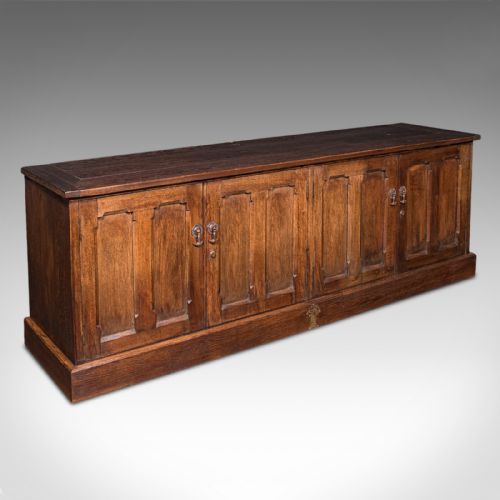

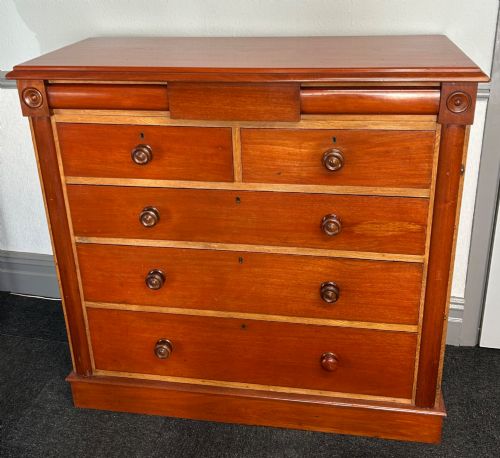


Victorian Oak Dresser Base
A victorian oak dresser base is a sturdy kitchen or dining timber sideboard offering deep drawers and often a lower shelf for heavy plates.
What a victorian oak dresser base is
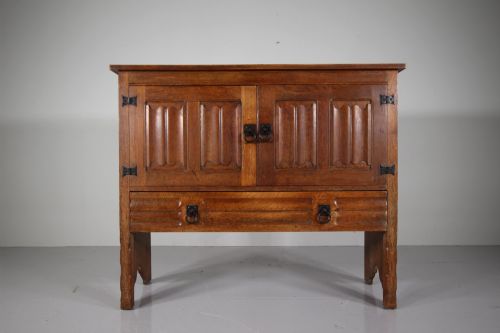
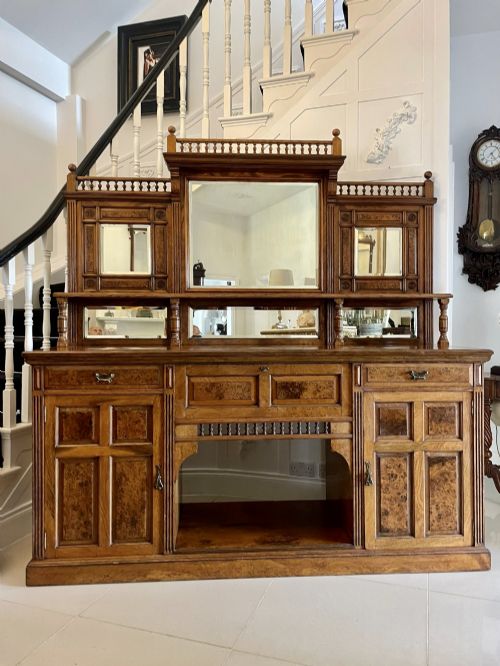
When you search for a victorian oak dresser base, you encounter sturdy timber storage furniture built for English and Scottish country houses during the nineteenth century. These pieces function primarily as sideboards, serving tables, or low cabinets, providing practical surface space alongside drawer and cupboard storage.
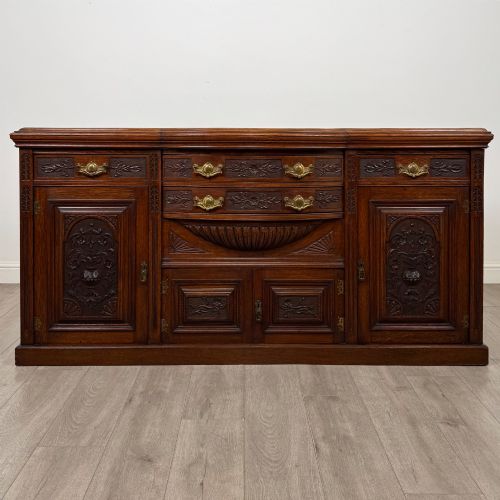
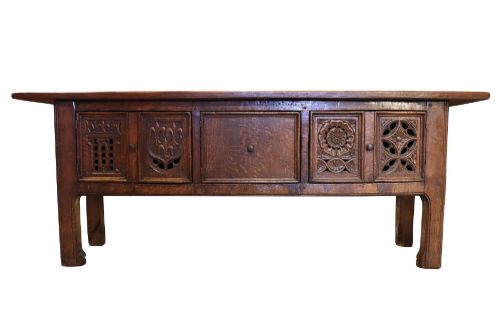
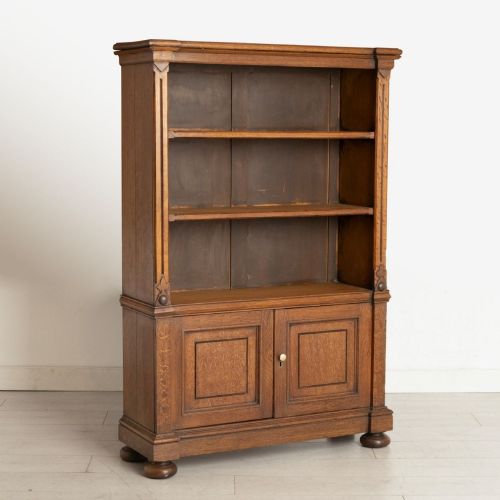
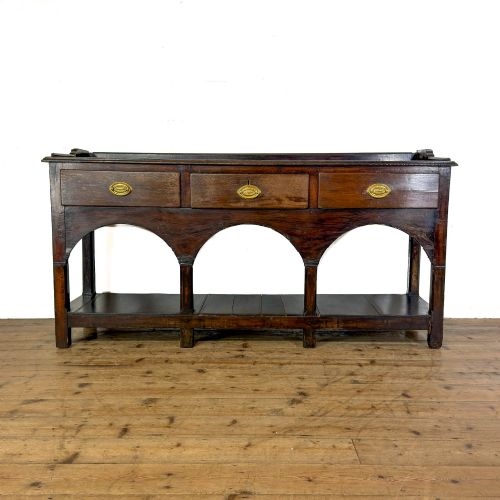
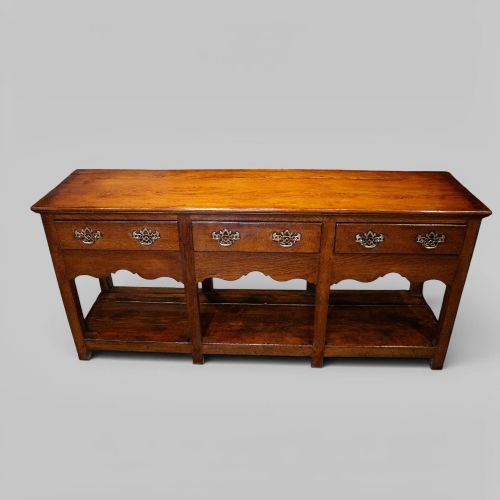
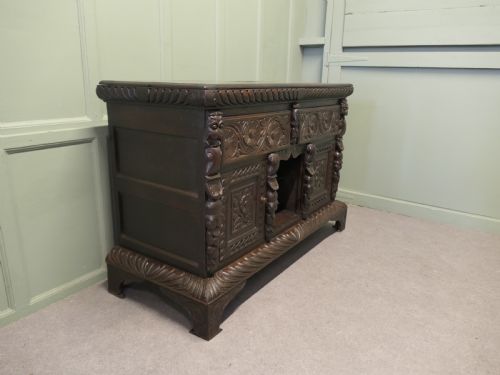
The versions most common on this page date from the Victorian period, spanning styles from plain country joinery to heavy Gothic Revival and Arts and Crafts influences. You will frequently find examples featuring pot boards, geometric mouldings, and carved panels executed in solid timber.
Originating in domestic settings like country kitchens and dining rooms, these furniture items balance utility with decorative carving. Their robust construction suits modern living spaces where substantial wooden sideboards serve as media units or dining room servers.
What varies in quality
The distinction between standard utility furniture and superior craftsmanship lies in the depth and crispness of the hand carving, particularly on geometric panels and cupboard doors. Finer pieces demonstrate careful timber selection with matching grain across drawers and facades.
Proportion and scale also define the hierarchy, with narrow proportions or larger, substantial buffet formats commanding greater visual presence. Original hardware, intact pot boards, and integrated structural elements elevate the overall integrity of the piece.
Retail Price Guide 2026
Typical UK retail prices for victorian oak dresser base, calculated from the Sellingantiques database of over a million retail prices indexed since 2003. This retail price guide relies exclusively on Sellingantiques data; no external sources or auction records are used, so the figures do not describe the wider market.
Listings feature oak as the primary material, alongside brass, glass, and iron hardware across various nineteenth century styles.
The Victorian Oak Dresser Base Glossary
- Pot board
- A lower open shelf positioned near the floor, traditionally used for storing pots, pans, and heavy serving platters.
- Dresser base
- The lower section of a kitchen or dining dresser, comprising drawers and cupboards without the upper plate rack.
- Gothic Revival
- A nineteenth century decorative style drawing inspiration from medieval architecture, featuring pointed arches, tracery, and heavy carving.
- Court cupboard
- A short, enclosed cabinet or sideboard featuring recessed upper sections supported by carved posts or columns.
- Geometric moulding
- Raised wooden decoration applied in repeating geometric patterns, often seen on seventeenth century revival drawer fronts.
Frequently Asked Questions
What is a dresser base?
A dresser base is a low wooden sideboard equipped with drawers and cupboards, originally designed for food preparation and storage in country houses.
Unlike tall dressers, these items omit the upper plate rack entirely, leaving a flat top surface suitable for serving food or displaying objects.
How do I date a Victorian dresser base?
Dating relies on observing stylistic markers such as Gothic Revival carving, Jacobean geometric mouldings, or simpler country joinery techniques.
Construction details, timber patination, and secondary woods inside the drawers also help confirm nineteenth century manufacture.
Where were dresser bases used?
These sturdy pieces originated primarily in country kitchens, sculleries, and dining rooms where heavy storage and preparation space were required.
Today, buyers place them in modern kitchens, hallways, and living rooms as sideboards, servers, or media stands.
What is a pot board base?
A pot board base includes an open lower shelf running close to the floor between the legs of the cabinet.
This shelf provided practical storage for heavy kitchen pottery and large metal cooking vessels in nineteenth century domestic environments.