




Victorian Oak Chest Drawers
When you examine a victorian oak chest drawers, you encounter sturdy timber storage built to last generations.
Victorian Oak Chest Drawers
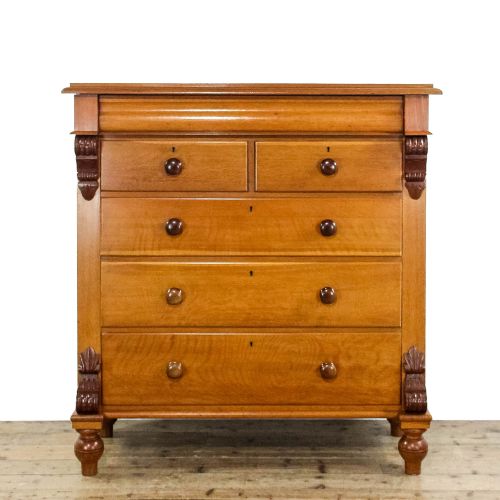
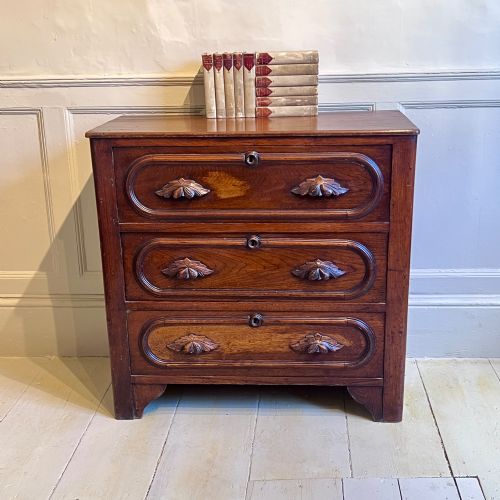
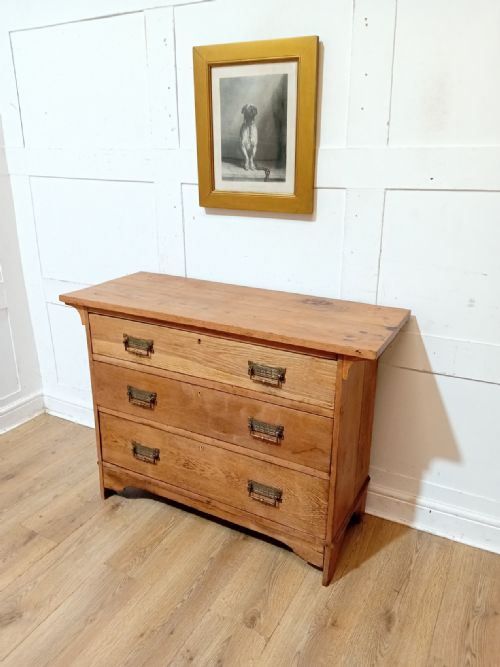
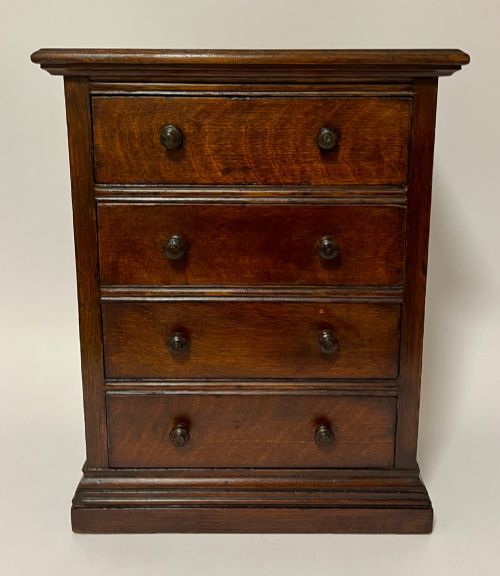
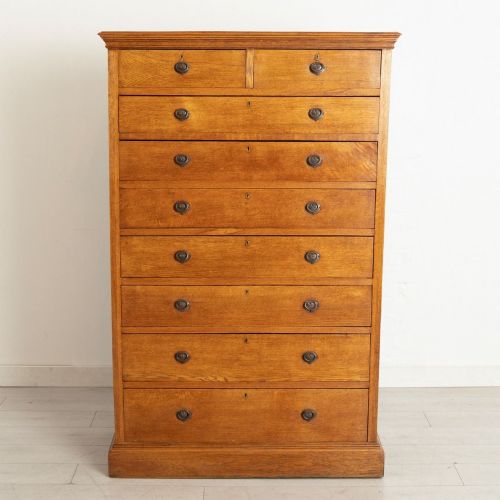
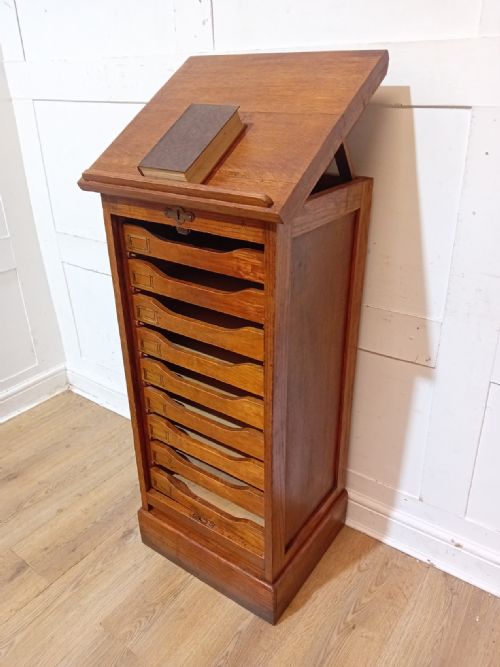
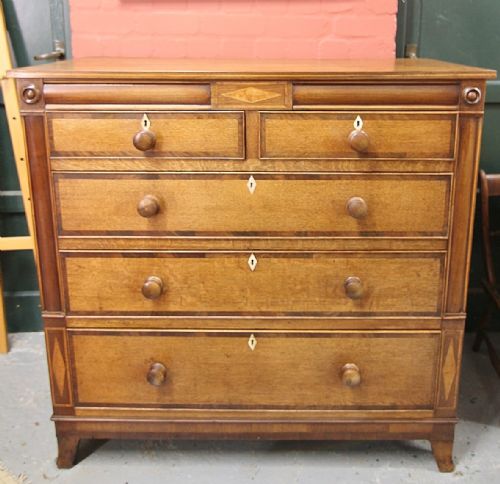
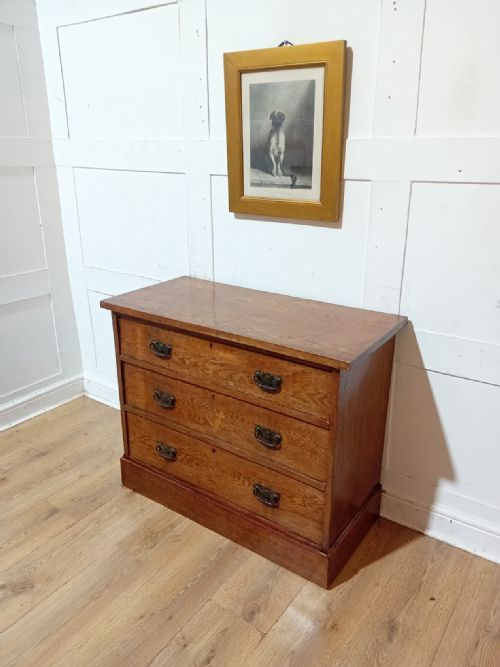
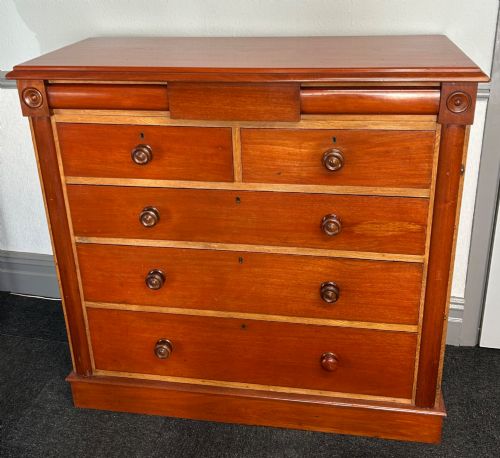
A victorian oak chest drawers brings functional domestic storage into a room, typically taking the form of a straight front or Wellington carcass with multiple graduated drawers. Pieces range from full-sized bedroom furniture down to miniature tabletop examples, alongside related variants like linen presses and collectors cabinets.
The aesthetic leans into the solid vernacular of the nineteenth century, sometimes incorporating Arts and Crafts linearity or Gothic Revival carving details. Makers utilised oak in various tones, from pale blonde finishes to deeper pollard or figured grains, occasionally pairing the timber with mahogany or pine.
How They Were Made
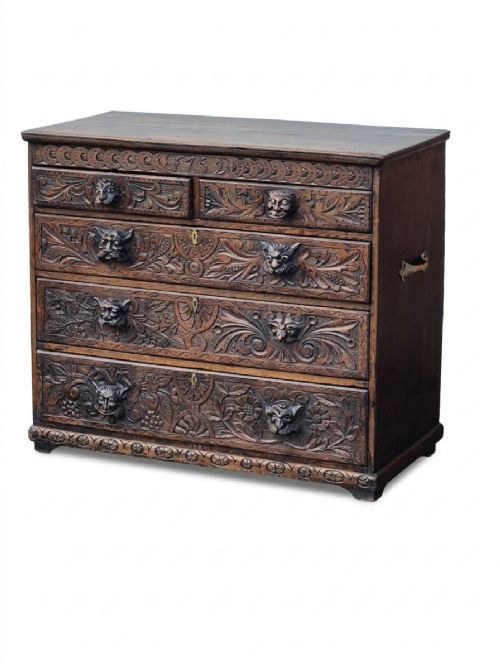
Carpenters constructed these chests using solid oak, frequently augmented with secondary woods like pine for internal drawer linings and carcass backs. Dovetail joints secured the drawer construction, while applied mouldings, linenfold panels, and hand-carved foliage or grotesque masks provided decorative detail.
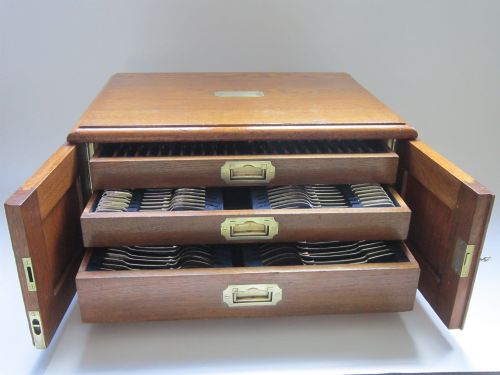
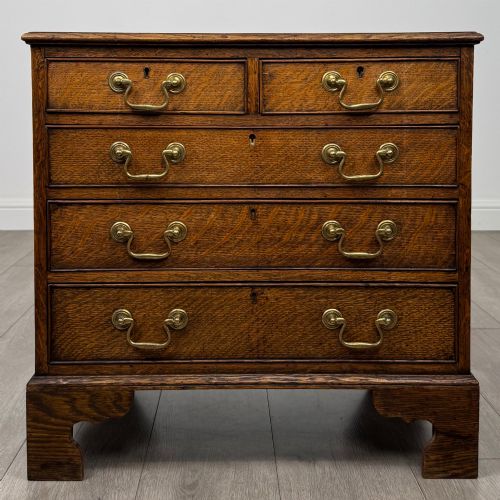
Hardware played an essential functional and aesthetic role, incorporating brass handles, drop pulls, and iron locking mechanisms. Selected models utilised specialised locking bars, secret drawers, or internal partitioning suited to collectors or military campaigners.
Some Victorian drawers conceal secret compartments behind false panels, ready to guard small treasures.
What Varies in Quality
The grade of timber dictates much of the initial distinction, moving from utilitarian plain oak to highly figured burr oak, pollard oak, or golden oak veneers. Superior examples display careful grain matching across the drawer fronts and well-executed secondary detailing such as parquetry or subtle inlay.
Structural integrity and original hardware elevate certain pieces above standard utility furniture. Smooth drawer runners, intact locking mechanisms with working keys, and original brass fittings demonstrate superior workshop standards from the period.
Wright & Hunter of Belfast·Harris Lebus of London·Maple & Co
The Victorian Oak Chest Drawers Glossary
- Wellington chest
- A tall, narrow chest of drawers secured by a hinged locking stile on one side that fastens with a key. This locking mechanism keeps all internal drawers safely secured simultaneously.
- Linen press
- A tall cupboard featuring upper doors enclosing sliding trays or shelves, positioned above a chest of base drawers. These units originally stored household linens flat.
- Secret drawer
- A concealed compartment built into the carcass, often hidden behind a removable plinth, frieze drawer, or false backing. Cabinetmakers added these secure spaces for valuables.
- Apprentice piece
- A small-scale model or miniature chest created by a craftsman to demonstrate skill and secure trade certification. These items display the exact joinery techniques found on full-sized furniture.
- Arts and Crafts
- A design movement favouring honest construction, simple geometric lines, and visible craftsmanship over mass-produced ornamentation. Pieces in this style often highlight the natural grain of the oak timber.
Victorian Oak Chest Drawers: Frequently Asked Questions
Where should I place a oak chest?
These chests suit bedrooms, hallways, or living spaces where solid timber storage adds architectural presence. Their sturdy proportions allow them to anchor a room while providing deep drawer capacity.
Keep wooden furniture away from direct heat sources and strong sunlight to protect the finish and prevent the oak panels from drying out over time.
How do I maintain the oak finish?
Dust the surfaces regularly with a soft, dry cloth to prevent particulate buildup in the grain and carvings. Occasional application of quality beeswax feeds the timber and maintains a soft lustre.
Avoid liquid polishes containing silicones, which can penetrate the pores of antique oak and create a sticky residue that attracts dust.
What is a Wellington chest?
A Wellington chest is a tall, narrow form featuring multiple graduated drawers locked in place by a hinged vertical locking bar on the right side. This design originated to secure valuable papers or garments efficiently.
The locking bar typically fastens with a small key, covering the edge of every drawer simultaneously when closed.
How do I spot an apprentice piece?
Apprentice pieces are miniature chests built with the same sophisticated dovetail joinery and timber selection as full-scale furniture. They served as test pieces for woodworkers demonstrating their mastery to a guild.
Their smaller dimensions make them versatile display items that retain all the authentic construction details of standard Victorian chests.