





Victorian Oak Book Stand
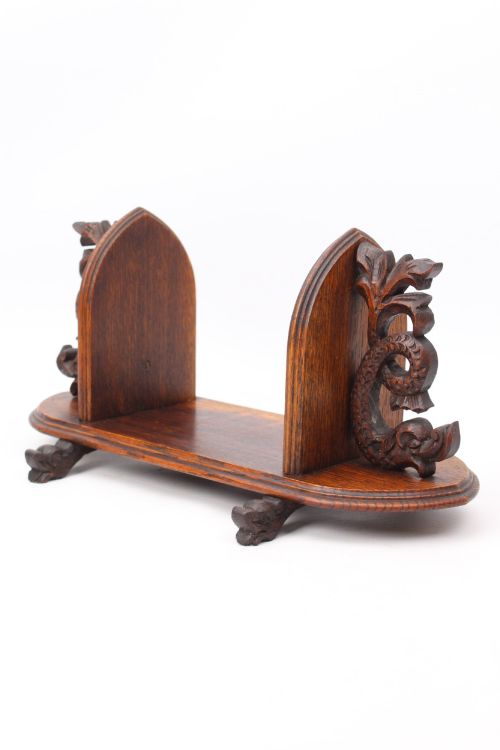
A victorian oak book stand brings sturdy timber and practical reading support into a study, library or church interior.
Victorian Oak Book Stand
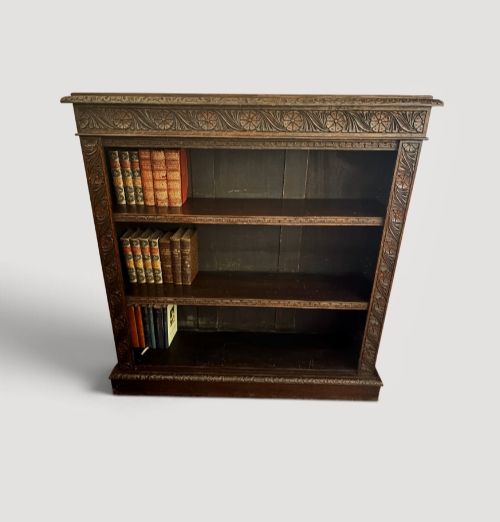
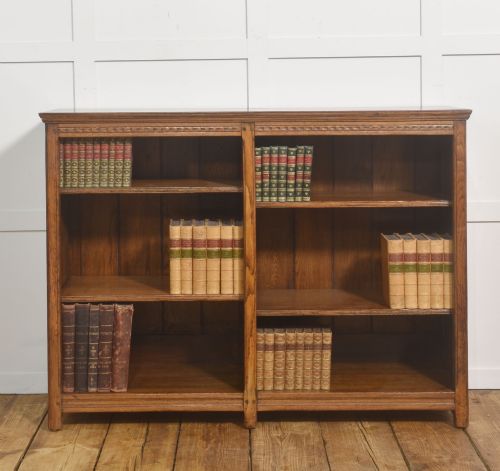
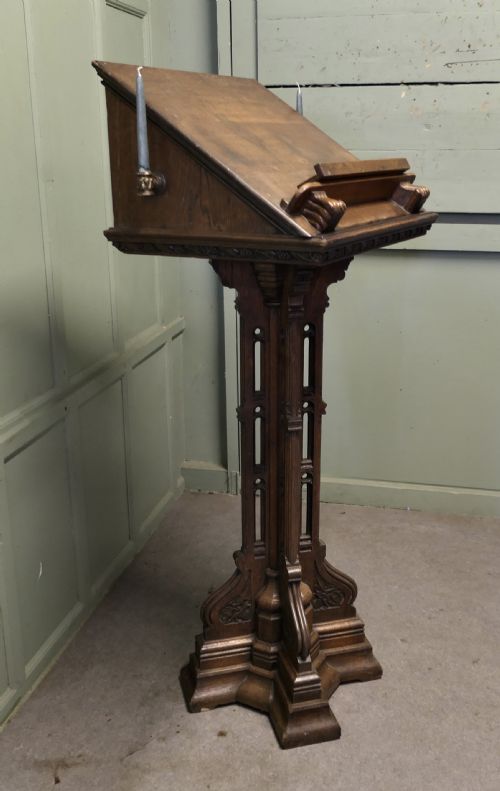
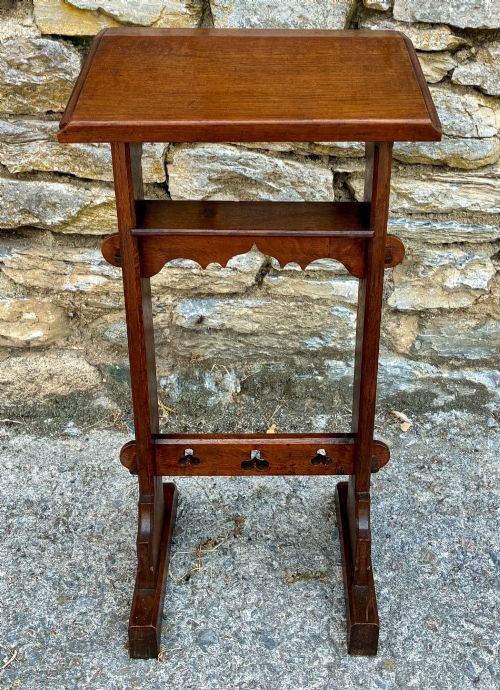
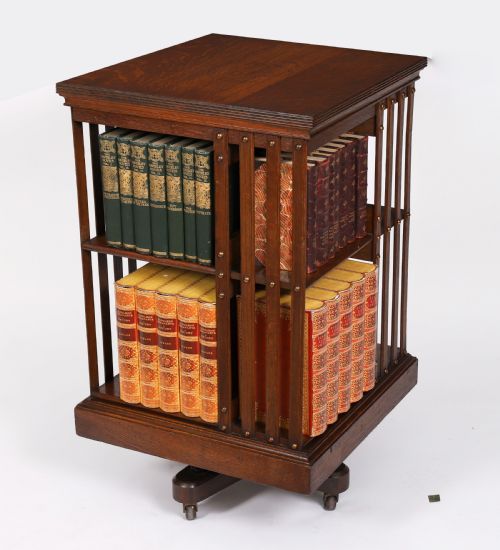
A victorian oak book stand encompasses various formats designed for holding volumes, ranging from revolving desk models and church lecterns to floor-standing open bookcases and reading desks.
Pieces from this selection stretch across the nineteenth century and into the early decades of the twentieth century, absorbing Edwardian influences alongside strict Victorian aesthetics.
The domestic and ecclesiastical forms appear frequently, utilising solid timber or structural combinations of oak with cast iron and brass to support heavy texts.
Materials and Construction
Makers utilised solid oak, golden oak, and pollard oak, sometimes pairing the timber with elm, brass hinges, and heavy cast-iron mechanisms for adjustable reading surfaces.
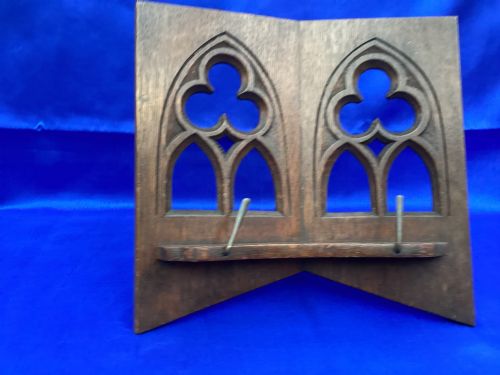
Joinery techniques display carved ornamentation, fret-cut detailing, and architectural panels associated with Gothic Revival and Arts and Crafts movements.
Revolving mechanisms, sliding extensions, and folding lectern frames rely on robust interior engineering to bear the weight of large books safely.
Carved wooden eagles spread their wings across heavy church lecterns to support the weight of Sunday service texts.
Distinction in Craft
Quality reveals itself in the depth of the hand-carving, the crispness of fret-cut patterns, and the selection of figured timber grain across prominent surfaces.
Mechanical elements such as revolving spindle bases and adjustable brass or iron brackets separate basic utility items from superior workshop productions.
Structural integrity depends on the retention of original joints and stable timber movement over time, particularly in pieces subjected to frequent adjustment.
Carters Of London·Leonard Wyburd For Liberty And Co
The Victorian Oak Book Stand Glossary
- Lectern
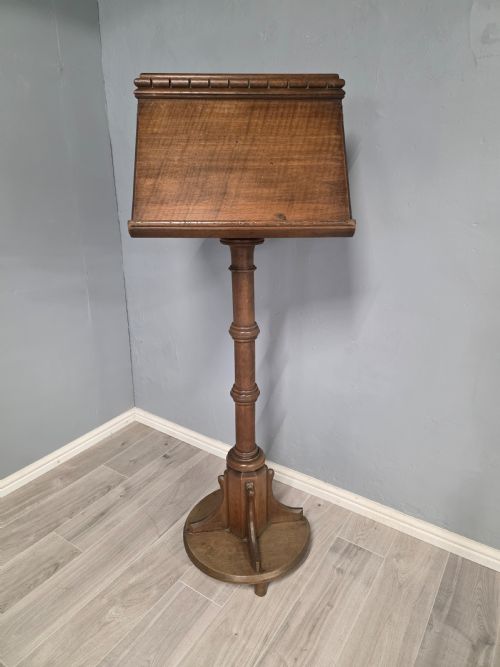
- A stand with a sloping surface used to hold a book for reading aloud, often seen in church or library settings. These items frequently incorporate carved eagles or Gothic architectural motifs.
- Revolving bookcase
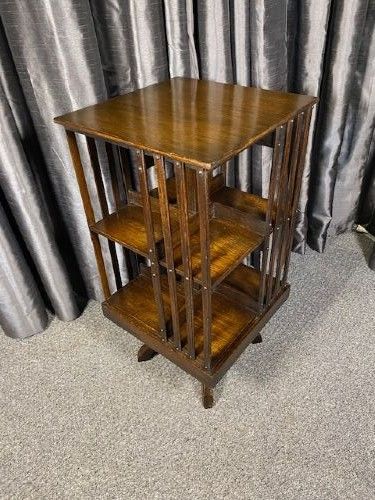
- A freestanding tiered stand designed to rotate on a central spindle for easy access to volumes. This form appears in circular and square formats.
- Gothic Revival
- An architectural and decorative style drawing on medieval forms, featuring pointed arches, tracery, and heavy carved details. This aesthetic dominates much of the ecclesiastical woodwork.
- Book press
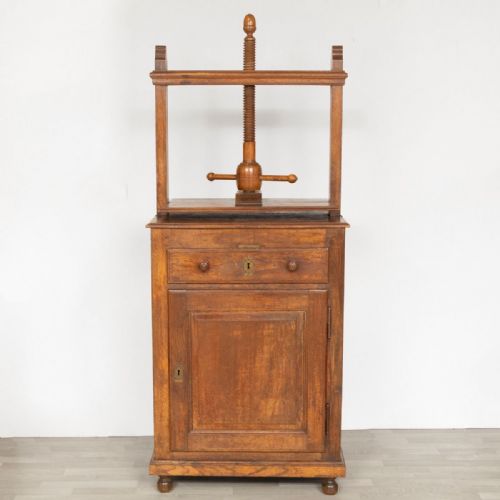
- A heavy mechanical device utilising a screw mechanism to flatten or bind paper, frequently constructed in solid timber. Examples include dedicated tabletop models and specialised press tables.
- Arts and Crafts
- A design movement emphasising honest construction, visible joinery, and natural materials without excessive ornamentation. Pieces from this tradition prioritize plain utility and simple form.
Victorian Oak Book Stand: Frequently Asked Questions
How do I identify a Victorian piece?
Look for dense oak timbers, traditional hand-cut joinery, and characteristic design markers such as Gothic Revival tracery or heavy carved decoration.
Secondary woods, patination, and hardware like brass screws or cast-iron brackets also point toward nineteenth-century manufacturing methods.
Where were these stands used?
These items served functional roles in home libraries, private studies, offices, and ecclesiastical buildings.
Church lecterns accommodated large Bibles, while revolving stands and open bookcases kept reference volumes close to hand in domestic interiors.
How do adjustable mechanisms work?
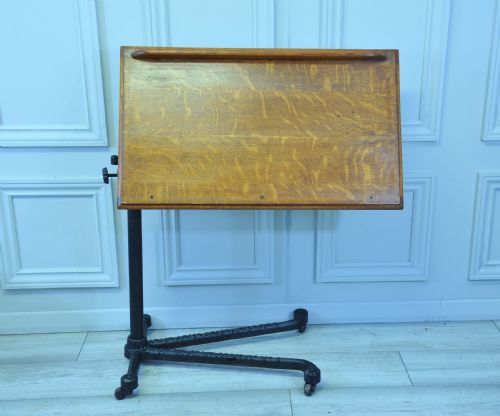
Many reading stands and tables utilise metal ratchets, screw pillars, or weighted counterweights concealed within the timber framework.
These mechanical parts allow the reading surface or shelf angle to tilt and lock securely at various heights.
Are revolving bookcases stable?
Solid oak revolving models rely on a weighted cruciform or circular base fitted with internal ball bearings or wooden spindles to maintain balance.
When loaded evenly with books, they turn smoothly without tipping during daily use.