

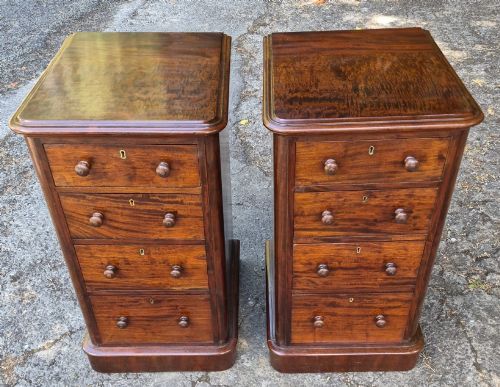
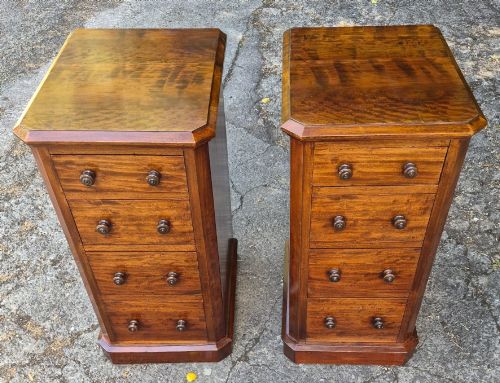
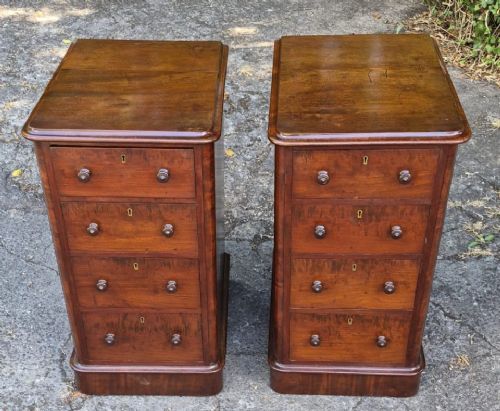
Victorian Nightstand
A victorian nightstand is a compact bedside companion offering practical storage in mahogany, walnut, or pine.
Victorian Nightstand
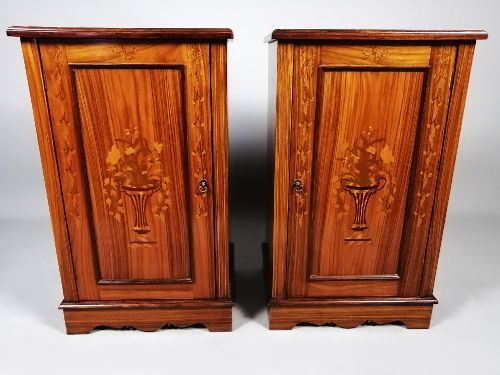
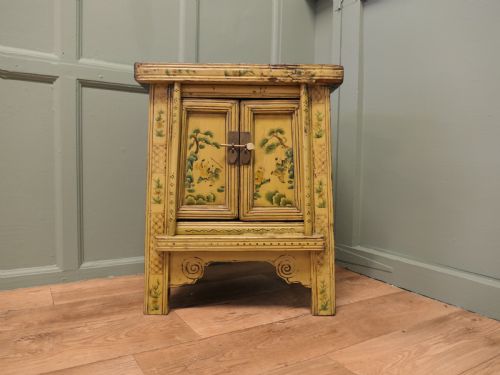
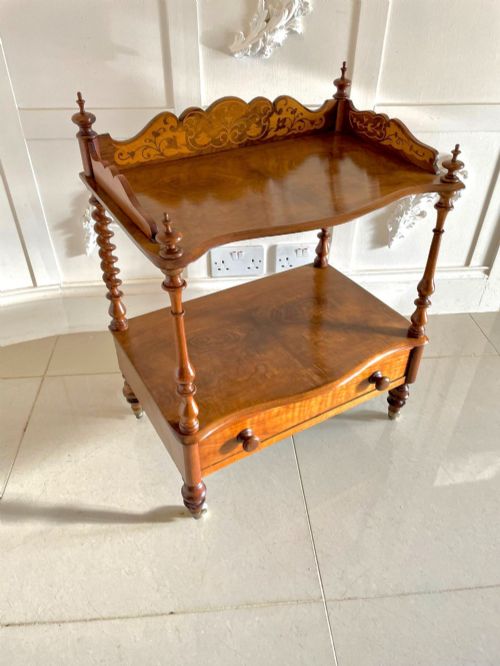
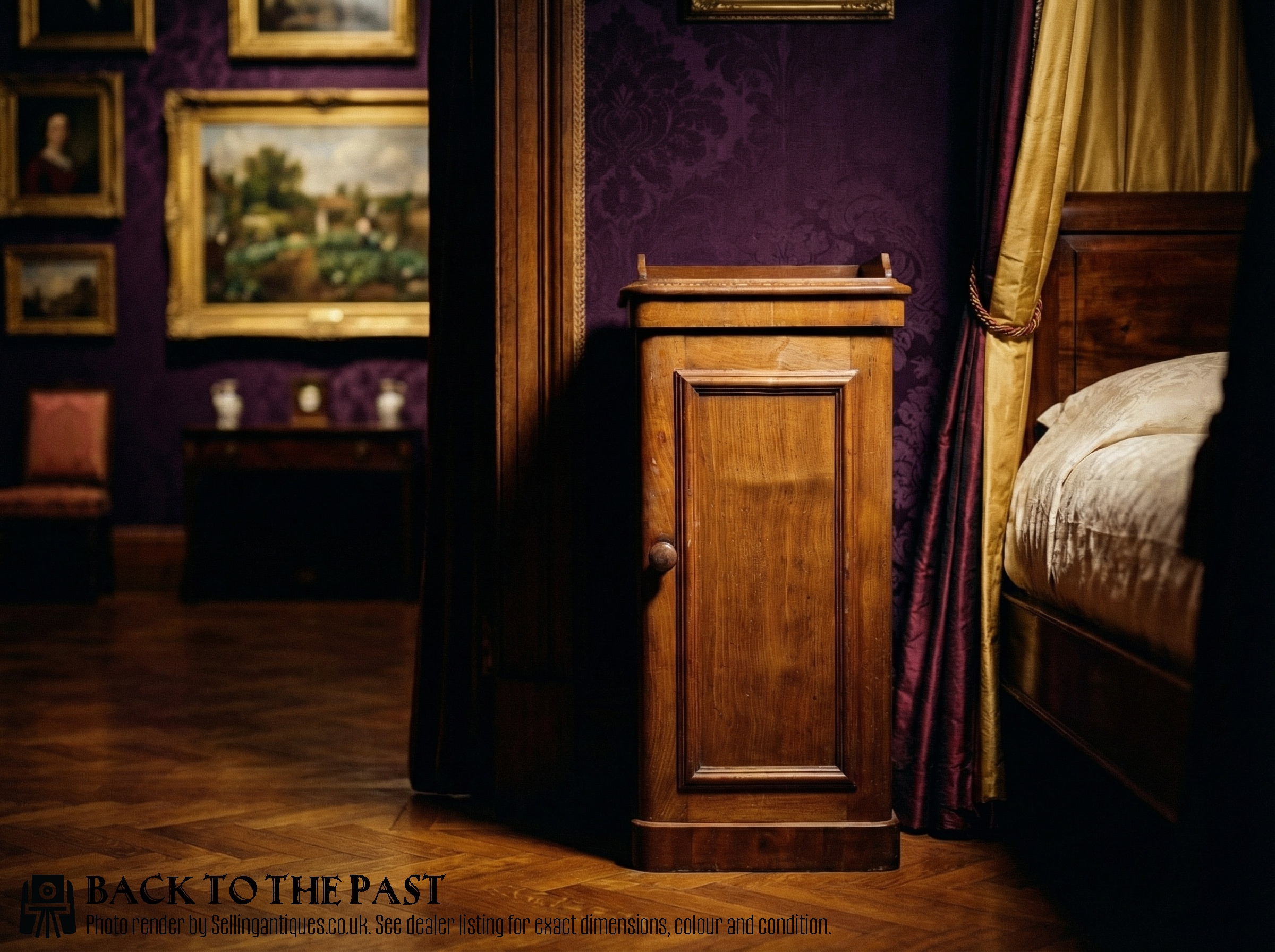
A victorian nightstand serves as a bedside storage piece, appearing in forms such as cupboards, pot cupboards, and small chests of drawers. These items date from the nineteenth century, encompassing standard Victorian production alongside revival styles like Gothic and Louis XV.
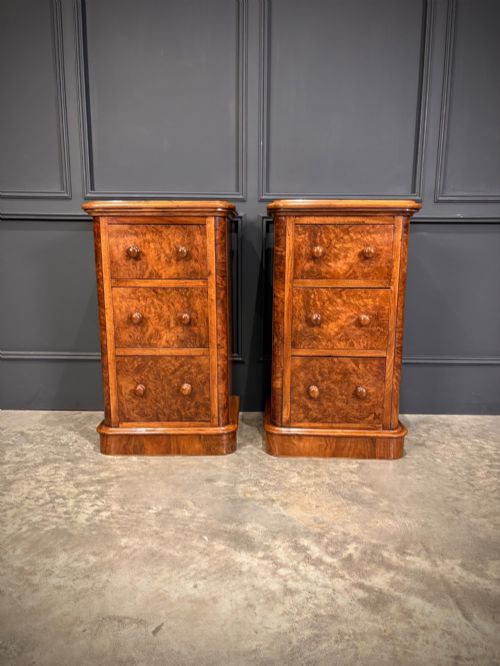
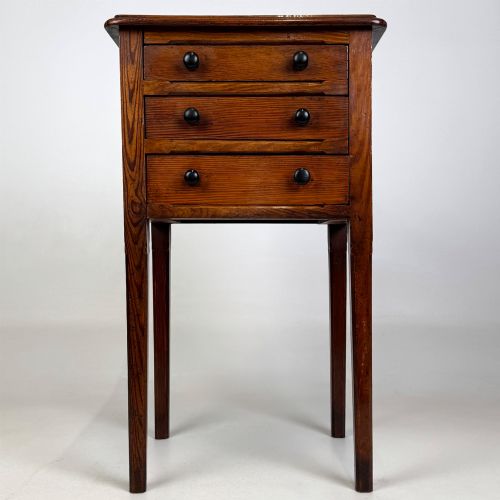
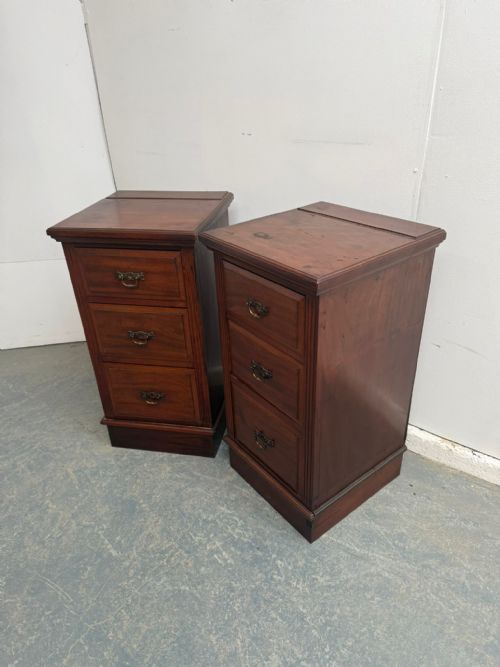
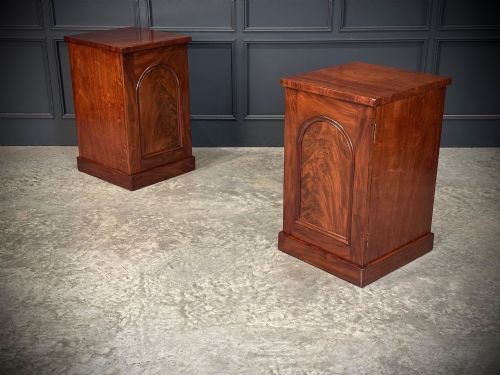
Mahogany and walnut dominate the offerings, often shaped into bedside chests with multiple drawers or single-door cabinets designed to hold chamber pots or personal items. Buyers frequently encounter pairs of matching chests alongside individual occasional tables adapted for bedroom use.
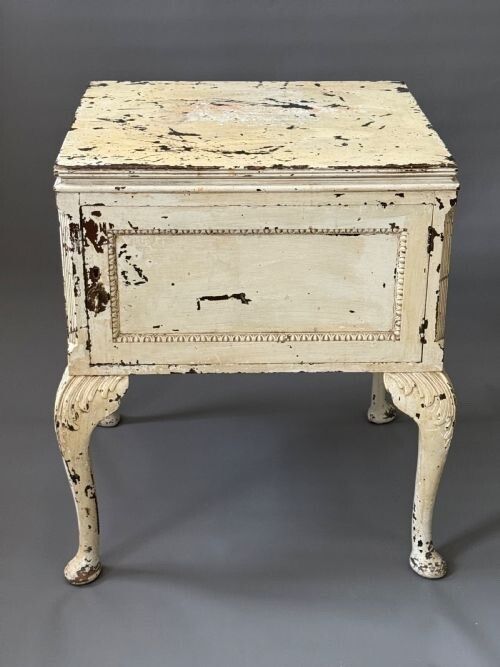
Origins span English workshops and regional cabinetmakers, utilising native and imported timbers shaped during distinct decades from eighteen fifty to eighteen ninety. The forms range from simple pine cupboards to finely figured flame mahogany and burr walnut constructions.
How they were made
Carpenters utilised solid timbers like oak, pine, and ash for internal framing and structural elements, applying figured veneers of mahogany, walnut, and burr walnut to visible exterior surfaces. Dovetail joints secure the drawer construction, while turned legs or plinth bases support the main body.
Surfaces received wax, polish, or paint finishes, occasionally incorporating inlaid decorative banding, brass hardware, or marble tops for enhanced durability. Pot cupboards incorporated internal shelving and panelled doors hinged with brass fittings.
Victorian Nightstand Retail Price Guide 2026
Typical asking prices for victorian nightstand among the pieces listed under this phrase on Sellingantiques today, from the lower quarter to the upper quarter. They describe what is for sale here now, not the wider market.
Listings feature woods including mahogany, walnut, burr walnut, oak, pine, ash, and satinwood across the nineteenth century.
What varies in quality
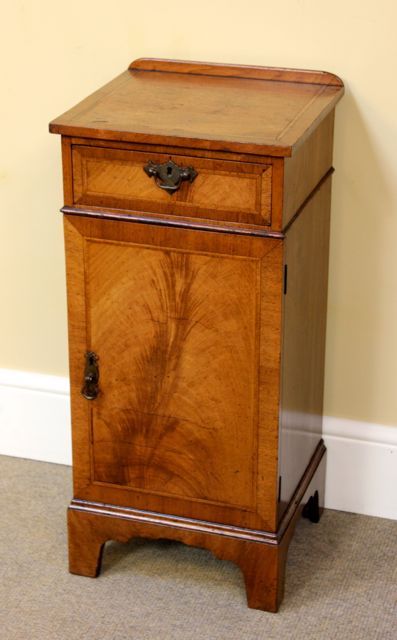
The selection of timber grain dictates visual appeal, with matched flame mahogany and burr walnut veneers representing superior cabinetmaking compared to plain pine or secondary woods. Intricate detailing such as parquetry inlay, hand painting, and carved mouldings separate standard utility pieces from high-status furniture.
Structural integrity depends on original joinery and minimal adaptation over time, distinguishing untouched historical pieces from those altered or assembled from separate components. The quality of drawer linings, backboards, and marble slabs further defines the standard of craftsmanship.
Warings Liverpool·Gillow and Co
The Victorian Nightstand Glossary
- Pot cupboard
- A small bedside cabinet originally designed to enclose a chamber pot behind a single door. These pieces often feature an internal shelf and an upstand to protect the wall.
- Burr walnut
- A prized wood harvested from the wart growths of walnut trees, yielding highly figured and swirling grain patterns. Cabinetmakers applied this veneer to drawer fronts and tabletops.
- Flame mahogany
- Timber cut from the fork of a mahogany tree to produce a distinctive flickering, flame-like grain pattern. It appears on premium nineteenth-century furniture facades.
- Upstand
- A vertical wooden panel rising above the back or sides of a cabinet top to prevent items from falling off. This feature is common on nineteenth-century bedroom furniture.
- Parquetry
- Geometric mosaic woodwork arranged in patterns resembling brickwork or tiling. Artisans used contrasting timbers to create decorative surfaces on tabletops.
Victorian Nightstand: Frequently Asked Questions
What is a victorian nightstand used for?
These pieces provide bedside storage for personal items, books, and lighting within a compact footprint.
Historically, enclosed cupboards often concealed chamber pots, while drawer models held small nighttime necessities.
How do I identify a nineteenth-century piece?
Examine the construction methods, timber choices, and hardware signatures typical of the period from eighteen fifty to eighteen ninety.
Hand-cut dovetail joints, cedar or pine secondary woods, and traditional wax finishes generally indicate authentic nineteenth-century manufacture.
Are bedside chests usually found in pairs?
Many surviving cabinets and chests were originally manufactured as matching pairs to flank a double bed.
Single pieces also appear frequently, reflecting different bedroom layouts and surviving utility arrangements from the era.
What woods were used for these cabinets?
Mahogany and walnut represent the predominant surface materials, appearing in solid form or as decorative veneers.
Pine and oak served for structural framing, interior elements, and simpler utilitarian bedroom pieces.