


Victorian Neoclassical Sculpture
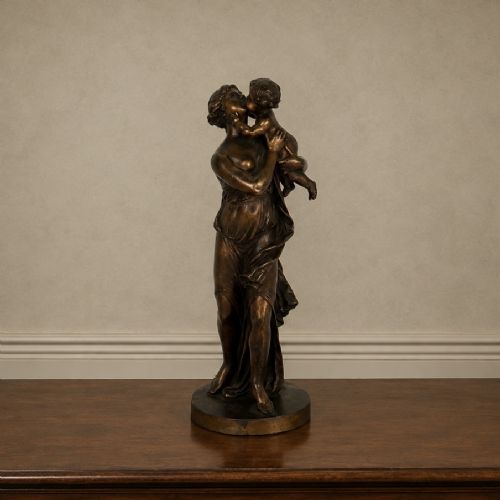
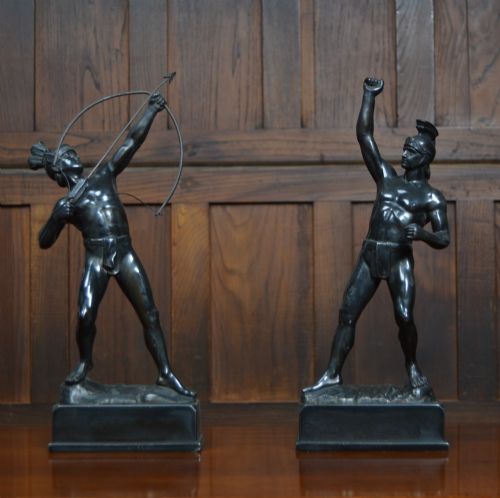
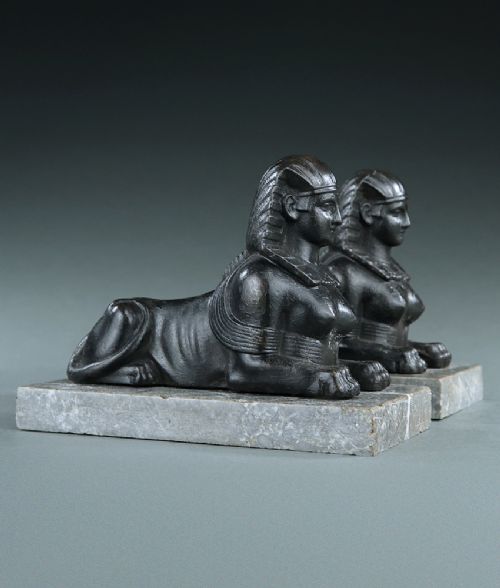
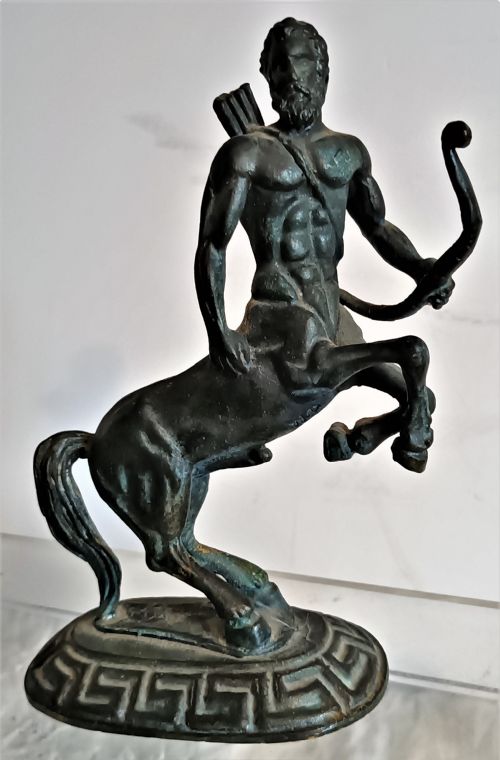
These pieces of victorian neoclassical sculpture bring classical myth and antique form into a room.
Victorian Neoclassical Sculpture
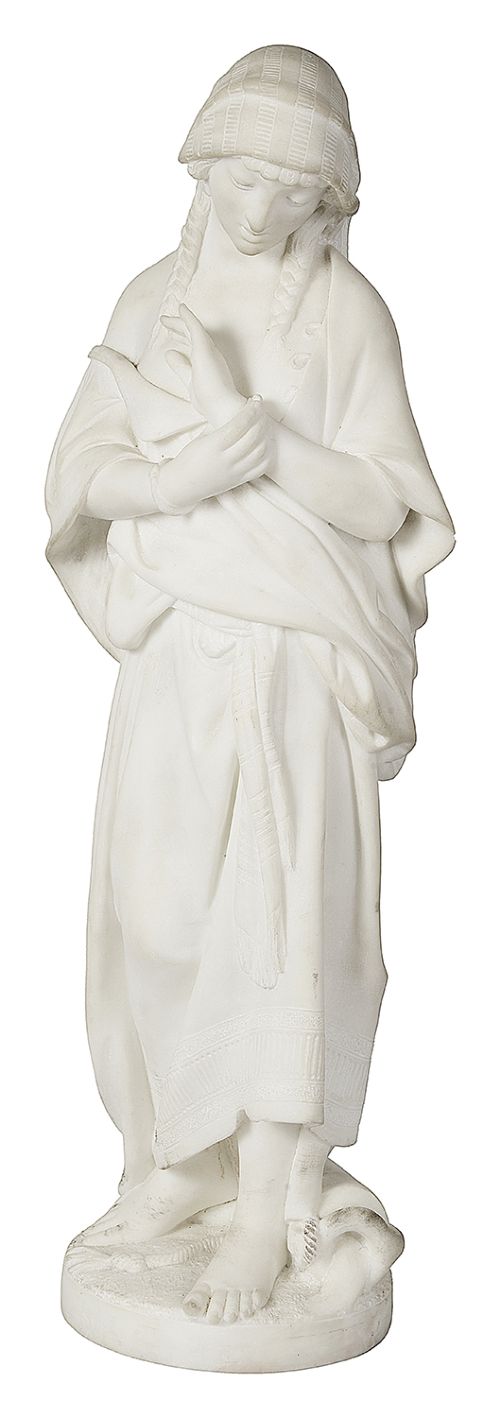
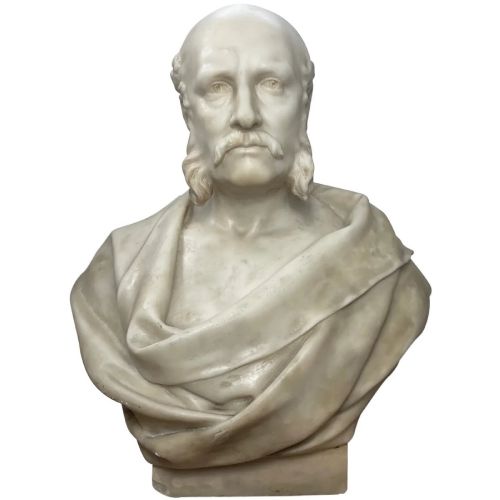
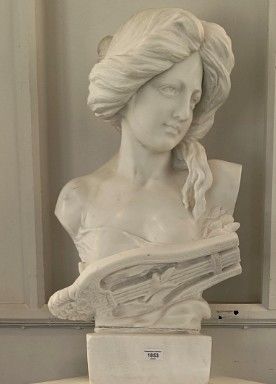
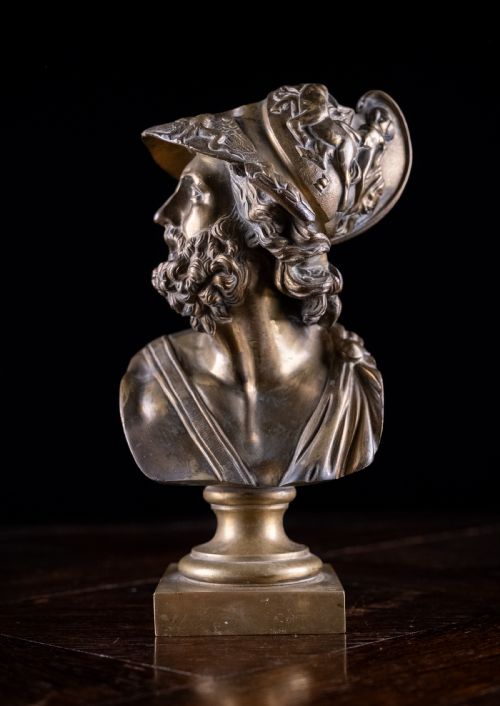
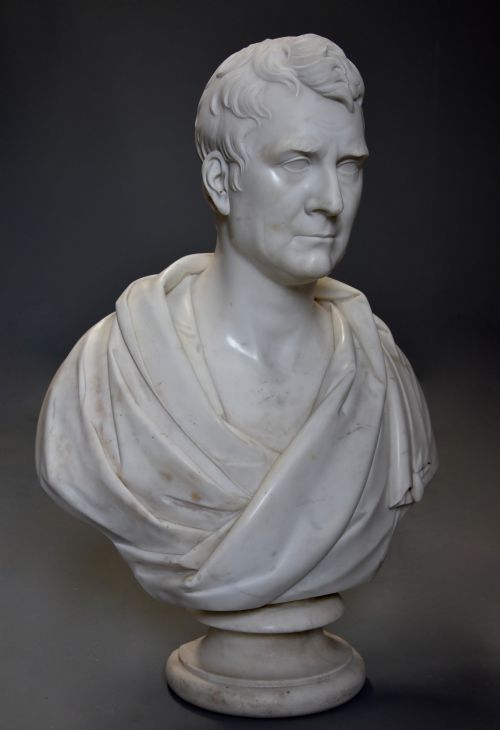
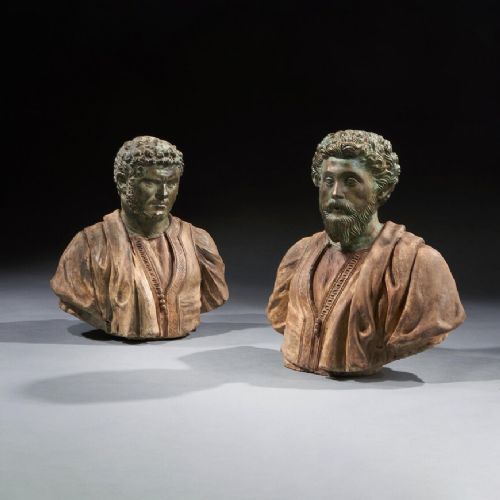
When you search for victorian neoclassical sculpture, you encounter carved marble busts, bronze figures of classical deities, and parian porcelain studies reflecting nineteenth-century revival taste.
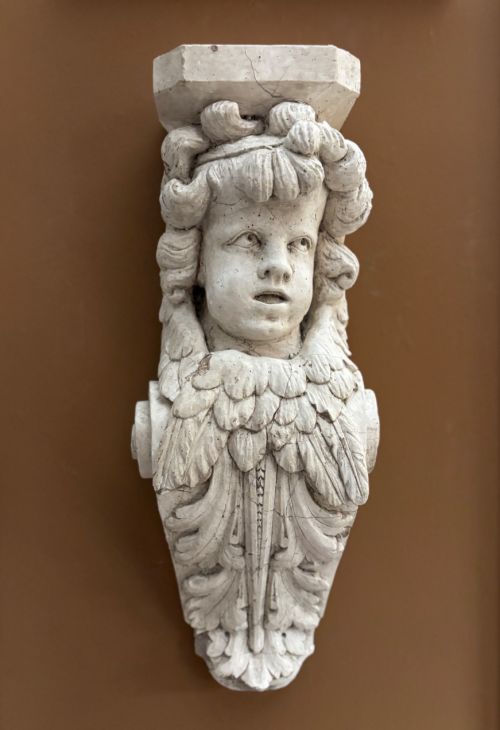
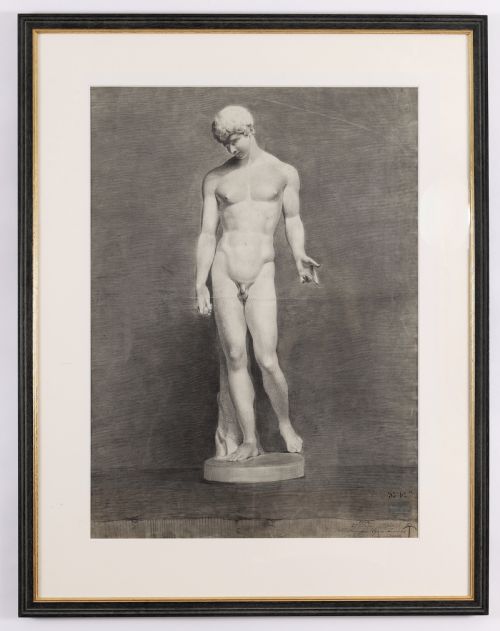
The objects on this page range from grand tour bronzes of mythological figures to marble portraits of historical personages and literary heroines.
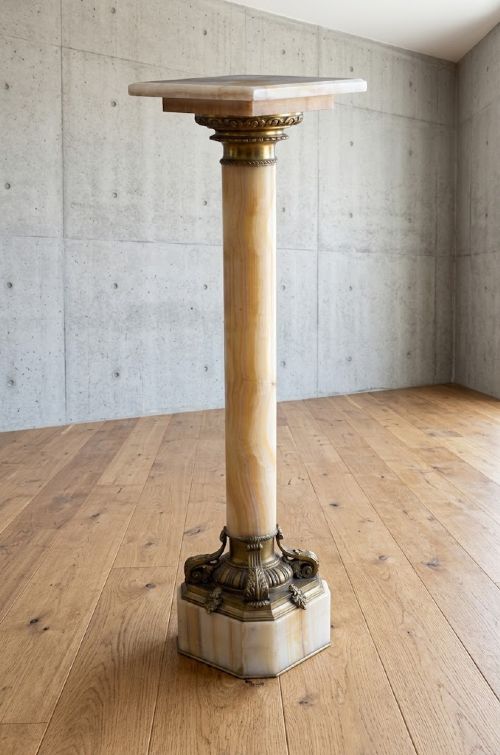
Supporting these works, the selection includes columns, pedestals, and scagliola bases designed to display the sculptural pieces properly.
Materials and Technique
The physical evidence relies heavily on carved white marble, cast bronze, and parian porcelain, alongside secondary uses of cast iron, terracotta, and painted plaster.
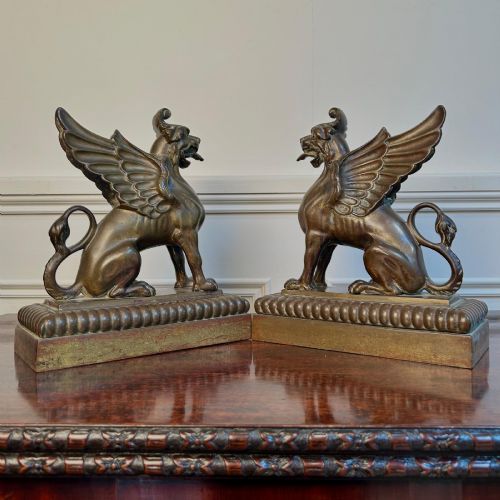
Foundry-cast bronzes capture the muscular definition of classical heroes and animals, while carved marble works achieve smooth drapery and soft facial expressions through skilled hand-chiselling.
Parian porcelain figures utilise slip-casting techniques developed in nineteenth-century factories to imitate the matte texture of carved marble.
Several nineteenth-century sculptors immortalised famous antique animals like the Canova Lions, bringing ancient museum guards into Victorian parlours.
Assessing the Work
In bronze and metalworks, the sharpness of the chasing and the richness of the patina determine the refinement of the finished figure.
Scale and material selection also define the tier of the piece, moving from small plaster or spelter items to monumental carved marble and solid bronze.
Barranti Florence·J Francis·Johann Heinrich Dannecker·Carlhian Corbiere London·Copeland·Royal Worcester·Jean-Jules Cambos·Ernst Wallace
The Victorian Neoclassical Sculpture Glossary
- Parian
- A fine-grained, unglazed porcelain developed in the nineteenth century to imitate white marble. It was widely used for small classical figures and literary busts.
- Grand Tour
- A traditional trip through Europe undertaken by upper-class young men in the eighteenth and nineteenth centuries. Travellers acquired small bronzes and marbles as souvenirs of antiquity.
- Ormolu
- Gilded bronze mounts and decorative collars applied to furniture, lamps, and pedestals. The technique involves coating base metal with a mercury-gold amalgam.
- Scagliola
- A composite material made from pigmented gypsum, glue, and crushed selenite. It mimics the appearance of precious marbles for columns and bases.
- Spelter
- An alloy of zinc and lead used as a cheaper substitute for bronze. It takes a bronze-like paint finish but lacks the weight and resonance of true metal.
Victorian Neoclassical Sculpture: Frequently Asked Questions
What is victorian neoclassical sculpture?
These works are nineteenth-century artistic representations drawing heavily on ancient Greek and Roman mythology, history, and classical architecture.
They encompass carved marble busts, bronze figures of deities, and porcelain studies produced during the Victorian era.
How were grand tour bronzes used?
Grand tour bronzes served as scholarly souvenirs for travellers returning from Italy and Greece during the nineteenth century.
Collectors displayed them on desks, mantelpieces, or specialised marble columns within domestic libraries and studies.
How do I care for marble sculptures?
Marble pieces require gentle dusting with a soft, dry cloth to prevent abrasive particles from scratching the polished stone surface.
Chemical cleaners and excessive moisture must be avoided entirely to preserve the natural porosity of the material.
How can I tell bronze from spelter?
Bronze is heavier, colder to the touch, and shows a warm metallic colour beneath worn areas of its dark patina.
Spelter is lighter, softer, and often reveals a dull grey metal beneath chipped paint or bronze-coloured finishes.