
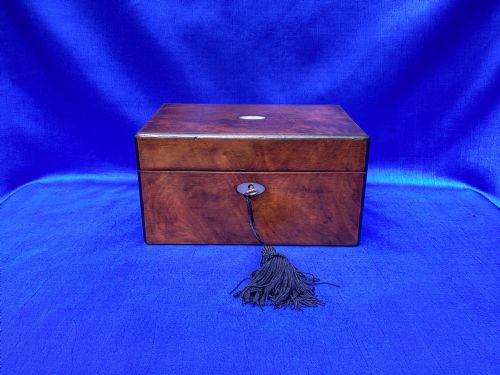


Victorian Mother of Pearl Casket
A Victorian mother of pearl casket brings iridescent sheen and nineteenth-century craftsmanship directly to your dressing table or desk.
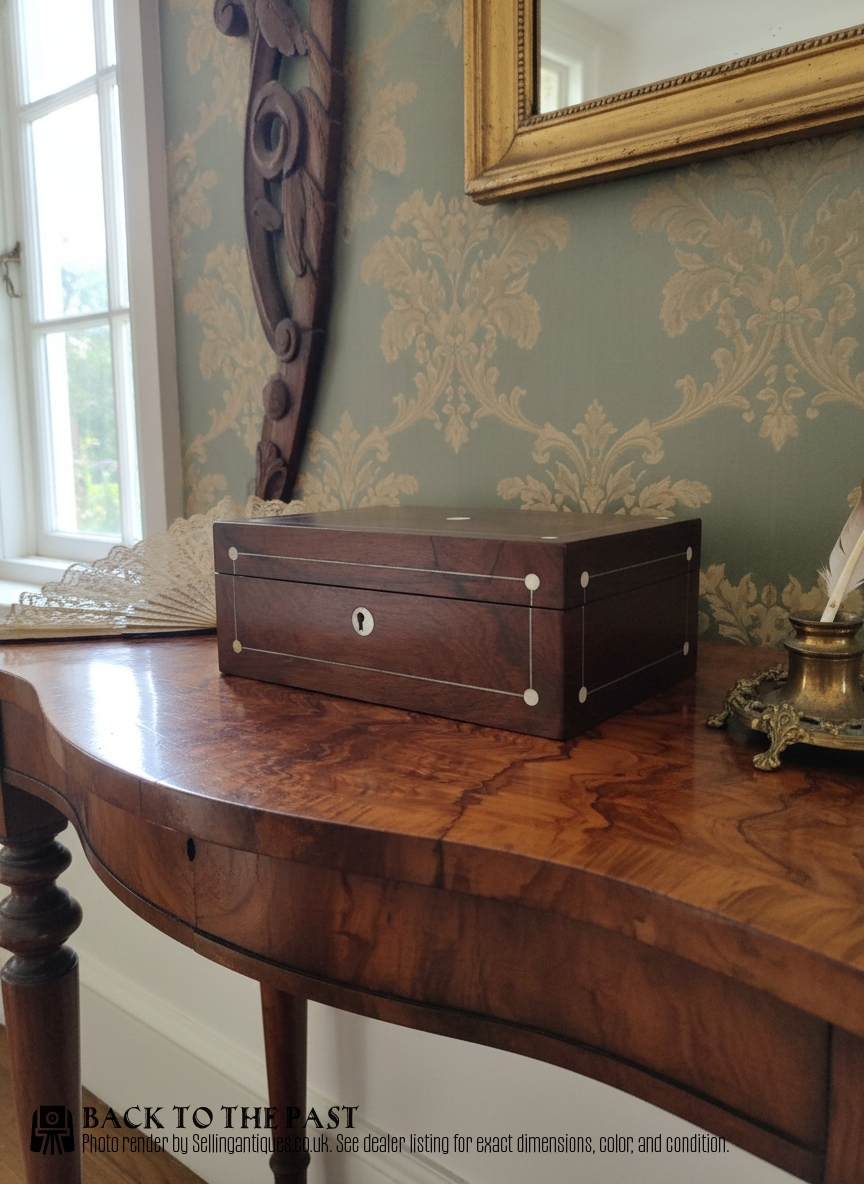
Victorian Mother of Pearl Casket
A victorian mother of pearl casket is a portable storage container designed for precious items, letter writing equipment, or needlework tools during the nineteenth century. The pieces collected under this search phrase span jewellery boxes, sewing boxes, tea caddies, and vanity boxes.
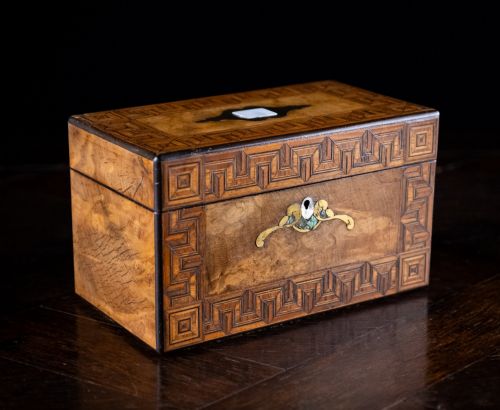
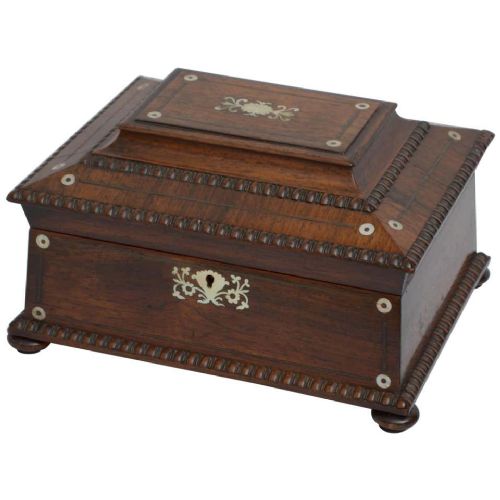
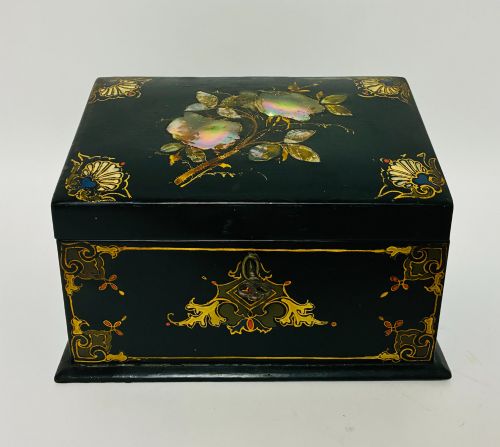
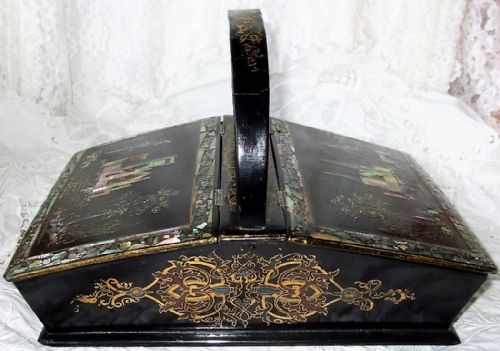
The version you are most likely to meet on this page is a wooden box formed from rosewood, walnut, or coromandel, embellished with inlaid mother-of-pearl plates. Papier-mâché and lacquer variants also appear frequently, particularly in stationary and needlework caskets.
Originating predominantly from English workshops, these items date from the early Victorian era through to the eighteen-eighties. Their functional interiors often feature fitted trays, mirrors, and velvet or silk linings designed to protect personal treasures.
Materials and construction methods
Craftsmen shaped thin nacreous shell layers into geometric or floral motifs, carefully embedding them into solid timber or papier-mâché surfaces. Brass stringing and gilt bronze mounts frequently frame these pearl inlays to accentuate the grain of rosewood, walnut, or exotic coromandel-wood.
Papier-mâché examples utilise layered paper pulp pressed into moulds, then finished with dark lacquer and hand-painted or inlaid details. Interior compartments utilise mahogany or pine secondary woods, often housing removable trays with velvet linings and fitted compartments for rings, threads, or stationery.
Some nineteenth-century needlework caskets feature secret hidden drawers that spring open only when you press a concealed wooden peg.
Assessing quality in nineteenth-century caskets
The refinement of the inlay work largely dictates the standing of a piece, with tightly fitted shell pieces demonstrating superior joinery. The choice of primary timber matters greatly, as dense exotic woods like coromandel and burr walnut command higher regard than standard hardwoods.
Originality of the interior fittings, including intact mirrors, working locks with keys, and uncompromised silk or velvet linings, elevates a casket. The intricacy of the brass stringing and the depth of the lacquer finish further separate ordinary utility boxes from exhibition-grade pieces.
The Victorian Mother of Pearl Casket Glossary
- Mother-of-pearl
- The iridescent inner layer of mollusc shells, utilised for decorative inlays on nineteenth-century boxes. It reflects light in changing tones of silver, pink, and green.
- Coromandel-wood
- A dense, heavily figured timber from Southeast Asia with dark brown and yellowish stripes. Cabinetmakers valued it for luxury dressing and vanity boxes.
- Papier-mâché
- A composite material made from paper pulp mixed with glue and resin, pressed and dried into rigid forms. It provided a smooth black base for lacquer and pearl decoration.
- Sarcophagus shaped
- A box design featuring a sloping, panelled lid resembling a stone coffin, popular for sewing boxes and tea caddies during the period.
- Stringing
- Thin inlaid lines of contrasting wood, brass, or silver set into the surface of a box to create geometric borders and frame panels.
Victorian Mother of Pearl Casket: Frequently Asked Questions
What were these caskets originally used for?
These boxes served domestic purposes such as holding jewellery, organising sewing threads and needles, or storing letters and stationery. Wealthy households relied on them to keep small personal valuables secure and tidy.
Interior compartments were specifically partitioned for different items, including rings, thimbles, and writing implements. Many doubled as portable writing desks or dressing cases for travel.
How do I care for mother of pearl?
Keep the box out of direct sunlight and away from extreme temperature fluctuations to prevent the wood from warping and loosening the inlay. Dust the surface gently with a dry, soft cloth.
Avoid using liquid cleaners, polishes, or harsh chemicals on the shell or the lacquer, as these substances damage the delicate nacreous surface and historical finishes.
Did all of these boxes come with keys?
Many boxes were manufactured with working brass locks to secure jewellery and personal letters. However, keys were frequently lost over the course of the nineteenth and twentieth centuries.
Replacement keys can sometimes be fitted by specialists, though many collectors accept these caskets with non-functioning or missing locks as part of their antique character.
Are papier-mâché caskets delicate?
Papier-mâché is surprisingly durable due to the manufacturing process of compressed pulp and lacquer coatings, but it remains susceptible to moisture and sharp impacts. The glossy finish can chip if dropped.
Gentle handling ensures the lacquer and inlaid pearl elements remain intact, making them suitable for display on stable surfaces away from high-traffic areas.