


Victorian Minton Pottery
Victorian Minton pottery brings vibrant nineteenth-century colour and modelling to any room, combining traditional earthenware with imaginative nineteenth-century design.
Victorian Minton Pottery
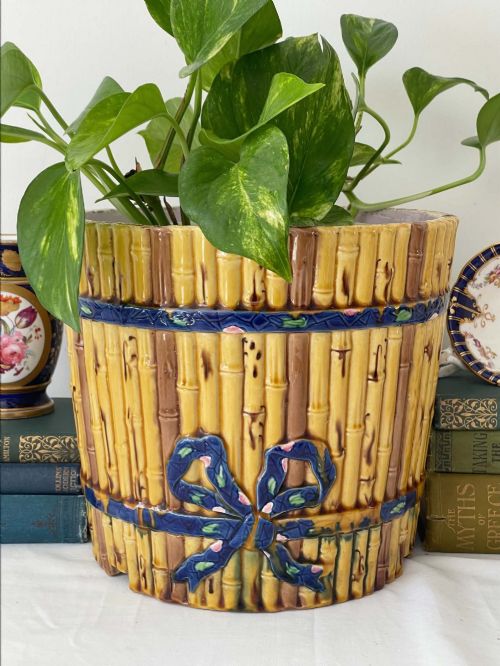
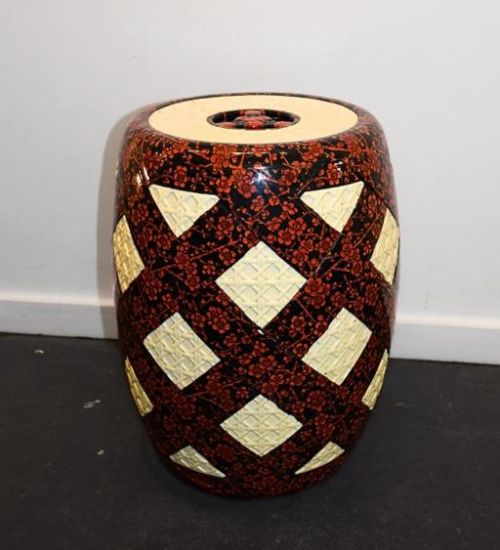
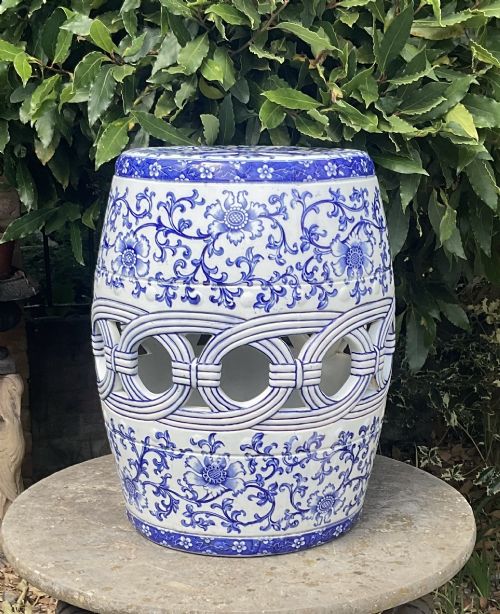
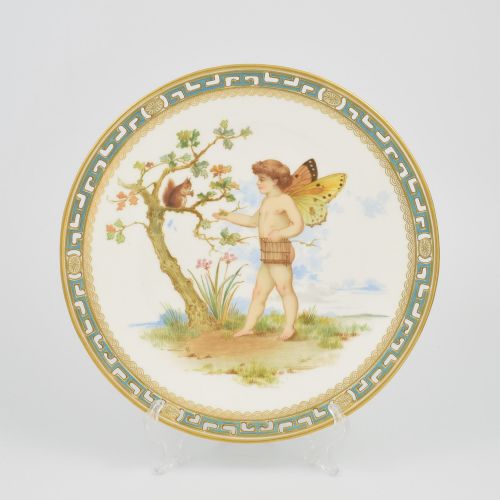
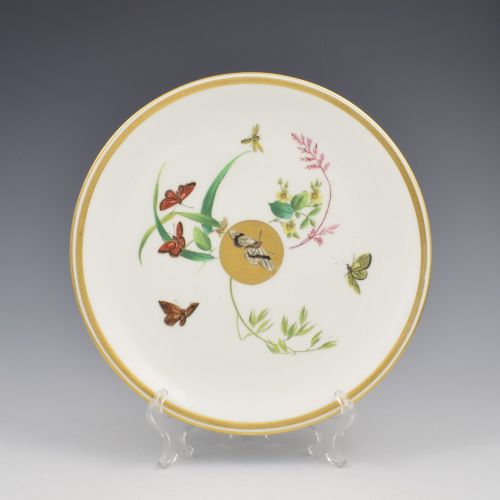
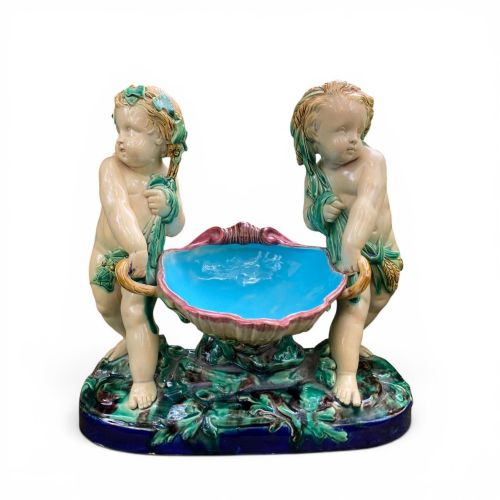
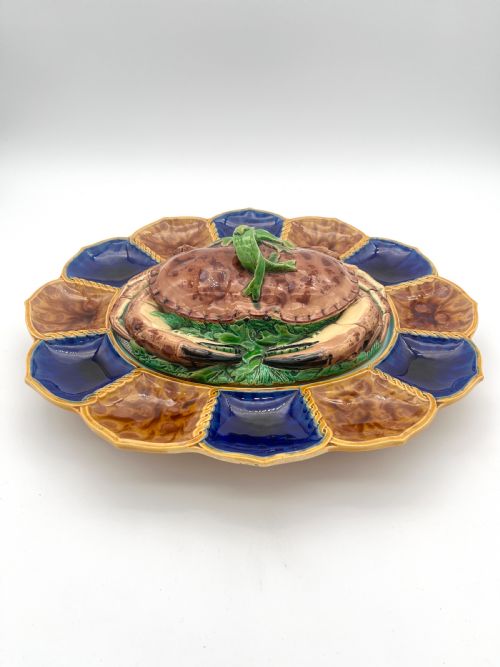
Victorian Minton pottery encompasses a diverse array of decorative objects produced during the nineteenth century, including large garden seats, majolica cache-pots, and finely painted plates. Pieces from this search phrase frequently display the naturalistic forms and rich glazes characteristic of Victorian Majolica, alongside blue and white transferware and Aesthetic Movement designs. Buyers exploring these listings encounter everything from monumental vases to functional water jugs and decorative tiles.
The domestic and decorative utility of these items varied widely, ranging from large garden seats and umbrella stands to delicate porcelain dessert plates and cabinet chargers. Many examples reflect specific nineteenth-century design movements, incorporating Japanese motifs, classical figures, or exuberant naturalism with botanical and animal subjects. This range allows collectors to select pieces suited for prominent display or daily use within a traditional interior.
Materials and methods
Makers utilised earthenware, ceramic, and porcelain as the primary bodies for these objects, applying coloured lead glazes to achieve the vibrant tones seen in majolica pieces. Many items combine moulded clay with hand-painted enamel and gilt details, whilst others employ transfer printing for intricate blue and white patterns on chargers and garden seats.
Techniques varied between robust slip-cast or moulded earthenware intended for garden and heavy domestic use, and finely potted porcelain suited for pierced cabinet plates and dessert services. Artisans applied specialised glaze formulations to create simulated effects such as marble surfaces or glossy polychrome finishes on figural and animal subjects.
Listings feature Victorian earthenware, porcelain, and glazed ceramic forms spanning the nineteenth and early twentieth centuries.
Evaluating quality and execution
The quality of Victorian Minton pottery depends heavily upon the crispness of the moulding and the depth of the coloured glazes, particularly on majolica pieces where sharp relief defines the surface. Superior examples demonstrate careful control during firing to prevent glaze pooling or discoloration, preserving the fine details of human figures, animals, and botanical motifs.
Praising the standard of a piece involves assessing the complexity of the design, such as intricate piercing on porcelain plates or the sculptural ambition of large figural vases and wall brackets. Designer attribution, including work associated with recognised figures like Christopher Dresser or W.S. Coleman, further elevates the standing of an item within the category.
Minton·Minton and Hollins·Christopher Dresser·W.S. Coleman·Albert Carrier
The Victorian Minton Pottery Glossary
- Majolica
- A type of earthenware decorated with opaque coloured glazes fired over a white tin-glaze ground, producing vivid greens, browns, and purples. This technique allowed Victorian makers to produce highly sculptural garden seats, vases, and figural tureens with rich surface textures.
- Aesthetic Movement
- A late nineteenth-century design style that emphasised aesthetic value over narrative or moral content, drawing heavily on Japanese art. Pieces from this movement often feature asymmetrical compositions, birds, butterflies, and gilt sun motifs.
- Creamware
- A refined light-coloured earthenware developed in the eighteenth century and continued into the Victorian period, known for its pale yellowish cream hue. It provided a smooth canvas for painted decoration on garden seats and tableware.
- Porcelain
- A hard, fine-grained ceramic material fired at high temperatures to produce a vitreous and translucent body. Victorian makers utilised porcelain for delicate dessert plates, pierced cabinet pieces, and vases.
- Transferware
- Pottery decorated by applying a printed design from an engraved copper plate onto the ceramic surface using tissue paper. This method allowed for consistent blue and white patterns on chargers and garden seats.
Victorian Minton Pottery: Frequently Asked Questions
How do I clean Victorian majolica?
Dust these glazed ceramic pieces gently with a soft, dry cloth to protect the surface finish from abrasion.
Avoid using harsh chemical cleaners or submerging antique earthenware in water for extended periods, as moisture can infiltrate old ceramic bodies.
Were garden seats used outdoors?
Minton garden seats were designed to be durable enough for conservatories and sheltered garden spaces during the Victorian era.
Protecting them from freezing winter temperatures prevents frost damage to the porous earthenware and coloured lead glazes.
How do I identify a Christopher Dresser design?
Christopher Dresser designs often feature geometric forms, stark structural lines, and stylized motifs influenced by Japanese and ancient art.
Look for marked attributions on the base or distinctive stylistic elements that break away from traditional Victorian ornamentation.
What is the difference between majolica and porcelain?
Majolica is an earthenware body coated with thick, colourful lead glazes that produce a rich, glossy and heavily modelled surface.
Porcelain is a denser, vitrified ceramic material that is fired to a translucent finish, often utilised for finer cabinet plates and painted vases.