


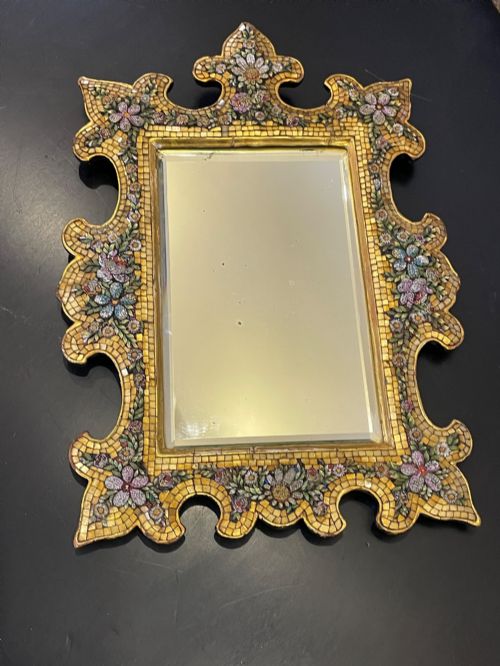


Victorian Micro Mosaic
Victorian micro mosaic pieces are intricate miniature artworks composed of countless tiny glass tesserae, prized for their remarkable detail and connection to the Grand Tour.
Victorian Micro Mosaic
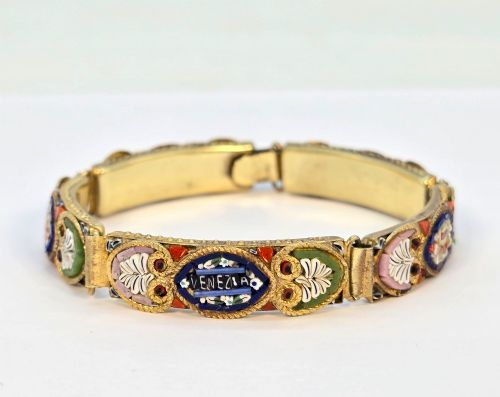
When you search for Victorian micro mosaic, you enter a world of miniature artistry spanning personal jewellery and decorative containers. These objects capture landscapes, classical ruins, floral motifs and avian subjects rendered in microscopic detail. The pieces originate from Italian workshops catering to travellers on the Grand Tour alongside domestic English interpretations of mosaic work.
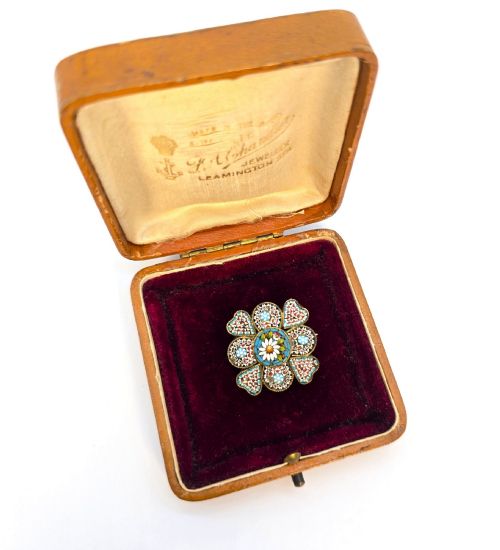
The items appearing on this page encompass wearable ornaments such as brooches, bracelets, earrings and cufflinks, alongside desk accessories and display pieces. You will encounter framed wall plaques, mirror frames, paperweights and table lamps featuring inset mosaic panels. Boxes form a substantial category, ranging from trinket boxes and tea caddies to book slides and stationery boxes.
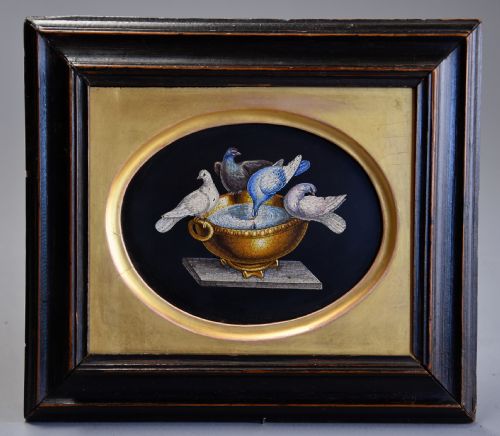
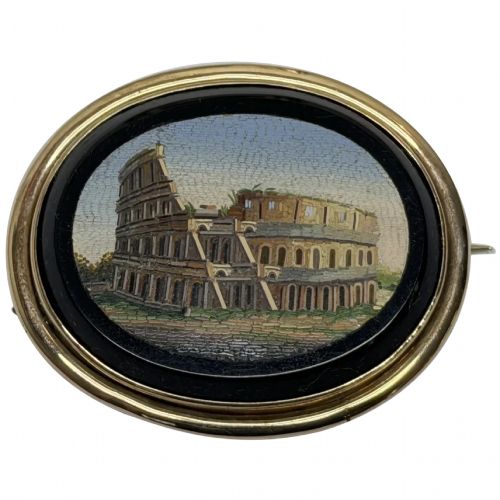
Dating primarily from the nineteenth century, these objects reflect the Victorian fascination with classical antiquity and intricate craftsmanship. Italian examples often focus on architectural views like the Roman Colosseum or iconic imagery such as the Doves of Pliny. English pieces frequently integrate mosaic panels with indigenous woodcraft traditions like Tunbridge ware or Sadeli mosaic.
Materials and construction
The foundation of a micro mosaic relies on glass tesserae, which are pulled from molten glass canes into extremely fine rods. Artisans slice these coloured glass rods into microscopic sections and set them by hand into a mastic or wax bed within a metal, stone or wooden matrix. The density of the tesserae determines the fineness of the image, with top-tier examples showing virtually no visible gaps between the individual elements.
Supporting structures utilise a variety of materials depending on the object's origin and purpose. Italian plaques and jewellery typically employ yellow gold mounts, gilt metal, marble or ebonised frames. English boxes and desk accessories combine rosewood, walnut, boxwood and sycamore, frequently integrating complex wood mosaic work alongside the micro mosaic panels.
Victorian Micro Mosaic Retail Price Guide 2026
Typical asking prices for victorian micro mosaic among the pieces listed under this phrase on Sellingantiques today, from the lower quarter to the upper quarter. They describe what is for sale here now, not the wider market.
Listings feature 19th-century periods alongside materials including glass tesserae, rosewood, walnut, bone, and yellow gold.
Assessing quality and execution
Quality in these pieces rests entirely on the precision and density of the tesserae work. Superior examples display thousands of microscopic tiles arranged to create subtle tonal gradations, realistic shading and sharp architectural perspective. Lesser pieces utilise larger, more irregular tesserae spaced further apart with visible adhesive beds, resulting in a coarser image.
The framing and housing of the mosaic equally dictate the overall standard. High-quality items feature solid gold or finely chased metal mounts, substantial stone bases like marble, or meticulously constructed rosewood and walnut carcases. The harmony between the miniature mosaic panel and its carrier object distinguishes standard souvenir pieces from masterworks.
Henry Hollamby
The Victorian Micro Mosaic Glossary
- Tessera
- Individual small block of glass used in the creation of a mosaic. Thousands of these tiny elements combine to form the pictorial surface.
- Grand Tour
- Eighteenth and nineteenth-century cultural journey undertaken by wealthy young Europeans. It resulted in the acquisition of souvenirs including micro mosaic plaques and jewellery.
- Tunbridge Ware
- English woodworking style characterised by minute mosaic tiles made from natural coloured woods arranged in geometric or pictorial patterns. These often frame or accompany micro mosaic panels.
- Sadeli Mosaic
- Anglo-Indian technique utilising minute geometric mosaic work composed of various woods, bone and metal. It frequently decorates nineteenth-century boxes and stationery cases.
- Doves of Pliny
- Famous ancient mosaic subject depicting doves drinking from a bowl, frequently replicated in Victorian micro mosaics. It originates from a Roman floor mosaic described by Pliny the Elder.
Victorian Micro Mosaic: Frequently Asked Questions
Were these made in England or Italy?
Both origins are common, with distinct characteristics separating them.
Italian workshops produced the pictorial glass tesserae panels depicting ruins and doves, while English makers incorporated these panels into local wooden boxes and desk accessories.
What is the difference between a plaque and a brooch?
Wall plaques and framed panels were designed purely for visual display in domestic interiors.
Brooches and other jewellery items feature secure pin backs or gold mounts intended for personal adornment.
How can I tell the age of a piece?
Examine the mounting materials, metal types, and framing styles alongside the subject matter.
Nineteenth-century examples display characteristic yellow gold settings, ebonised wood frames, or period woodcarving styles like Tunbridge ware.