





Victorian Metal Server
A victorian metal server brings period service to the table, offering heavy copper samovars, plated trays and novelty warmers that collectors prize for everyday use.
Victorian Metal Server
A victorian metal server encompasses large samovars, tea urns, coffee pots, serving trays, toast racks and novelty spoon warmers made during the nineteenth century. These serving pieces reflect the formal dining and entertaining habits of the period, executed in substantial metals designed for heavy use.
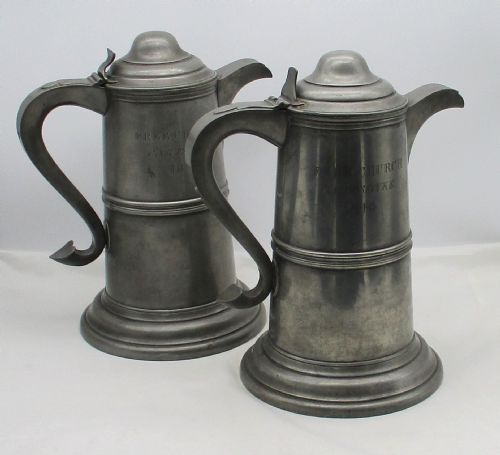
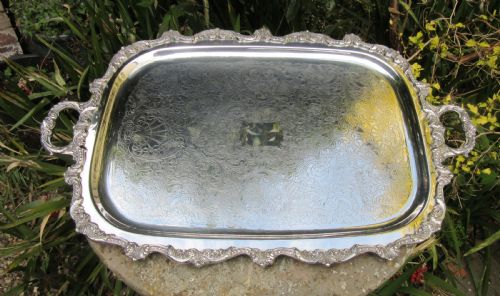
The versions most commonly met on this page include copper samovars and silver plated trays, alongside more distinctive forms such as marine buoy and shoe spoon warmers. Pieces draw upon Georgian neoclassical restraint, rococo revival ornamentation, aesthetic movement lines and modernist silhouettes.
Makers and designers range from large firms like Padley Parkin and Boardman Glossop and Co to progressive visionaries such as Christopher Dresser for Hukin and Heath. The selection spans utilitarian serving vessels and novelty dining table accessories produced across the Victorian era.
How these pieces were made
Makers utilised heavy copper and brass as foundational metals, often applying silver plate or old sheffield plating over base metals to achieve a brighter finish. Nickel silver also appears as a sturdy base alloy for functional items like toast racks and serving trays.
Detailing often incorporated bone insulators on handles to prevent heat transfer during service, alongside registration marks stamped into metal to protect novel designs. Silversmiths and metalworkers employed techniques of plating, casting and hand-shaping to create both grand samovars and whimsical novelties.
Victorian Metal Server Retail Price Guide 2026
Typical asking prices for victorian metal server among the pieces listed under this phrase on Sellingantiques today, from the lower quarter to the upper quarter. They describe what is for sale here now, not the wider market.
The selection includes registered designs from the middle and late Victorian period, incorporating bone insulators and aesthetic movement styling.
What varies in quality
Quality rests upon the weight of the metal, the crispness of the applied ornament and the integrity of the plating over copper or base alloys. Pieces produced by documented firms display superior finishing in handles, spigots and joints compared to unmarked commercial output.
Design ambition separates standard servingware from exceptional examples, particularly when progressive designers or registration marks attribute a piece to a specific workshop. The survival of original bone insulators and the smoothness of operating spigots also dictate desirability among collectors.
Padley Parkin·Boardman Glossop and Co·Christopher Dresser·Hukin and Heath
The Victorian Metal Server Glossary
- Samovar
- A heated metal urn traditionally used to boil and dispense water for tea. These large vessels typically feature an internal heating tube and a spigot near the base.
- Old Sheffield Plated
- A composite material made by fusing a thin sheet of silver to a thicker copper ingot. This layered technique predates modern electroplating.
- Bone Insulators
- Small spacers inserted into metal handles to block heat transfer. They are frequently carved from animal bone in older serving pieces.
- Toast Rack
- A small table accessory featuring vertical metal dividers designed to hold slices of toast upright. This form keeps bread crisp by allowing air circulation.
- Spoon Warmer
- A Victorian vessel filled with hot water to warm spoons before serving soup or dessert. These items often took whimsical novelty shapes like marine buoys or shoes.
Victorian Metal Server: Frequently Asked Questions
What is a samovar used for?
A samovar served to boil and dispense water for tea during large gatherings and formal meals. The internal chamber held heat to keep water hot throughout a lengthy sitting.
Today, these substantial vessels function primarily as decorative centrepieces or statement items on sideboards and dining tables.
How do I clean plated metal?
Silver plate requires gentle cleaning with a soft cloth and specialised non-abrasive polish to protect the thin metallic layer over the base metal. Avoid harsh scrubbing that can wear through the plating to reveal the copper or brass beneath.
Regular dusting and minimal polishing preserve both the finish and any historic patina accumulated over the decades.
What are bone insulators?
Bone insulators are small spacer rings fitted into metal handles to stop heat transferring from the vessel to the user's hand. They appear frequently on samovars, coffee pots and tea urns.
These natural components require gentle handling, as bone can dry out or crack if exposed to harsh moisture or extreme heat.
How do I date a Victorian server?
Dating relies on stylistic clues, maker marks, and stamped British registration numbers that pinpoint the exact year or batch of production. Aesthetic movement lines and modernist influences generally point toward the later decades of the nineteenth century.
Comparing construction techniques and plating types also helps place an item within the broader Victorian period.