


Victorian Metal Fender
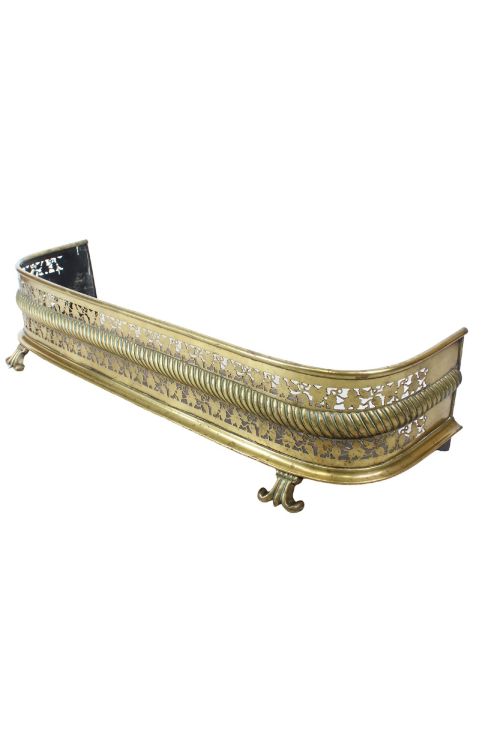
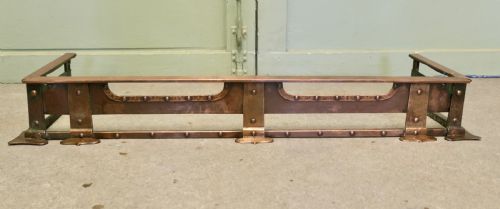
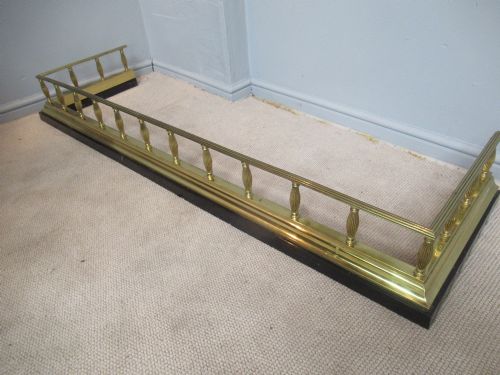
A victorian metal fender grounds the hearth, framing the grate in polished brass, beaten copper, or heavy iron.
Victorian Metal Fender
When you search for a victorian metal fender, you look at low hearth barriers designed to contain ash and protect the room while framing the fire. These pieces sit directly on the floor in front of the fireplace, matching the coal grates and grates of the period.
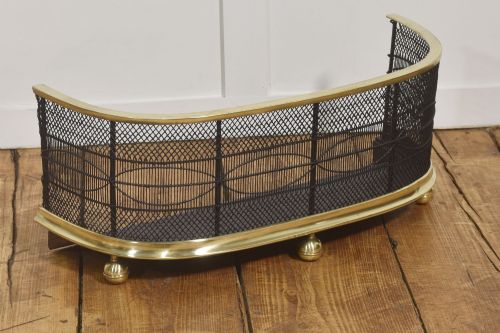
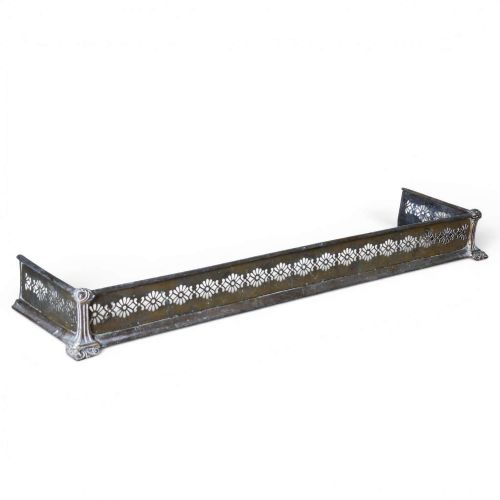
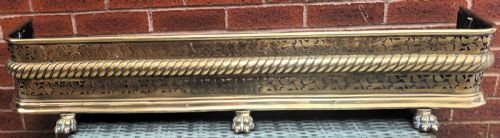
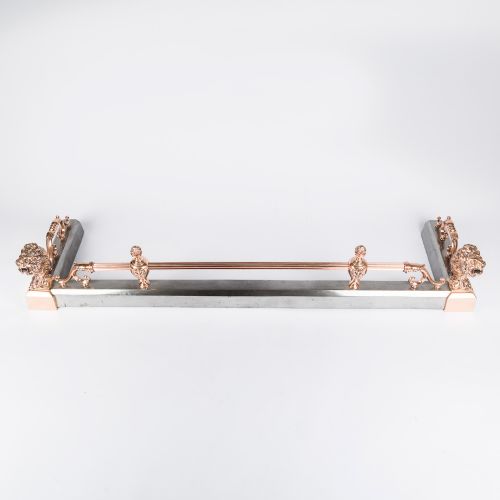
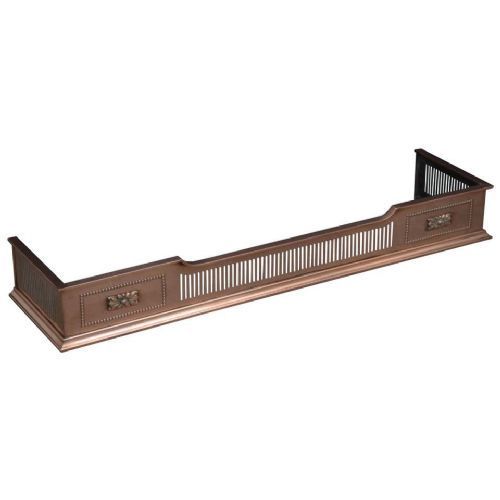
You will most frequently meet standard pierced brass kerbs alongside heavier iron, steel, and copper configurations from the nineteenth century. Many examples incorporate wire mesh, leather upholstery, or extending mechanisms to fit specific hearth dimensions.
The materials span bright brass, blackened steel, wrought iron, and beaten copper, often decorated with motifs such as flower pateras, lions, or linear piercing. Simpler nursery guards and club versions with padded seats also appear among these fireplace accessories.
What varies in quality
Substance and gauge set the better examples apart from lighter utilitarian alternatives, visible in the thickness of the metal plate and the weight of the frame. Heavy gauge brass and solid steel resist warping from intense hearth heat, whereas flimsy wirework bends under pressure.
Execution of decorative detail dictates the standing of a piece, separating mechanical stamping from hand-chased ornamentation on copper and brass. The quality of upholstery on club variations, together with the integrity of riveted joints, marks the difference between standard production and superior craftsmanship.
Dragon and lion motifs occasionally peer out from the metalwork, ready to guard the hearth against errant sparks.
The Victorian Metal Fender Glossary
- Kerb
- An alternative name for a fender, denoting the low boundary frame placed around the hearth. It physically contains falling embers.
- Club Fender
- A low metal frame featuring upholstered top seats, creating additional fireside seating. These tall versions often incorporate leather squabs.
- Pierced Brass
- Sheet metal perforated with decorative patterns or slots. This technique lightened the visual weight of the heavy metal surround.
- Patera
- A circular ornamental bas-relief resembling a classical medallion or flower motif. Makers applied these to corners and centre panels.
- Nursery Fender
- A taller protective guard, often incorporating wire mesh or a clothes rail. It kept children and trailing fabrics safely away from open flames.
Victorian Metal Fender: Frequently Asked Questions
What is a club fender?
A club fender is a low hearth barrier fitted with cushioned leather seats on top. It allowed people to sit close to the fire while keeping sparks contained.
These pieces combine metal frameworks of brass or steel with upholstered top rails, forming a distinct category of fireside furniture.
How do I measure for a fender?
Measure the width and depth of your fireplace opening, accounting for any projecting hearth stone or surrounds. Fenders sit around the hearth perimeter, so clearance for foot traffic matters.
Some surviving nineteenth-century examples feature extending mechanisms that allow minor adjustments to the overall width.
What is a nursery fender?
A nursery fender is a tall protective barrier designed to prevent children and floating sparks from reaching the open fire. They often include integrated wire mesh screens or rails for airing laundry.
Constructed from iron, steel, or wirework, these taller guards date predominantly from the Victorian and Edwardian periods.
How do I clean brass and copper?
Clean unlacquered brass and copper using appropriate metal polish applied sparingly with soft cloths, taking care to avoid leather upholstery or blackened iron surfaces. Many collectors prefer to leave an aged patina intact rather than restoring metal to a bright shine.
Regular dusting with a dry cloth prevents the buildup of soot and ash residue around the hearth.