



Victorian Copper Fire Fender
A victorian copper fire fender brings warmth and character to a hearth, framing the fireplace with metalwork that captures the spirit of the period.
Victorian Copper Fire Fender
When you search for a victorian copper fire fender, you encounter hearth surrounds designed to keep embers contained while anchoring the decoration of a room. These domestic items sit directly on the floor in front of the fireplace, establishing a finished boundary between the fire and the room.
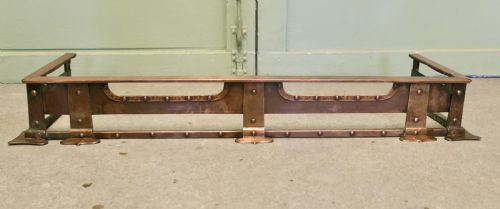
The versions most commonly met on this page date from the Victorian and Edwardian eras, spanning the end of the nineteenth century and the opening of the twentieth. They incorporate stylistic movements of those decades, notably Art Nouveau and Arts and Crafts designs.
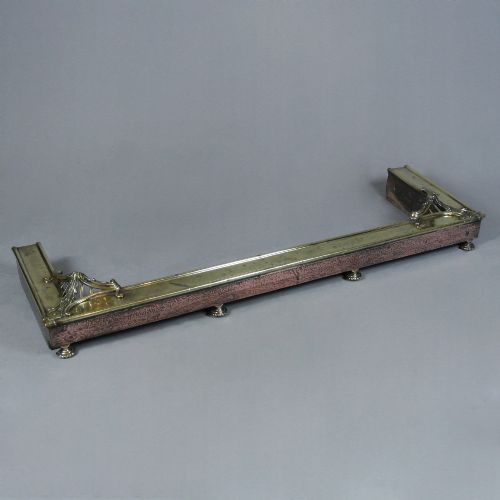
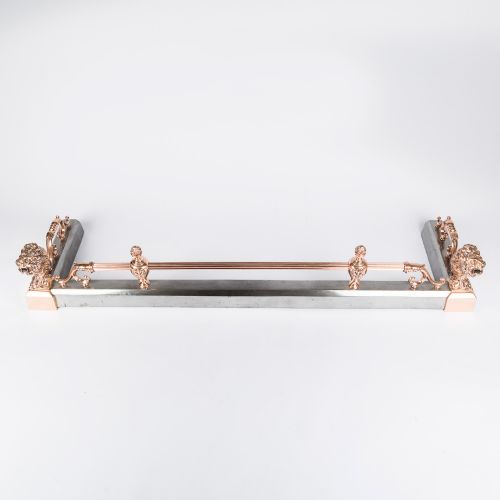
Forms range from simple low kerbs to more elaborate designs incorporating brass, iron, steel, and occasionally leather upholstered seating. Some variants include integrated coal boxes for fuel storage beside the hearth.
How they were made
Makers utilised sheet metal and structural ironwork, hammering and riveting copper plates to sturdy metal frames. Beaten surfaces show the direct work of the artisan, particularly in Arts and Crafts examples.
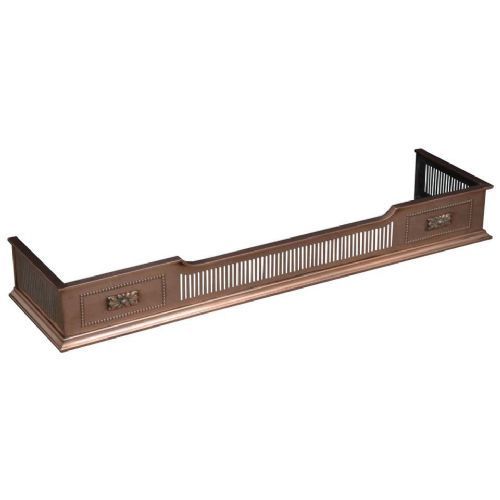
Decoration relied on applied motifs such as flower patera, embossed leaf patterns, and beaded borders. Brass and steel elements were frequently combined with copper to create contrast along the length of the fender.
Victorian Copper Fire Fender Retail Price Guide 2026
Typical asking prices for victorian copper fire fender among the pieces listed under this phrase on Sellingantiques today, from the lower quarter to the upper quarter. They describe what is for sale here now, not the wider market.
Current listings feature pieces spanning the Victorian and Edwardian eras, incorporating brass, iron, steel, and leather alongside copper.
What varies in quality
The distinction between standard production pieces and finer examples rests on the depth and execution of the handwork. Heavier gauge copper and deliberate, crisp riveting separate superior items from lighter, plain sheet constructions.
Design integration also dictates quality, where cohesive artistic styles like Art Nouveau tend to display greater care in the detailing of corners, rivets, and decorative metal motifs.
The Victorian Copper Fire Fender Glossary
- Fender
- A low metal guard placed in front of an open fireplace to contain falling coals and ash. They often double as decorative hearth surrounds.
- Kerb
- An alternative term for a fire fender, referring specifically to the low stone or metal boundary enclosing the hearth space.
- Patera
- A circular ornamental relief carved or stamped to resemble a classical libation dish. These appear frequently on Victorian metalwork.
- Art Nouveau
- A decorative style characterised by flowing, organic lines and plant-inspired motifs popular around eighteen ninety and nineteen hundred.
- Arts and Crafts
- A design movement valuing traditional craftsmanship, visible construction methods like rivets, and hand-beaten metal surfaces.
Victorian Copper Fire Fender: Frequently Asked Questions
What is a club fender?
A club fender is a hearth surround featuring low upholstered seats built into the frame on either side of the fireplace. This configuration allowed people to sit close to the fire for warmth.
They emerged in domestic interiors during the Victorian period and remain popular for their practical seating and distinctive presence in a room.
How do I clean a copper fender?
Cleaning depends on the desired finish, as many owners prefer to maintain a warm, aged patina rather than a bright polished look. Gentle dusting and occasional wiping with a soft cloth preserve the metal surface.
Harsh chemical abrasives should be avoided, especially on antique pieces with beaten or patinated surfaces that show their age.
Are these fenders safe for open fires?
These metal surrounds were originally manufactured to contain stray embers and protect floor coverings from hearth heat. Their solid construction of iron, steel, and copper handles normal fireplace temperatures.
Care should still be taken with modern fuel loads to ensure excessive heat does not damage delicate decorative elements or upholstery.
How do I date a copper fender?
Dating relies on stylistic clues, construction methods, and materials associated with specific periods like the Victorian and Edwardian eras. Art Nouveau curves and Arts and Crafts riveting point towards the turn of the twentieth century.
Makers often combined brass, iron, and leather in ways characteristic of workshop practices from eighteen ninety to nineteen hundred.