


Edwardian Brass Fire Fender
An edwardian brass fire fender brings functional elegance to a hearth, framing the fireplace while protecting the room from stray embers.
Edwardian Brass Fire Fender
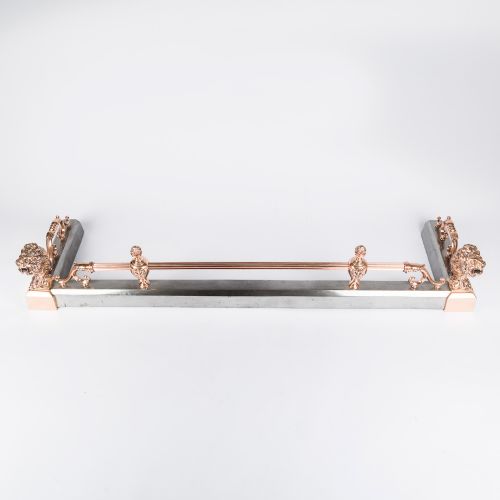
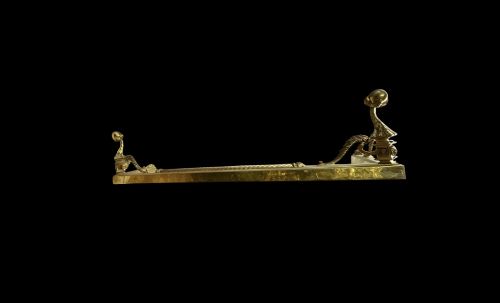
An edwardian brass fire fender forms a low metal barrier around the hearth, serving both practical safety and decorative roles in the room. The selection encompasses standard hearth rails, adjustable variants, and club fenders fitted with upholstered seats.
Most examples hail from the Edwardian era and the nineteenth century, spanning Victorian, Art Nouveau, and Arts and Crafts styles. Buyers encounter both simple brass rims and elaborate designs incorporating iron, copper, and wire mesh.
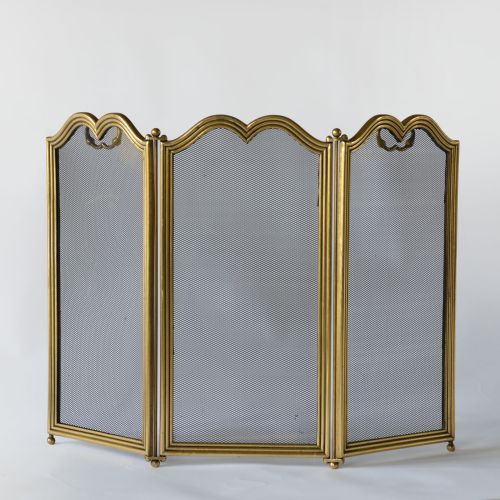
Forms range from compact tripartite folding guards to heavy gauge kerbs and gate fronted models. Certain pieces arrive accompanied by matching fire irons, copper details, or leather and velvet seating.
Materials and Construction
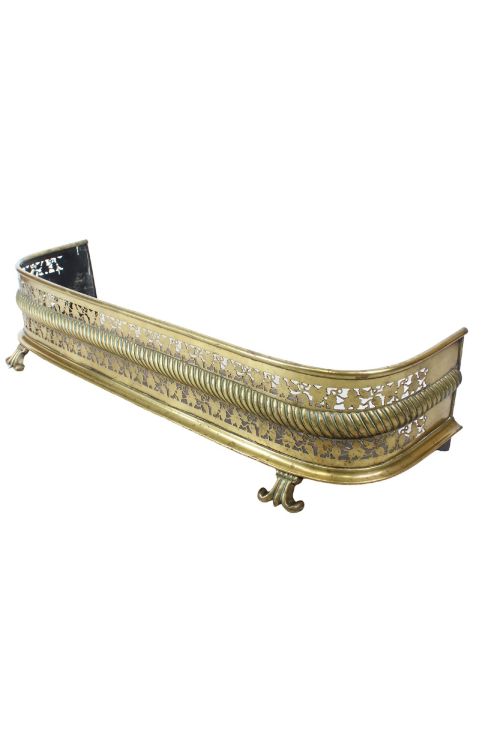
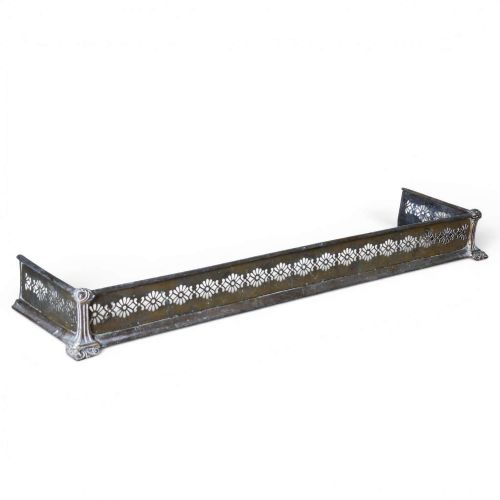
Maker construction relies heavily upon brass, often paired with steel, iron, or copper to add structural weight and visual contrast. Metal components undergo piercing, casting, and scrolling to form intricate decorative motifs.
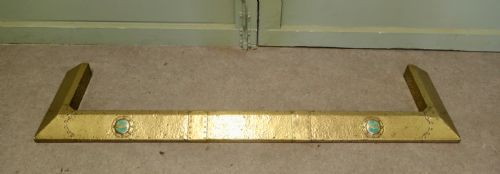
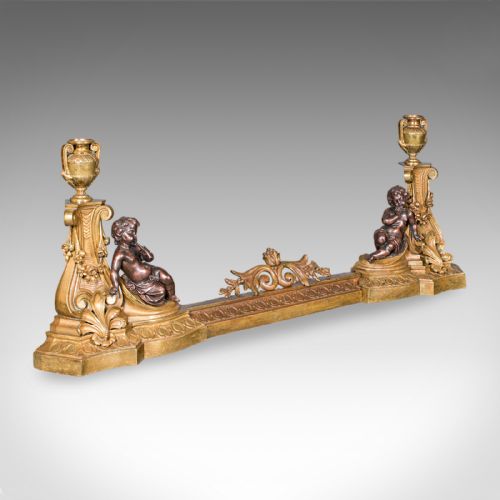
Certain models incorporate green enamel cabochons, wire mesh, or upholstered leather and velvet seats supported by cylindrical uprights. Heavy gauge brass and gilt bronze provide the necessary durability for daily hearthside use.
Materials recorded on this site include brass, iron, steel, copper, leather, enamel, bronze, and gilt bronze.
Assessing Quality and Craftsmanship
Quality rests upon the gauge of the metal and the depth of the casting, where heavier brass and robust steel framework distinguish superior pieces. Finer specimens display crisp piercing, harmonious proportions, and integrated details such as claw and ball feet.
The sophistication of the decorative work sets exceptional items apart, visible in well-executed Art Nouveau whiplash curves or carefully riveted copper and enamel elements. Original patination and fully functional adjustable mechanisms further elevate a piece.
The Edwardian Brass Fire Fender Glossary
- Club fender
- A low hearth guard featuring integral upholstered seats covered in leather or velvet. This form allows people to sit close to the fire.
- Curb fender
- A heavy metal frame defining the boundary of the hearth. It prevents hot coals from rolling onto the floorboards.
- Cabochon
- A polished gemstone or enamel piece cut in a convex, unfaceted form. These often adorn Arts and Crafts and Art Nouveau metalwork.
- Serpentine
- A curved shape featuring a convex centre flanked by concave ends. This contour softens the rigid lines of the hearth.
- Spark guard
- A mesh or wire screen designed to catch flying embers. These accessories provide safety during active fires.
Edwardian Brass Fire Fender: Frequently Asked Questions
What is an edwardian brass fire fender?
An edwardian brass fire fender is a protective metal barrier placed on the floor around the hearth. It keeps logs and coals contained within the fireplace opening.
Beyond safety, these pieces frame the fireplace and complete the decorative appearance of the mantel and hearth area.
How do I choose the correct size?
Measure the width and depth of your hearth area precisely before selecting a fender. Adjustable models offer flexibility if your dimensions fall between standard fixed sizes.
Consider the clearance needed for fire irons or club fender seating when measuring your hearth space.
How were club fenders used?
Club fenders incorporate padded leather or velvet seats along the top rails. They provided a warm, comfortable place to sit directly beside the fire in large drawing rooms.
This dual function made them popular gathering spots during colder months.
How do I care for brass and copper?
Dust the metal regularly with a soft, dry cloth to prevent grime accumulation. Avoid harsh chemical cleaners that strip the historical patination built up over decades.
Gentle cleaning preserves the surface character while keeping the metal stable.
What styles are common?
Common styles include ornate Victorian designs, flowing Art Nouveau brasswork, and straightforward Arts and Crafts interpretations. Many pieces feature pierced metalwork or contrasting copper elements.
Simple brass rims and heavy gauge frames also appear frequently across the period.