




Victorian Maritime Art
Victorian maritime art captures the power of the sea on canvas and paper, bringing historic ships and coastal scenes straight into your home.
Victorian maritime art
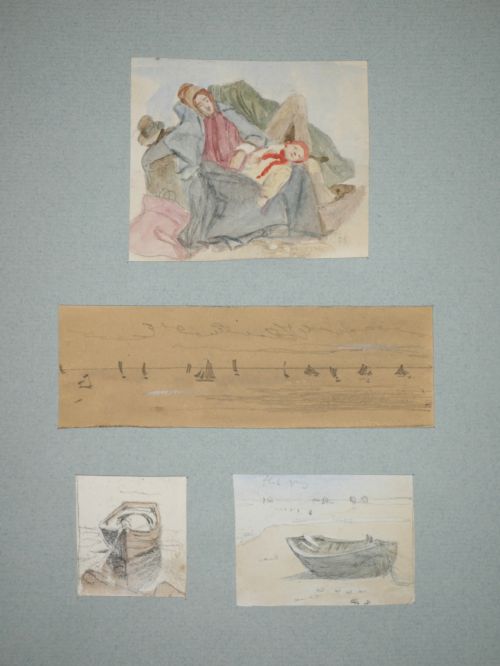
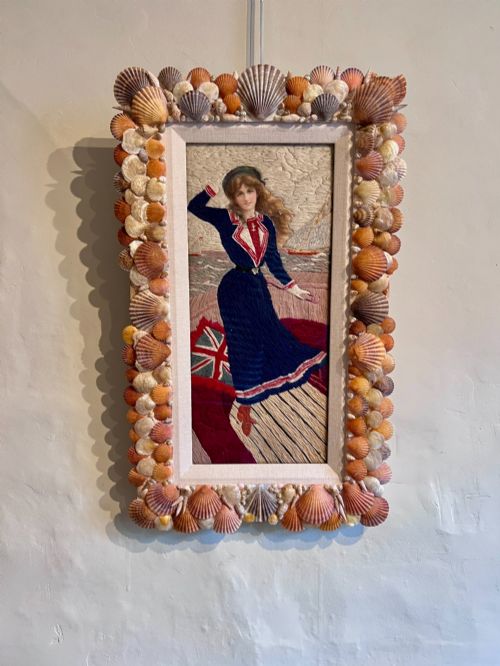
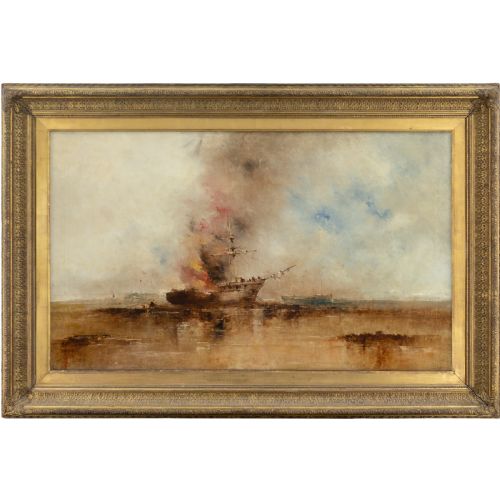
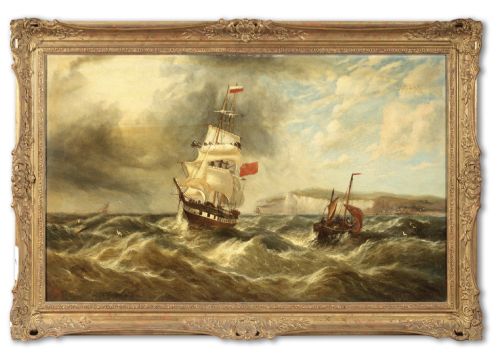
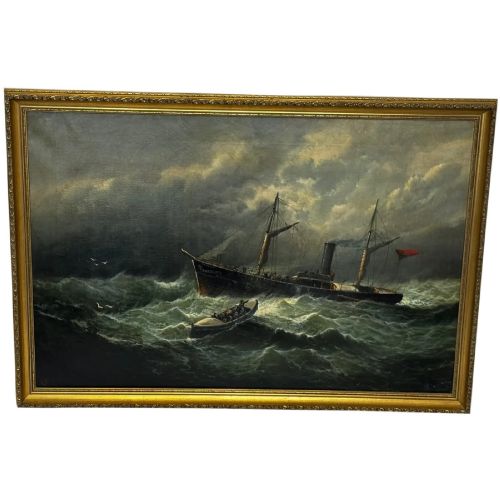
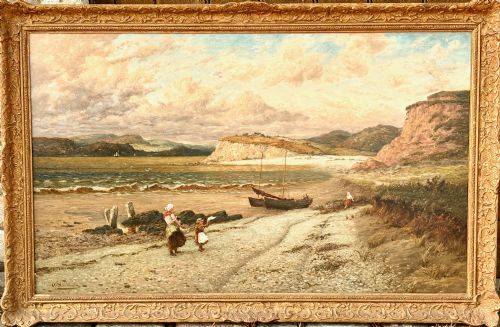
Victorian maritime art comprises watercolours and oil paintings depicting ships, coastal views, and marine life from the nineteenth century. Buyers examine works ranging in date from the early nineteenth century through to nineteen hundred.
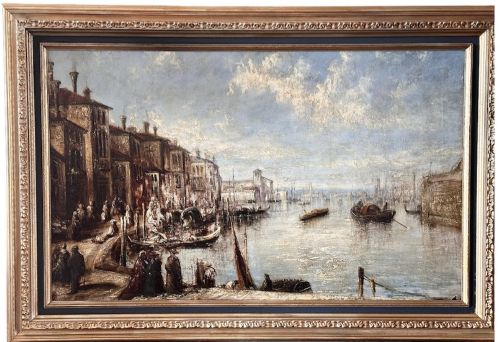
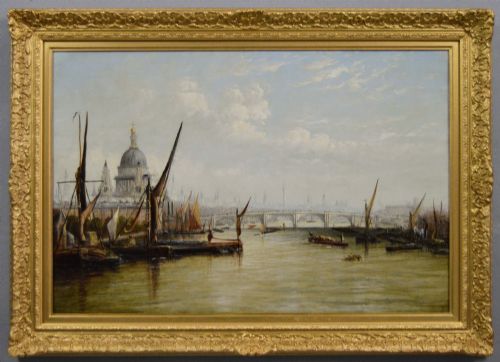
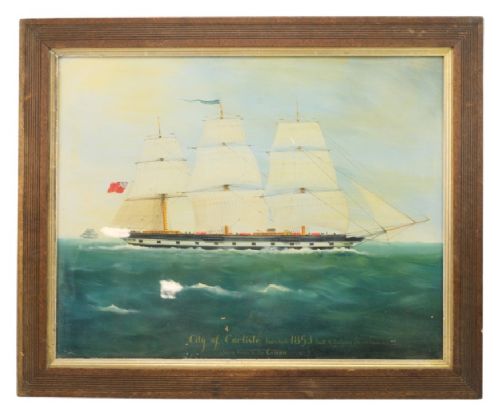
The objects take the form of framed paintings on canvas and paper, alongside items such as cased artificial horizons. Subjects span British coastal views, racing yachts, and continental harbour scenes.
Watercolour paintings and oil paintings dominate the selection, appearing either as single works or as pairs. Signatures and attributions link several pieces to named artists of the period.
Materials and technique
Artists painted using oil paint and watercolour upon canvas and paper supports. Frames incorporate giltwood and burr timber surrounds.
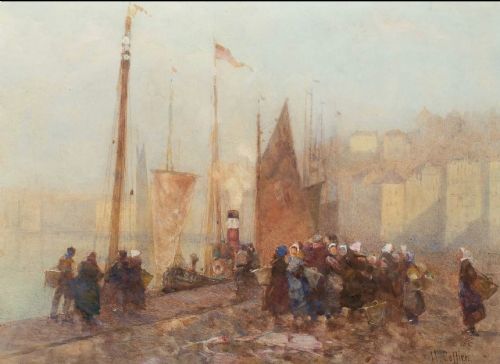
Scientific instruments combine brass and housing materials, while paper works employ watercolour pigments to capture atmospheric coastal conditions.
Retail Price Guide 2026
Typical UK retail prices for victorian maritime art, calculated from the Sellingantiques database of over a million retail prices indexed since 2003. This retail price guide relies exclusively on Sellingantiques data; no external sources or auction records are used, so the figures do not describe the wider market.
The listings feature works in oil and watercolour on paper and canvas, framed in burr timber and gilt.
Judging quality
Quality differentiates through the handling of medium and subject, where nuanced watercolour washes or confident oil brushwork elevate a composition. The presence of documented artists and period framing enhances the integrity of a piece.
Condition of the paper, canvas, and original housing separates well-preserved works from those showing heavy degradation. Signed and dated examples carry firmer attribution than unsigned school works.
Hector Caffieri·John Moore of Ipswich·John Holland·Jan van Couver·James George Bingley·Arthur Joseph Meadows·George Dollond of London
The Victorian Maritime Art Glossary
- Watercolour
- A painting method where the paints are made of pigments suspended in a water-based solution. This technique creates translucent washes often utilised on paper supports.
- Oil paint
- A slow-drying paint made with pigments suspended in a drying oil. It allows for rich colour blending and texture upon canvas.
- Giltwood
- Wood carved and treated with gold leaf or a gold-coloured finish. This material forms decorative frames for paintings.
- Artificial horizon
- A navigational instrument used to measure altitude when the natural horizon is obscured. Examples from the period feature fitted cases.
- Folk art
- Art produced from an indigenous culture or peasant society without professional training. In maritime contexts, this encompasses naive ship depictions.
Frequently Asked Questions
What periods do these pieces cover?
The works span the nineteenth century, including specific dates from eighteen seventy-eight up to nineteen hundred. Most pieces align with the Victorian era.
Attributions link specific items to decades such as eighteen ninety alongside general nineteenth-century production.
How are the paintings framed?
Frames utilise materials like giltwood and burr timber to house the canvas and paper works. These surrounds often reflect nineteenth-century framing conventions.
Certain items, such as navigational instruments, arrive in dedicated fitted cases rather than standard wall frames.
Are the works signed by artists?
Several pieces feature signatures, dates, or artist attributions linking them to named painters and makers. Examples include works by John Moore of Ipswich and Arthur Joseph Meadows.
Other listings represent regional or American school watercolours where the creator is recorded through period documentation or style.
What subjects do the paintings show?
Subjects focus on marine and coastal themes, including racing yachts in San Francisco, St Michael's Mount, and Port Erin in the Isle of Man.
Other compositions portray fishermen with children by the shore and harbour scenes in Boulogne and Dutch locations.