

Victorian Mantle Clock
When you search for a victorian mantle clock, you encounter timepieces combining mechanical precision with the heavy decorative tastes of the nineteenth century.
Victorian Mantle Clock
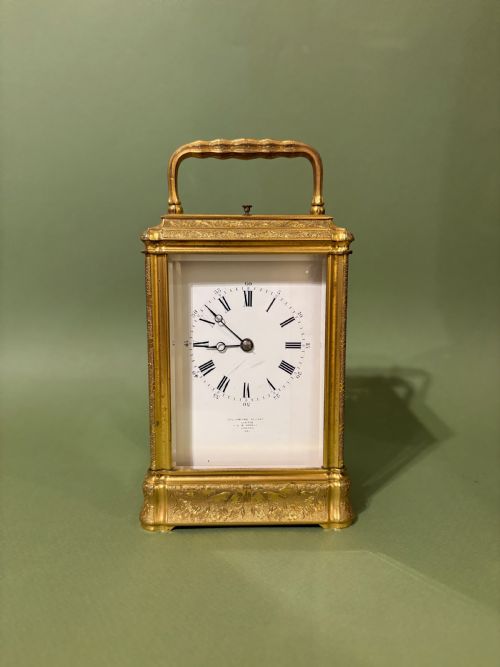
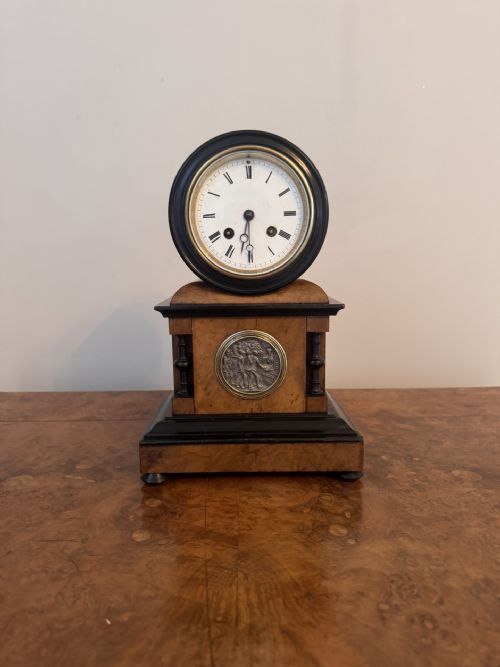
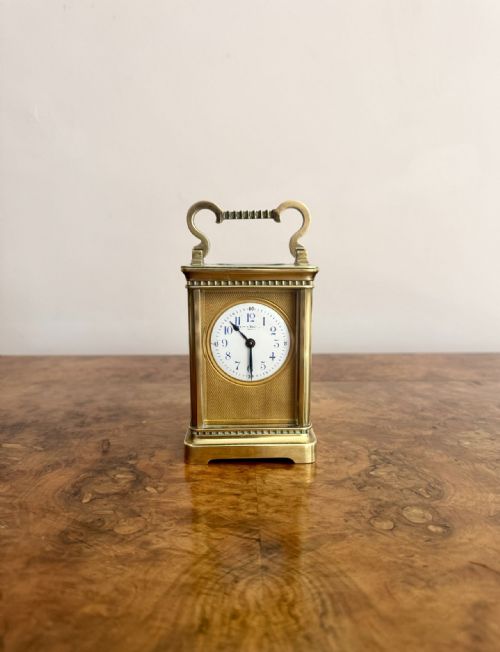
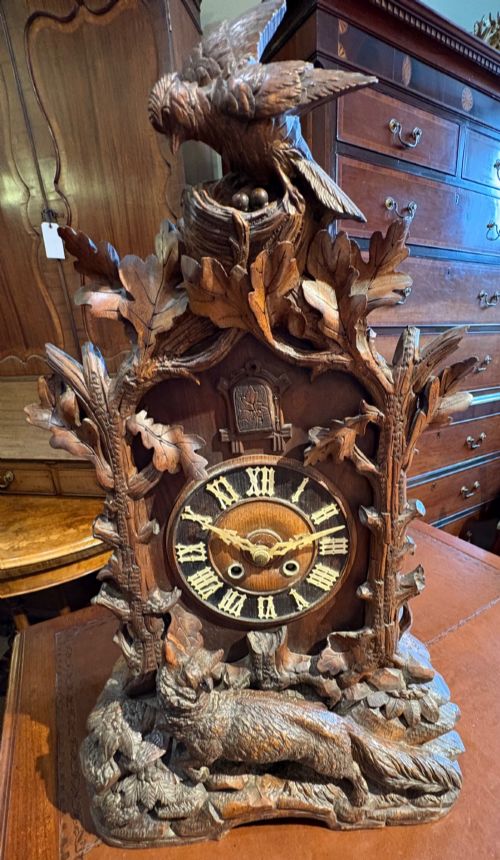
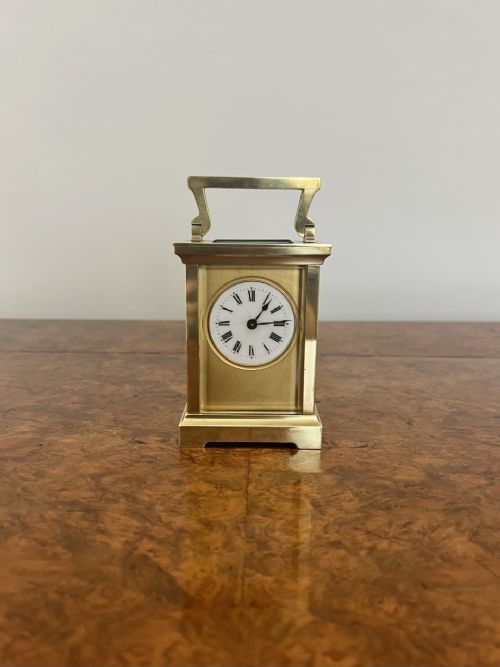
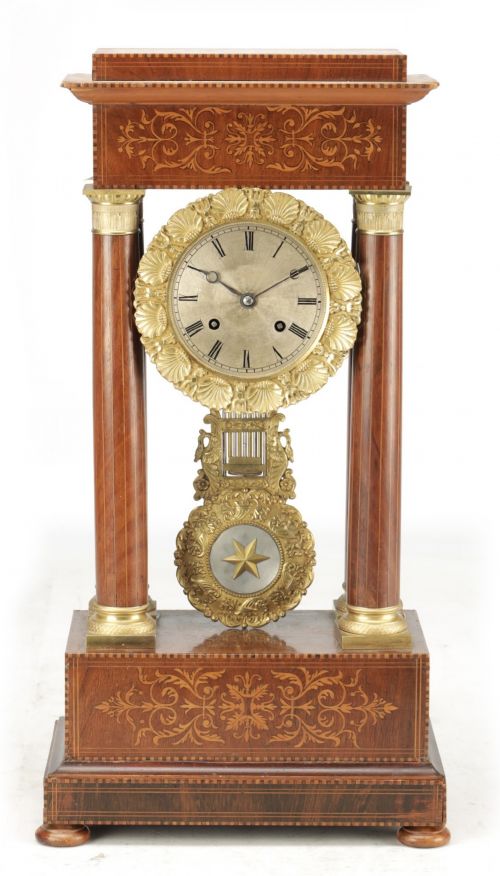
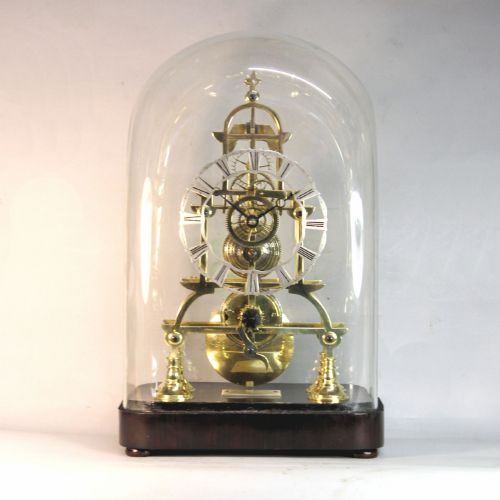
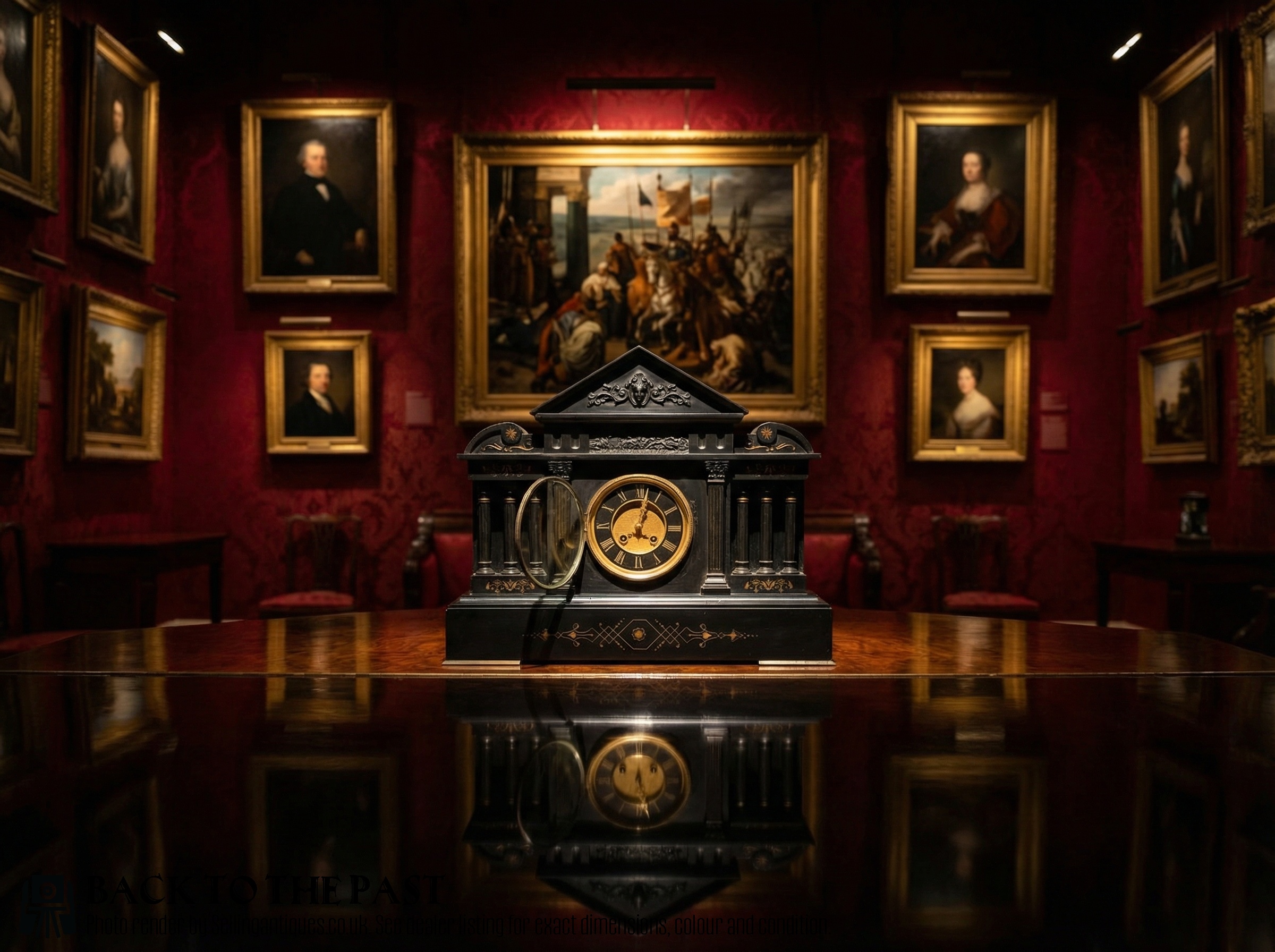
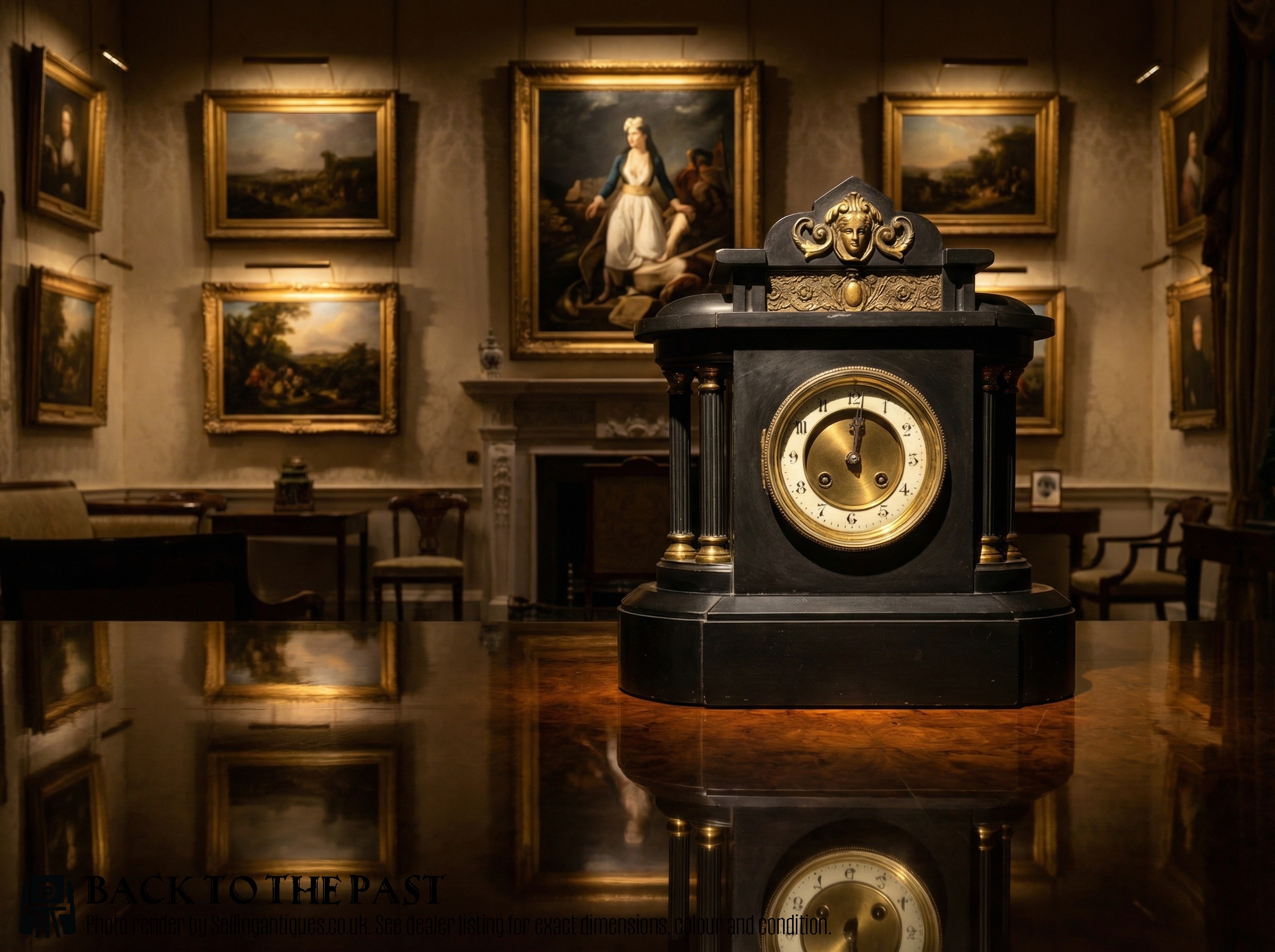
A buyer examining a victorian mantle clock finds a broad array of forms ranging from heavy architectural marble cases to intricate French carriage clocks and timber bracket clocks. The examples appearing most frequently on this page span the mid to late nineteenth century, encompassing heavy slate and marble bodies alongside brass and glass carriage designs.
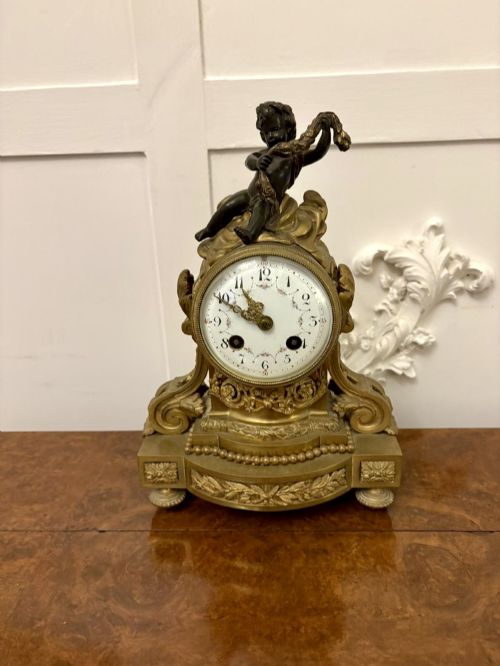
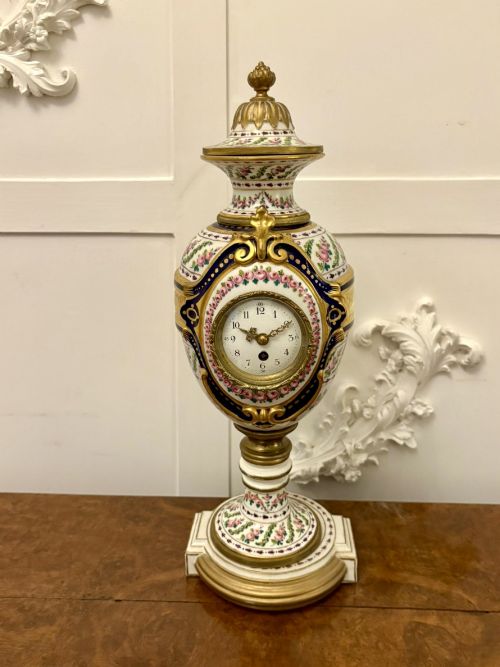
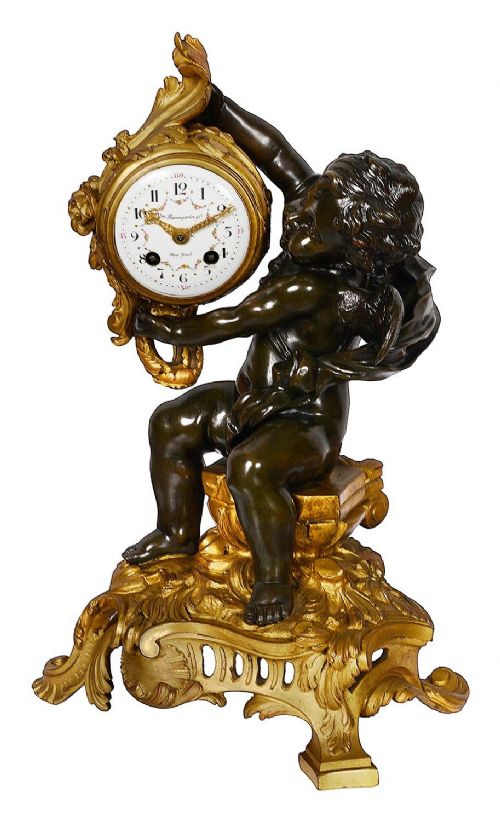
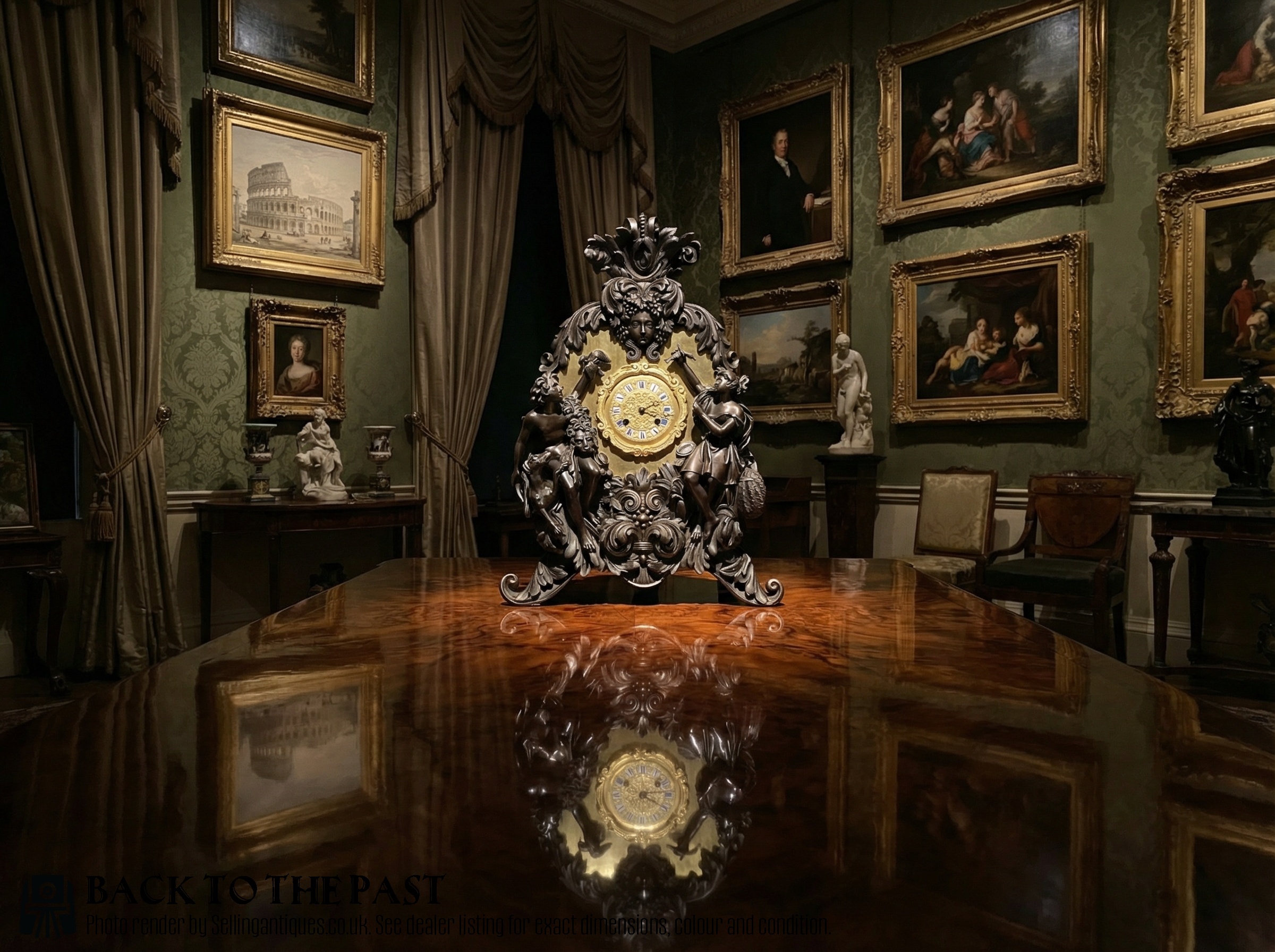
Many specimens display Continental influence, particularly French rococo revival and classical designs featuring bronze, ormolu, and hand-painted porcelain panels. Others originate from British workshops, utilising mahogany, walnut, oak, and marquetry inlay to suit domestic interiors.
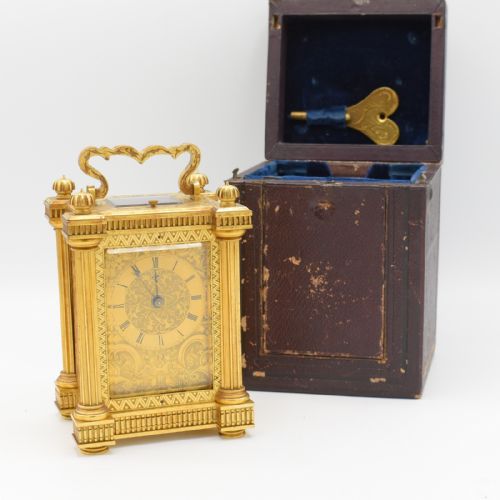
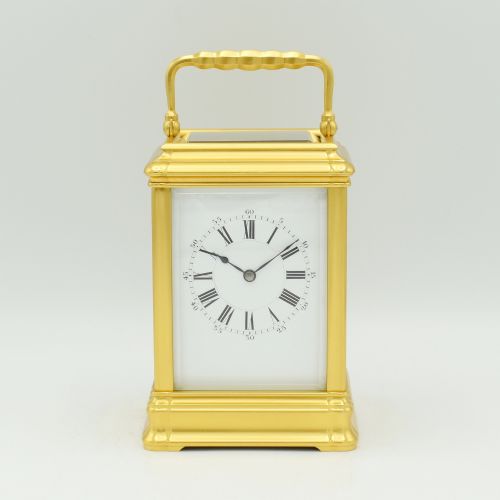
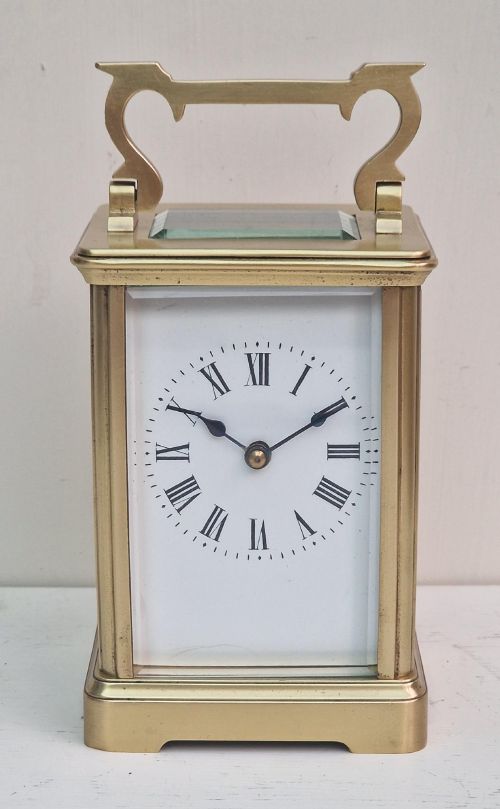
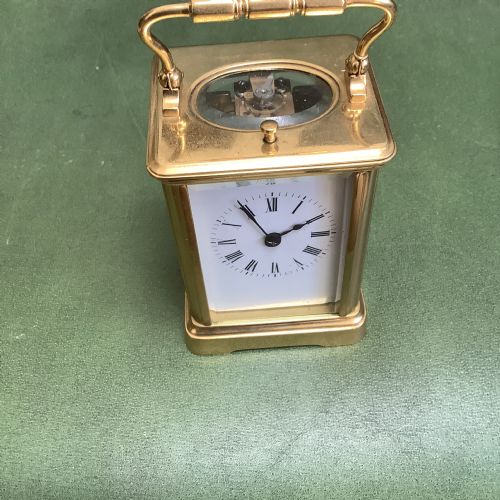
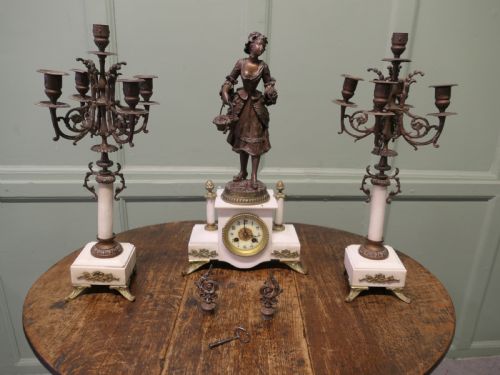
Garniture sets often accompany the central timepiece, consisting of matching side urns or candelabra designed to create a balanced arrangement on a fireplace mantel. Miniature brass carriage clocks with folding handles also appear regularly, reflecting the portable luxury requirements of the period.
Materials and construction methods
Makers constructed these clocks using substantial structural media including black and sienna marble, cast brass, gilded bronze, and dense hardwoods like mahogany and walnut. Movement plates and gears utilised brass and steel, driven by coiled springs or hanging weights.
Decorative surfaces frequently employed ormolu mounts, champlevé enamel, porcelain dials, and glazed panels to reveal the oscillating escapement within. Wood cases featured marquetry inlay, French polishing, and turned architectural details.
Victorian Mantle Clock Retail Price Guide 2026
Typical asking prices for victorian mantle clock among the pieces listed under this phrase on Sellingantiques today, from the lower quarter to the upper quarter. They describe what is for sale here now, not the wider market.
Listings feature French and British carriage clocks alongside heavy marble mantel clocks and timber bracket clocks.
Indicators of superior craftsmanship
Quality rests upon the execution of the mechanical movement, the weight and selection of case materials, and the crispness of decorative casting or carving. Signed backplates and maker inscriptions indicate workshops of higher repute.
Superior models feature engraved brass dials, hand-painted porcelain panels, bell or gong striking trains, and robust marble or bronze housings without structural repairs.
Henri Jacot·Howell and James·P L Hausburg Paris·The Ansonia Clock Company·Richard Winter of Chieveley·Schneckenburger
The Victorian Mantle Clock Glossary
- Carriage clock
- A small, portable spring-driven timepiece with a glass-panelled brass case and a folding handle, designed for travel during the nineteenth century.
- Garniture
- A set of matching decorative objects, typically a clock flanked by two matching urns, vases or candelabra intended for display together.
- Fusee movement
- A mechanism utilising a cone-shaped pulley to equalise the diminishing power of a mainspring as it unwinds, ensuring accurate timekeeping.
- Champlevé
- An enamelling technique where troughs are dug into a metal surface and filled with vitreous enamel before firing.
- Ormolu
- Gilded bronze, produced by applying a mercury-gold amalgam to a bronze base and heating it to vaporise the mercury.
Victorian Mantle Clock: Frequently Asked Questions
How do I wind a mechanical clock?
Most models require a specialised winding key inserted into the dial holes to tension the mainsprings every eight days. Care must be taken not to overwind the mechanism.
Ensuring the clock sits on a completely level surface allows the pendulum or escapement to beat evenly without stopping.
What is an eight day movement?
An eight day movement refers to a clock mechanism that runs continuously for approximately one week before requiring another manual wind. This development reduced the frequency of maintenance for households.
Such movements usually feature distinct arbours on the dial for timekeeping and striking trains.
How are carriage clocks different?
Carriage clocks were originally built for travellers, housed in heavy brass frames with glazed viewing panels so the escapement could be observed in motion. They incorporate robust escapements suited to movement.
Many examples include alarm functions or striking mechanisms within a compact footprint.
Why do some clocks have garnitures?
Garniture sets were manufactured to provide visual symmetry on nineteenth-century mantelpieces, flanking the central clock with matching decorative urns or candelabra. This arrangement reflected formal interior design conventions of the period.
The matching pieces often repeat the materials and motifs of the clock case, such as marble or porcelain.