


Victorian Mantelpiece Dogs
Victorian mantelpiece dogs are classic ceramic figures that bring character to a hearth, and these nineteenth century pairs and collections are what every traditional interior needs.
Victorian Mantelpiece Dogs
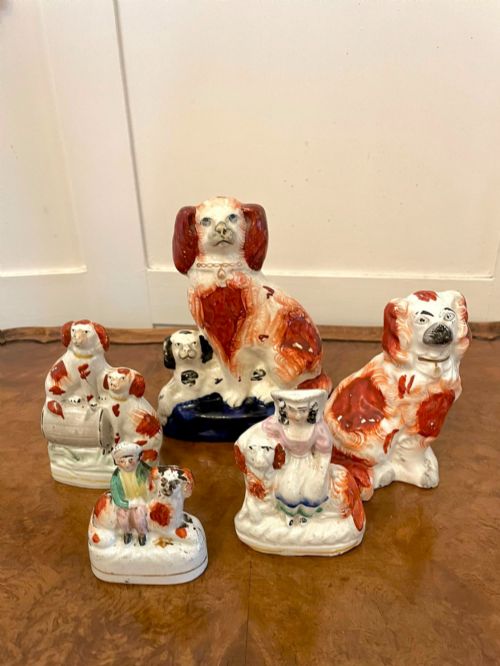
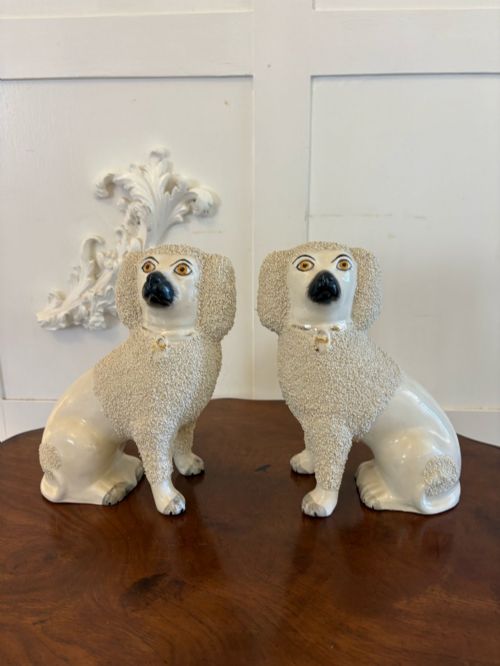
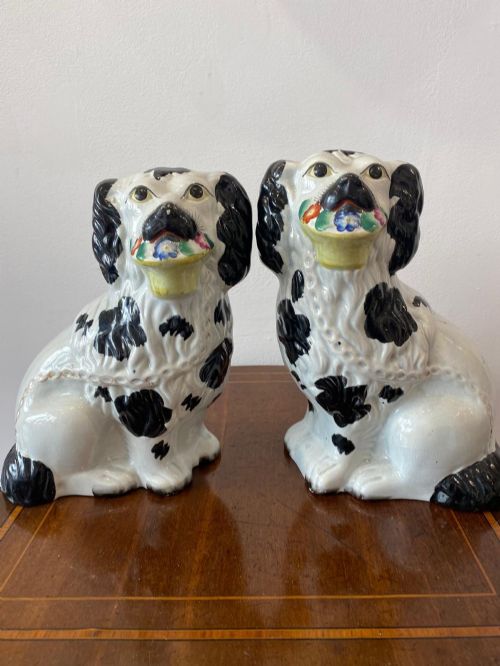
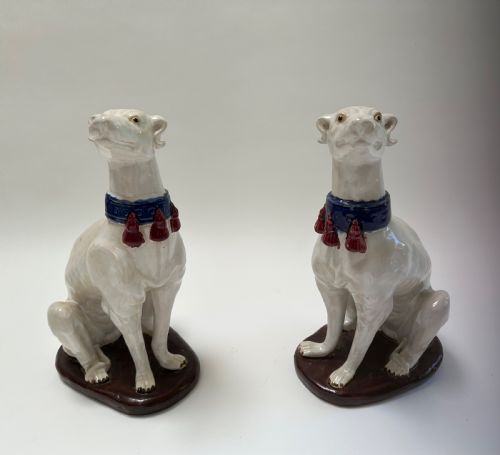
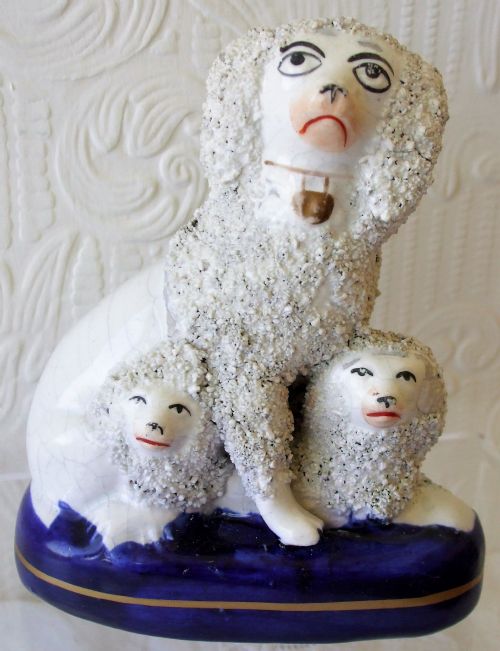
When you search for Victorian mantelpiece dogs, you look at earthenware ceramic figures that depict seated spaniels and poodles. These decorative objects date from the nineteenth century, including the Victorian period and around eighteen eighty and nineteen hundred.
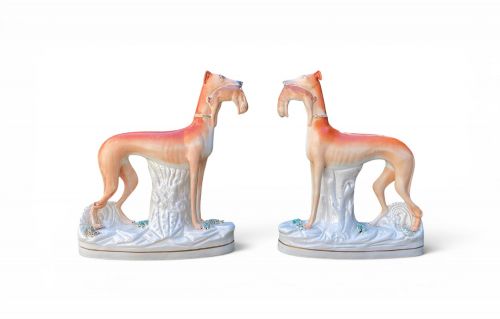
You meet pairs most often on this page, alongside groups of four pieces. These ornamental figures originate from English potteries and feature glazed finishes.
The ceramic figures capture the appeal of domestic pets in traditional poses. Collectors find them grouped by size, from standard mantel ornaments to miniature poodles.
How they were made
Firing in traditional kilns set the glaze and fixed the enamel colours permanently to the ceramic body. This technique created the glossy finish characteristic of nineteenth century Staffordshire pottery.
Victorian Mantelpiece Dogs Retail Price Guide 2026
Typical asking prices for victorian mantelpiece dogs among the pieces listed under this phrase on Sellingantiques today, from the lower quarter to the upper quarter. They describe what is for sale here now, not the wider market.
Miniature poodles share the mantel with majestic spaniels, proving that Victorian hearths welcomed toy dogs of all sizes.
What varies in quality
The artistic skill of the pottery painter dictates whether a face possesses character or looks flat. Finer examples show careful brushwork on the eyes, muzzle and gilt collars.
James Dudson
The Victorian Mantelpiece Dogs Glossary
- Earthenware
- Porous pottery fired at lower temperatures, commonly used for nineteenth century mantel figures before being glazed. It forms the structural body of these ceramic dogs.
- Lead glaze
- A glossy coating containing lead that gives pottery a shiny, protective surface layer. This finish reflects the light from hearth fires.
- Enamel paint
- Coloured glass paste applied over the fired glaze and heated again to fuse with the surface. It provides the distinctive red, black and gilt markings on the dogs.
- Figurine
- A small carved or moulded statuette representing a human or animal. These ceramic examples served as decorative mantel ornaments.
Victorian Mantelpiece Dogs: Frequently Asked Questions
Where did these dogs sit?
Victorian households placed these ceramic figures in pairs at either end of a mantelpiece above the fireplace.
They faced inwards toward each other to frame the hearth and domestic interior space.
What animals do they show?
The pieces on this page portray Staffordshire spaniels and poodles in seated positions.
Potters modelled these breeds to satisfy Victorian desires for domestic animal companionship in decorative form.
Are they sold as pairs?
Many listings feature matching pairs designed to sit symmetrically on a mantel or shelf.
Larger collections of four figures also appear for those wanting a grouped display.
What material is underneath?
The figures consist of earthenware, a traditional pottery material shaped in moulds.
Potters covered this clay body with glaze and enamel paint to finish the surface.