
Victorian Male Portrait Painting
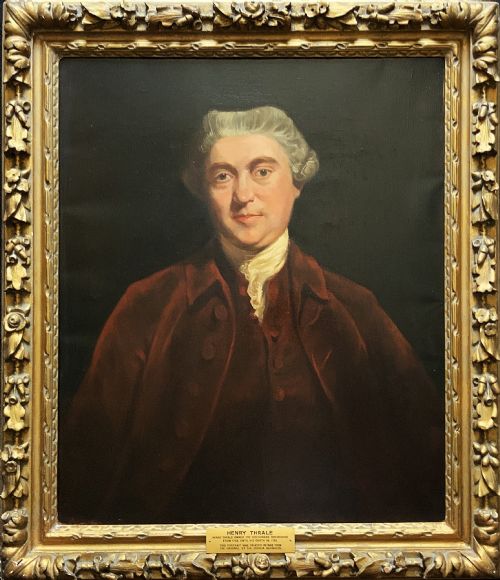
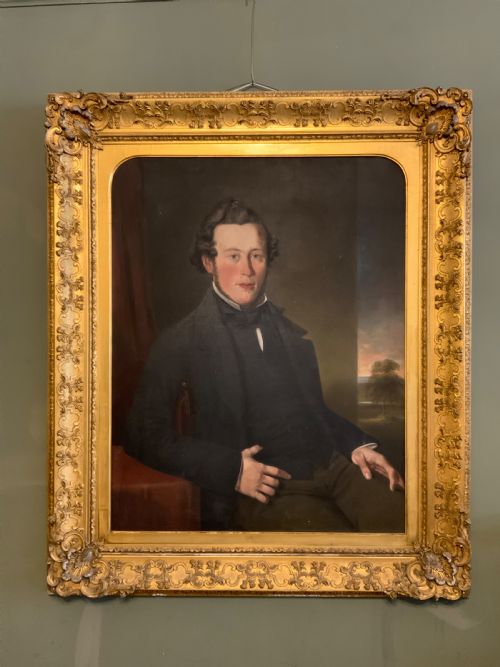
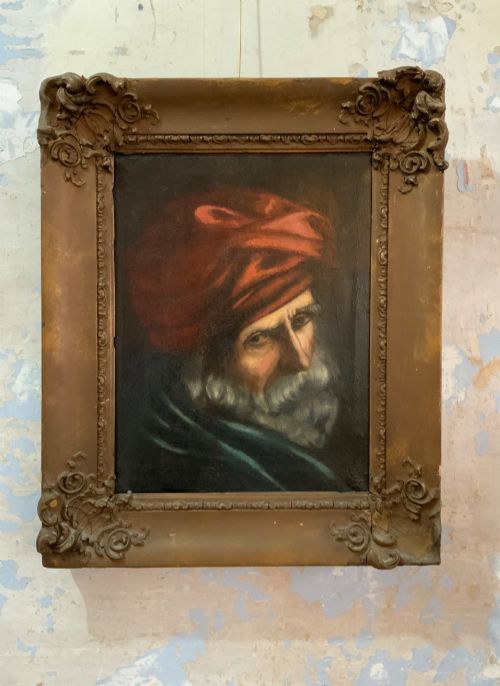
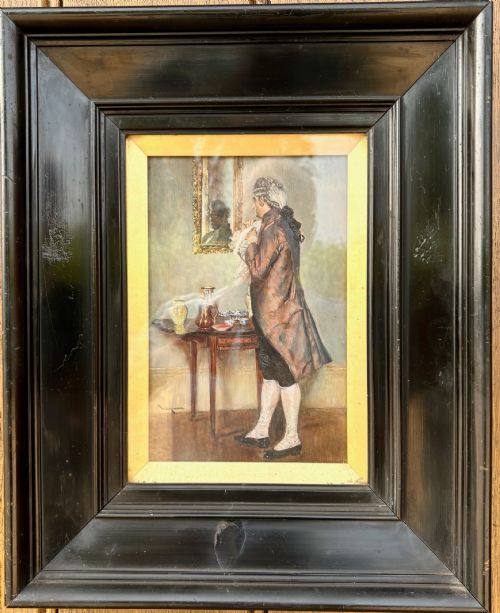
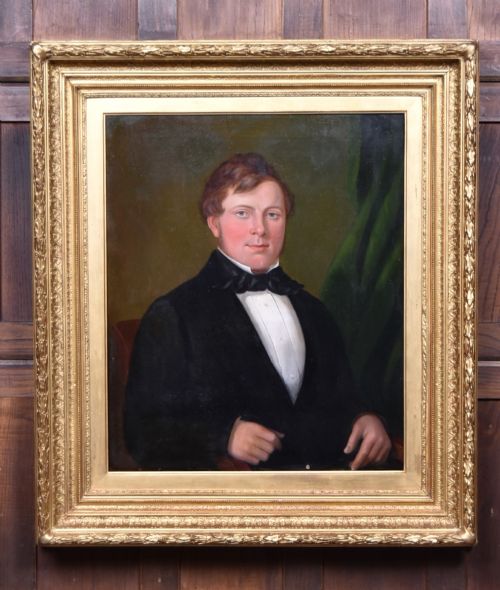
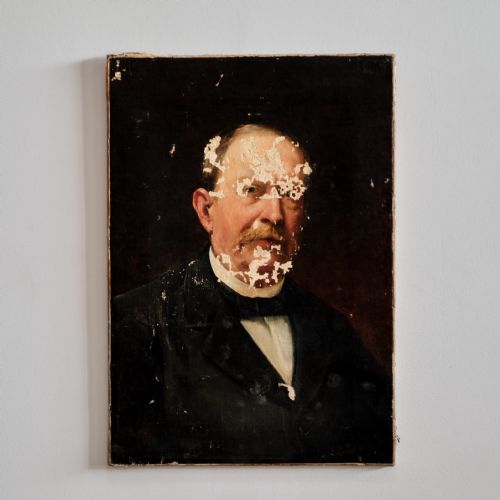
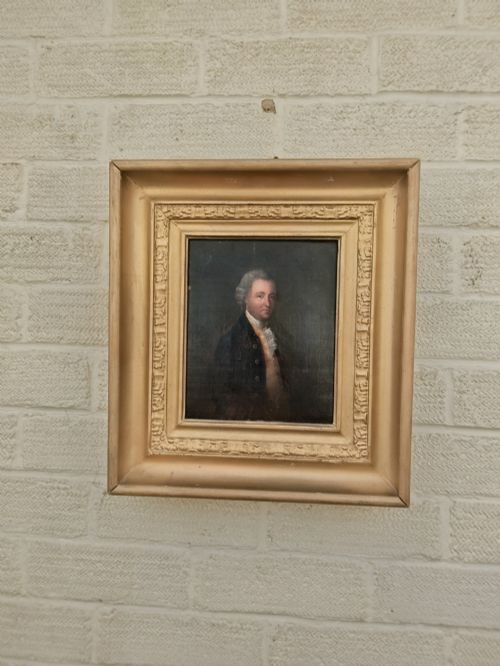
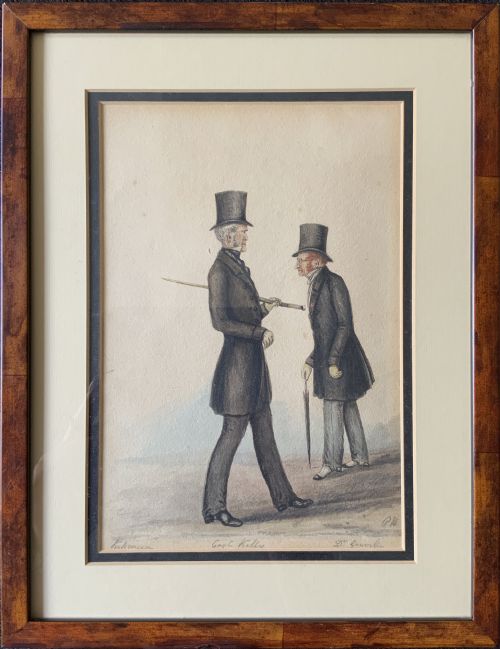
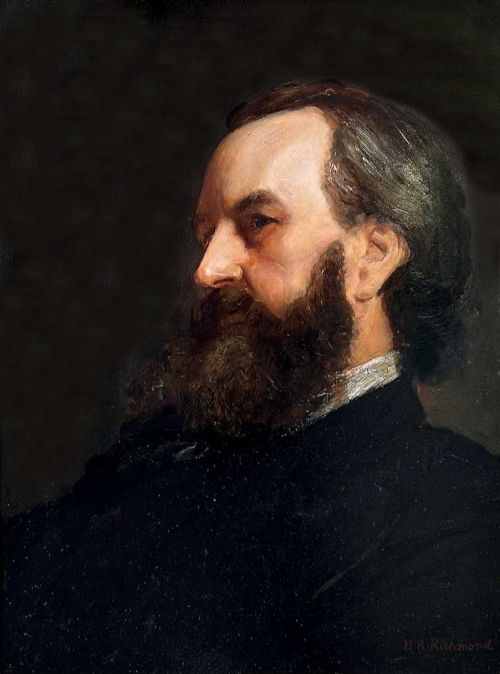
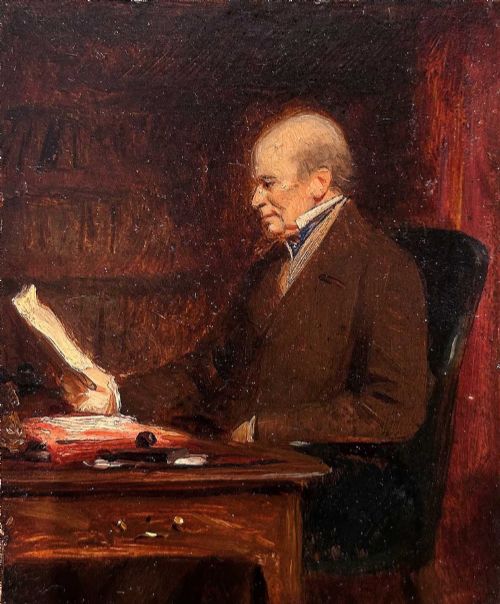
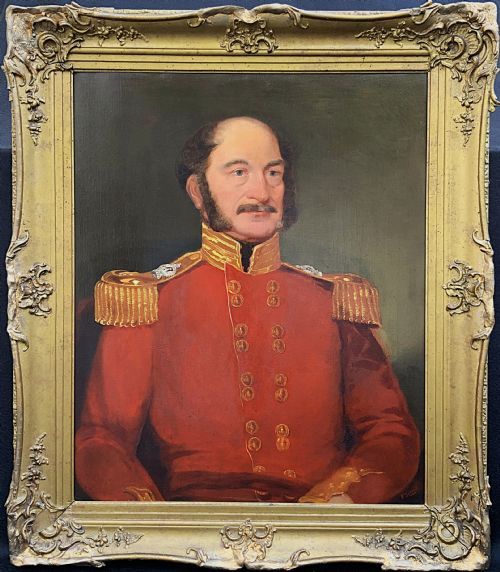
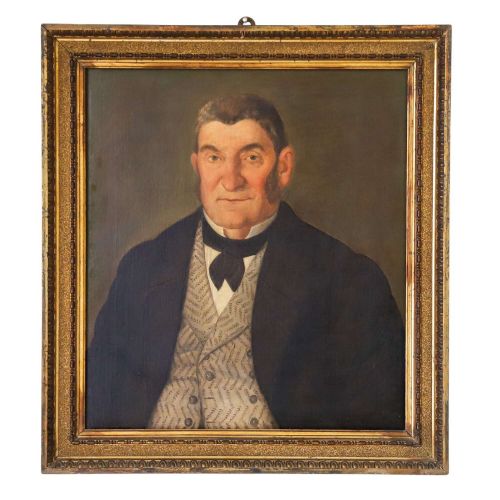
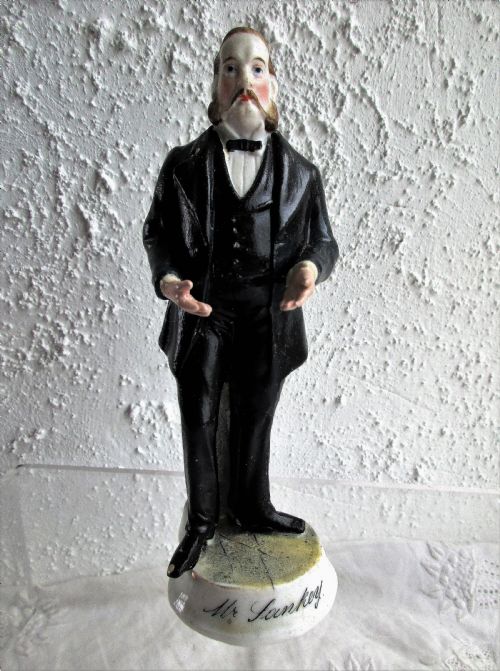
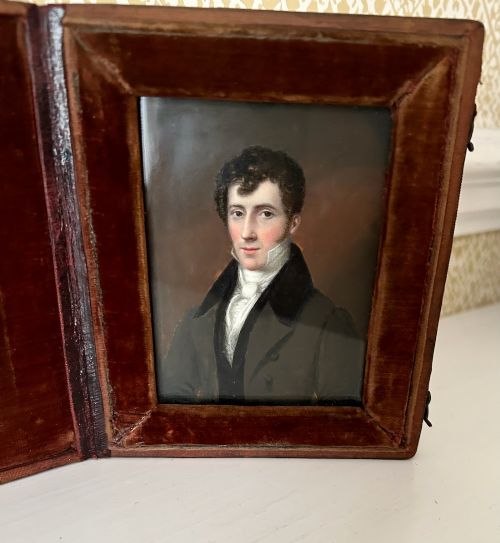
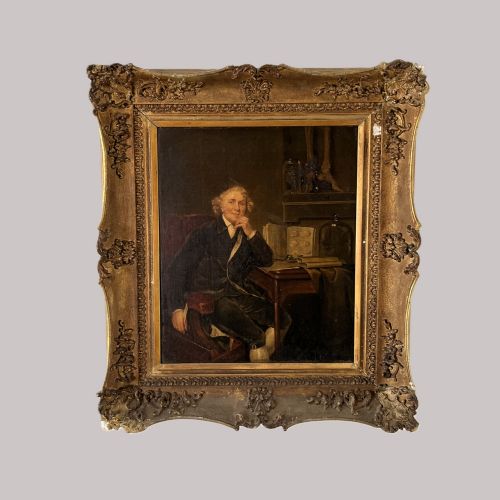
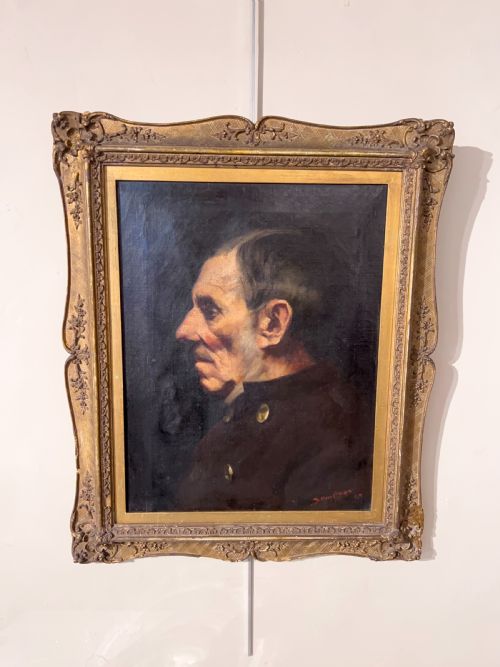
When buying a victorian male portrait painting, you encounter oils on canvas and watercolours depicting gentlemen, officers, and engineers.
Victorian Male Portrait Painting
A victorian male portrait painting captures the likenesses of gentlemen, officers, nobility, and professionals across the nineteenth century. These works range from intimate watercolour studies to large oils on canvas framed in giltwood and gesso.
Most examples originate from the Victorian and Regency periods, spanning the nineteenth century into the early twentieth century. Subjects include named figures such as military officers, engineers, and clergymen alongside anonymous sitters.
How they were made
Artists worked primarily with oil paint or watercolour applied to canvas, board, or paper. Support structures utilise wood and panel alongside traditional stretched canvas.
Framing often involves giltwood and gesso, protecting the surface beneath glass in watercolour examples or left open for oil paintings.
Listings feature oil on canvas, watercolour, and oil on panel, framed in giltwood and gesso across the nineteenth century.
What varies in quality
The skill of the brushwork and the precision in capturing the sitter's likeness determine the standing of each piece. Finer works display accomplished handling of expression and fabric, particularly in military uniforms and civilian attire.
The preservation of the paint surface and the originality of the frame contribute significantly to the character of the piece. Period frames finished in gilt gesso add historical context to the canvas.
W.D. Almond·William Blake Richmond·Stephen Pearce·Hans Temple·Bertram Priestman
The Victorian Male Portrait Painting Glossary
- Giltwood
- Wood carved and covered with a thin layer of gold leaf. This material forms the ornate frames typical of nineteenth-century portraiture.
- Gesso
- A plaster-like mixture applied to wood frames before gilding. It provides a smooth base for intricate moulded details.
- Watercolour
- Pigments bound in a water-soluble medium used on paper. These works appear under glass for protection.
- Oil on Canvas
- Pigment mixed with drying oil applied to woven fabric stretched over a wooden frame. This method represents the predominant medium for larger portraits.
Victorian Male Portrait Painting: Frequently Asked Questions
What periods do these portraits cover?
The works span the nineteenth century, encompassing the Regency, Victorian, and Edwardian eras. Painters recorded sitters from the 1830s through to the early 1900s.
Dates often appear on the back of the canvas or within the title documentation provided by the artist.
How were these paintings originally displayed?
Gentlemen hung these portraits in libraries, drawing rooms, and institutional offices. Giltwood and gesso frames provided a formal presentation suitable for domestic interiors.
Larger canvases commanded central positions on walls, while watercolours and miniatures sat in smaller, private spaces.
Are all the sitters identified?
Many paintings record the names of military officers, engineers, clergymen, and noblemen on the stretcher bars or frames. Other sitters remain anonymous gentlemen.
Inscribed names connect the artwork to specific historical biographies and professions.
What materials support the paint layers?
Artists utilised stretched canvas, wooden panels, and paper boards. Oil paint and watercolour served as the primary mediums for capturing the subjects.
Frames incorporate wood, gesso, and gold leaf finishes to house the artwork.
How do I distinguish watercolours from oils?
Watercolours require glass protection over paper surfaces to prevent environmental damage. Oil paintings feature textured paint layers on canvas or wood without glass.
Examining the surface under magnification reveals the weave of the canvas or the absorbent texture of the paper.