
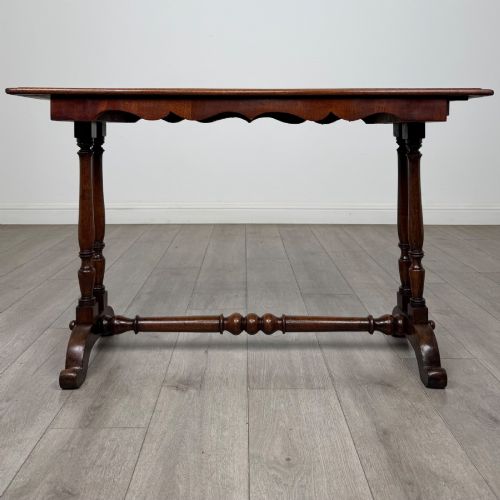
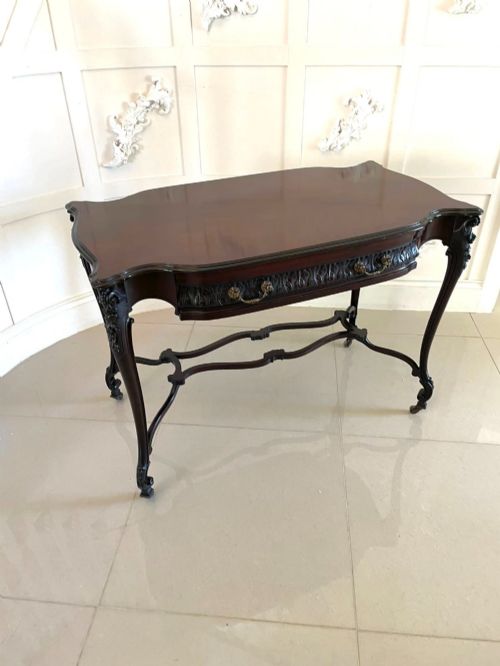
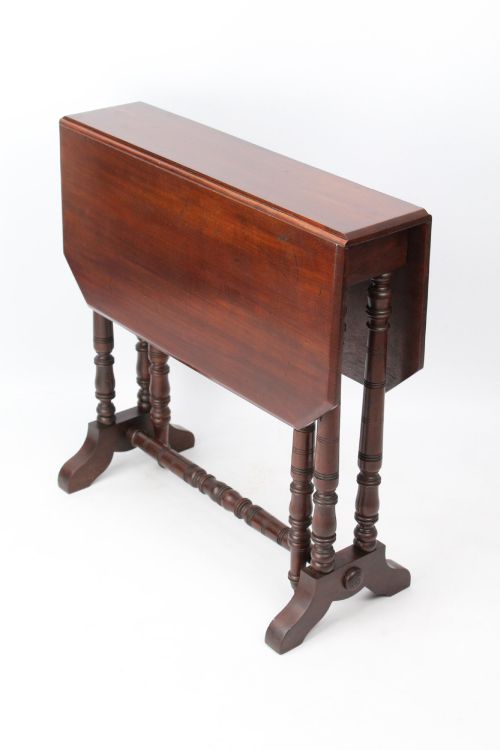
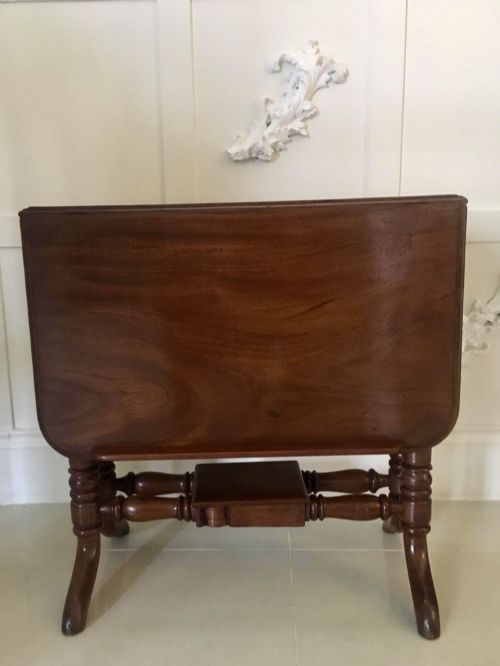


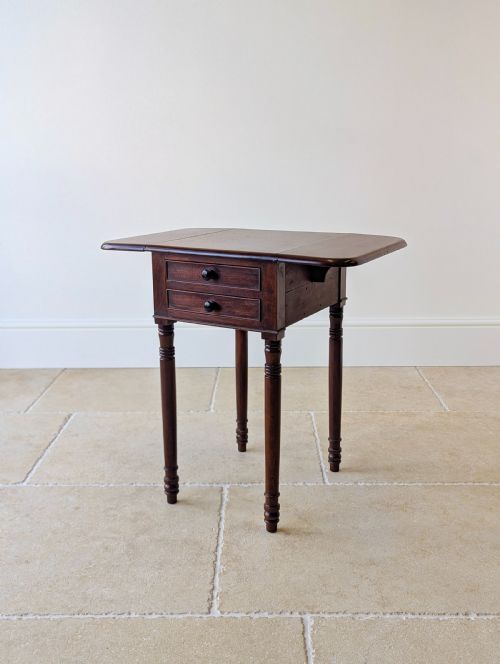
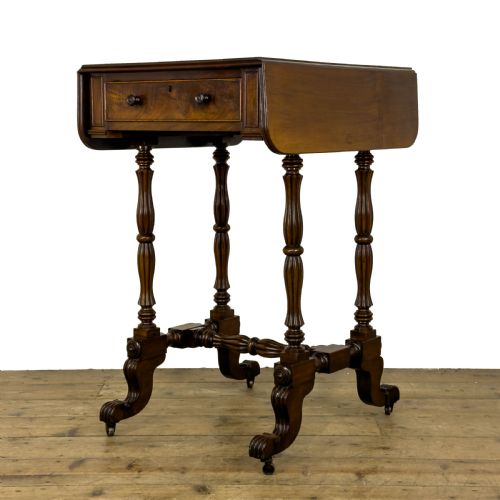
Victorian Mahogany Sofa Table
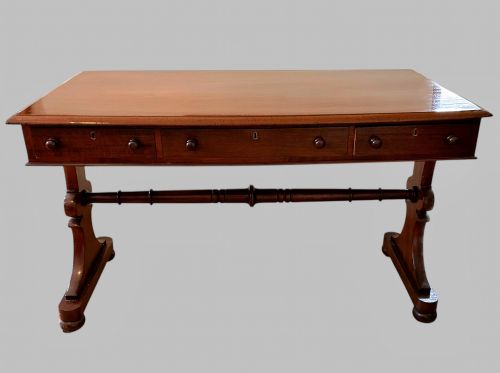
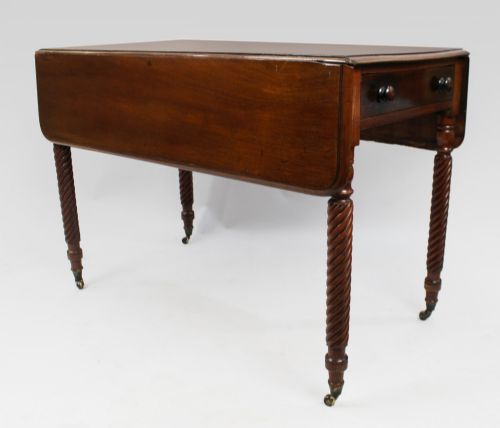
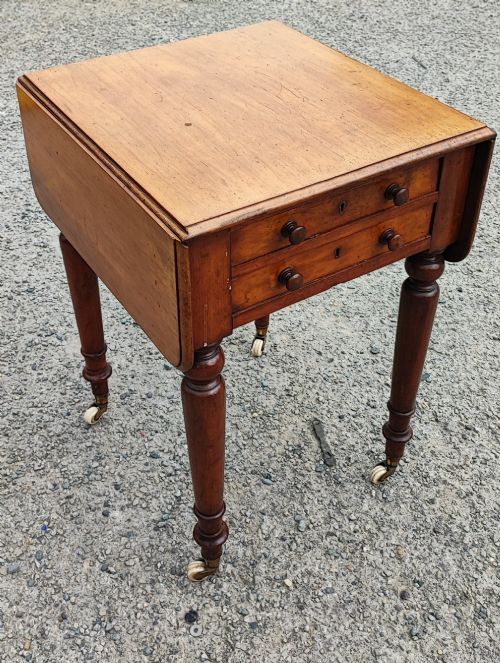
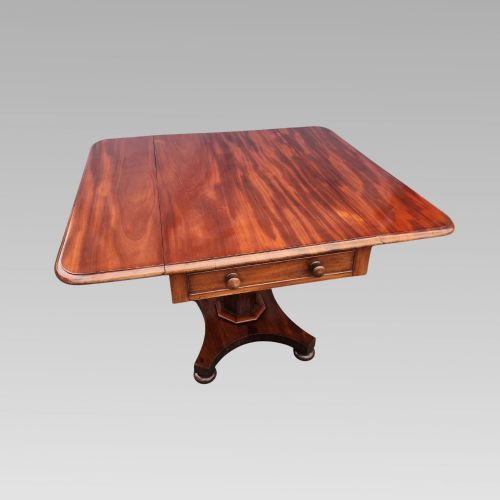
A victorian mahogany sofa table is a versatile drop-leaf piece designed to sit before a sofa or in the centre of a room, prized for rich timber and practical drawers.
Victorian Mahogany Sofa Table
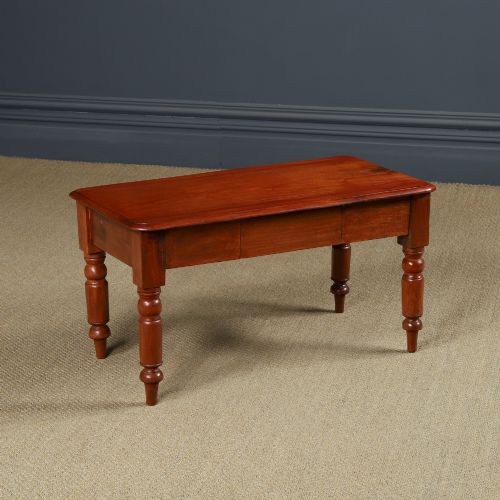
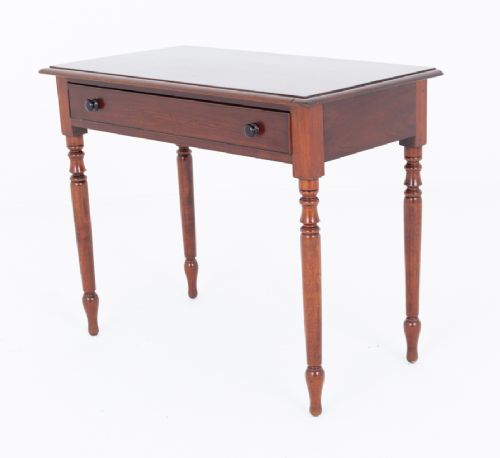
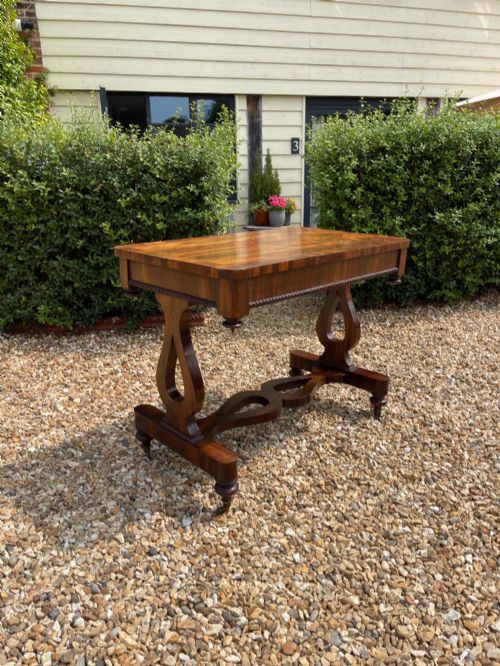
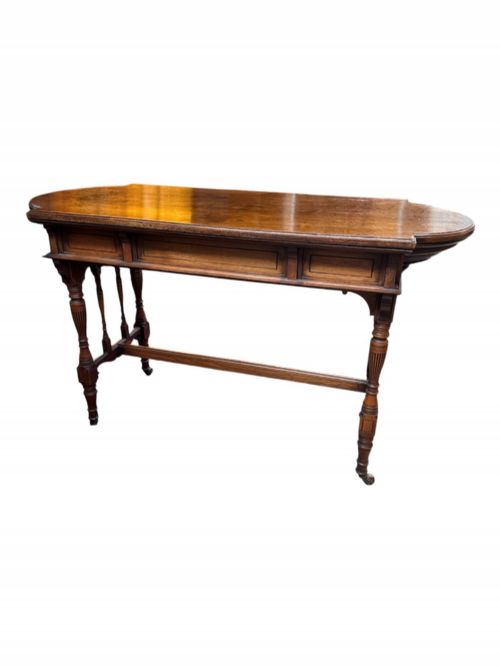
When you search for a victorian mahogany sofa table, you encounter practical centre tables and drop-leaf designs intended for nineteenth-century reception rooms. The pieces appearing here span the broader Victorian era alongside related forms like Pembroke tables, library tables, and occasional variants from the mid to late nineteenth century.
The versions most common on this page are drop-leaf tables featuring one or more drawers and characteristic turned or pillar supports. Makers built these tables from mahogany, often utilising Cuban timber, with secondary woods appearing in drawer linings and internal framing.
How They Were Made
Cabinet makers constructed these tables using solid and veneered mahogany, sometimes selecting highly figured timbers for the table tops and drop flaps. Brass fittings, castors, and occasionally leather inserts or marble tops appear across the recorded pieces to add utility and contrast.
Joinery methods included traditional drawer construction with dovetailed joints and stable framing designed to support folding leaves without sagging. Turning, carving, and occasional marquetry decoration reflect the shift from early Victorian conservatism to later Aesthetic movement tastes.
Some nineteenth-century makers thoughtfully fitted their sofa tables with velvet-lined wells so ladies could conceal their needlework during unexpected afternoon calls.
What Varies in Quality
Quality rests primarily in the selection of the mahogany timber, where richly figured grain and well-matched veneers elevate an example far above plain stock. The crispness of the carving, the proportion of the turned pedestals, and the retention of original brass castors and handles determine the standing of the piece.
Construction integrity also dictates value, seen in smooth drawer operation and solid framing that maintains the stability of the drop leaves over decades of use.
W. Turner Lord & Co·Liberty and Co
The Victorian Mahogany Sofa Table Glossary
- Sofa table
- A rectangular table with hinged drop leaves on either side, traditionally placed in front of a sofa. These pieces typically include drawers and a sturdy underframe.
- Pembroke table
- A small table with hinged drop leaves of shorter proportions, often utilised as a breakfast or work table. The leaves are supported by folding brackets known as rule joints.
- Cuban mahogany
- A dense, dark timber harvested in the West Indies, highly prized by nineteenth-century cabinet makers for its exceptional grain and durability. Furniture fashioned from this material often exhibits a deep, mellow patina.
- Drop leaf
- A hinged flap on the side of a table that can be raised to extend the surface area or lowered when space is restricted. It relies on pivoting wooden supports or swing legs.
- Library table
- A large freestanding table designed for holding books and writing materials, finished on all sides for placement in the centre of a room.
Victorian Mahogany Sofa Table: Frequently Asked Questions
What is a victorian mahogany sofa table?
A victorian mahogany sofa table is a nineteenth-century drop-leaf table designed to stand in front of a sofa or free in the room. They typically feature end supports and one or two fitted drawers.
Cabinet makers utilised rich mahogany timber, often featuring figured veneers and brass castors for ease of movement. These versatile tables served for writing, sewing, and general display.
Where were sofa tables placed?
Original nineteenth-century placement saw these tables positioned directly in front of sofas or freestanding in the middle of reception rooms. Their finished backs allowed them to sit away from walls.
Today, they function well behind sofas, as console tables in halls, or as compact writing desks in studies.
How do I date a mahogany table?
Dating relies on observing construction methods, timber choice, and stylistic details recorded across the nineteenth century. Early examples often display heavier classical proportions, while late-century pieces show lighter framing or Aesthetic movement influences.
Drawer linings, secondary woods, and hardware types further help narrow down the period of manufacture.
Are the drop leaves sturdy?
The drop leaves are supported by hinged rule joints and pivoting wooden arms designed to bear weight during normal use. Solid construction ensures stability when the flaps are raised.
Care should be taken not to lean heavy weights on the unsupported outer edges of the leaves.