
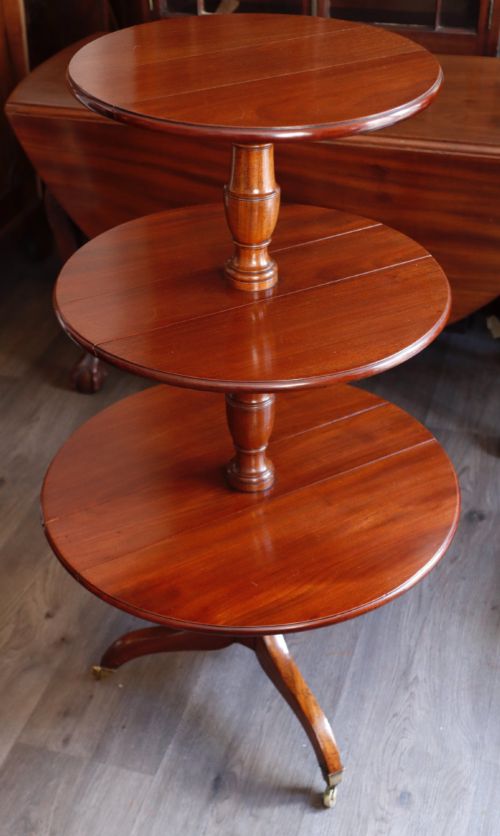
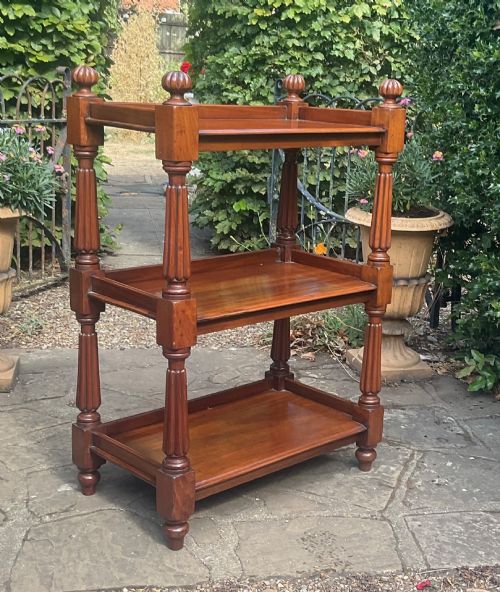
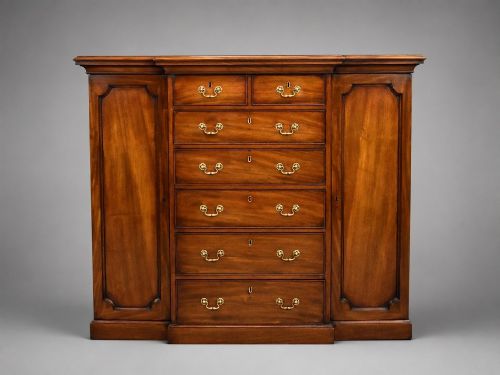
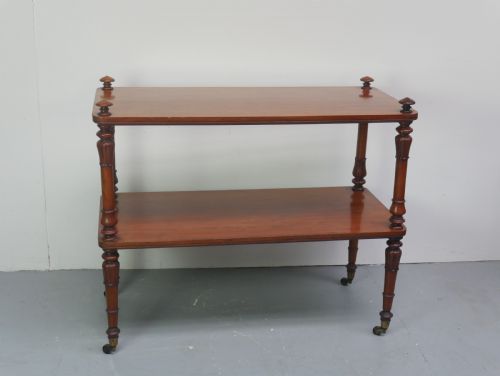



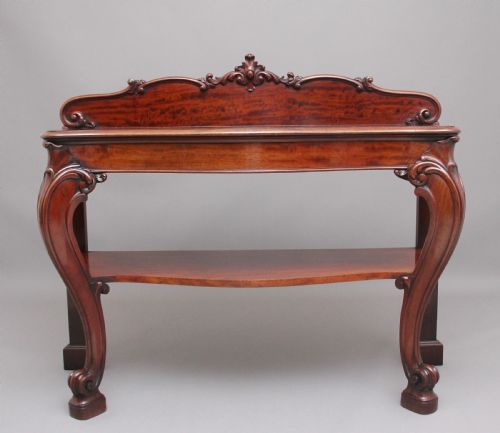
Victorian Mahogany Server Table
These robust victorian mahogany server table examples bring domestic dining rooms of the nineteenth century back to life with deep timber and practical tiers.
Victorian Mahogany Server Table
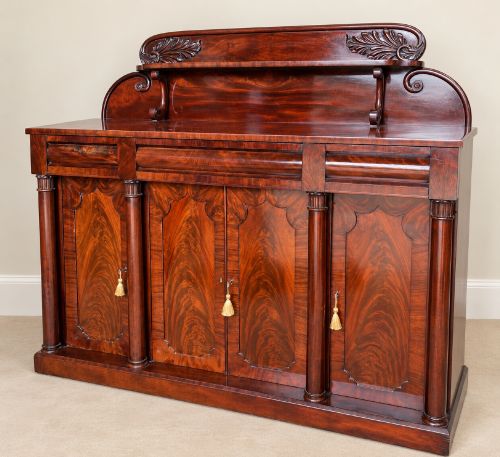
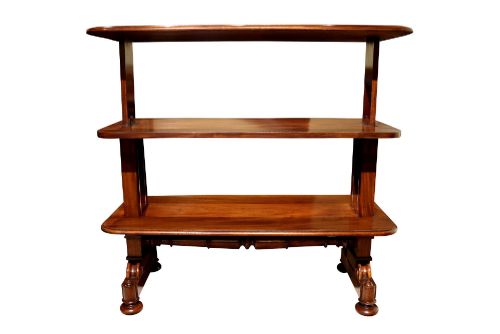
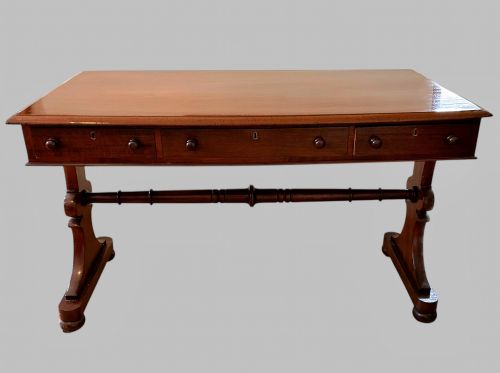
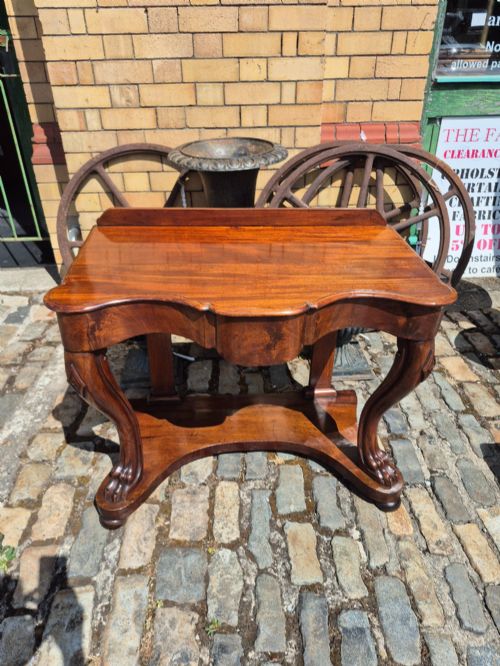
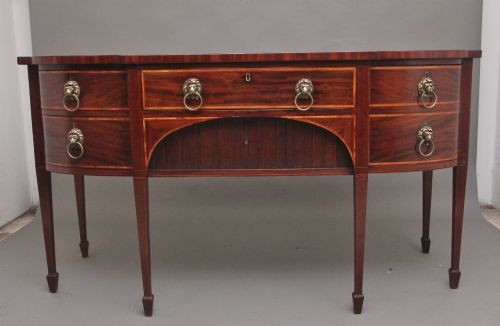
When you search for a victorian mahogany server table, you encounter heavy dining furniture designed for heavy service, carving joints, and holding silver dishes in nineteenth-century homes.
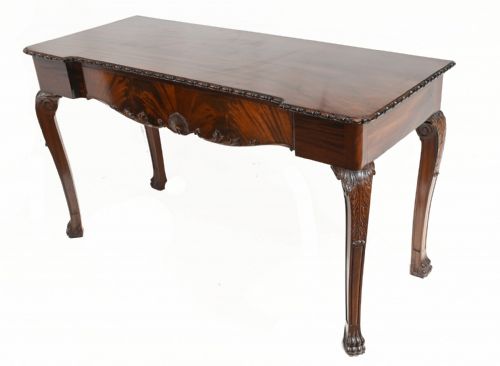
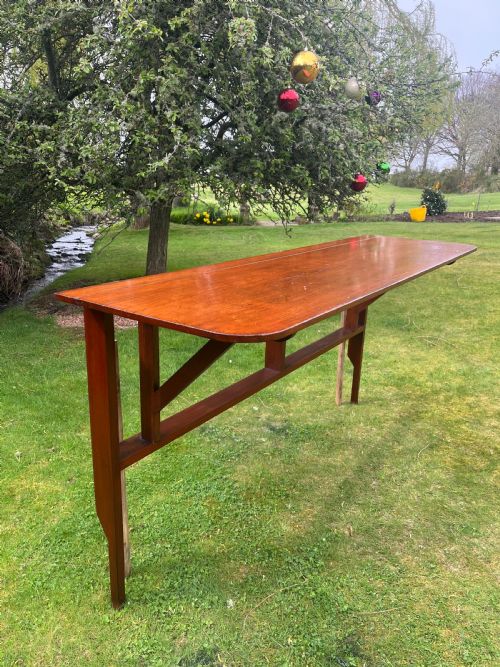
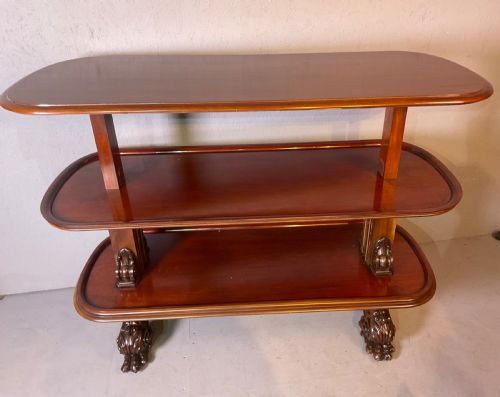
The pieces appearing most often on this page span the Victorian period alongside earlier Georgian roots, taking the form of multi-tiered buffets, console tables, and serving boards.
Makers shaped these surfaces from dense mahogany timbers, sometimes incorporating flame veneer, boxwood inlay, or rouge marble to suit formal dining rooms.
How they were made
Cabinet makers built these pieces using solid mahogany boards paired with flame mahogany veneer for figured grain patterns on drawer fronts and cupboard doors.
Structural elements frequently incorporated pine as secondary timber for drawer linings and internal framing, while brass hardware, castors, and boxwood stringing added functional detail.
Carving was executed by hand directly into the dense wood, creating console tables and sideboards featuring heavy scrolled supports, tiered plate shelves, and tripod bases.
Listings feature nineteenth-century mahogany timber combined with brass hardware, boxwood inlay, pine framing, and rouge marble surfaces.
What varies in quality
The selection ranges from utilitarian country house furniture to documented pieces carrying the mark of prominent cabinet makers like Gillows of Lancaster or Robert Strahan.
Superior examples display deep figuration in the flame mahogany veneer, crisply carved wooden details without soft edges, and original brass castors beneath rotating dumb waiters.
Proportion and scale dictate desirability, with exceptionally small proportions or massive multi-tiered sideboards commanding attention above standard domestic formats.
Gillows of Lancaster and London·W Williamson & Sons·Robert Strahan & Co
The Victorian Mahogany Server Table Glossary
- Flame mahogany
- A timber cut from the fork of the mahogany tree to reveal a rippling, flame-like grain pattern. Cabinet makers used this veneer on prominent drawer fronts and doors.
- Buffet
- A piece of dining furniture featuring multiple open tiers or shelves for displaying dishes. These served meals in grand houses before sideboards took precedence.
- Dumb waiter
- A revolving or tiered stand placed beside the dining table to hold plates and wine bottles. This form allowed diners to serve themselves without servants present.
- Console table
- A table designed to stand flat against a wall, frequently supported by carved brackets or legs. They often doubled as serving tables in dining spaces.
- Rouge marble
- A deep red decorative stone imported for tabletops. It provided a durable, heat-resistant surface on late nineteenth-century washstands and serving furniture.
Victorian Mahogany Server Table: Frequently Asked Questions
What is a victorian mahogany server table used for?
These tables served dining rooms as auxiliary surfaces for holding heavy platters, dishes, and serving utensils during large Victorian meals.
Today, buyers place them in hallways, dining rooms, and living spaces as console tables or sideboards that provide deep timber surface area.
How do I identify a Victorian piece?
Victorian pieces display dense mahogany timber, often with heavy hand-carved scrolling, solid brass castors, and tiered shelving arrangements typical of the mid to late nineteenth century.
Look for construction methods such as hand-cut dovetails in the drawers and secondary pine framing beneath the primary mahogany surfaces.
Are these tables suitable for modern homes?
Their substantial timber construction and narrow profile make them practical for modern hallways, dining rooms, and reception areas as display tables.
The deep drawers and sturdy lower shelves provide useful storage capacity for household items while maintaining period character.