
Victorian Mahogany Plinth
A victorian mahogany plinth provides a solid, architectural foundation for displaying figures, lamps, and decorative objects.
Victorian Mahogany Plinth
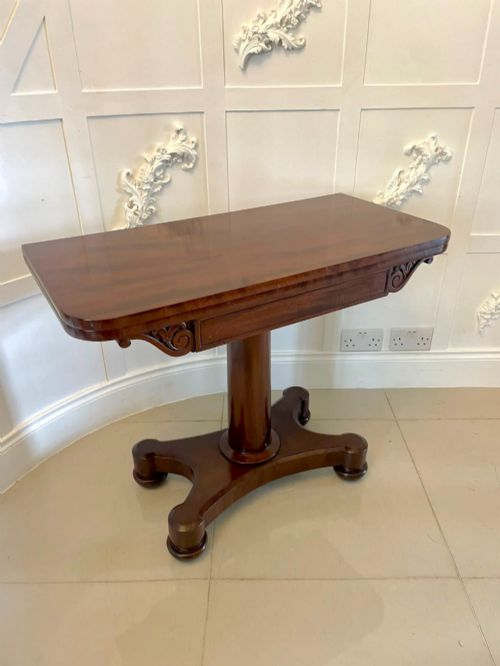
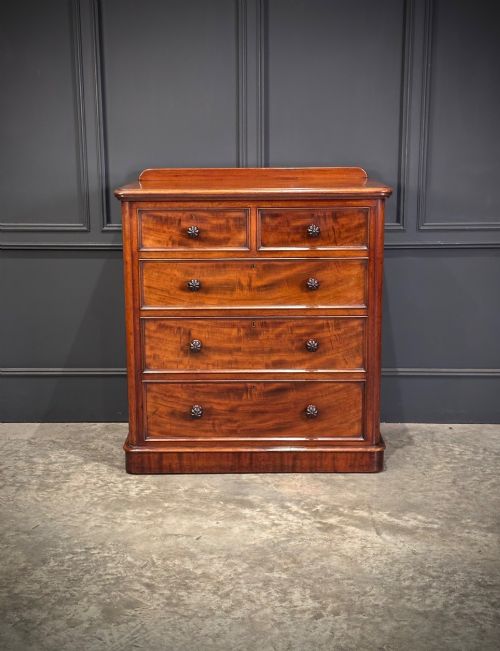
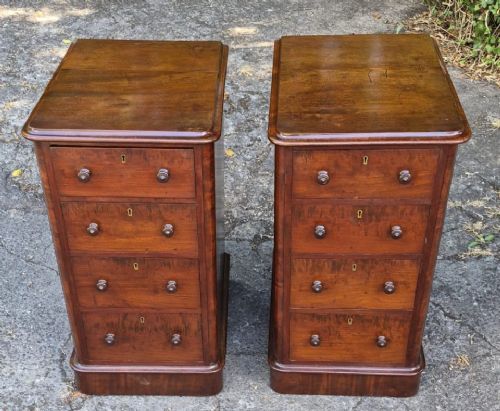
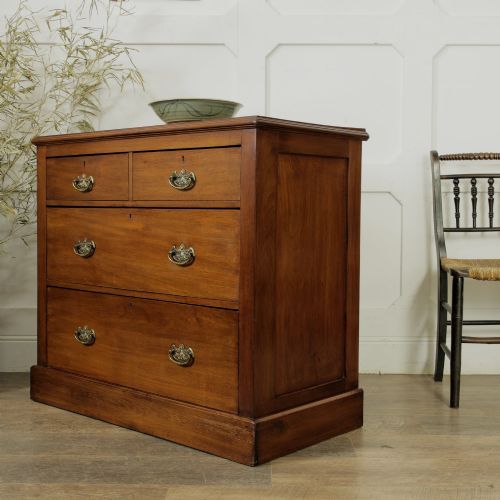
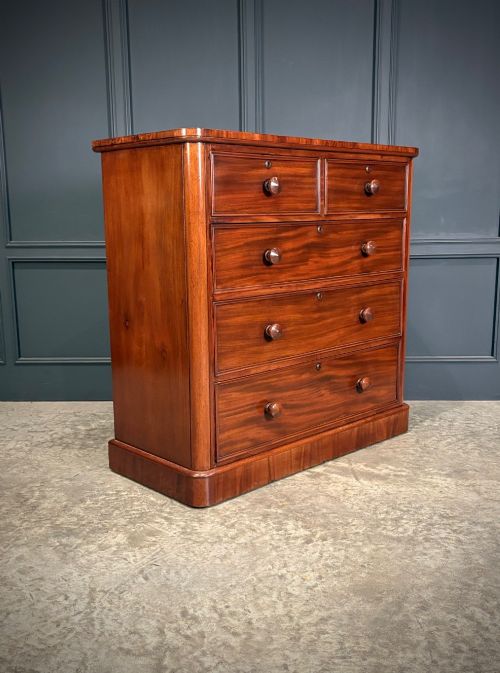
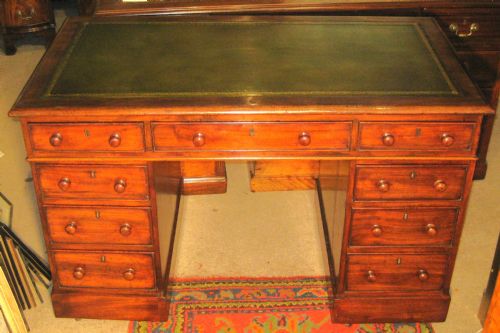
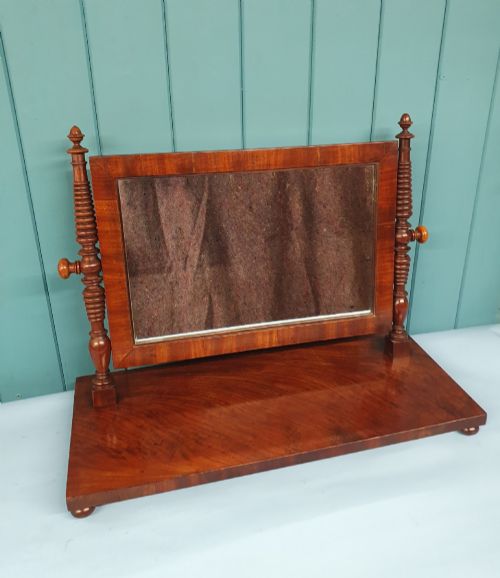
When buyers search for a victorian mahogany plinth, they encounter sturdy wooden display stands, architectural columns, and structural bases associated with chests of drawers, bookcases, and cabinets. The pieces span the nineteenth century, utilising dense tropical timber to create stable platforms for heavier display items.
The selection frequently includes column pedestals featuring marble tops alongside dedicated lamp stands, cylinder display modules, and foundational bases salvaged from larger case furniture. These objects range from plain structural blocks to classical revival columns resting on stepped plinth feet.
What varies in quality
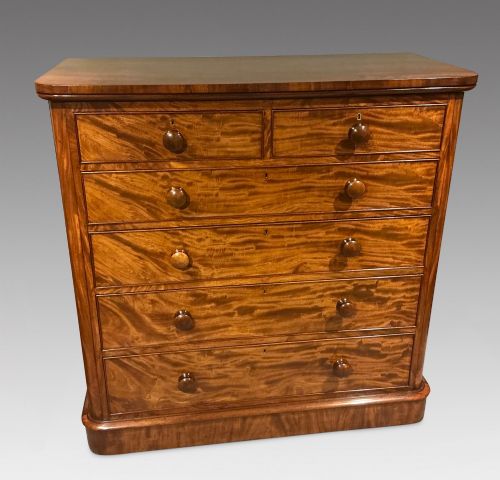
Quality rests upon the selection of timber figures, particularly the use of highly figured flame mahogany veneer versus plain, uniform planks of wood. Superior examples display balanced proportions, crisp architectural mouldings, and careful integration of secondary materials like marble inserts.
The weight and engineering of the core structure dictate durability, separating heavy, stable display columns from lighter, purely decorative stands. Finer pieces maintain original surface patination and tight joinery without relying on excessive modern restoration.
Victorian households even required dedicated mahogany shoe box cabinets and ottoman stands to keep polite boots out of sight.
Mawer & Stephenson·Holland & Sons
The Victorian Mahogany Plinth Glossary
- Plinth base
- The flat, heavy architectural block forming the lowest constituent of a case piece or column. It elevates the body above floor level and adds visual weight to the design.
- Flame mahogany
- A distinct wood veneer harvested from the fork of the tree where branches meet the trunk. This cut produces a dramatic, flickering flame-like pattern across the surface.
- Pedestal
- A tall vertical support or column designed to elevate sculptures, urns, or lamps. These structures often feature classical revival details or simple classical proportions.
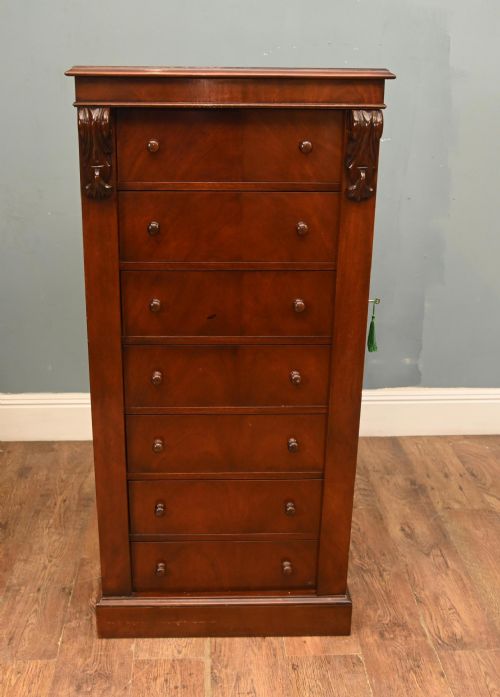
- Wellington chest
- A tall, slender case of drawers secured by a locking side stile hinged to the cabinet frame. They typically sit directly on a moulded plinth base.
- Breakfront
- A piece of furniture featuring a central section that projects forward from the flanking wings. This architectural arrangement creates depth and shadow on larger sideboards and cabinets.
Victorian Mahogany Plinth: Frequently Asked Questions
What is a victorian mahogany plinth used for?
These pieces serve as sturdy platforms for displaying table lamps, bronze figures, urns, and decorative ceramics. They elevate objects to eye level while adding nineteenth-century architectural character to a room.
Historically, similar stands also formed the foundational base for larger case furniture like bookcases and chests of drawers. Today, standalone versions function primarily as decorative pedestals in traditional interiors.
How do I identify a nineteenth-century pedestal?
Examine the timber closely for the deep reddish-brown colour and dense grain characteristic of genuine period mahogany. Nineteenth-century examples often display hand-cut joinery and heavy construction timber rather than modern laminates.
Check for secondary woods like pine on hidden structural components and look for natural beeswax or shellac patination. Maker stamps or labels can occasionally be found inside drawers or on the underside.
Are marble top columns authentic to the period?
Many nineteenth-century display pedestals incorporated inset marble tops to provide a cool, stable, and heat-resistant surface for heavy ornaments and lamps. These contrasting stone slabs were fitted directly into the timber frame during construction.
They reflect the classical revival and neoclassical influences popular among Victorian cabinet makers who favoured mixed-media furnishings. The stone adds significant weight, improving the overall balance and stability of tall stands.