

Antique Circular Pedestal Stand
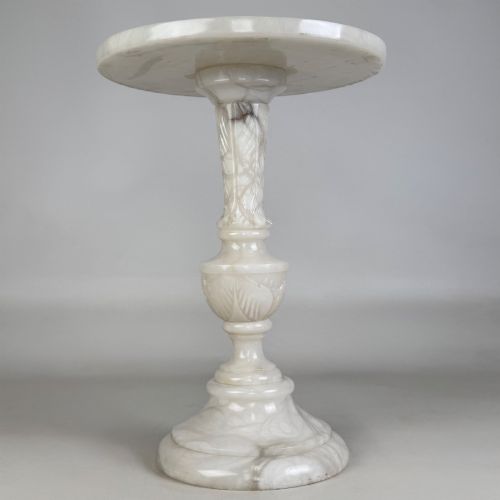
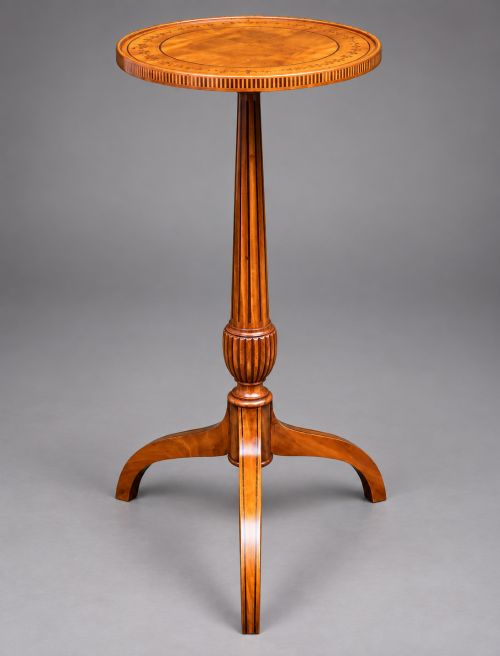
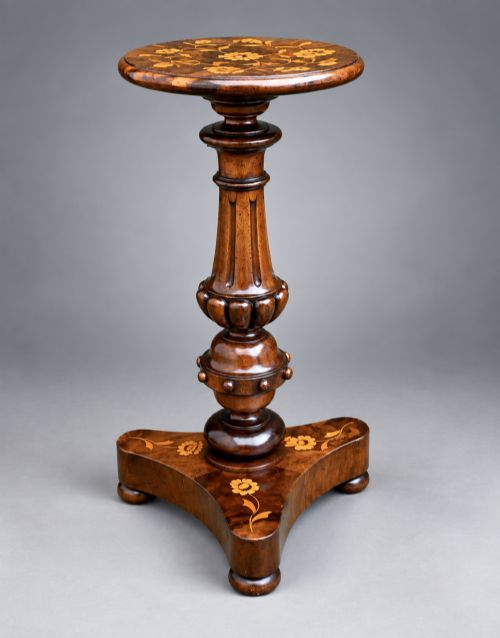
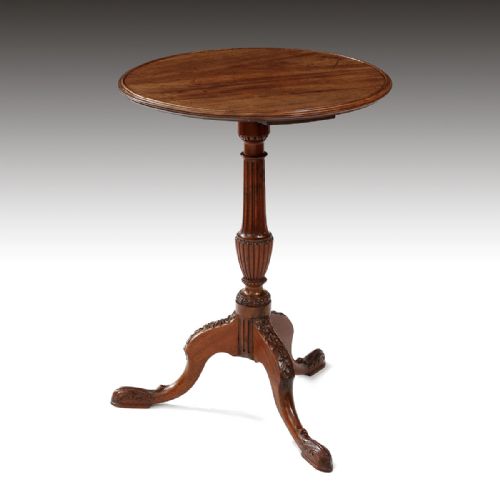
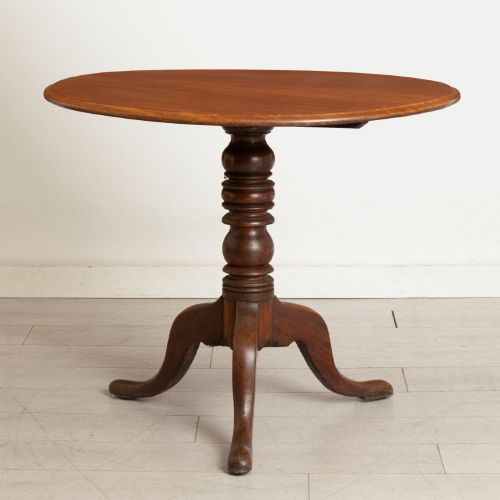
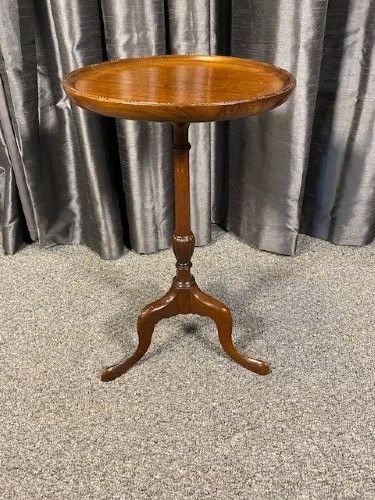
An antique circular pedestal stand provides a stable, compact surface raised on a central column, prized for fitting neatly beside seating.
Antique Circular Pedestal Stand
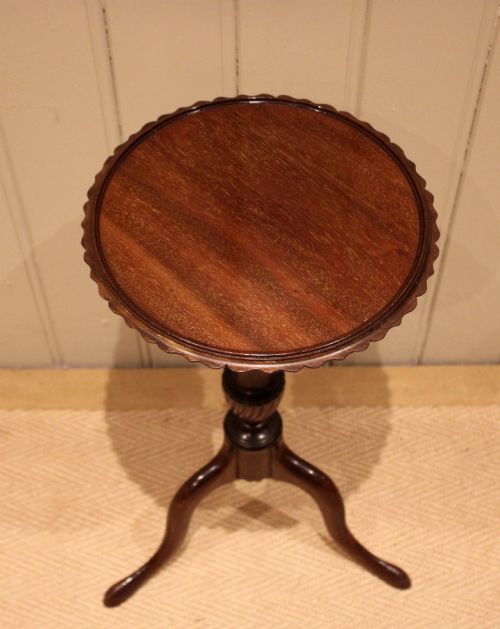
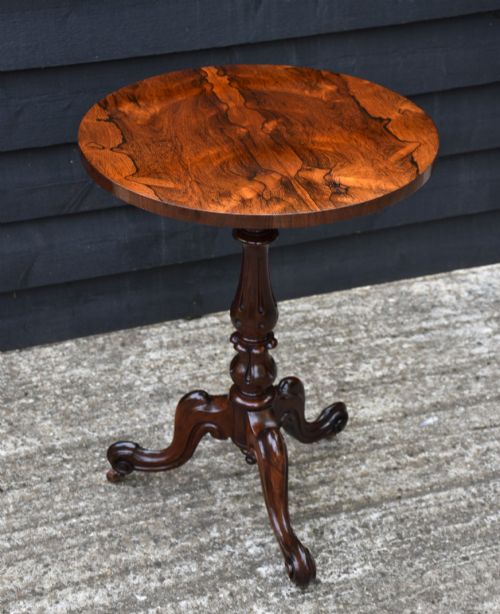
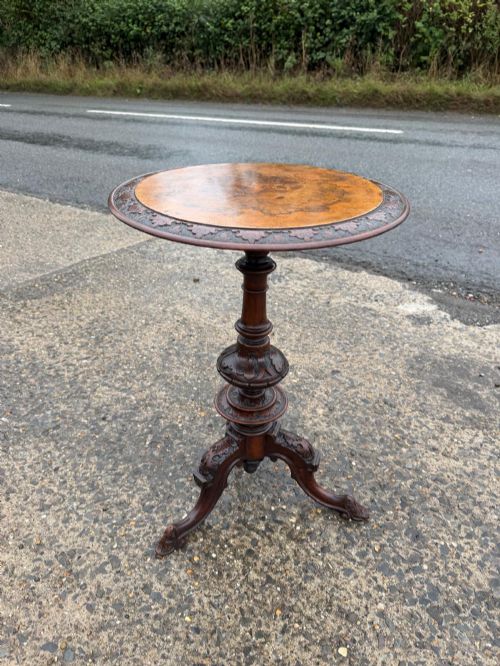
When you search for an antique circular pedestal stand, you encounter small occasional tables, wine tables, and tripod tables designed to hold small items without taking up much floor space. The selection spans the Georgian, Regency, and Victorian eras, alongside Edwardian examples.
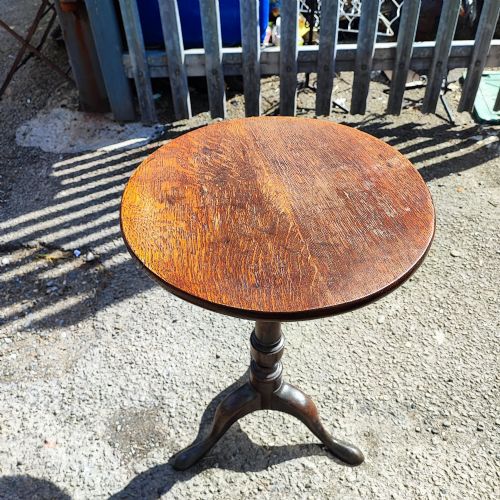
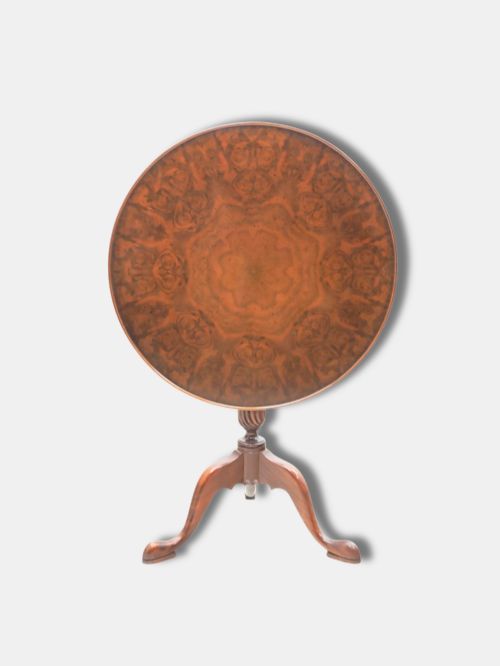
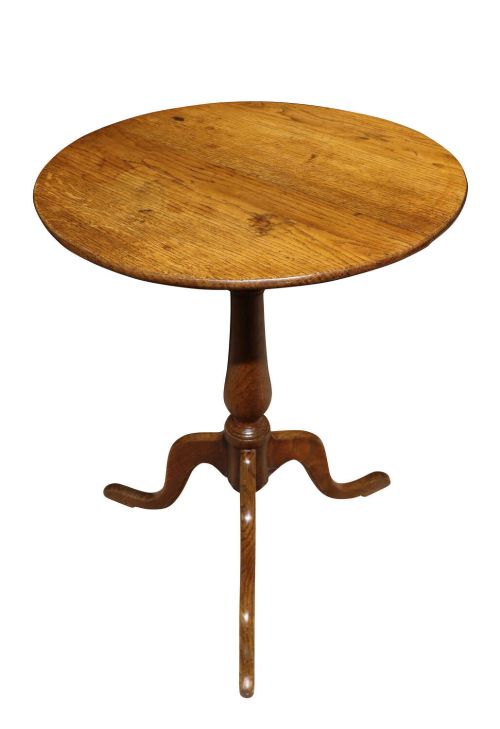
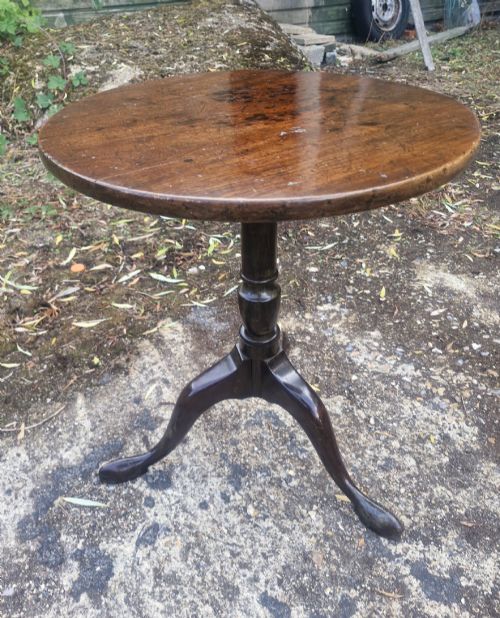
Mahogany is the dominant timber across these periods, supplemented by oak, rosewood, walnut, and burr wood. You frequently find tripod bases supporting a round top, sometimes featuring tilt mechanisms or birdcage actions.
Smaller wine tables and lamp tables appear most often, alongside occasional tables from the eighteenth and nineteenth centuries. Regional and vernacular pieces in oak sit alongside formal mahogany designs from the George III and Regency periods.
Materials and construction
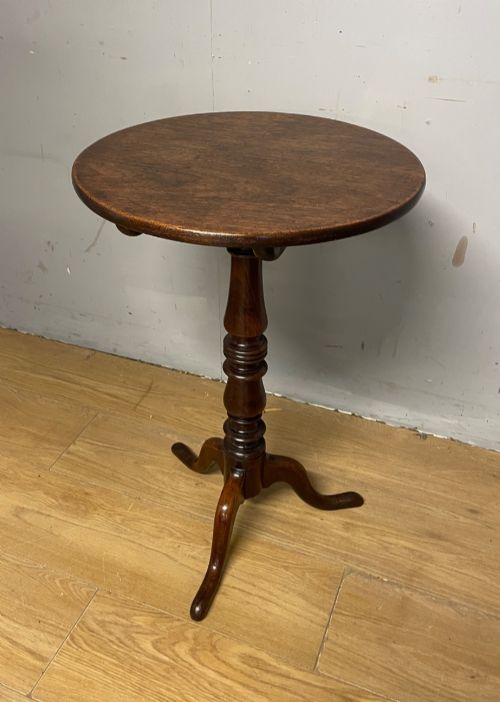
Cabinetmakers constructed these stands predominantly from solid and veneered timbers such as mahogany, oak, walnut, and rosewood. Turning lathes shaped the central pedestals and legs, while joinery secured the tops to the central columns.
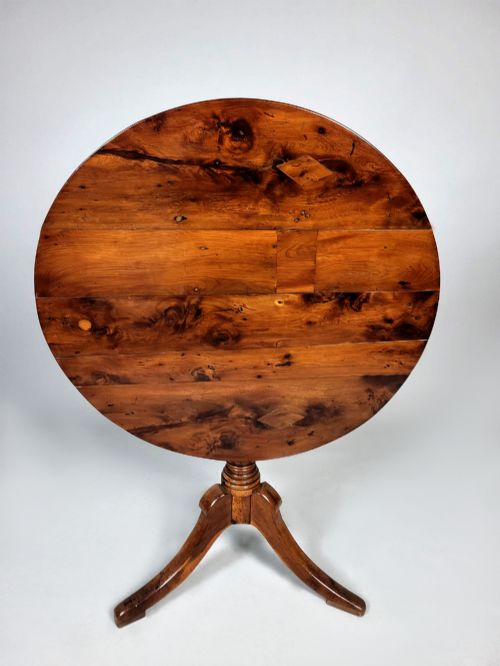
Many examples utilise tilt-top or snap-top mechanisms with brass catches, allowing the circular top to fold down vertically when not in use. Tripod bases provide balance through three legs splaying outward from the base of the pedestal.
Some nineteenth-century tables feature clever brass catches that let the top snap shut with a satisfying click.
Craftsmanship and timber
Quality reveals itself in the selection of timber figures, such as highly grained burr wood or richly figured mahogany and rosewood veneers. The turning of the central pedestal and the precise fitting of the tripod joints show the maker's hand.
Mechanisms like tilt-top birdcage movements and brass hinges demonstrate refined engineering in better pieces. Structural stability in the central column and the alignment of the tripod legs separate robust examples from simpler ones.
Gillow
The Antique Circular Pedestal Stand Glossary
- Tripod table
- A small standalone table supported by three legs radiating from a central pillar. This form became popular during the Georgian period.
- Tilt top
- A tabletop mounted on a hinge mechanism that allows it to swivel and rest vertically against the pedestal. This feature saved space when the table was not in use.
- Birdcage
- A revolving wooden framework beneath the tabletop that allows the surface to both tilt and rotate. This complex mechanism appears on better eighteenth-century examples.
- Pedestal stand
- A piece of furniture supported by a single central pillar rather than four corner legs. This design maximises legroom around the base.
- Occasional table
- A small, movable table intended for intermittent use in a reception room or parlour. These tables frequently feature circular tops and central pedestals.
Antique Circular Pedestal Stand: Frequently Asked Questions
What is a wine table?
A wine table is a small, portable pedestal stand designed to hold a glass and bottle during evening gatherings.
Their compact circular tops and light tripod bases allowed servants to move them easily around a drawing room.
Where should I place a tripod table?
Tripod tables suit corners, beside armchairs, or next to sofas where a small surface is useful for a lamp or book.
Their modest footprint allows them to fit into narrow spaces without crowding a room.
What does tilt-top mean?
A tilt-top mechanism connects the circular tabletop to a catch on the pedestal, enabling the surface to fold flat.
Cabinetmakers originally designed this feature so tables could stand against a wall when not in use.