

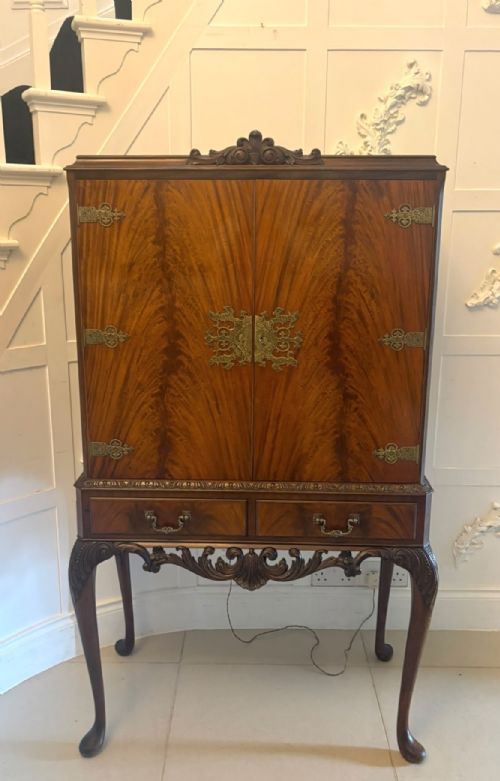


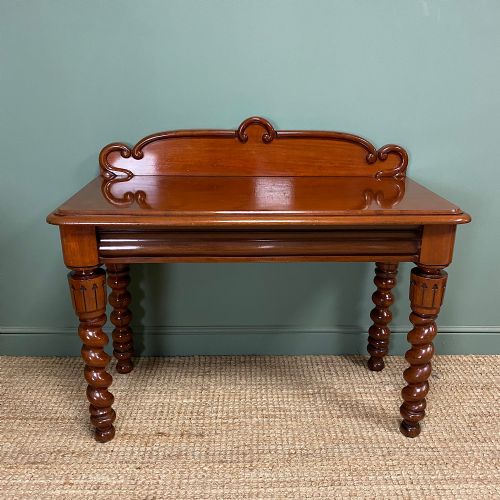


Mahogany Figure Stand
A mahogany figure stand supports sculpture and art with timber weight and clean lines, giving rooms a focal point for display.
Mahogany Figure Stand
A mahogany figure stand is designed to elevate small statues, planters, or decorative pieces above floor level, drawing the eye to the object displayed. These sturdy supports span several periods, appearing in Georgian workshops, Victorian parlours, and Edwardian halls.
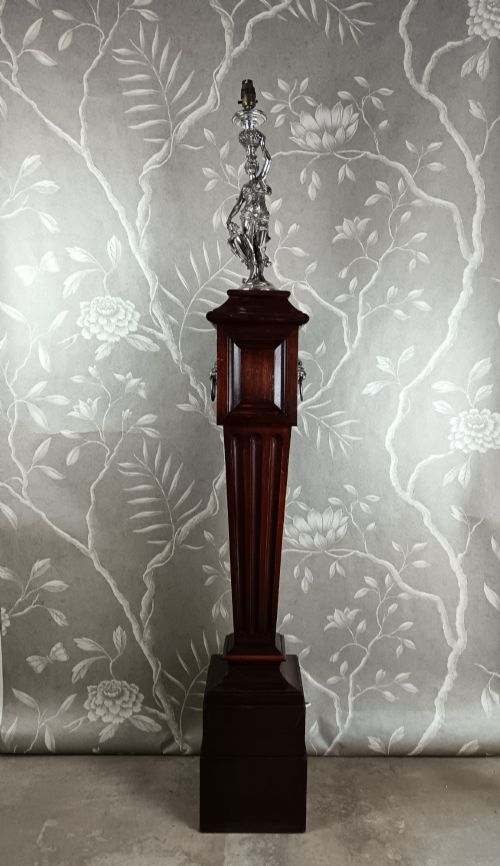
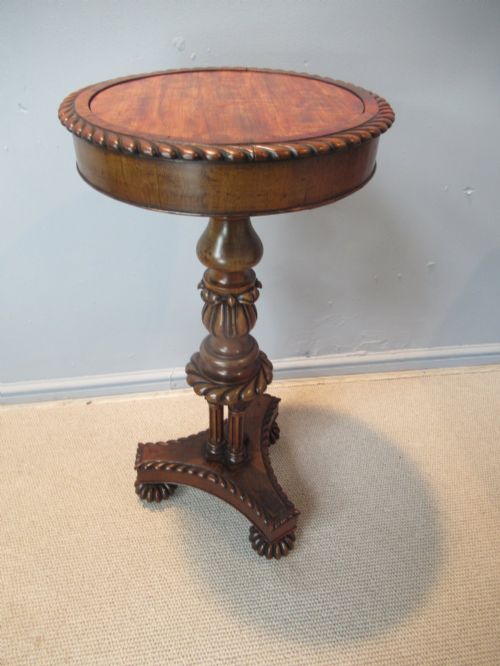
The form adapts to domestic spaces through tall torchere columns, circular lamp tables, and dedicated display pedestals. Buyers select these stands to integrate antique timber into a room while providing a functional platform for ornamental pieces.
Evidence from past and current listings shows these items grouped alongside related furniture like side tables and plant stands. The shared structural language relies on solid timber turning, slender columns, and weighted bases to maintain balance.
Materials and construction
The primary material across these pieces is figured mahogany, selected for its rich grain patterns and natural strength. Cabinet makers often utilised flame mahogany veneers on top surfaces to create dramatic visual movement under light.
Structural elements frequently incorporate secondary timbers like boxwood for stringing or brass for mounts and castors. Turning lathes shaped the central columns, while seasoned joints ensured the tall stands remained stable under heavy loads.
Some Victorian makers ingeniously combined illumination with display, wiring tall torchere columns so the figure glowed from below.
Assessing craftsmanship
Quality in a mahogany figure stand rests on the depth of the timber figuring and the precision of the turning work. Superior examples display crisp carved details on the column and base without soft edges or filled surface voids.
Proportion and stability separate standard utility pieces from finer salon items. A heavier base plate or well-distributed tripod foot ensures the stand bears weight securely without leaning.
The Mahogany Figure Stand Glossary
- Figured mahogany
- A variety of mahogany timber showing distinct grain patterns like flame or mottle. This wood was prized by cabinet makers for decorative surfaces.
- Torchere
- A tall, slender stand or floor lamp designed to hold a light source or a figure. These pieces date back to the Georgian era.
- Pedestal
- A structural support or base that elevates a statue, urn, or plant. They appear in circular and square column formats.
- Boxwood
- A dense, pale wood used traditionally for inlay work and stringing on mahogany furniture. It provides sharp colour contrast against dark timber.
- Tilt-top
- A table mechanism allowing the surface to pivot to a vertical position when not in use. This design saved space in period interiors.
Mahogany Figure Stand: Frequently Asked Questions
What is a mahogany figure stand used for?
These pieces elevate sculptures, vases, and decorative items to eye level. They act as dedicated furniture platforms within a room.
Historically, homeowners placed them in hallways and drawing rooms to display imported figures or heavy planters safely.
How do I date a mahogany stand?
Dating relies on observing construction methods, timber choice, and stylistic turning patterns. Georgian examples show different leg profiles compared to Victorian pieces.
Cross-referencing secondary woods and hardware styles helps narrow down the decade of manufacture.
Are these stands stable enough for heavy statues?
Most stands are engineered with weighted bases or wide tripod feet to support heavy items. The dense nature of mahogany provides inherent structural strength.
Heavier marble or bronze pieces require checking the footprint width to ensure safe weight distribution.
What is the difference between a pedestal and a plant stand?
Pedestals generally feature formal architectural proportions intended for classical sculpture or urns. Plant stands often incorporate liners or waterproof trays for horticulture.
Both forms utilise turned timber columns but serve slightly different domestic functions in period homes.