

Victorian Mahogany Music Stand
When you search for a victorian mahogany music stand, you look for timber built to hold heavy scores and adjust for the player.
Victorian Mahogany Music Stand
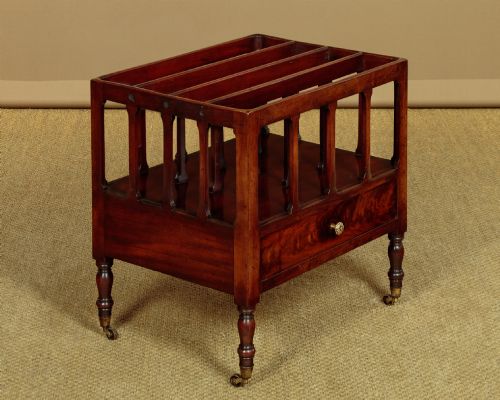
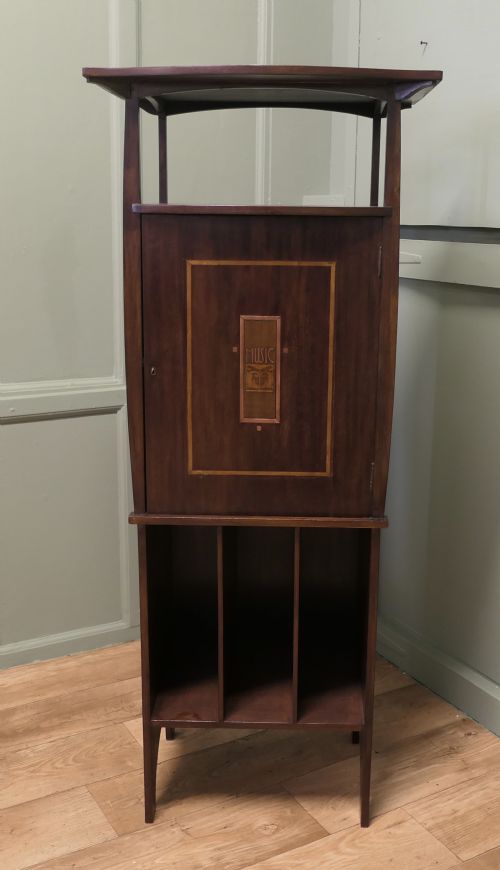
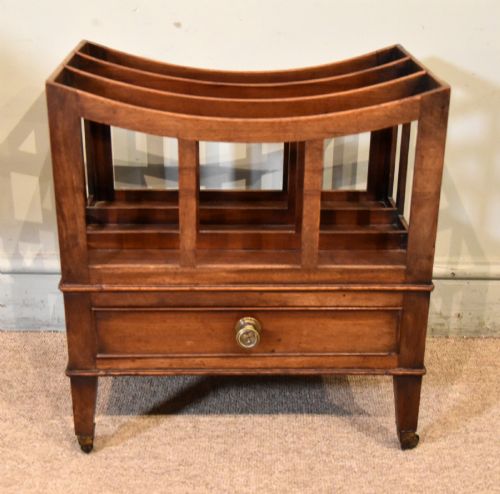
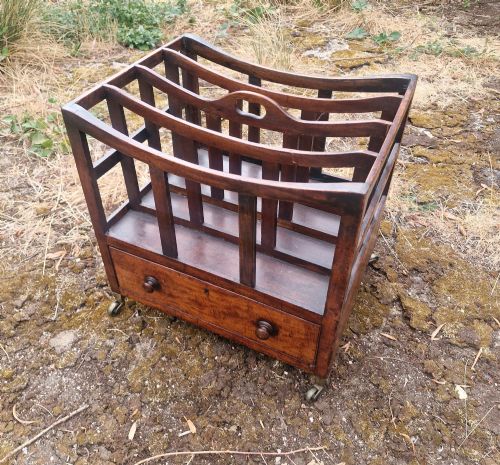
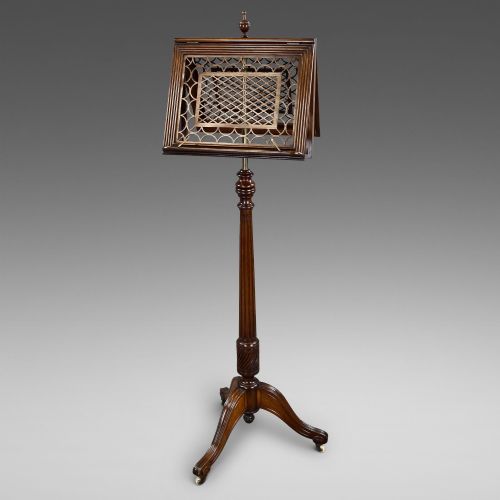
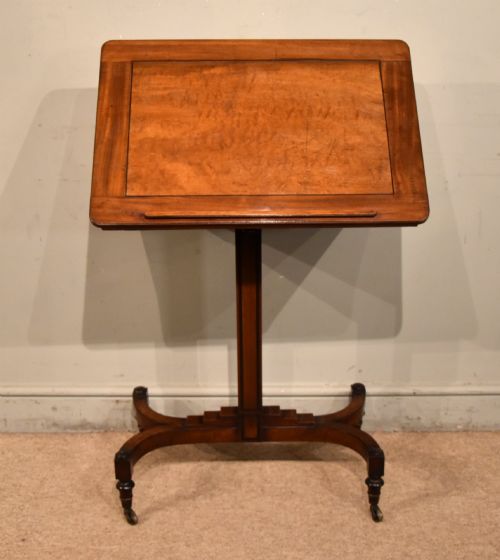
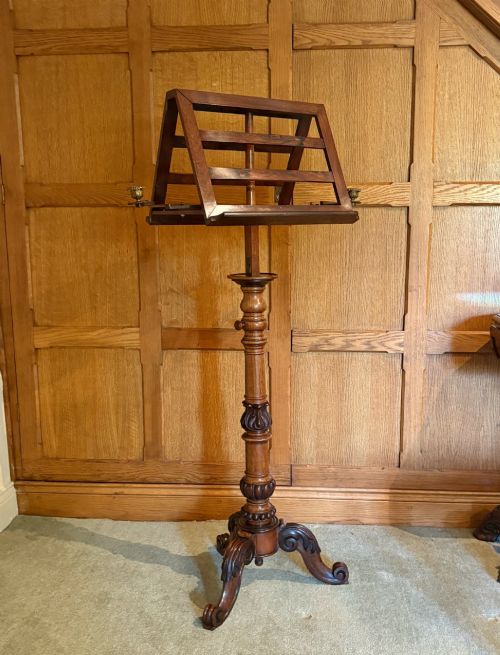
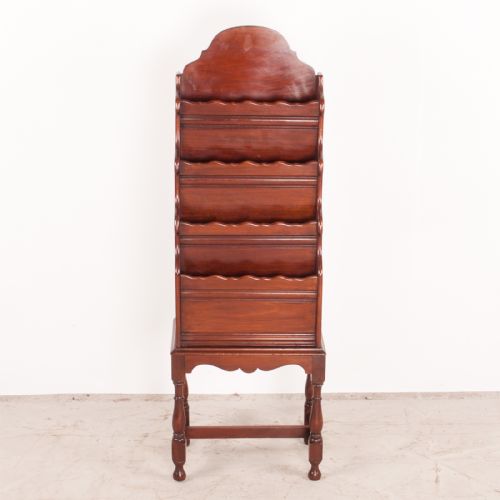
A victorian mahogany music stand encompasses adjustable reading tables, pedestal stands, and duet holders designed for holding sheets and scores in the nineteenth century. These pieces appear alongside closely related forms like canuterburys and music cabinets in the inventory.
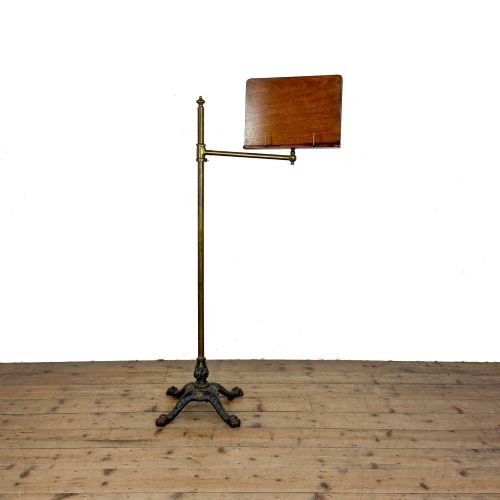
The dominant forms on this page include adjustable tripod reading stands fitted with brass fittings, alongside freestanding duet stands and multi-tiered cabinets. Makers often combined reading surfaces with music storage, creating versatile pieces intended for the drawing room.
Origins stretch across the nineteenth century, taking in Regency, William IV, Victorian, and Edwardian periods. Pieces range from simple folding desks to elaborate metamorphic tables that shift between reading stands and side tables.
Materials and construction
Makers built these pieces primarily using solid and veneered mahogany, often pairing the timber with brass ratchets, stems, and adjustable brackets. Secondary materials such as rosewood, cast iron, glass, and satinwood inlay appear on specific variants and decorative cabinets.
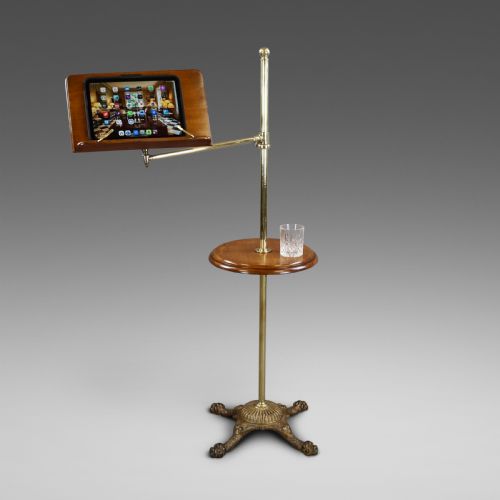
Adjustable mechanisms rely on brass thumbscrews, rise-and-fall ratchets, and tripod bases that allow the reading ledge to tilt and turn. Joinery includes turned columns, fretted fretwork panels, and structured framing designed to support heavy folios.
Listings feature mahogany, rosewood, and satinwood inlay across 19th-century periods.
Separating ordinary pieces from the finest work
Quality rests in the precision of the brass mechanical adjustments and the weight of the timber used for the stem and base. Superior examples feature robust rise-and-fall actions that hold heavy scores without slipping, mounted on heavy tripod or pedestal supports.
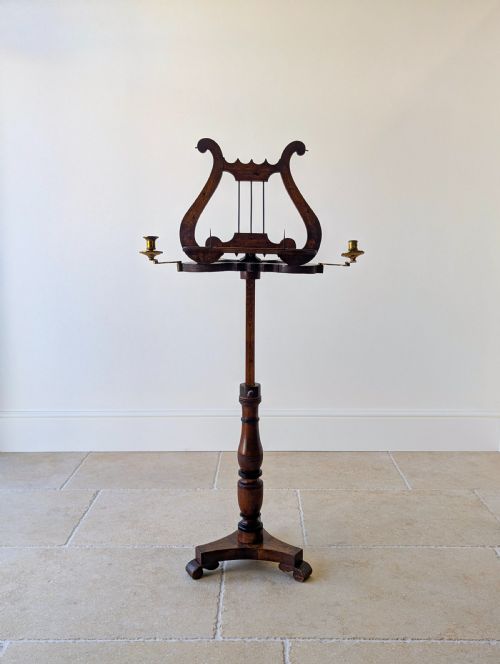
The refinement of the carving, such as lyre-form supports, turned columns, and detailed wood inlay, distinguishes standard production from exceptional cabinet work. Maker attribution, through signatures or distinctive workshop design, elevates certain stands into historical pieces.
GM Elwood for JS Henry·Gillow and Co·Swann and Millican·Howard and Sons
The Victorian Mahogany Music Stand Glossary
- Canterbury
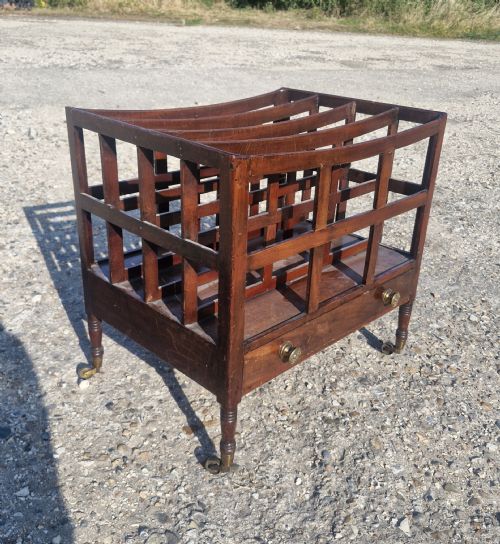
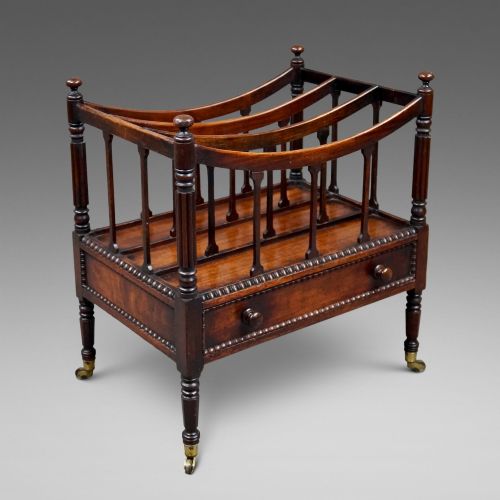
- A low stand with partitioned sections for holding sheet music, magazines, or books, often fitted with a drawer below. This form evolved during the late eighteenth century and remained popular through the Victorian period.
- Duet Stand
- A music stand wide enough to accommodate two musicians reading from the same shared score. These usually feature adjustable double desks mounted on a central pillar.
- Metamorphic
- Furniture designed to transform from one functional object into another, such as a reading table that converts into a music stand or side table. These pieces utilise hidden hinges and ratchets.
- Lyre-Form
- A decorative support shaped like an ancient stringed musical instrument, frequently carved into the central column or desk back of music stands. It reflects the classical revival styles of the period.
- Folio Cabinet
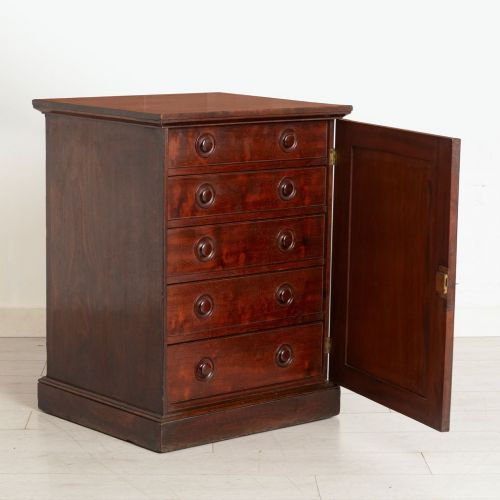
- A specialised piece of case furniture designed for storing large unbound sheets of paper, prints, or music scores flat. They include shallow drawers or vertical compartments.
Victorian Mahogany Music Stand: Frequently Asked Questions
Can I use it as a reading table?
Many of these stands function equally well as book desks or bedside reading tables due to their adjustable tilting surfaces and stable tripod bases. The ledge designed for music scores holds books securely at an angle.
Heavier reading tables built with folding leaves or drop-down ledges offer a flat surface when the desk is tilted back to the horizontal position.
What is the difference between a canterbury and a music cabinet?
A canterbury is an open rack with slatted vertical divisions built specifically for holding sheet music or magazines close at hand. They often feature a low drawer and carrying handles.
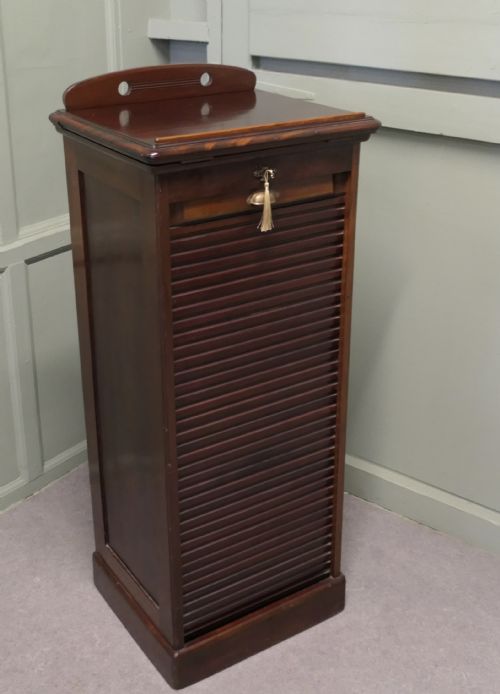
A music cabinet is an enclosed case piece with a door, drop-front, or interior shelving designed to protect paper scores from dust and light exposure.
How do I date a mahogany stand?
Dating relies on stylistic clues, such as Regency classical motifs, heavy William IV turning, or later Arts and Crafts construction details. The complexity of the brass hardware and the grain of the mahogany also provide clues to the era of production.
Earlier pieces from the early nineteenth century tend to show simpler, hand-turned elements, while later Victorian examples often incorporate more complex cast iron or heavy brass mechanical components.