
Victorian Mahogany Glass
Victorian mahogany glass pieces bring together warm timber frames and clear panels, offering both functional storage and elegant display.
Victorian Mahogany Glass
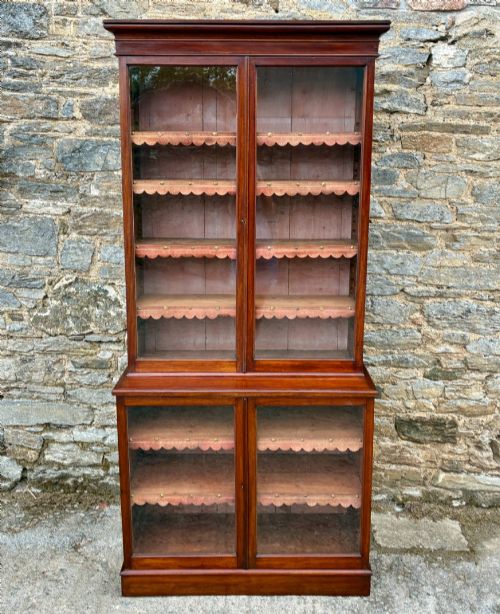
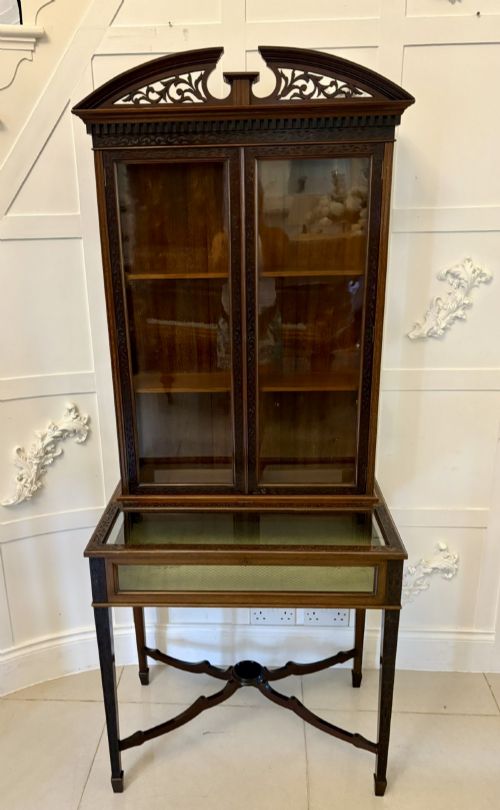
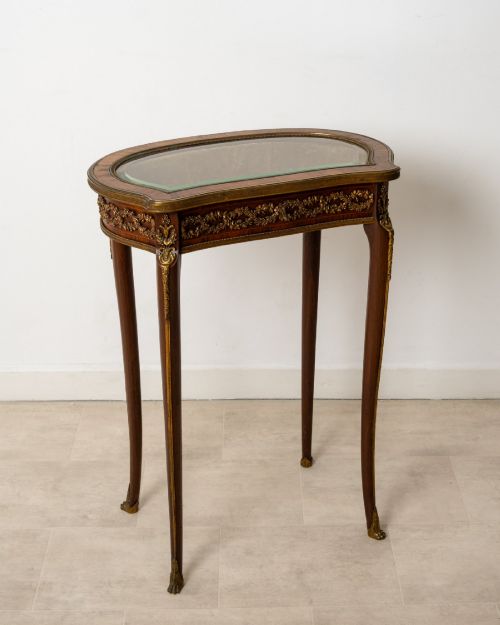
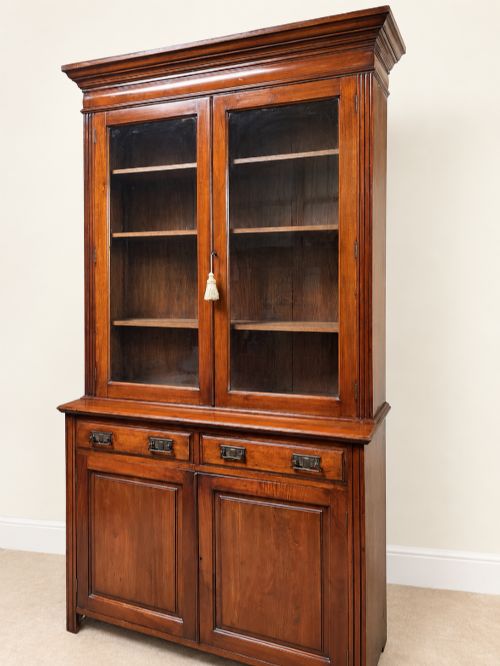
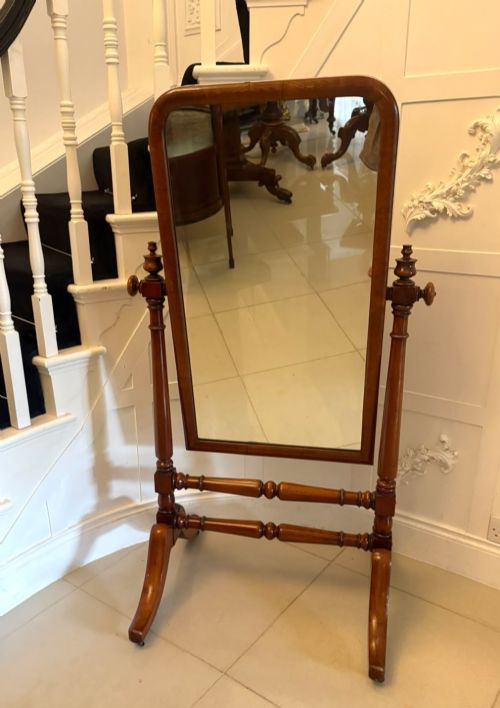
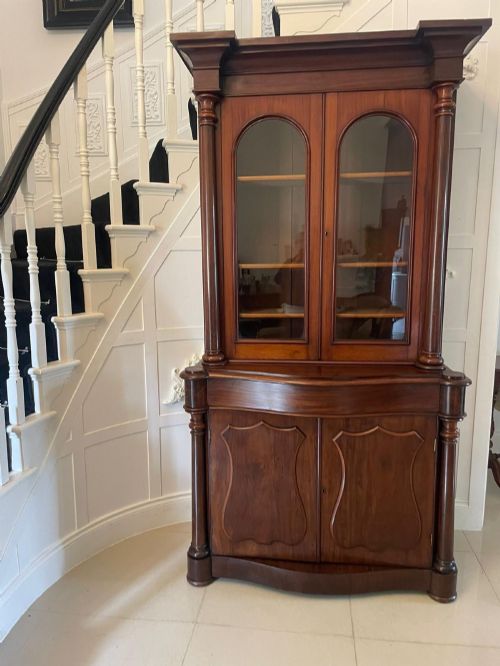
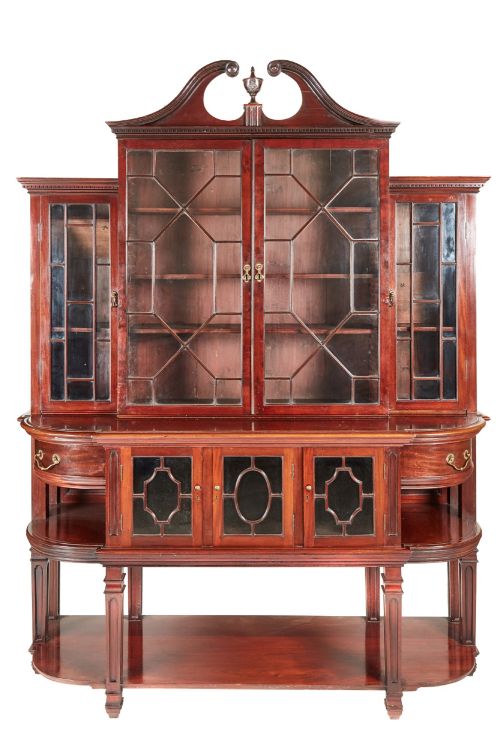
Victorian mahogany glass items primarily encompass upright display cabinets, glazed bookcases, and large cheval mirrors framed in rich timber. These pieces reflect the varied domestic and commercial needs of the nineteenth century, ranging from large breakfront libraries to delicate table vitrines.
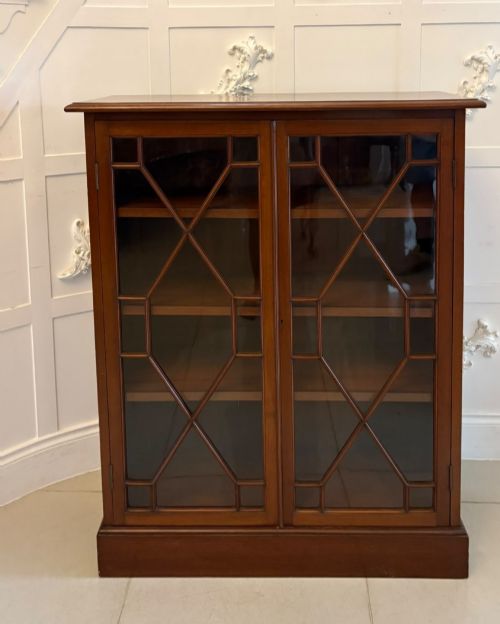
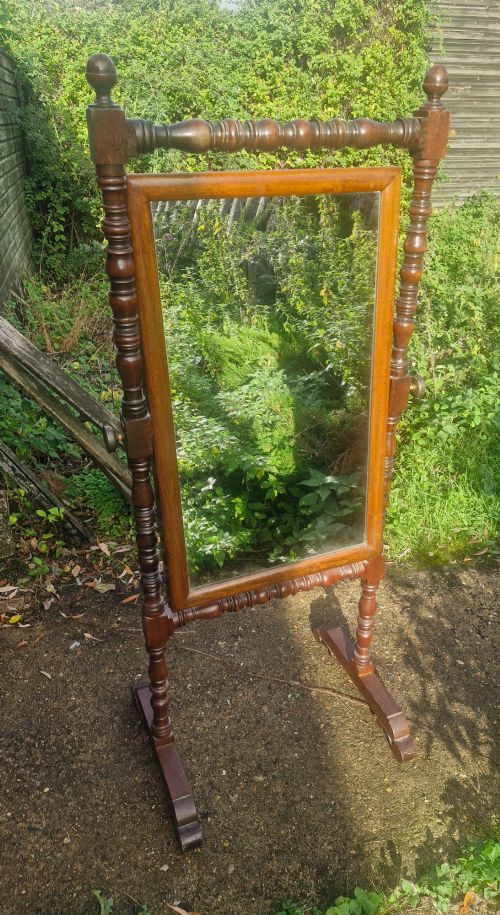
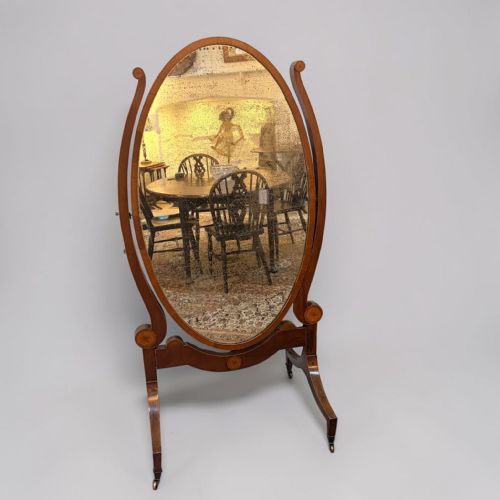
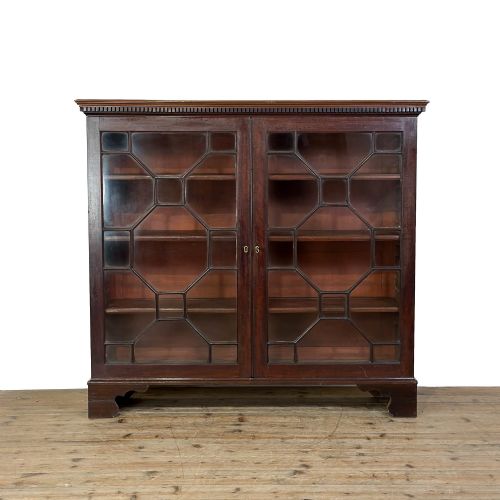
Bookcases and display cabinets form the majority of the selections on this page, often featuring astragal glazing bars or single glass doors. Visitors will also encounter cheval mirrors with original glass and specialised items like barometer cases and taxidermy domes.
Originating predominantly across the nineteenth century, particularly from the 1850s to the 1900s, these items span early Victorian utility to late revival styles such as Sheraton Revival and Art Nouveau. The combination of dense mahogany and transparent glass remains a defining characteristic of this group.
Construction and Materials
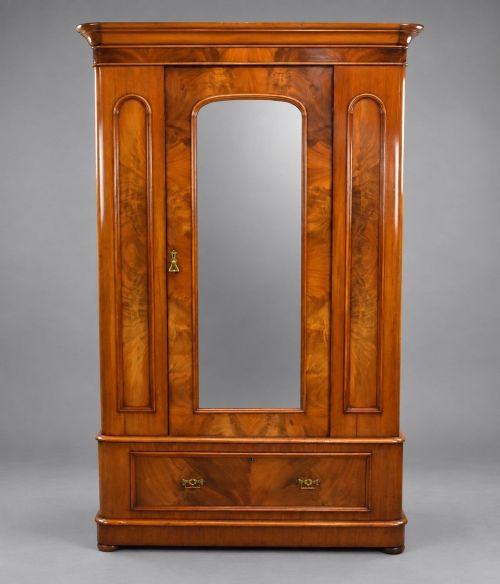
Makers utilised solid mahogany and figured mahogany veneers applied to secondary woods, creating deep reddish-brown surfaces that aged with a rich patina. Glass panes, sometimes bevelled or held by delicate timber glazing bars, were fitted securely into doors, trays, and mirror frames.
Brass fittings, including hinges, castors, and handles, frequently complemented the woodwork alongside subtle satinwood inlay and painted decorations. Structural integrity relied on traditional joinery techniques, seen in the robust frames of library bookcases and floor-standing mirrors.
An albino rabbit taxidermy piece by James Gardner stands ready to observe any Victorian book collection.
Assessing Quality and Craftsmanship
The distinction between standard utility items and superior examples lies in the selection of figured timber and the fineness of the inlay work. Higher quality pieces display meticulous attention to detail in carved mouldings, balanced proportions, and original glass panes.
Makers known for exceptional cabinet work command greater attention through refined construction and sophisticated stylistic revivals. The retention of original components, such as painted decoration and bevelled mirror glass, elevates the standing of an individual piece.
James Gardner·Jas Shoolbred·Heal And Sons·Edwards And Roberts·Gaupp And Co
The Victorian Mahogany Glass Glossary
- Astragal glazing
- Timber bars that divide a glass window or door into smaller panes. These delicate mouldings are common on nineteenth-century bookcase doors.
- Cheval mirror
- A freestanding floor mirror mounted on a pivoting frame between four upright pillars. They allow full-length viewing and frequently utilise mahogany stands.
- Breakfront
- A piece of furniture where the central section projects forward from the side sections. This architectural arrangement creates depth in large Victorian bookcases and cabinets.
- Fusee movement
- A clock mechanism using a cone-shaped pulley to ensure even tension as the mainspring unwinds. Found in specialised Victorian timepieces listed alongside these cabinets.
Victorian Mahogany Glass: Frequently Asked Questions
How do I clean mahogany?
Dust regularly with a soft, dry cloth to prevent the accumulation of particles on the polished surface. Avoid silicone-based sprays, opting instead for traditional beeswax applied sparingly.
Keep wooden items away from direct sunlight and heat sources to prevent the timber and veneers from drying out or splitting over time.
Are the mirror glasses original?
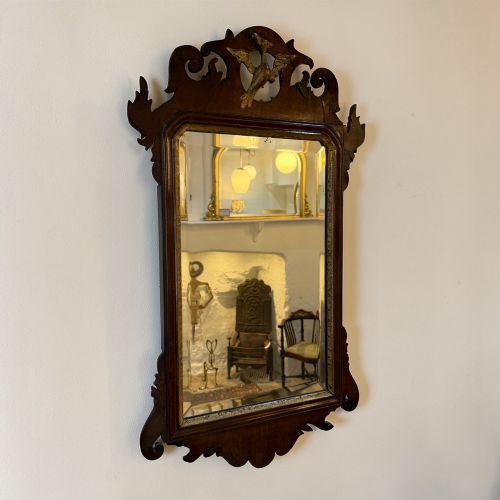
Many Victorian mirrors retain their original glass, which can often be identified by minor foxing, tiny blemishes, or slight distortions in the reflection. These subtle irregularities confirm age and authenticity.
Replacement glass tends to look entirely uniform and lacks the depth seen in nineteenth-century silvered plates.
How were display cabinets used?
Victorian display cabinets and glazed bookcases served to protect and showcase precious ceramics, books, and collections from dust. They were central fixtures in drawing rooms and libraries for displaying status and refined taste.
Commercial variants also existed, utilised in shops and trade showrooms to exhibit goods to prospective buyers.