

Victorian Mahogany Dressing Glass
A victorian mahogany dressing glass offers a practical and polished addition to a bedroom, bringing period reflection and warm timber tones.
Victorian Mahogany Dressing Glass
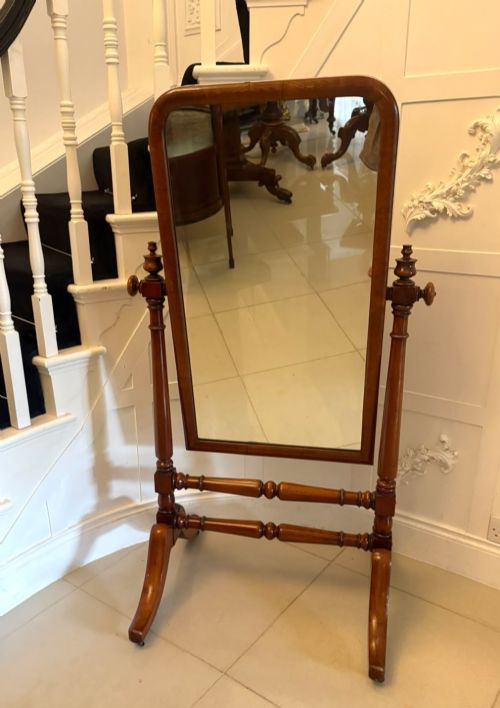
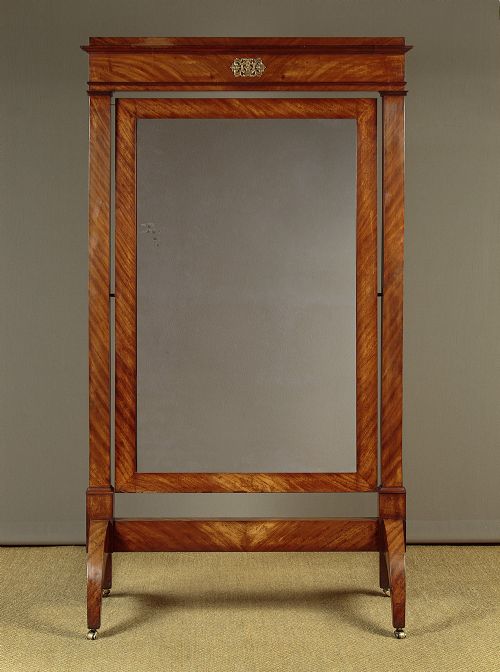
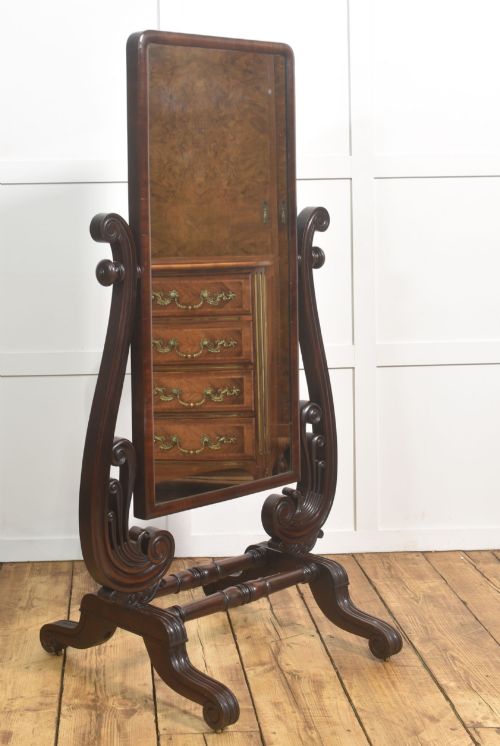
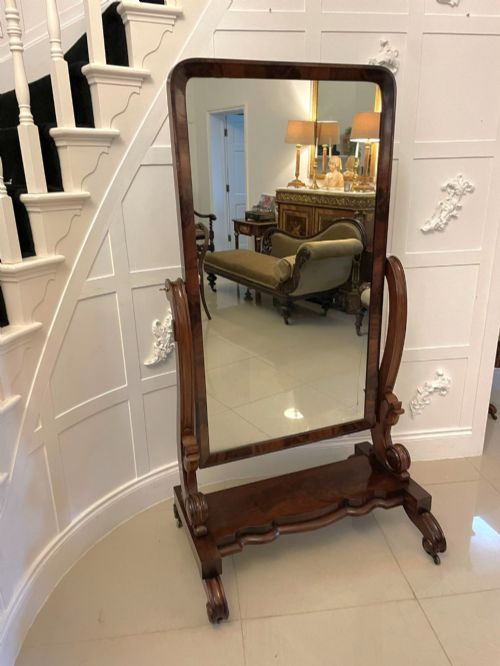
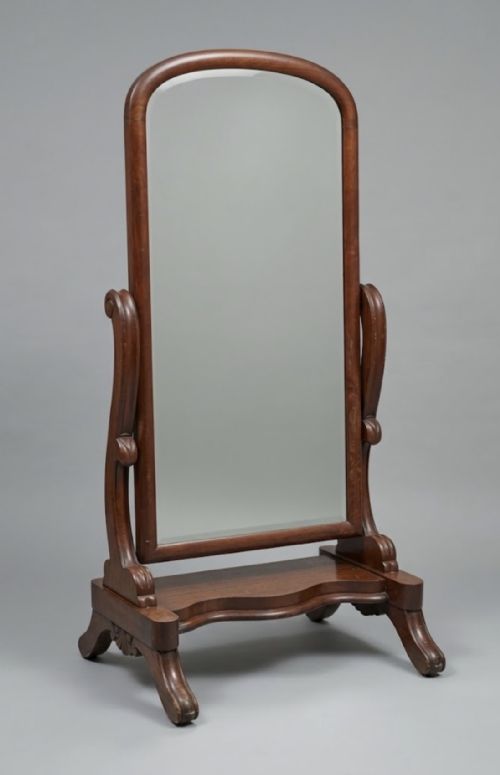
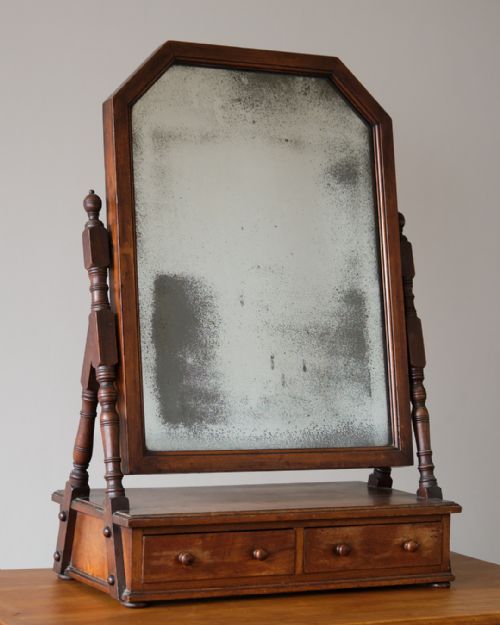
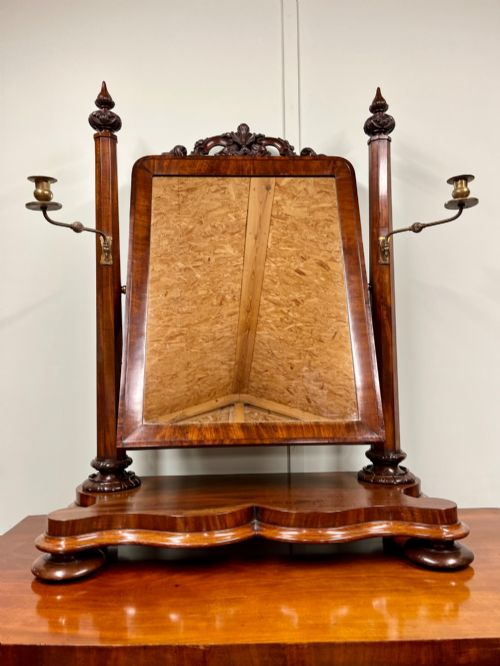
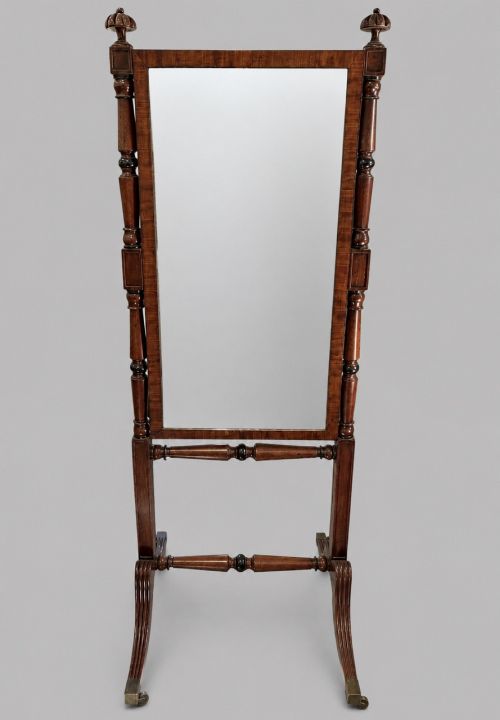
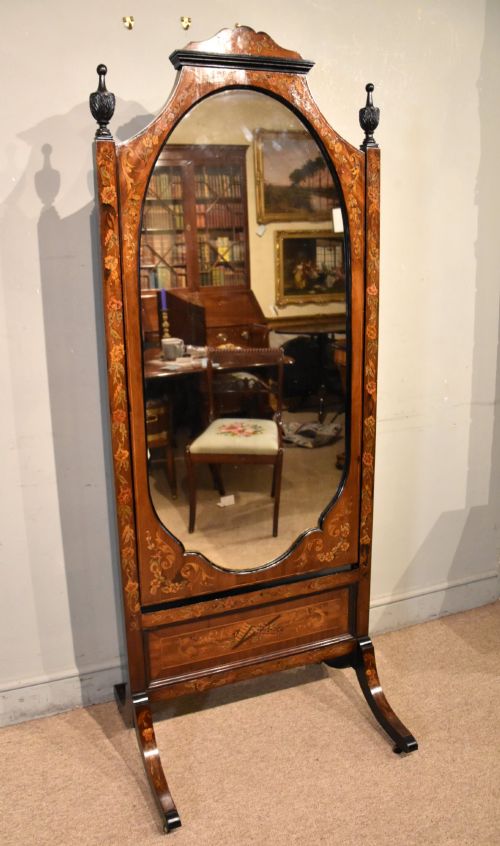
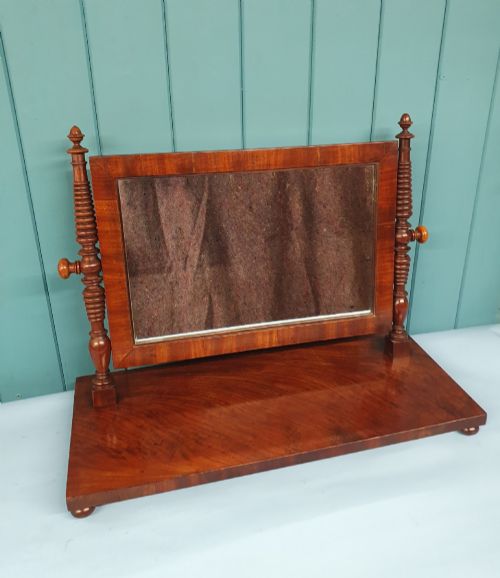
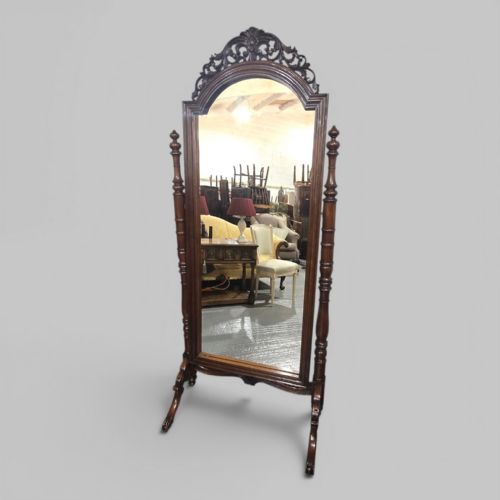
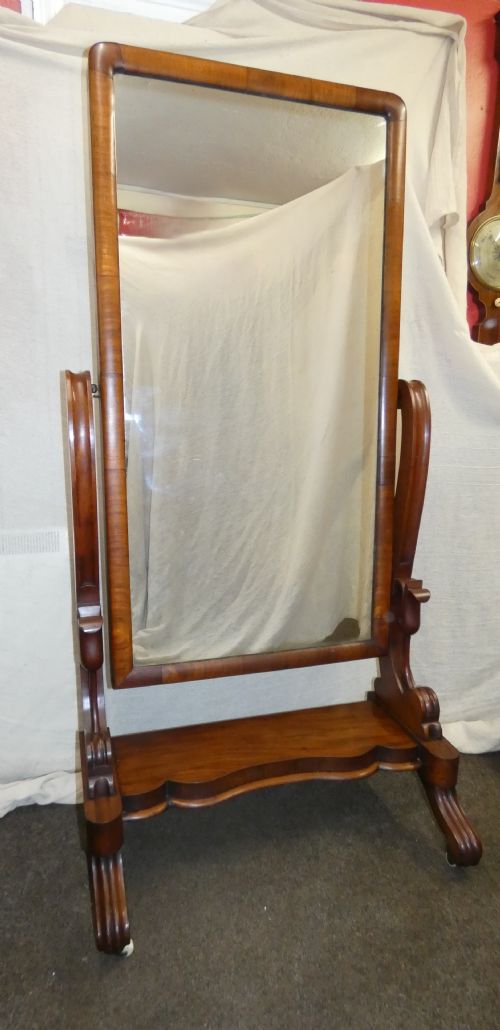
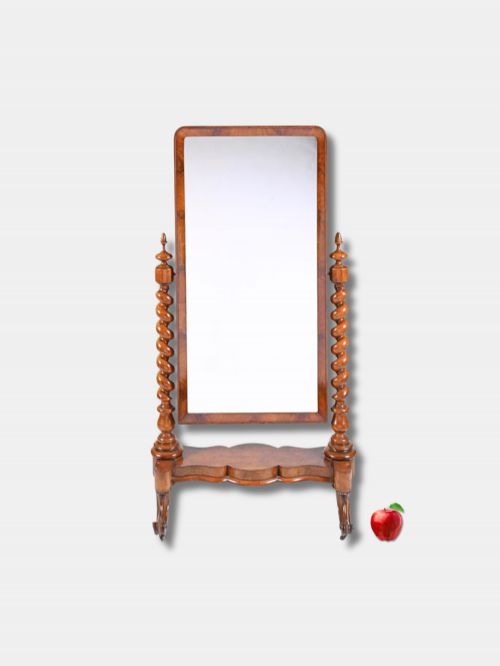
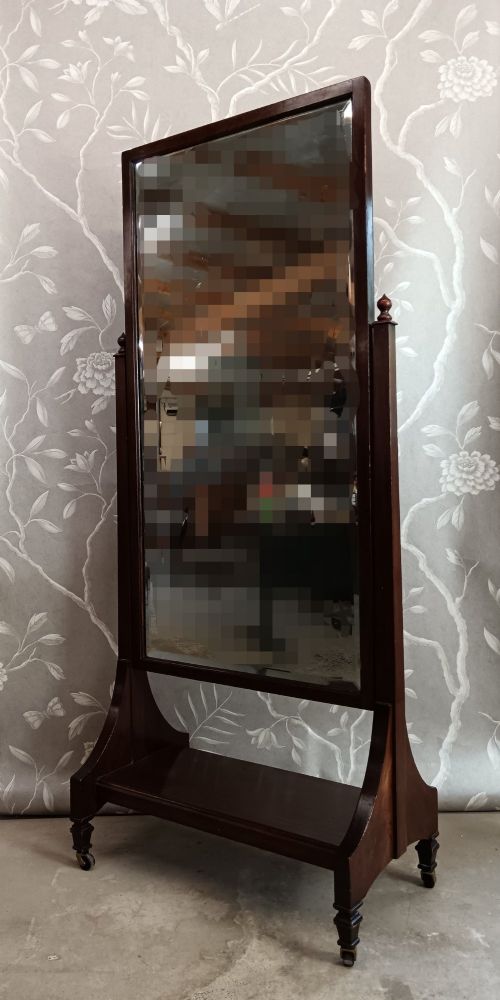
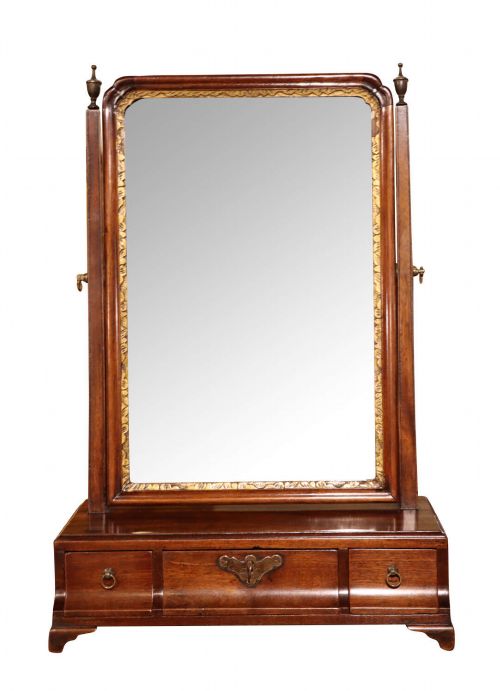
When searching for a victorian mahogany dressing glass, buyers encounter both small swing mirrors designed to sit atop a chest or table and large floor-standing cheval mirrors. The selection on this page leans heavily toward tall cheval mirrors alongside compact dressing table versions.
These pieces emerge from the nineteenth century, spanning periods from the Georgian and Regency eras through the Victorian age and into the early twentieth century. Makers constructed them primarily to assist with grooming and dressing before the widespread use of fitted wardrobe mirrors.
The dominant material across the inventory is mahogany, often paired with glass mirror plates and brass hardware. Certain examples incorporate bone, marquetry inlay, walnut, or gilt wood details to enhance their visual appeal.
How they were made
Cabinet makers utilised solid mahogany and mahogany veneers over secondary timbers, shaping the frames and uprights by hand. Many examples feature structural supports such as barley twist columns or curved legs.
The mirror plates swing on pivoting brass pins or screws set into upright stands, allowing the user to tilt the glass as needed. Smaller table versions frequently incorporate small storage drawers built into the base plinth.
Some dressing glasses include tiny secret compartments hidden behind the base drawers for storing morning letters and trinkets.
What varies in quality
Quality reveals itself in the choice of timber grain and the crispness of the framing details. Finer pieces display carefully selected mahogany figure and solid construction rather than heavy ornamentation.
The weight and finish of the brass mounts and pivot hardware distinguish standard production from superior workshop output. Original mirror plates often show gentle foxing, which indicates age.
Heal & Sons
The Victorian Mahogany Dressing Glass Glossary
- Cheval mirror
- A large floor-standing dressing mirror supported by a frame with four legs or a secure trestle base. This form allows a full-length view of the person dressing.
- Swing mirror
- A mirror plate mounted on pivots between two upright posts so it can tilt back and forth. These sit either on a table base or atop a larger piece of furniture.
- Barley twist
- A spiral turning carved into wooden columns or supports. This decorative technique appears frequently on nineteenth-century furniture frames.
- Marquetry inlay
- Decorative patterns formed by fitting contrasting pieces of veneer into the primary wood surface. Craftsmen used this technique to add geometric or floral motifs.
- Serpentine
- A furniture front or edge shaped with a curving contour that bulges in the centre and recesses at the sides. This fluid line adds elegance to dressing table bases.
Victorian Mahogany Dressing Glass: Frequently Asked Questions
What is a dressing glass?
A dressing glass is a traditional term for a table-top mirror used during grooming and dressing. They usually feature a small base containing one or more small drawers.
Over time, the term also came to describe the larger floor-standing cheval mirrors used in bedrooms.
How do I date a mirror?
Dating relies on examining the timber, construction methods, and hardware style. Pieces from the Regency and Victorian periods often display distinct framing characteristics and turning.
Secondary woods and backboards provide further clues to the manufacturing decade.
Where should I place it?
These mirrors suit bedrooms, dressing rooms, and hallways where reflection and natural light are beneficial. Table-top versions need a sturdy surface like a chest of drawers or a dedicated dressing table.
Freestanding cheval mirrors require enough floor space to allow the swing mechanism to operate safely.
Are the mirror plates original?
Many nineteenth-century pieces retain their original glass, which can develop subtle age spots or foxing over the decades. Replacement glass sometimes occurs when older plates suffered damage.
Original plates contribute significantly to the historical integrity of the piece.