
Victorian Low Back Chair
A victorian low back chair offers a compact seating silhouette that suits modern rooms just as well as nineteenth-century drawing rooms.
Victorian Low Back Chair
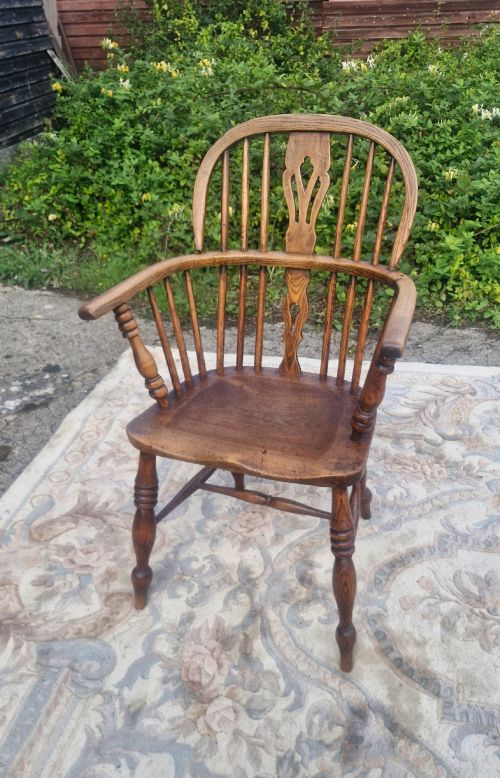
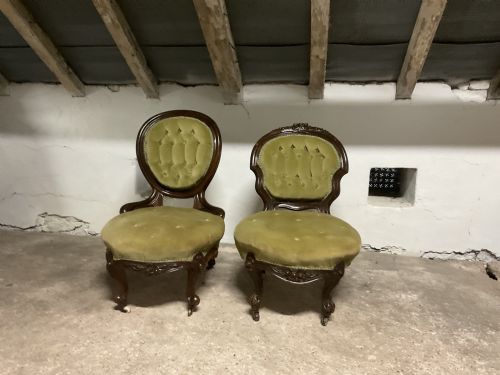
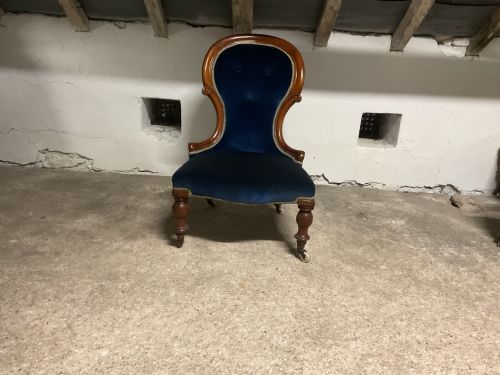
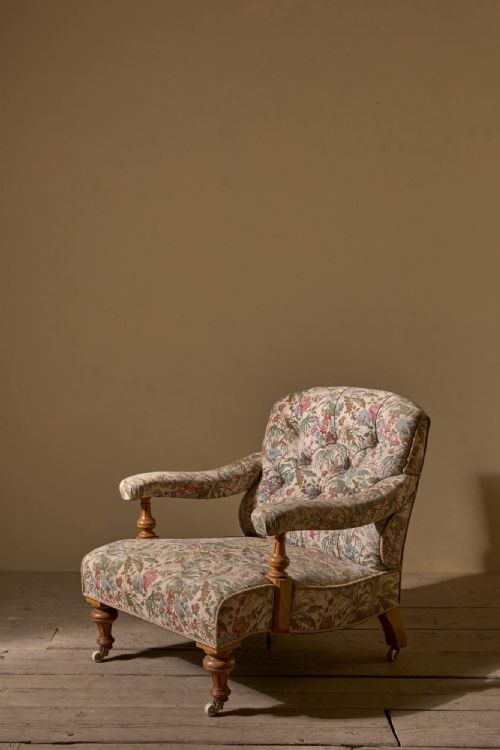
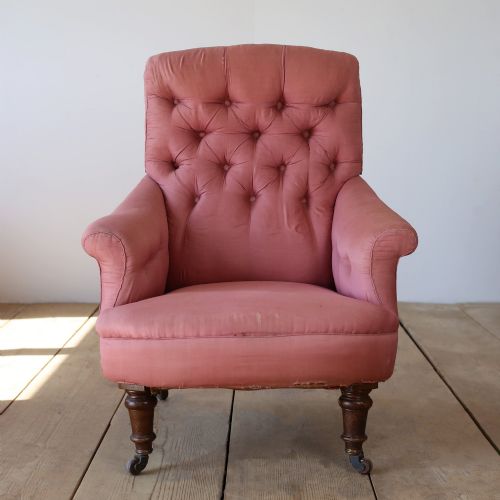
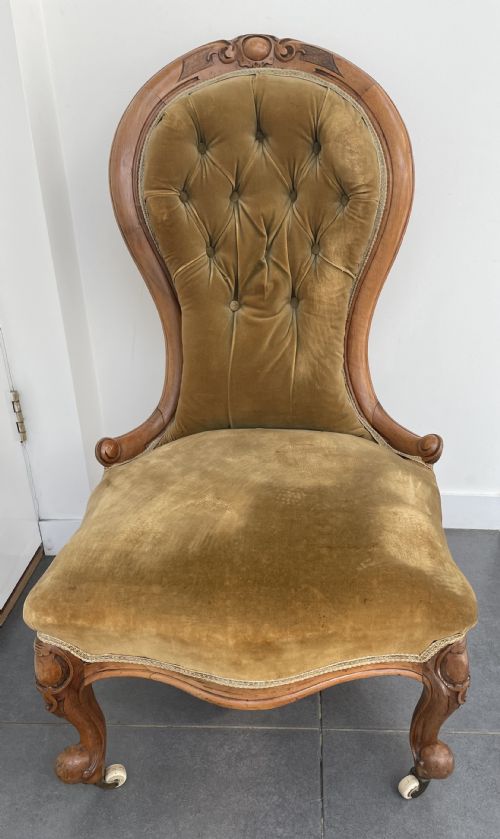
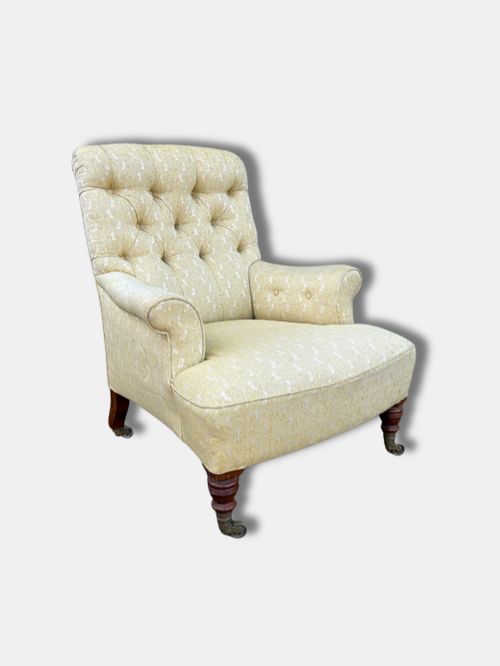
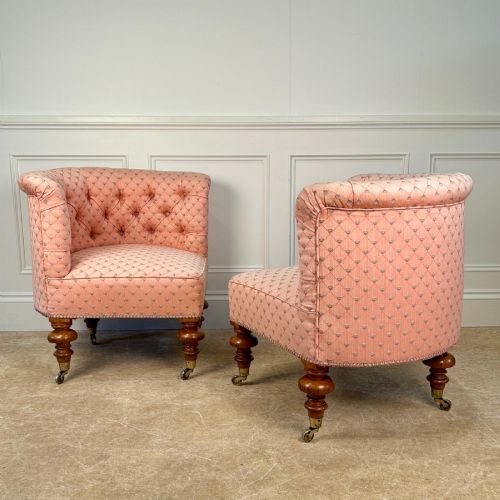
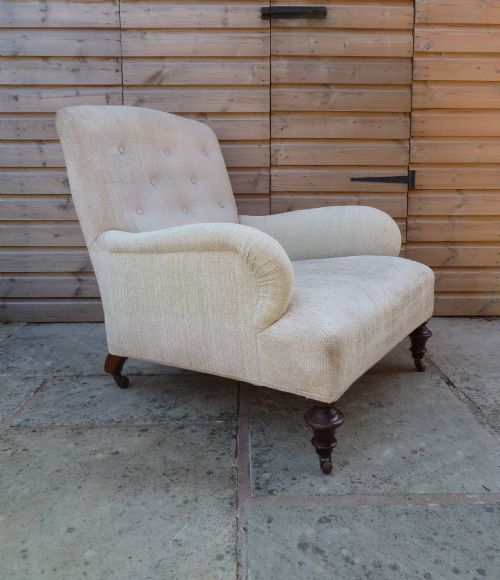
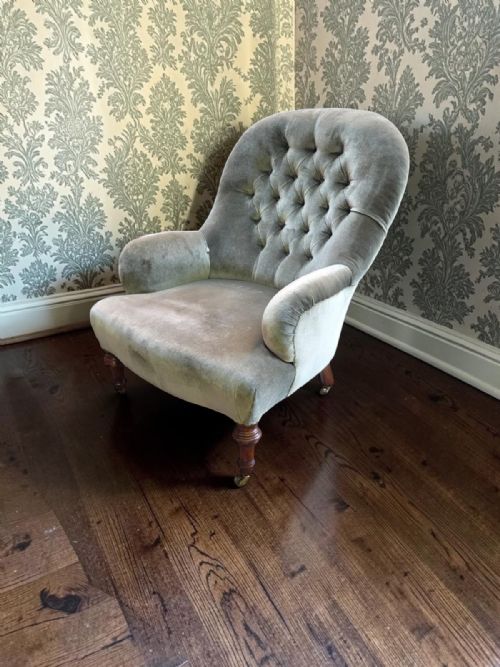
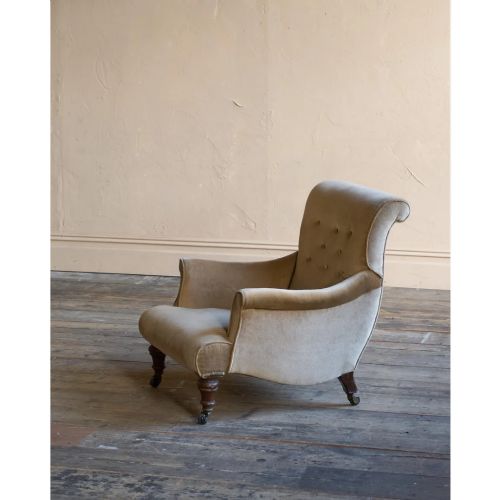
The search for a victorian low back chair brings up a diverse group of seating, ranging from button-backed nursing chairs and low-slung slipper chairs to robust wooden Windsor armchairs. Most examples encountered here date from the nineteenth century, spanning Victorian, Edwardian, and Napoleon III periods, with regional country house variants appearing frequently.
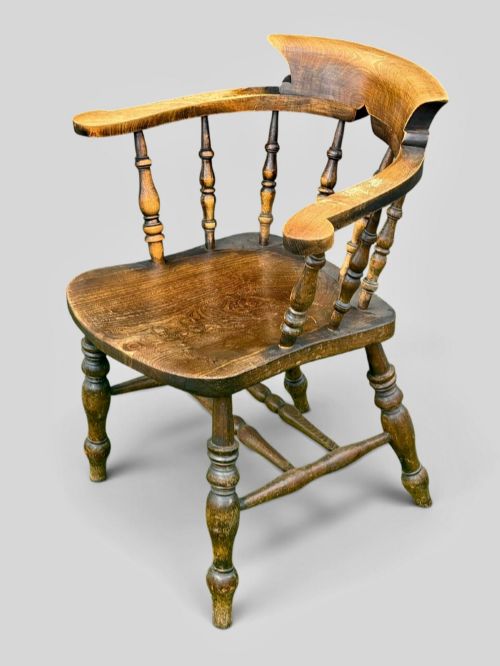
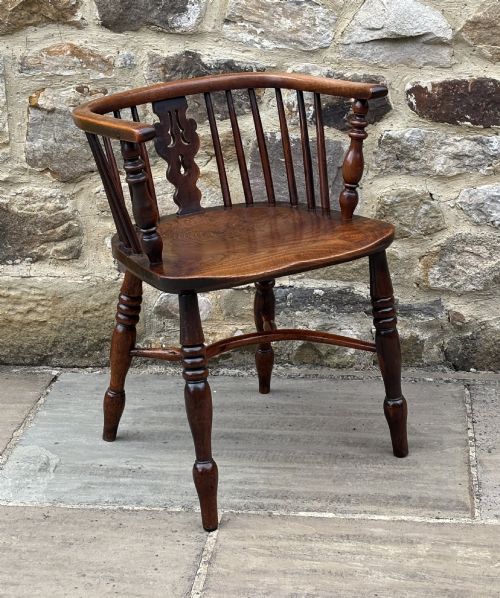
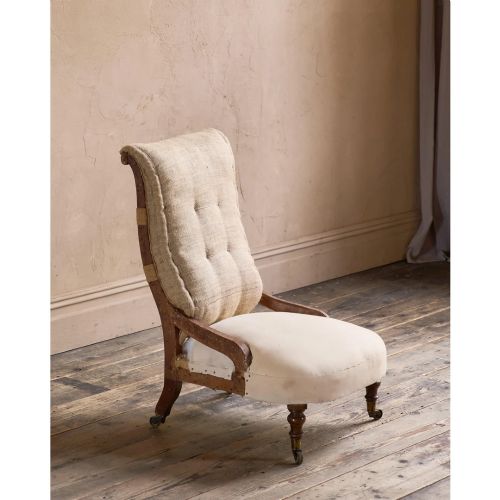
Upholstered bedroom chairs and low occasional seats dominate the selection, often upholstered in velvet, calico, or contemporary designer fabrics while retaining their original frames. Wooden models rely on traditional regional forms like the Smokers Bow and Nottinghamshire Windsor, constructed from native timbers such as elm, ash, yew, and oak.
Buyers also find low-backed library and reading chairs alongside compact corner chairs and occasional seating. These pieces originate from English provincial workshops as well as prominent London cabinet makers, reflecting the varied domestic needs of the Victorian interior.
Materials and Construction
Makers of the period paired dense cabinet timbers like mahogany, walnut, and oak with resilient native woods such as elm and yew for Windsor framework. Turned wooden legs, curved arm bow structures, and steam-bent components provide the structural integrity required for daily domestic use.
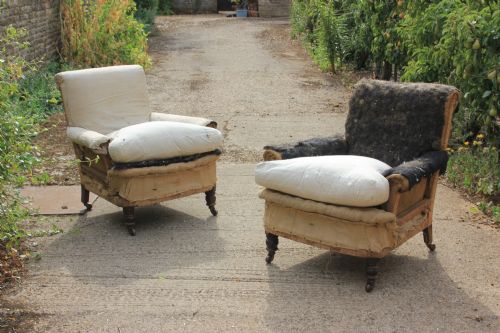
Upholstered variants rely on traditional stuffing and springing methods beneath top coverings of velvet, wool fabric, or plain calico. Iron frames and brass castors occasionally support heavier padded armchairs, ensuring mobility alongside rigid wooden joinery.
Some nineteenth-century bedroom chairs feature hidden castors designed to protect delicate nursery carpets from heavy daily movement.
Assessing the Standard
Quality rests upon the integrity of the timber frame, the grace of the carved or turned details, and the precision of the joinery. Superior pieces retain crisp carving on walnut and mahogany show-woods, alongside balanced proportions that avoid stiffness.
Upholstered chairs demonstrate merit through the firmness of the springs, the symmetry of the buttoning, and the quality of the internal webbing. Maker attribution, through stamped signatures or paper labels from esteemed firms, elevates the standing of an individual piece.
Howard and Sons·Gillows of Lancaster·C. Hindley and Sons
The Victorian Low Back Chair Glossary
- Button Back
- A method of upholstery where depressions are formed in the padding by stitches pulled tight and secured with cloth-covered buttons, creating a quilted pattern. This technique provides firm support while adding decorative texture to the chair back.
- Windsor Chair
- A wooden chair constructed with a solid saddle-shaped seat into which the legs and back spindles are separately bored and wedged. Regional variations often combine elm seats with ash or yew bentwood elements.
- Slipper Chair
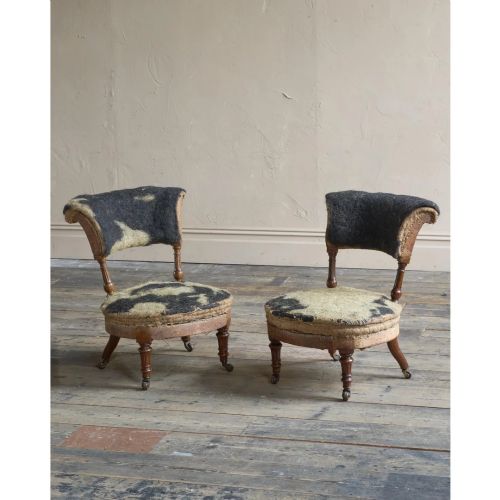
- A low-set upholstered bedroom chair originally designed for ladies to sit upon while putting on shoes or slippers. The low seat height and lack of arms allow for ease of movement.
- Smokers Bow
- A sturdy wooden armchair with a low, continuous back rail supported by turned spindles, common in nineteenth-century public houses and country homes. It functions as a comfortable, low-backed elbow chair.
- Nursing Chair
- A low-seated chair traditionally used in bedrooms or nurseries for feeding infants. They frequently feature padded button backs and upholstered frames elevated on short wooden or castored legs.
Victorian Low Back Chair: Frequently Asked Questions
How do I use a low back chair today?
These compact chairs suit bedrooms, dressing rooms, and smaller sitting spaces where tall furniture overwhelms the room layout. Their modest proportions allow them to sit comfortably beneath windows or beside fireplaces without blocking light or views.
Upholstered versions provide comfortable reading seats, while wooden Windsor models serve well as desk chairs or decorative accent pieces in hallways and landings.
Are these chairs comfortable for daily sitting?
Puffed Victorian nursing chairs and deep-seated upholstered models offer surprising comfort through traditional sprung interiors and padded backs. Their low posture encourages a relaxed, informal seating position.
Wooden low back chairs feel firmer and function best as occasional seats or writing chairs rather than long-term lounging furniture.
How do I distinguish Victorian from Edwardian pieces?
Victorian seating generally displays heavier proportions, richer dark timbers like walnut and mahogany, and elaborate carved details or deep buttoning. Aesthetic movement influences and robust country construction also anchor pieces firmly in the nineteenth century.
Edwardian alternatives often present lighter scales, simpler frames, and brighter wood tones, reflecting a shift towards airier domestic interiors around the turn of the twentieth century.
What is the difference between a nursing chair and a slipper chair?
Nursing chairs typically feature padded upholstered backs, frequently with buttoning or iron supports, designed for prolonged comfort in domestic living quarters. Their frames prioritise cushioned support for the sitter.
Slipper chairs focus on a low seat height designed originally for dressing tasks, often presenting clean scroll backs without the expansive padding found on dedicated nursing seats.