


Victorian Log Store
A victorian log store is a sturdy hearthside receptacle used to hold fuel, combining robust utility with period character.
Victorian Log Store
When you search for a victorian log store, you encounter a range of heavy fuel holders designed to sit beside the hearth in nineteenth-century interiors. These pieces take forms such as coal boxes, purdoniums, buckets, bins and scuttles, serving functional roles in daily domestic life. Many examples found here date from the Victorian period through to the Edwardian era, spanning styles from rustic farmhouse and Arts and Crafts to formal country house designs.
How they were made
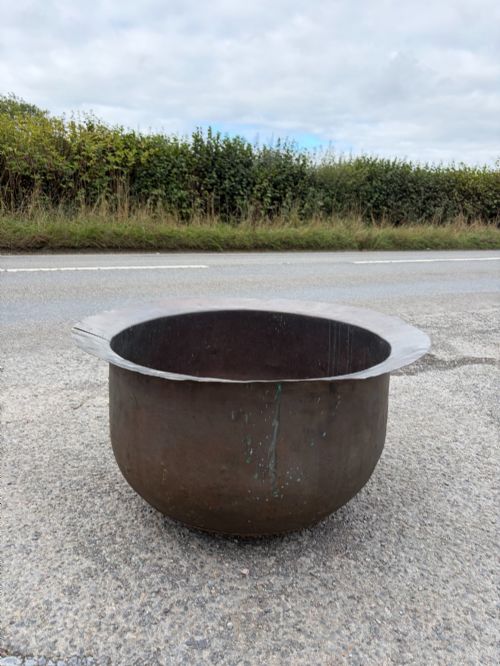
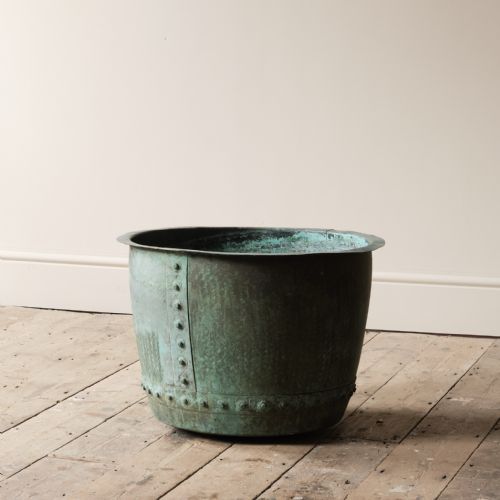
Makers constructed metal log stores using sheet copper, brass and iron, frequently joining seams with visible rivets or hammering the metal surfaces by hand for texture. Iron handles, hinges and bands reinforced these vessels to withstand the heavy weight of wood and coal.
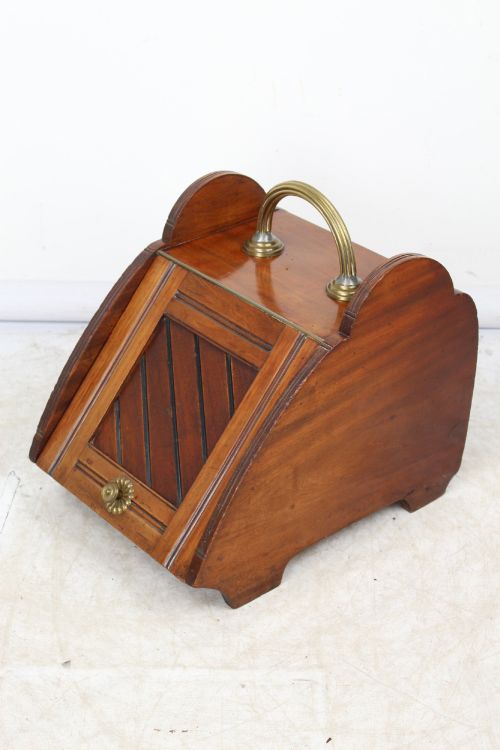
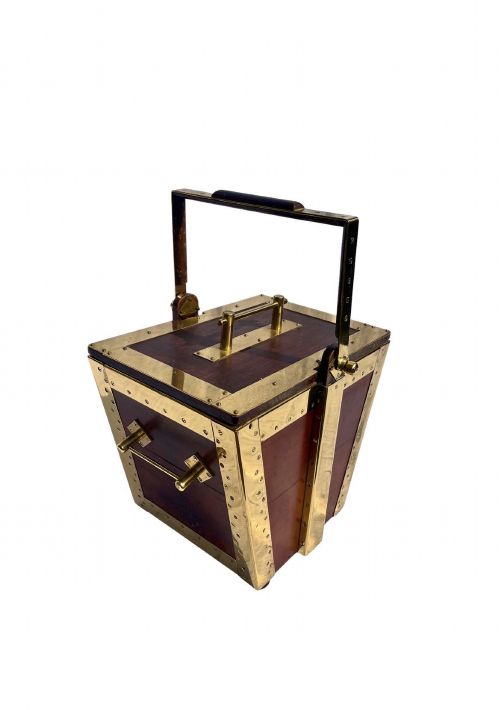
Wooden examples rely on solid timbers such as oak, walnut, mahogany and pine, often complemented by brass handles, scuttle scoops and decorative mountings. Carpenters and cabinetmakers employed traditional dovetail joints, framing and iron banding to ensure durability.
Several copper bins retain a dual identity, having spent past decades doubling as garden planters after retiring from the hearth.
What varies in quality
Quality in a victorian log store depends upon the integrity of construction, the thickness of the metal or timber, and the finish of decorative details. Pieces featuring substantial gauge copper, hand-hammered detailing, and original brass fittings demonstrate superior craftsmanship compared to thinner, mass-produced alternatives.
The integration of materials also defines the tier of a piece, such as a walnut purdonium with finely carved panels and fitted interior coal liners, or a heavy arts and crafts bin with secure riveted seams. Patina earned through age, combined with intact structural hardware, distinguishes the better examples in this range.
William Soutter & Sons
The Victorian Log Store Glossary
- Purdonium
- A specialised coal or log box featuring an angled drop-down front door and an internal metal liner for carrying fuel.
- Helmet scuttle
- A traditional coal container shaped like a classical helmet, equipped with a pivoted handle and a tapered spout for pouring.
- Toleware
- Japanned or painted tinplate items, often decorated in folk art styles such as barge ware to add colour to the hearth.
- Grain measure
- A cylindrical industrial or agricultural container adapted from measuring dry goods to serving as a fireside fuel bin.
Victorian Log Store: Frequently Asked Questions
What is a coal purdonium?
A coal purdonium is a dedicated domestic fuel container designed with a sloping drop-down front to facilitate easy coal retrieval by the fireside. These units usually contain a removable metal liner bucket.
They emerged during the nineteenth century as more refined alternatives to open buckets, often built from walnut or oak with brass handles.
How do I clean copper log bins?
Copper log bins benefit from gentle dusting with a soft cloth to preserve the accumulated patina developed over decades of hearthside use. Aggressive metal polishes can strip away the historic surface character.
If the metal requires attention, mild soapy water and a non-abrasive cloth clear away soot and grime without altering the original finish.
Are these suitable for modern fires?
These historical fuel containers function effectively beside contemporary wood-burning stoves and open fireplaces for storing logs, kindling or coal. Their sturdy metal liners and robust wooden walls manage heavy fuel loads securely.
Checking that interior liners are dry prevents moisture damage to surrounding floors and preserves the historic structure of the container.
How do I date a copper bin?
Dating a copper bin involves examining construction markers such as hand-beating marks, the type of rivets used, and the style of the handles and feet. Victorian and Arts and Crafts examples often display distinct maker stamps or characteristic hand-finished details.
Comparing the manufacturing techniques to documented nineteenth-century styles helps narrow down the period of production.