


Victorian Leather Chair
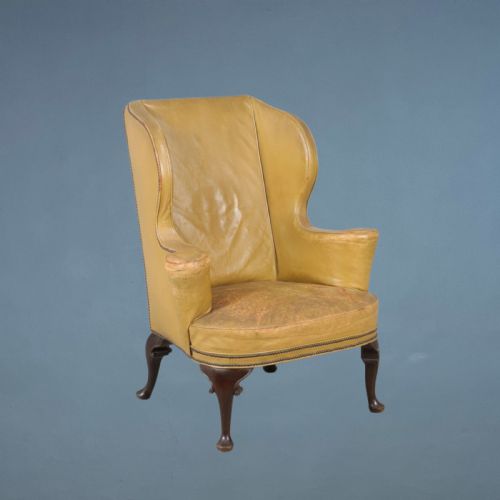
When you search for a victorian leather chair, you enter a world of heavy mahogany frames, buttoned hides and library comfort built to last generations.
Victorian Leather Chair
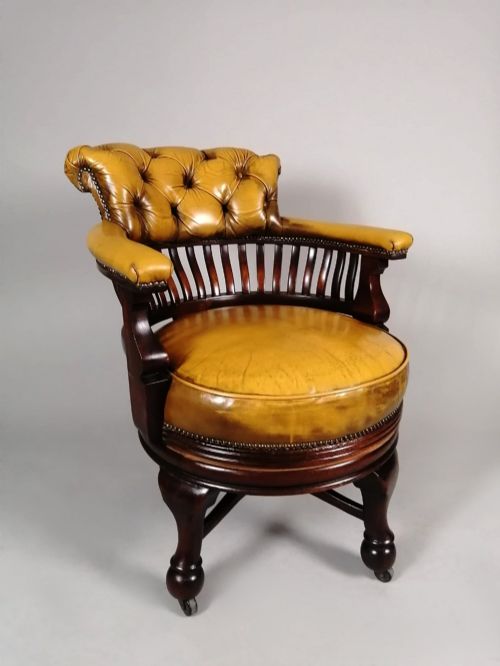
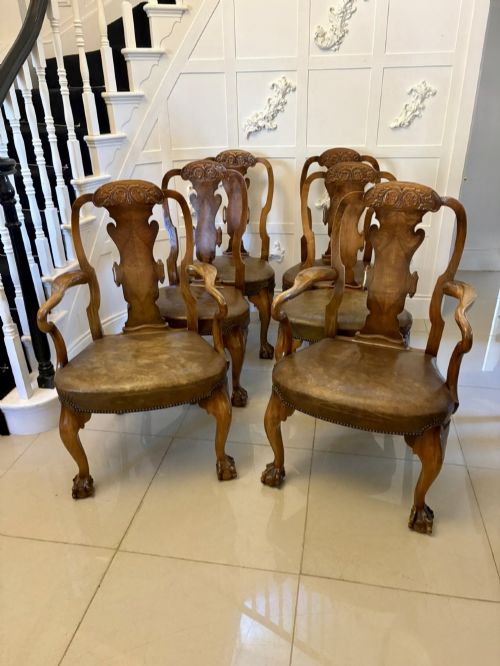
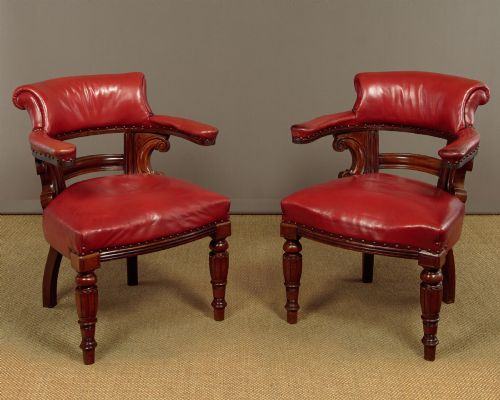
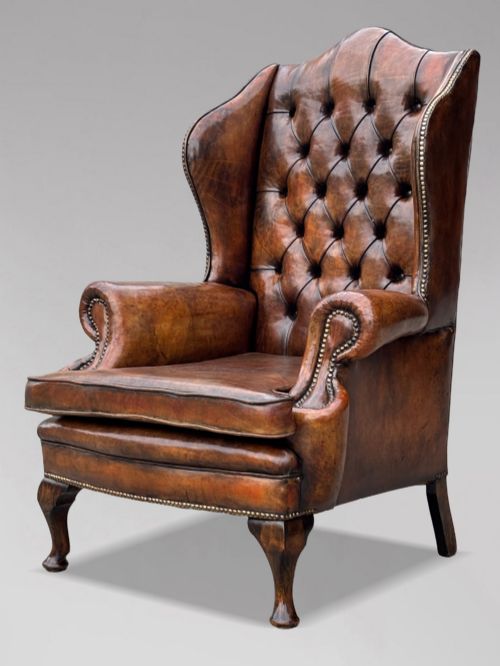
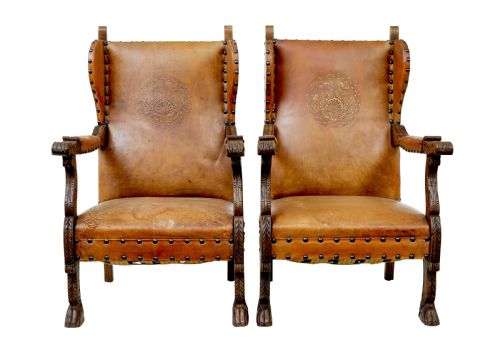
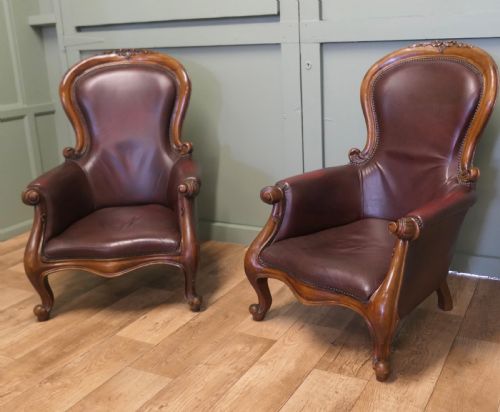
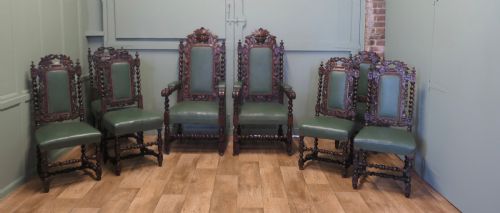
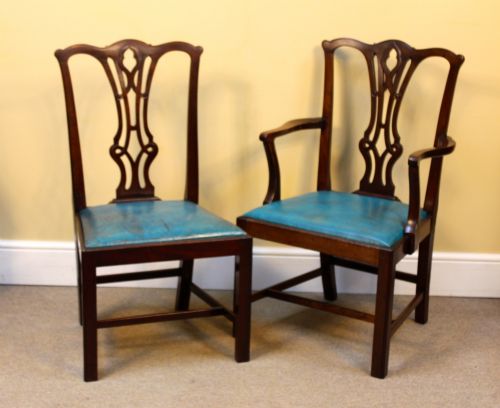
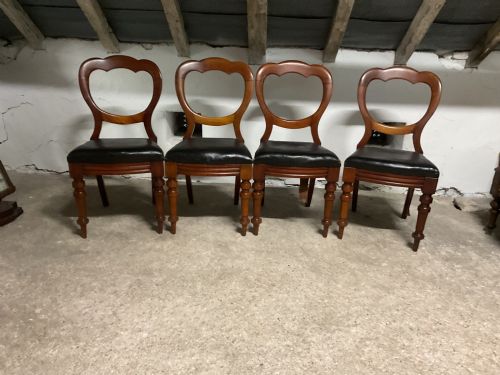
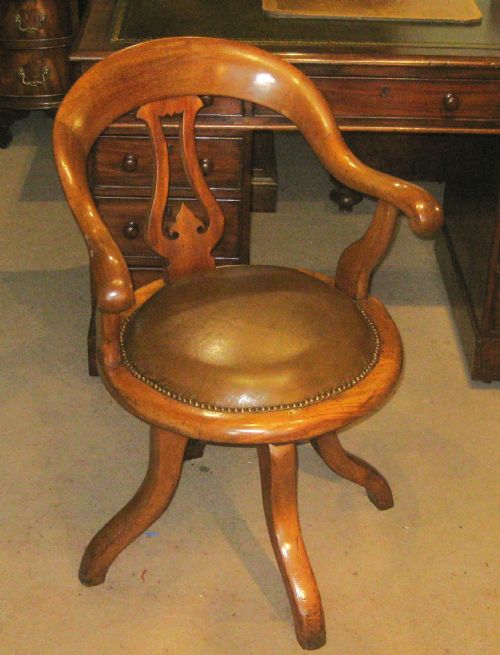
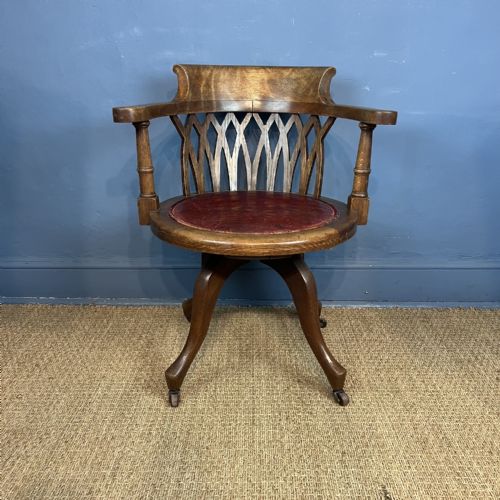
A victorian leather chair encompasses robust library armchairs, buttoned wingbacks, swivel desk seats and dining chairs produced across the nineteenth century. These pieces served domestic studies, boardrooms and parlours where durability and formal presence mattered greatly.
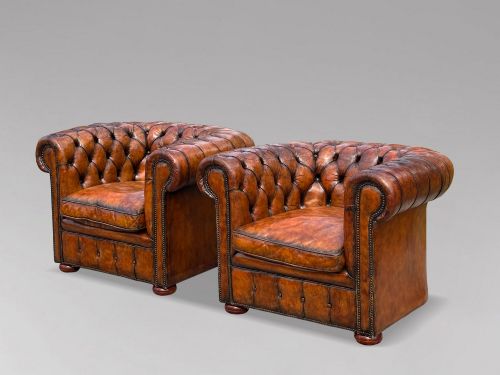
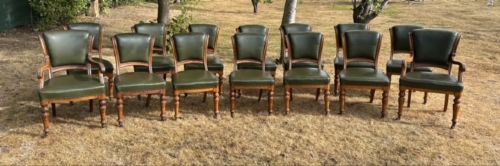
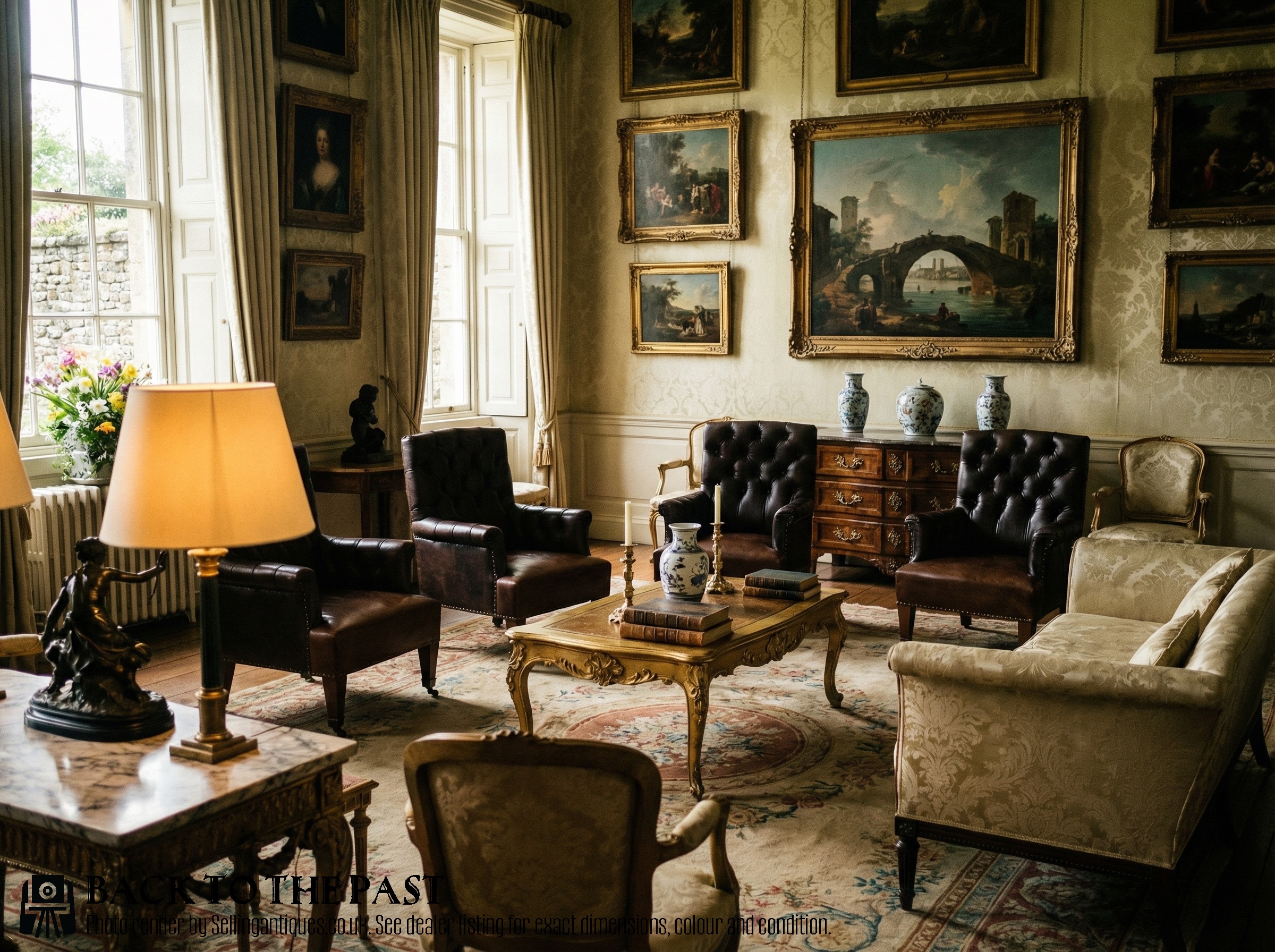
Library armchairs and revolving desk chairs dominate the available forms, often constructed from dense mahogany or oak. Button-backed club chairs and Chesterfield designs also appear frequently, upholstered in aged brown, green or tan hide.
Makers of the period adapted earlier styles like Chippendale, Regency and Gothic Revival, applying deep buttoning and brass castors to heavy timber frames. Buyers encounter both utilitarian office seating and grander domestic armchairs from the eighteen-fifties onwards.
Materials and construction
Frames rely heavily on solid mahogany, oak and walnut timbers selected for their structural strength and capacity for carving. Artisans joined these hardwoods using traditional mortise and tenon techniques to support heavy daily use.
Upholstery combines vegetable-tanned leather secured with individual brass tacks over horsehair stuffing and coil springs. Revolving office models incorporate iron and brass swivel mechanisms beneath timber seats.
Victorian Leather Chair Retail Price Guide 2026
Typical asking prices for victorian leather chair among the pieces listed under this phrase on Sellingantiques today, from the lower quarter to the upper quarter. They describe what is for sale here now, not the wider market.
Listings feature nineteenth-century seating built from mahogany, oak, walnut and hardwood, paired with brass fittings and leather upholstery.
What separates the grades
The integrity of the timber frame and the originality of the leather determine the upper tier of quality. Examples retaining their initial patinated hide, hand-carved detailing and period castors command greater regard.
Later replacements of leather or extensive timber repairs diminish the historical value. Superior pieces display crisp carving, substantial weight and harmonious proportions without structural compromise.
Howard and Sons·Cope and Collinson
The Victorian Leather Chair Glossary
- Button-backed
- Upholstery style where deep depressions are formed by pulling twine tightly through the padding and securing it with buttons, creating characteristic diamond folds.
- Library chair
- A heavy, comfortable armchair designed for reading rooms and studies, typically featuring substantial timber arms and leather upholstery.
- Revolving desk chair
- An office seat mounted on a central wooden or iron spindle that allows rotation, often fitted with a tilt mechanism.
- Wingback
- An armchair with high back and side panels designed to shield the sitter from drafts, frequently upholstered in hide.
- Castor
- A small wheel attached to the base of chair legs to ease movement across carpets and flooring.
Victorian Leather Chair: Frequently Asked Questions
How do I identify a genuine period piece?
Examine the timber underneath for hand-tool marks and check the leather for natural cracking and patination consistent with nineteenth-century tanning methods.
Original brass castors and traditional horsehair stuffing provide further confirmation of age against later reproductions.
Were these chairs used in offices?
Revolving desk chairs and library armchairs were standard fixtures in nineteenth-century offices, studies and institutional boardrooms.
Their robust mahogany and oak construction suited the heavy administrative demands of the period.
How should I care for antique leather?
Maintain the hide by applying specialist leather creams periodically to prevent dryness and cracking.
Keep the chair away from direct heat sources and strong sunlight to preserve the natural colour and suppleness.