




Victorian Kitchen Furniture
Victorian kitchen furniture brings practical domestic utility and regional character to everyday interiors through robust tables, dressers and seating.
Victorian Kitchen Furniture
Victorian kitchen furniture comprises utilitarian forms built for domestic service, including kitchen dressers, farmhouse tables, Windsor chairs, benches and stools. These pieces originate predominantly from the nineteenth century, spanning periods from the eighteen-fifties through to nineteen hundred, alongside occasional earlier survivals.
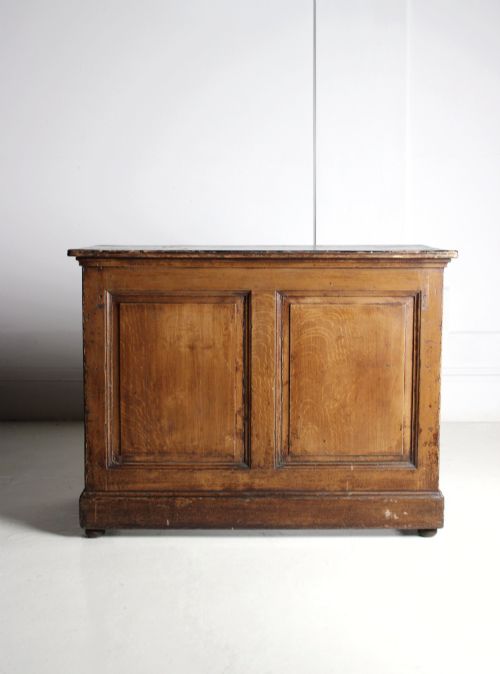
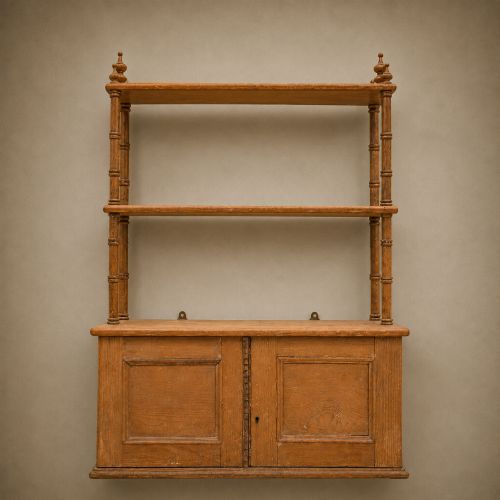
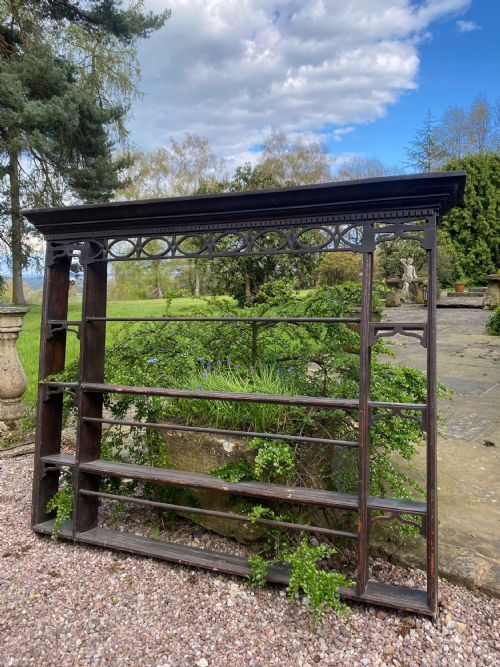
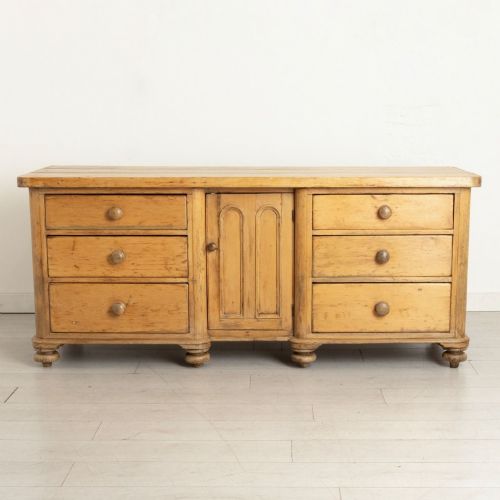
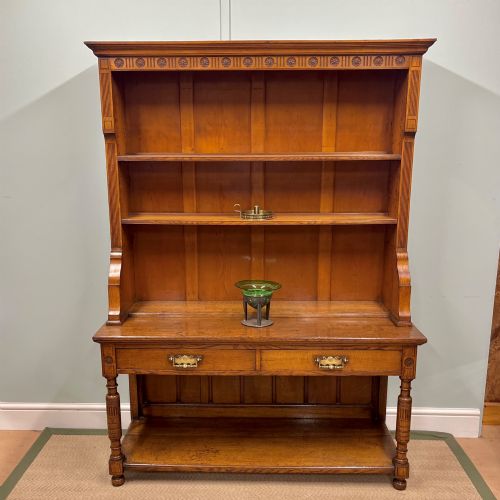
The objects seen here reflect regional domestic traditions across Britain and Europe, encompassing English, Welsh, Scottish, Irish, Hungarian and Flemish examples. Dresser bases, wall shelves, plate racks and large dining tables form the core of what is available.
Buyers look for functional durability combined with honest construction, selecting pieces that served working kitchens, dairies, taverns and country houses. Practical storage and robust seating remain the primary draws for modern interiors.
How they were made
Construction relies heavily on domestic timbers such as pine, oak, elm, beech and ash, chosen for strength and availability. Cabinet makers and local joiners utilised solid woods, frequently combining multiple timbers within a single item, such as beech and elm for Windsor chairs or ash frames with pine tops.
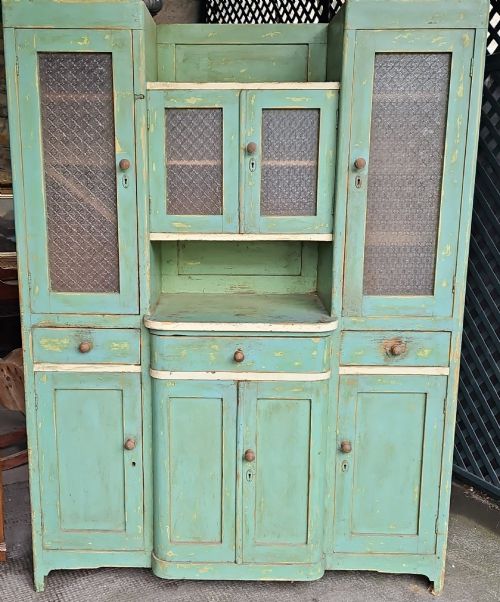
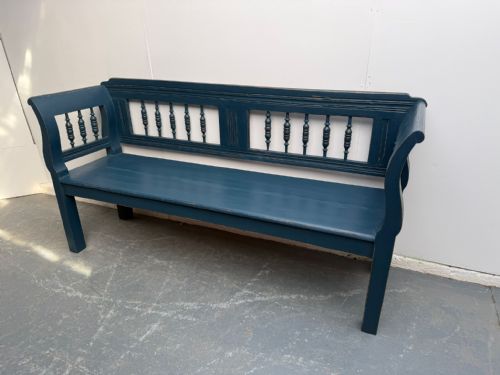
Surfaces show various traditional finishes including wax, original or later paintwork in cream, blue and teal, and stripped timber. Joinery methods prioritise utility over ornament, using pegging, dovetailing and turned spindles to withstand heavy daily use.
Materials documented across the inventory include pine, oak, elm, beech, ash, brass, metal and paint.
What varies in quality
Quality in these domestic pieces rests upon the integrity of the timber and the honesty of the construction. Items retaining their original surfaces, uncompromised structural joints and authentic regional proportions command greater interest.
The degree of craftsmanship visible in turned elements, such as Windsor chair spindles or table legs, separates standard utilitarian items from finer regional outputs. Carved details, where present, range from simple chamfering to elaborate Green Man motifs.
Augustus Pugin
The Victorian Kitchen Furniture Glossary
- Dresser base
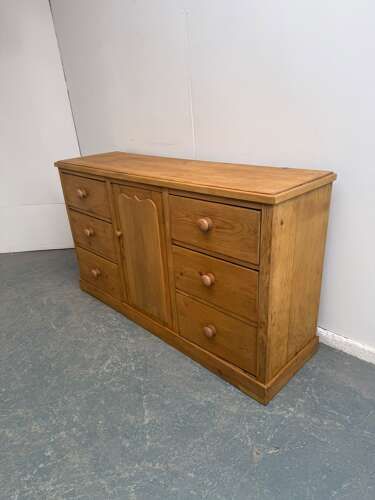
- A low sideboard form featuring drawers and cupboards beneath a solid top, designed for food preparation and storage. These pieces frequently paired with separate wall-mounted plate racks.
- Windsor chair
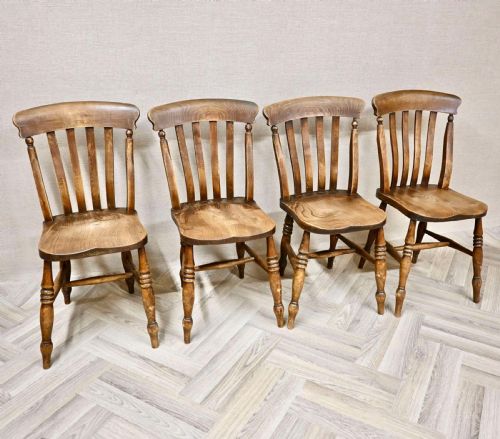
- A traditional wooden seating form constructed with a solid shaped seat into which legs and back spindles are wedged. Variations include lath backs, laybacks and hoop designs utilising mixed timbers like beech, elm and ash.
- Draw leaf table
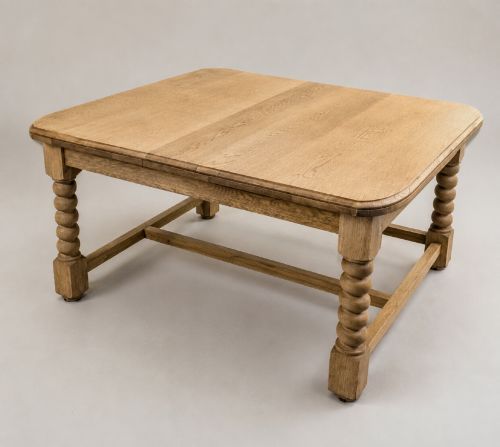
- A dining table equipped with sliding extension leaves stored beneath the main top. This mechanism allows the surface area to expand quickly for dining.
- Green Man
- A sculptural architectural motif depicting a human face disgorged from foliage or vines. This detail appears on revival and vernacular oak furniture from the period.
- Talwrn dresser
- A specific regional Welsh dresser type associated with vernacular domestic storage. These items represent distinct local building traditions within British country furniture.
Victorian Kitchen Furniture: Frequently Asked Questions
What defines a Victorian kitchen table?
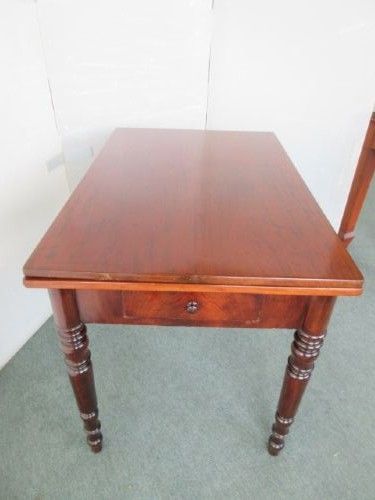
Victorian kitchen tables are heavy, utilitarian surfaces constructed from timbers such as pine, oak or elm. They display straightforward joinery designed to endure daily domestic labour, food preparation and family dining.
Many examples feature scrubbed wooden tops, drawer units integrated into the aprons, and turned or tapered legs. Their proportions vary from compact cottage tables to monumental country house formats.
How do I care for antique pine furniture?
Antique pine benefits from minimal intervention, typically requiring only dusting with a dry cloth and occasional waxing to nourish the timber. Avoid placing these pieces near direct heat sources or in fluctuating humidity to prevent wood movement.
Original painted surfaces should be kept dry and protected from harsh modern cleaning agents. Preserving the existing finish maintains the historical character of the piece.
Where were Windsor chairs used?
Windsor chairs served as versatile seating throughout the home, appearing in kitchens, parlours, dairies and taverns. Their sturdy, rigid construction made them ideal for high-traffic domestic and commercial environments.
The combination of a solid wooden seat with steam-bent spindles provided ergonomic support without requiring upholstery.
What is the difference between a dresser and a Welsh dresser?
A standard dresser generally refers to a lower storage base with drawers and cupboards, sometimes accompanied by open shelves. A Welsh dresser traditionally incorporates an integrated or fitted upper plate rack designed to display ceramics and pewter.
Regional variations in proportions and timber usage further distinguish Welsh examples from other British and European country dressers.
How can I identify regional furniture styles?
Regional furniture style is determined by the local timbers available to the maker and traditional construction methods specific to an area. Welsh, Irish, Scottish and English pieces often employ distinct structural quirks and local woods like elm or ash.
Examining the underside, drawer linings and secondary woods helps reveal the geographical origin of vernacular items.