




Victorian Iron Safe
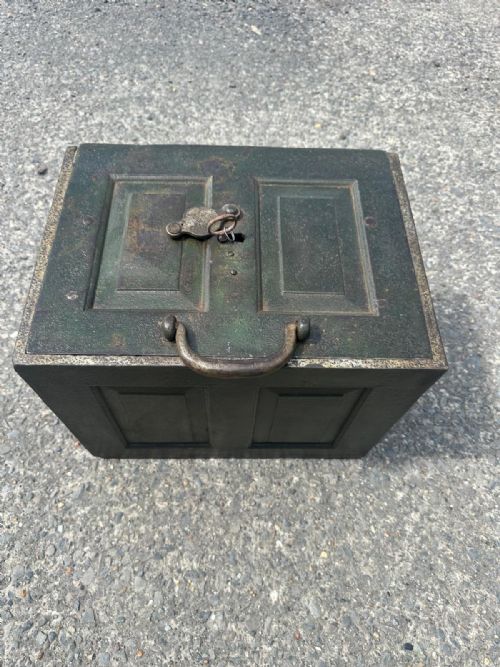
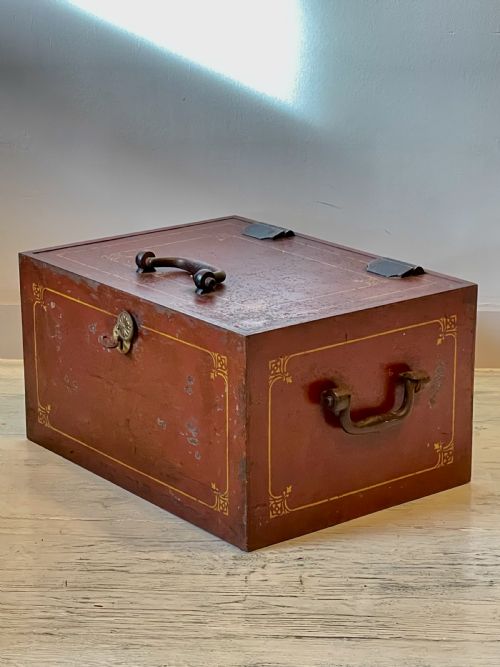
These heavy victorian iron safe designs secure valuables behind thick metal plates, forged to withstand both thieves and fires.
Victorian Iron Safe
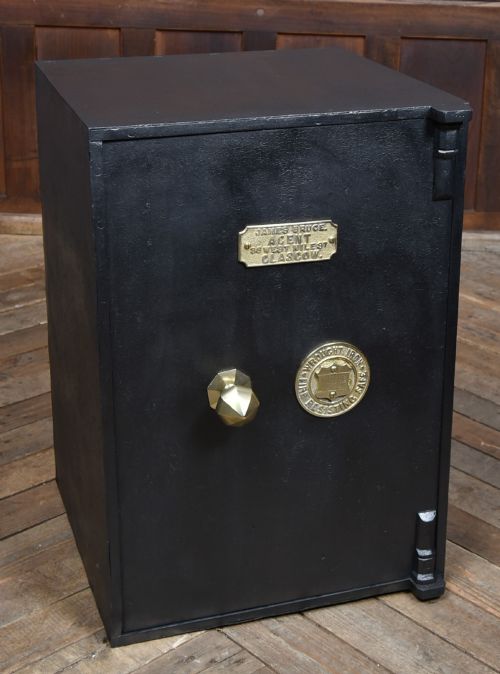
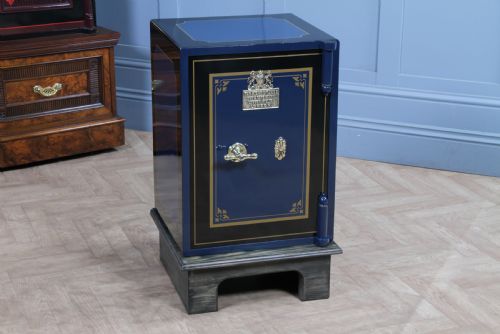
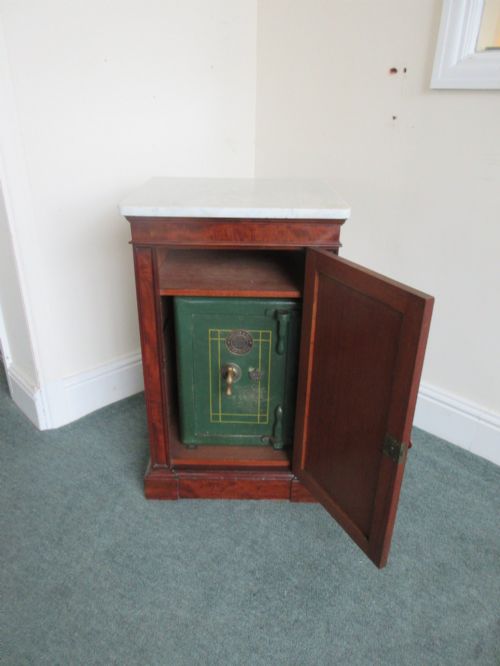
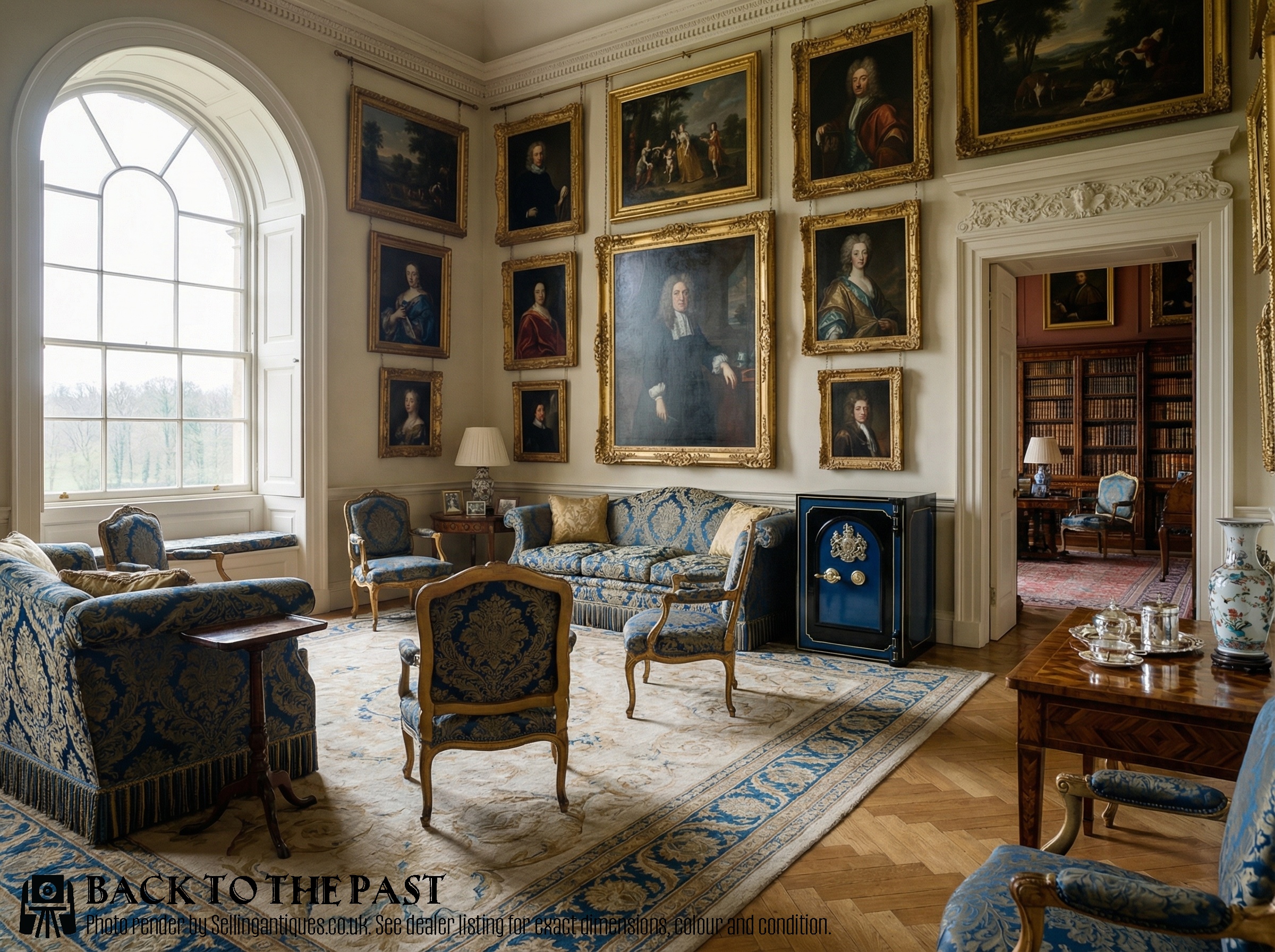
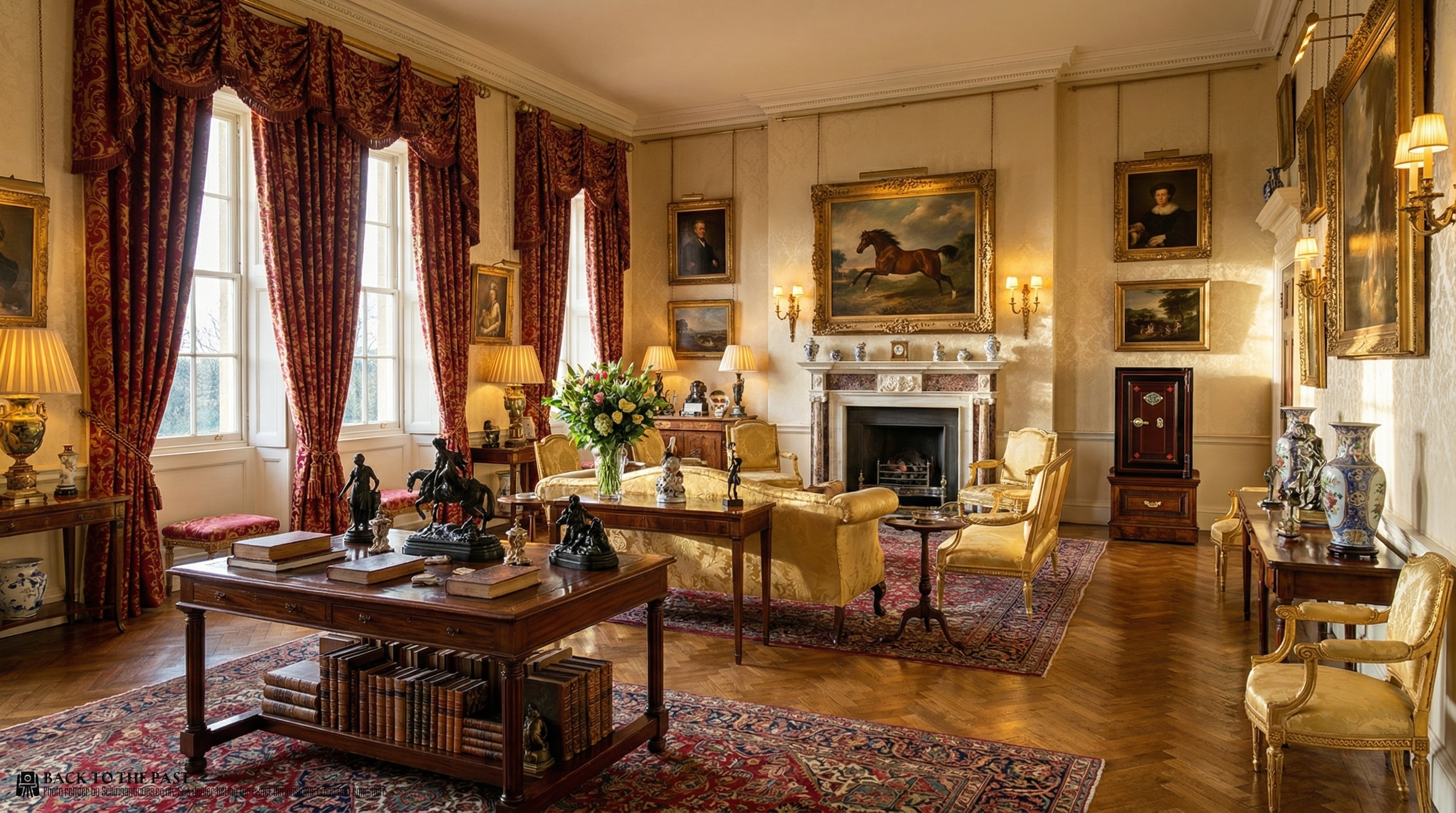
A victorian iron safe is a heavy security chest built during the nineteenth century, most often taking the form of a cast iron or steel box fitted with complex lever locks. Buyers searching for a victorian iron safe encounter heavy freestanding strongboxes alongside domestic versions mounted upon timber cabinetry or bespoke stands.
Many examples double as fitted silver chests constructed from oak or mahogany and bound with iron straps, designed to protect family plate. The selection ranges from industrial workshop models bearing maker plates to polished luxury pieces intended for drawing rooms.
Construction and materials
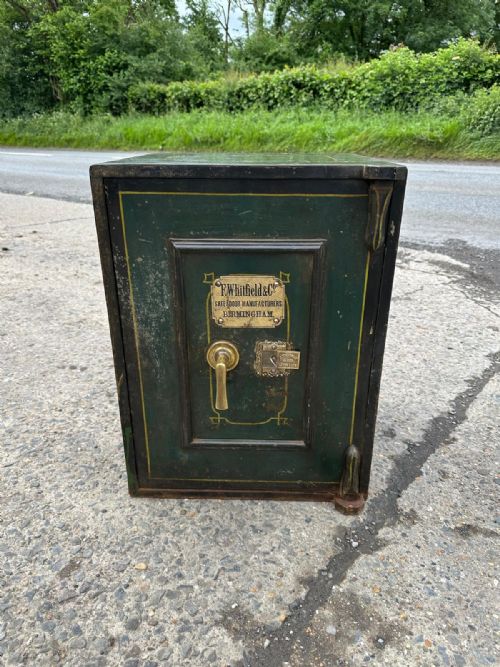
Makers built these pieces using thick cast iron, wrought iron, and polished steel, often reinforcing the heavy metal body with internal fireproofing materials. Exterior surfaces carry painted finishes, original colour, or polished brightwork.
Cabinetry elements utilise dense hardwoods such as oak and mahogany, paired with brass handles, escutcheons, and working keys.
Victorian Iron Safe Retail Price Guide 2026
Typical asking prices for victorian iron safe among the pieces listed under this phrase on Sellingantiques today, from the lower quarter to the upper quarter. They describe what is for sale here now, not the wider market.
Listings feature oak, mahogany, cast iron, wrought iron, steel, and brass across nineteenth-century industrial and domestic forms.
Judging quality and craftsmanship
Quality rests on the sophistication of the locking mechanism and the integrity of the maker name, with specialist firms employing intricate brass lever works and proprietary fire-resisting fillings. Superior pieces retain original painted decoration, working keys, and manufacturer badges.
The integration of the metal body with secondary furniture, such as walnut stands or marble tops, distinguishes standard utilitarian boxes from luxury merchant models.
James Bruce Glasgow·Tanns Defiance London·F Whitfield and Co·Elkington·Milners of Liverpool·Waring and Sons·George Price·Cyrus Price and Co·Samuel Withers and Co·Thomas Hudson·Coalbrookdale·Chubb and Sons·Richard M Lord
The Victorian Iron Safe Glossary
- Strongbox
- A secure metal chest used for storing money or valuables.
- Escutcheon
- A protective plate surrounding a keyhole, usually fashioned from brass.
- Cast iron
- A heavy, rigid iron alloy poured into moulds to form the thick walls of security boxes.
- Wrought iron
- Tough, malleable iron beaten into shape to create structural straps and hinges.
- Silver chest
- A lined wooden trunk bound in metal, designed specifically to hold dining silverware.
Victorian Iron Safe: Frequently Asked Questions
How heavy is a victorian iron safe?
These boxes weigh a considerable amount due to the thick cast iron plates and internal fireproofing used in their construction. Most require specialist lifting equipment to move safely.
Smaller silver chests built from oak and iron are lighter but still demand two people to lift when fully loaded with plate.
Did these safes protect against fire?
Many nineteenth-century makers engineered their security boxes with fire-resisting chambers packed between the inner and outer metal walls. These cavities contained materials meant to insulate contents from extreme heat.
Manufacturers often stamped patent details regarding fire resistance directly onto the heavy iron doors.
How do I identify the maker?
Maker details usually appear on brass manufacturer plates fixed to the interior door or exterior front panel. Names such as Milners or Chubb were prominent industry leaders.
Cast iron bodies may also bear foundry lettering or markings incorporated directly into the metal casting during production.
Where were these safes used?
Merchants, bankers, and wealthy homeowners kept these heavy boxes in offices, counting houses, and private residences. Domestic versions disguised as wooden cabinets sat comfortably in reception rooms.
Silver chests travelled with families or stayed in country house butler pantries to safeguard dining collections.