
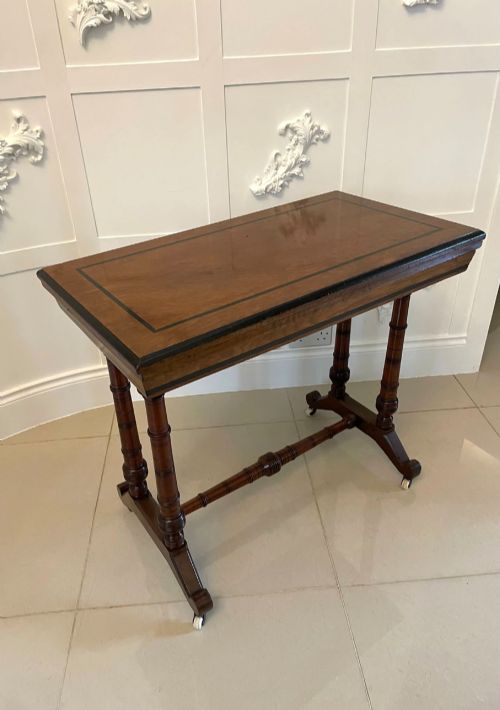
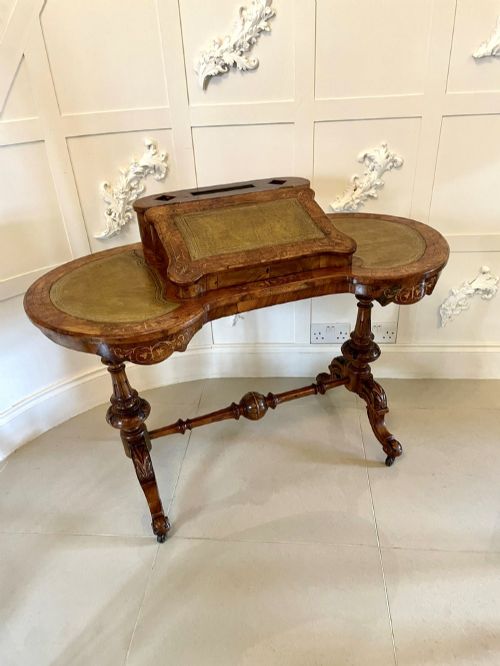
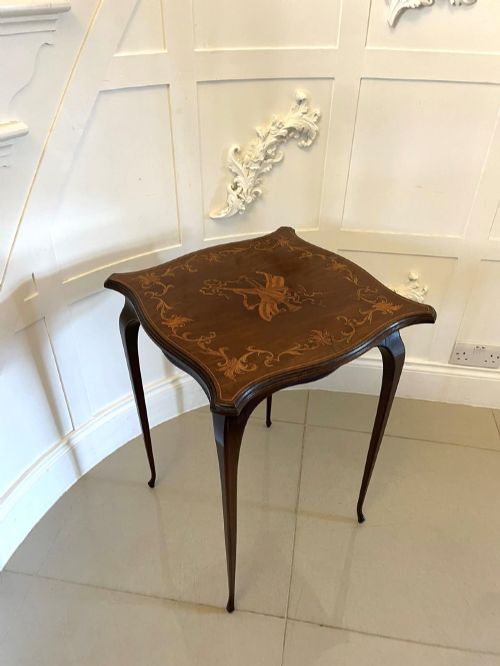
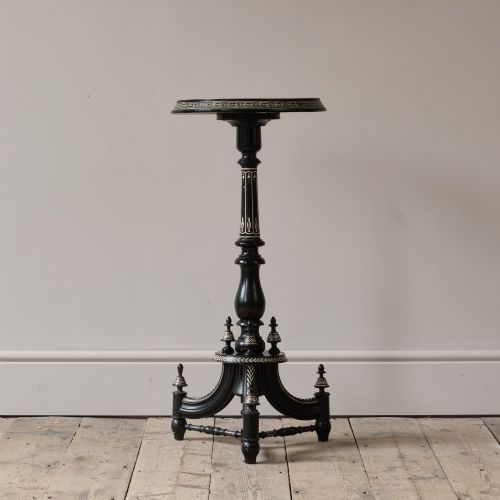
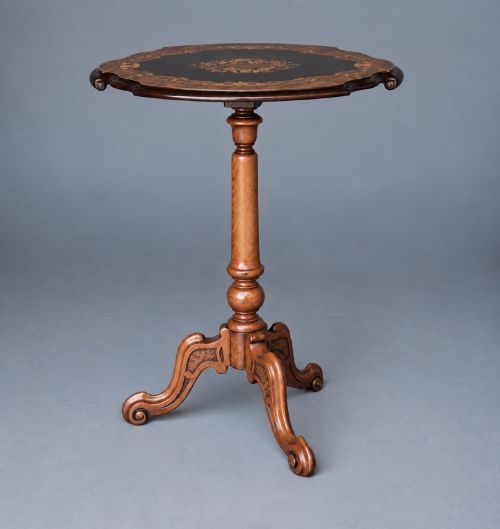
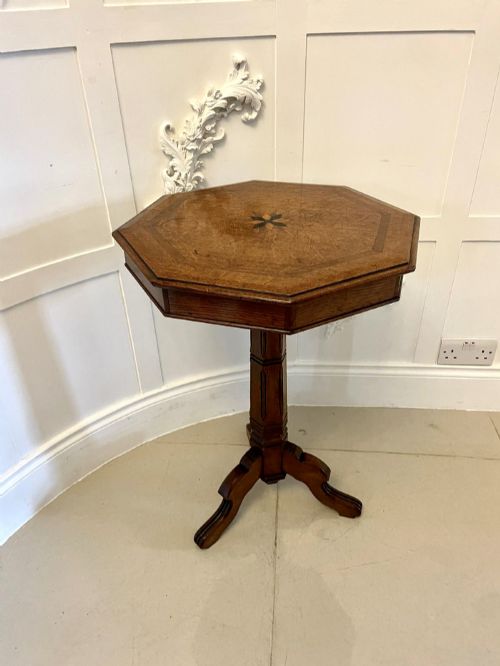
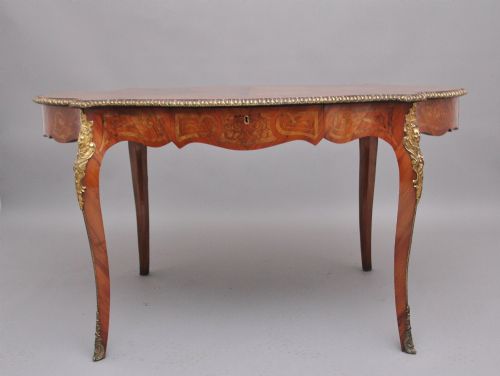
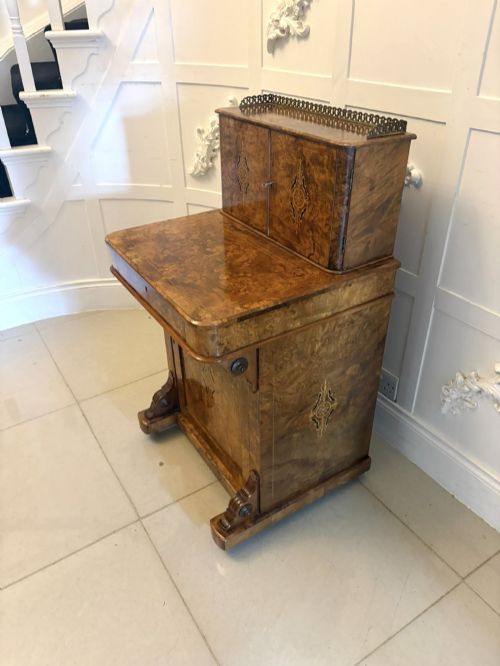
Victorian Inlay Table
These pieces combine figured timbers with intricate wood inlay, offering both utility and craftsmanship.
Victorian Inlay Table
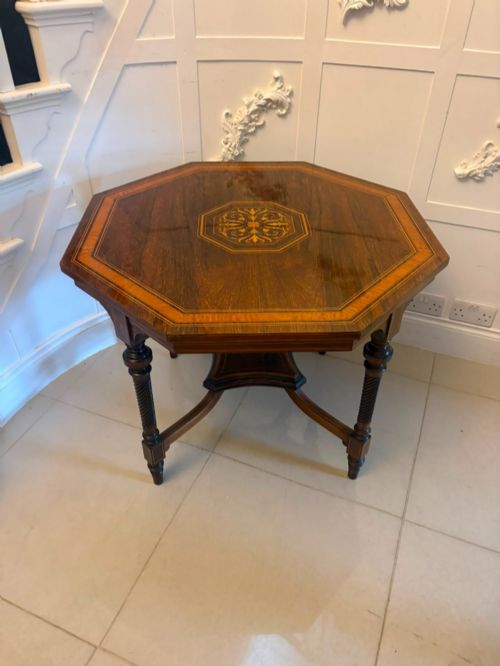
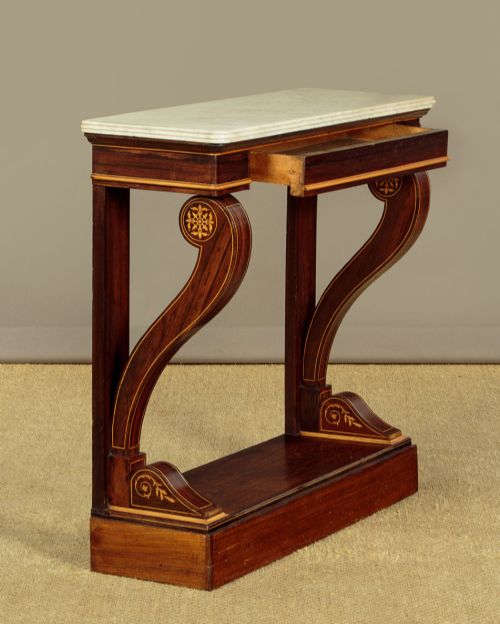
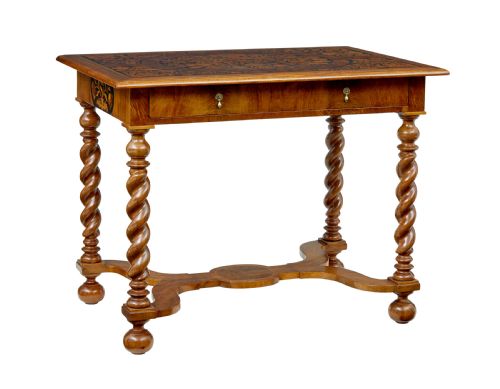
When you search for a victorian inlay table, you encounter a variety of forms designed for nineteenth-century domestic life. The selection ranges from games tables and occasional pieces to larger centre tables and desks.
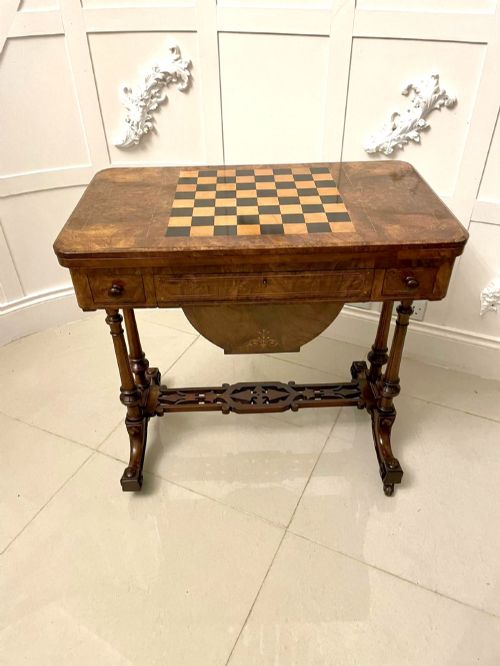
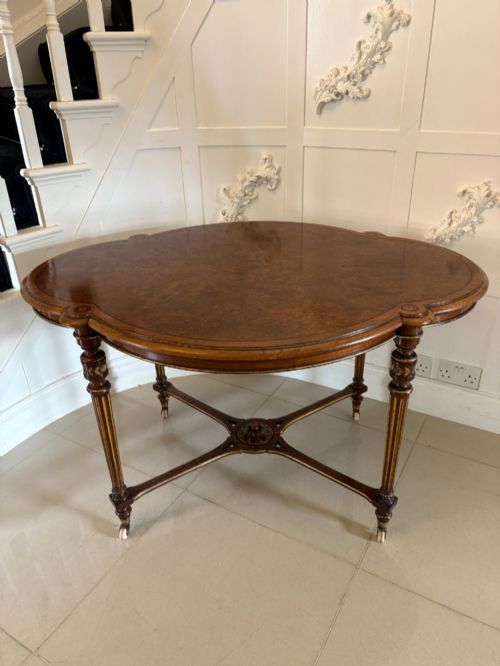
Burr walnut and rosewood versions appear frequently among the listings, often decorated with marquetry or parquetry motifs. These items served specific household functions, such as card playing, sewing, or displaying decorative objects in a parlour.
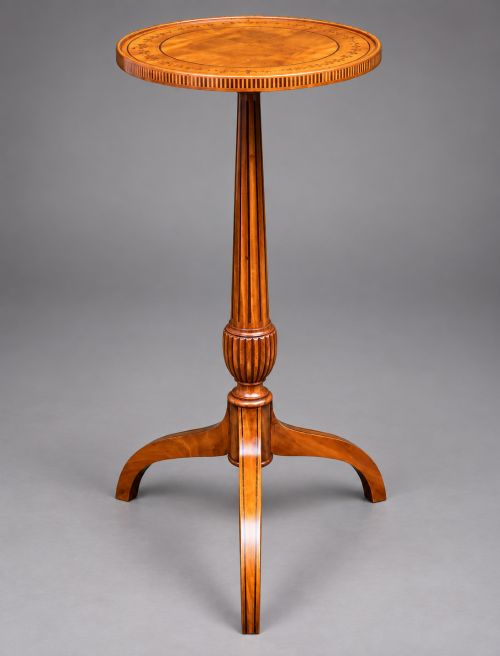
The origin of these pieces spans English workshops and continental revival styles, reflecting the eclectic tastes of the period. Buyers find both compact lamp tables and substantial pedestal designs suited to different rooms.
How they were made
Cabinet makers utilised dense hardwoods such as mahogany, walnut, and satinwood as foundations for decorative surfaces. These timbers provided stability for intricate ornamentation.
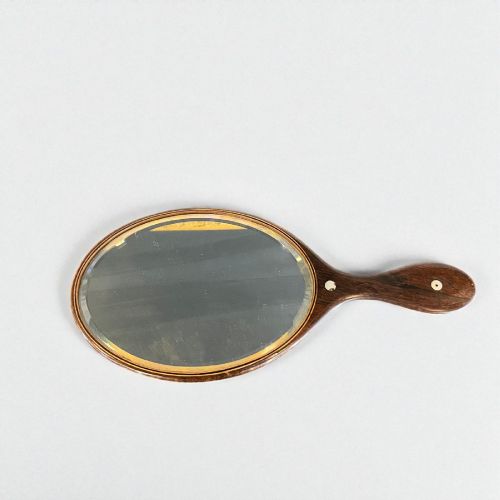
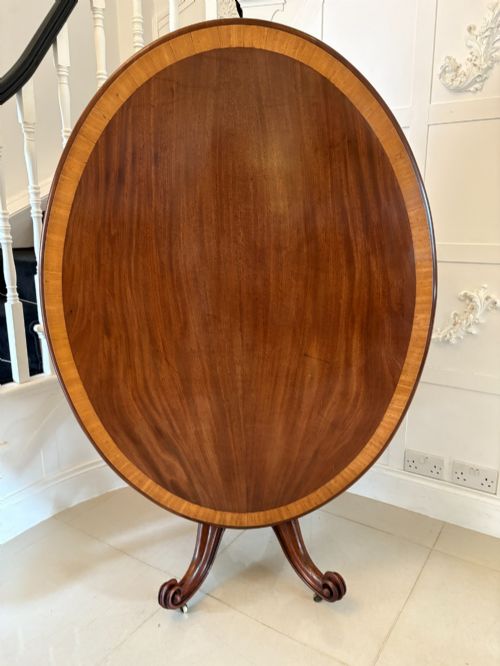
Veneers of burr walnut and exotic woods formed the field for detailed wood inlay and marquetry panels. Craftsmen also incorporated brass, mother of pearl, and ormolu mounts to accent specific forms.
Some tables double as chess boards, proving Victorians loved a sneaky game during tea.
What varies in quality
The sophistication of the marquetry design and the selection of figured timber distinguish different grades of work. Superior examples display precise cutting in the contrasting woods and balanced composition across the surface.
Construction details, such as the quality of drawer linings, secondary timbers, and original hardware, indicate the standing of the workshop. Pieces produced by documented firms often exhibit greater refinement in their carving and finishing.
Edward Holmes Baldock·JAS Shoolbred·Edwards and Roberts·Jackson and Graham·Jennings and Betteridge·Gillows
The Victorian Inlay Table Glossary
- Marquetry
- The art of forming decorative patterns by fitting together veneers of different coloured woods.
- Parquetry
- A geometric mosaic of wood pieces used for floors and tabletops.
- Burr walnut
- Wood taken from the growth on a walnut tree, yielding highly figured and swirling grain patterns.
- Ornaments in brass or gilt bronze applied to furniture for decorative effect
- Ormolu mounts enhance the appearance of French revival pieces.
- Satinwood
- A durable hardwood with a lustrous, yellow finish used extensively for contrasting inlay work.
Victorian Inlay Table: Frequently Asked Questions
What is a Victorian inlay table?
A Victorian inlay table is a nineteenth-century piece of furniture decorated with contrasting wood veneers, brass, or mother of pearl. These items include card tables, centre tables, and small lamp stands.
They reflect the diverse aesthetic tastes of the Victorian era, combining practical household use with ornamental craftsmanship.
How were these tables used originally?
Households utilised these tables for specific social and domestic activities such as writing letters, playing chess or card games, and serving tea. Smaller lamp tables and occasional pieces could be moved easily around the room to suit the occasion.
Larger centre tables stood firmly in the middle of a parlour to display decorative objects or books.
Which woods appear most often?
Walnut, burr walnut, and rosewood form the primary body of many examples found today. Mahogany and satinwood also appear frequently across various styles.
Craftsmen used lighter woods like boxwood for the fine details of the inlay work against these darker backdrops.
How do I care for an antique table?
Keep the wood away from direct sunlight and heat sources to prevent the veneers from drying out or cracking. Regular dusting with a soft, dry cloth preserves the finish.
Avoid using modern silicone-based polishes, which can damage the aged surface over time.