

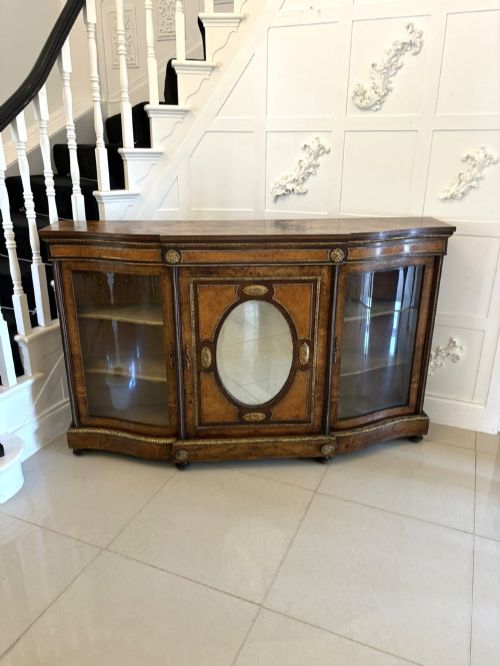
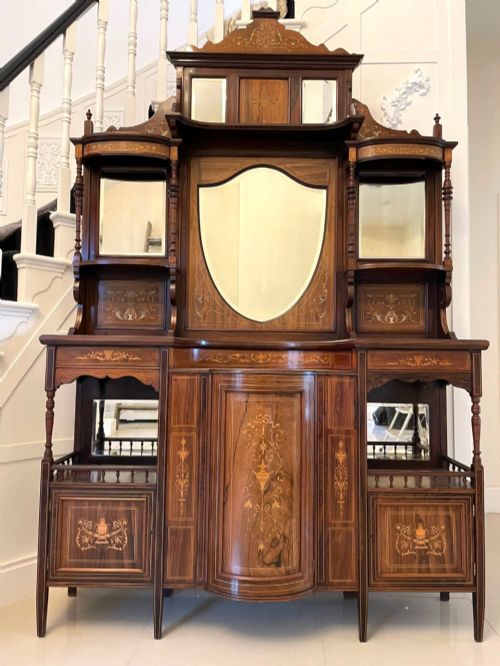
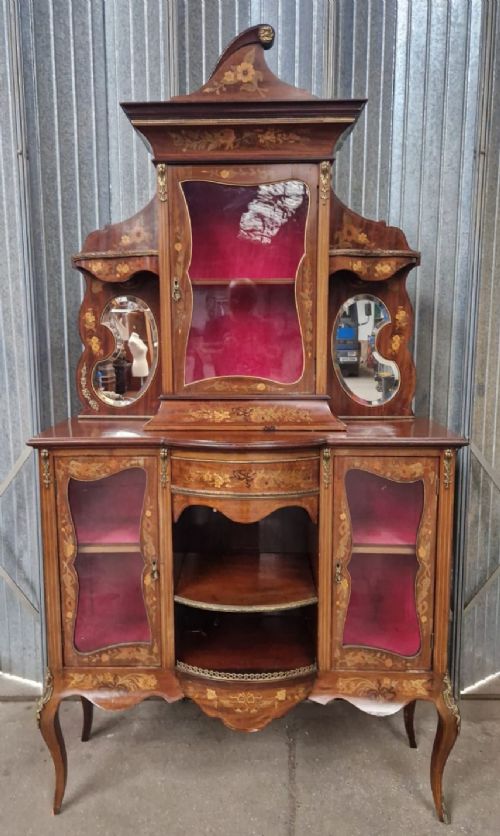
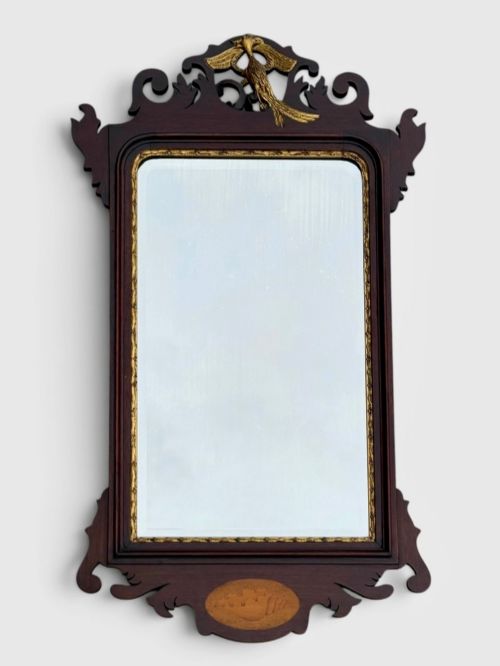
Victorian Inlay Mirror
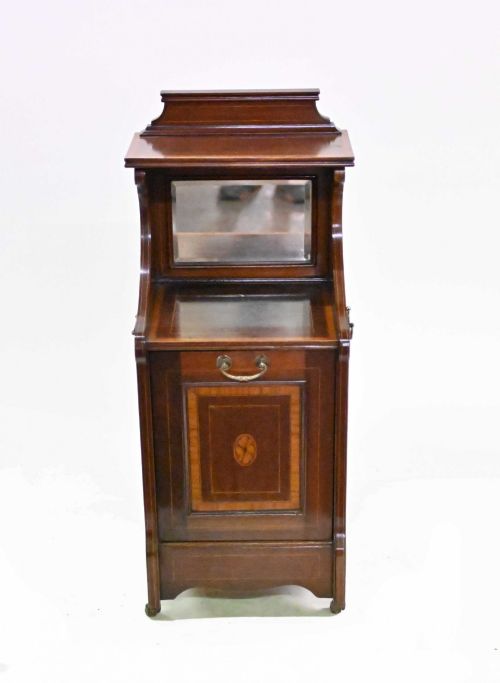
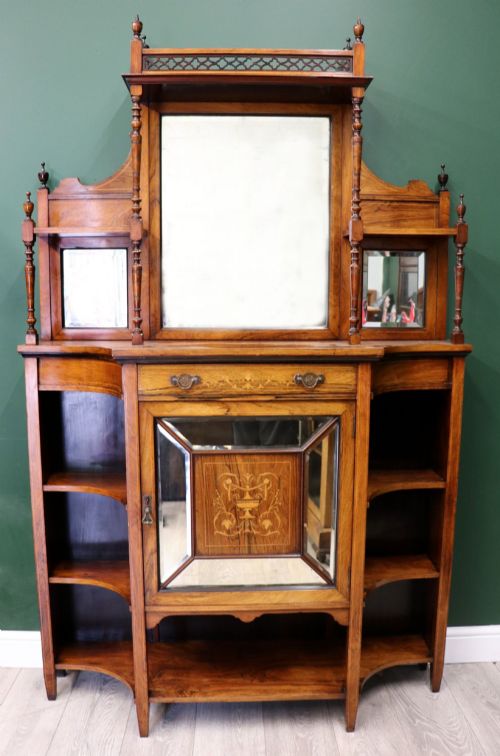
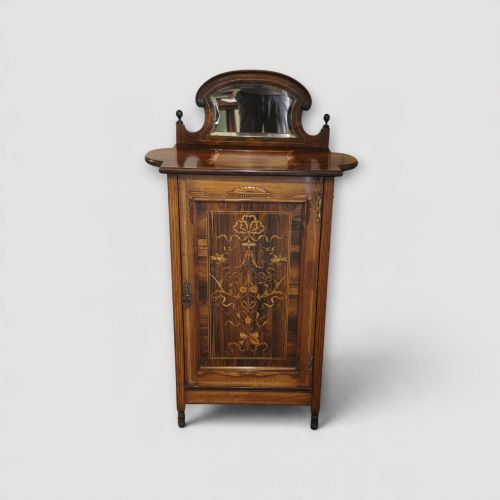
These nineteenth-century pieces combine figured timbers with delicate contrasting wood details, offering period charm for domestic interiors.
Victorian Inlay Mirror
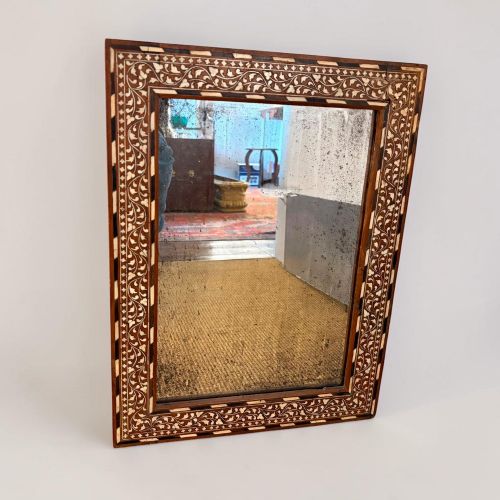
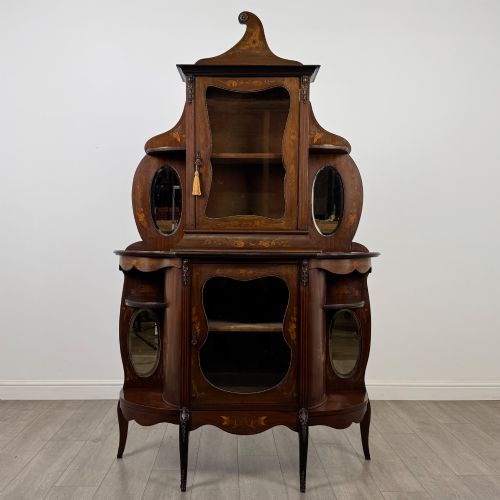
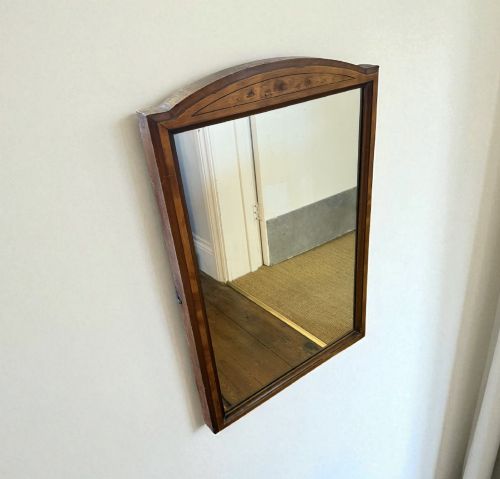
A victorian inlay mirror brings together polished nineteenth-century hardwoods and contrasting wood marquetry, uniting functional glass with decorative craft. Buyers examining this category encounter various wall-mounted, overmantel, and dressing mirror formats alongside large furniture items incorporating glass panels.
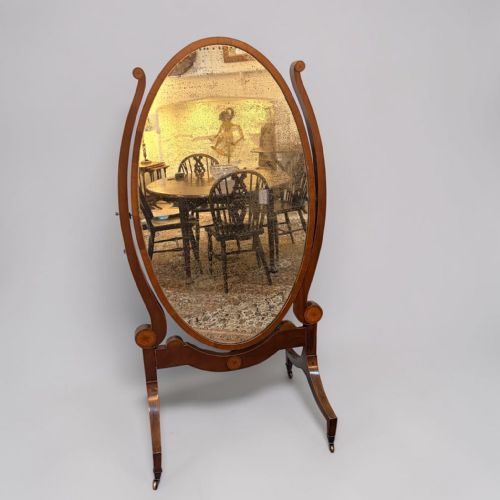
The selection spans straightforward rectangular wall hanging plates to elaborate architectural overmantels and cheval glasses. Rosewood, mahogany, and burr walnut dominate the forms, frequently enriched with floral or geometric scrollwork.
How they were made
Cabinetmakers utilised dense native and exotic timbers including mahogany, rosewood, and burr walnut as the primary structural foundations. Panels were selected for rich grain patterns before receiving precise hand-cut marquetry and stringing.
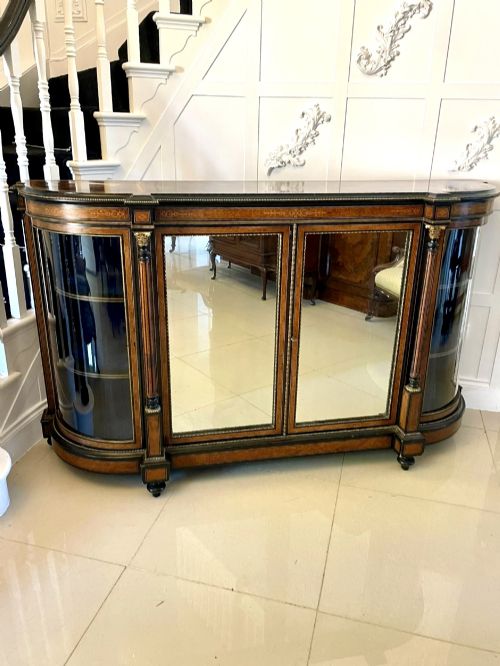
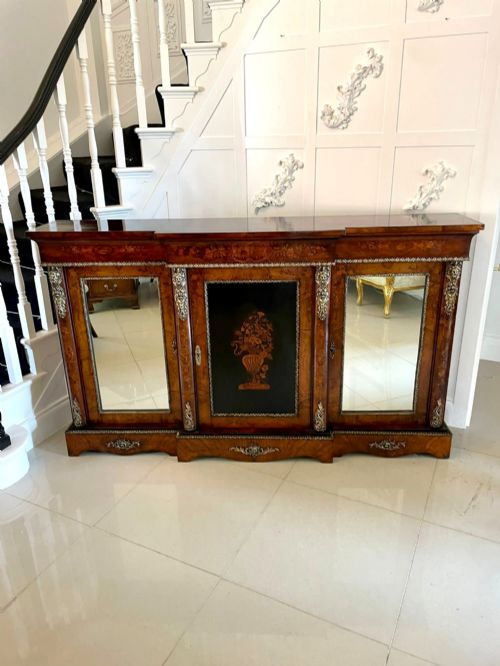
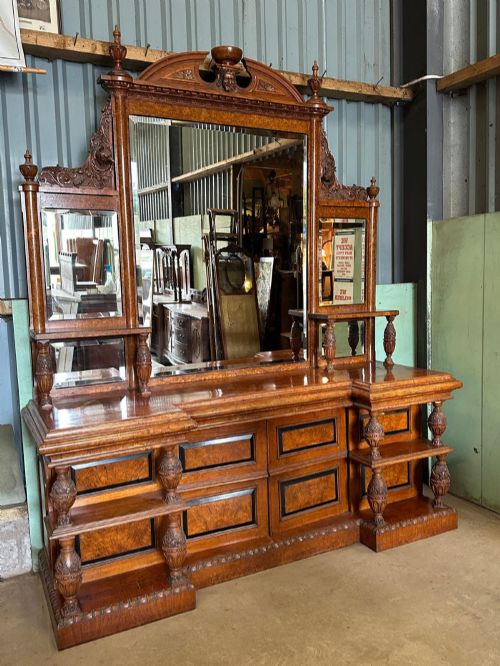
Craftsmen inlaid contrasting woods such as satinwood and lighter fruitwoods into recessed channels within the dark carcase. Ormolu mounts and brass hardware frequently supplemented the timber work on larger display pieces and credenzas.
Victorian Inlay Mirror Retail Price Guide 2026
Typical asking prices for victorian inlay mirror among the pieces listed under this phrase on Sellingantiques today, from the lower quarter to the upper quarter. They describe what is for sale here now, not the wider market.
The listings feature mahogany, rosewood, and burr walnut across multiple decades of the nineteenth century.
What varies in quality
The precision of the marquetry cutting determines the initial tier of execution, separating sharp, tight junctions from wider filler gaps. Artisans who achieved seamless integration of satinwood and fruitwood without splintering produced superior outcomes.
Timber selection and finish depth govern the remaining distinction between standard workshop output and exceptional commissions. High-grade pieces exhibit carefully matched grain orientation across primary surfaces and retain stable, original backing structures.
Edwards and Roberts·Collinson & Lock·Gillows·Maple & Co
The Victorian Inlay Mirror Glossary
- Marquetry
- Decorative veneer work forming pictures or ornamental patterns by placing thin pieces of wood onto a structural base. It differs from inlay by assembling the entire design before fixing it to the surface.
- Ormolu
- Gilded bronze mounts applied to furniture edges and mounts during the nineteenth century. This technique added metallic contrast to dark woods such as rosewood and burr walnut.
- Compactum
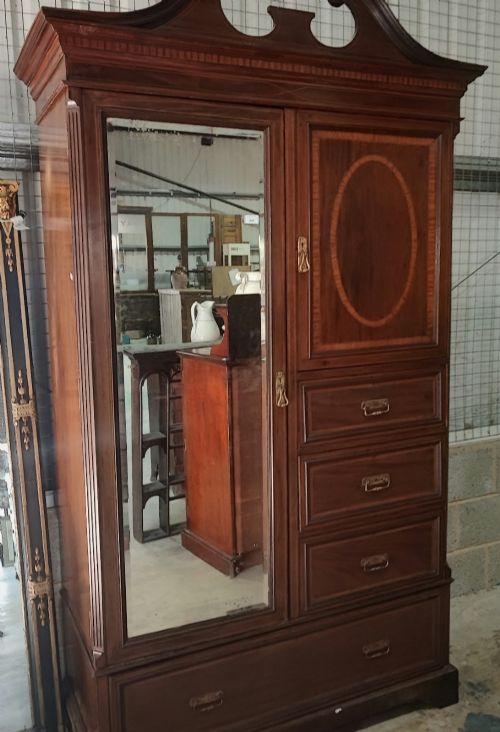
- A large fitted wardrobe combining hanging space, shelves, and drawers within a single compartment. These multi-purpose units often integrated mirrored doors.
- Overmantel
- A large mirror designed to hang directly above a fireplace mantelpiece. The proportions typically matched the width of the hearth below.
- Credenza
- A low cabinet piece featuring central doors flanked by curved or straight glazed display sections. Nineteenth-century examples frequently incorporated extensive marquetry and gilt mounts.
Victorian Inlay Mirror: Frequently Asked Questions
How do I clean the mirror glass?
Apply a mild glass cleaner to a soft microfiber cloth rather than spraying the liquid directly onto the frame. This prevents moisture from seeping behind the silvering or lifting the delicate wood stringing.
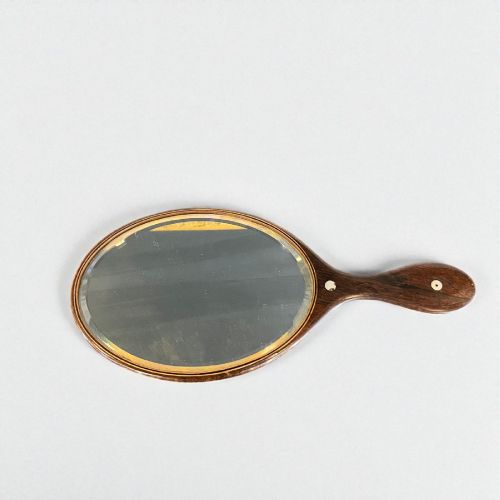
Dry the surface immediately with a second clean cloth to prevent spotting along the bevelled edges and corners.
Can these mirrors hang safely on modern walls?
Heavy nineteenth-century frames require direct fixing into masonry or secured timber studs using rated brackets. Picture wire alone is rarely sufficient for substantial mahogany or rosewood surrounds.
Consult a professional installer to assess the weight distribution before mounting larger overmantel or cheval formats.
What causes dark spots in the glass?
Oxidation occurs when atmospheric moisture penetrates the protective backing behind the silver coating over decades. This natural ageing process creates small foxing marks across the reflective surface.
Such changes confirm the age of the original plate without compromising the decorative integrity of the frame.
How do I care for the inlaid wood?
Maintain a stable room temperature away from direct sunlight and heating vents to prevent the timber and veneer from drying out. Rapid environmental shifts cause wood to shrink and delicate marquetry to lift.
Apply a microcrystalline wax periodically to nourish the polished surface and protect the contrasting inlay work.