
Victorian Inlaid Bookcase
When choosing a victorian inlaid bookcase, collectors acquire timber furniture combining nineteenth-century craftsmanship with delicate marquetry and glazed display storage.
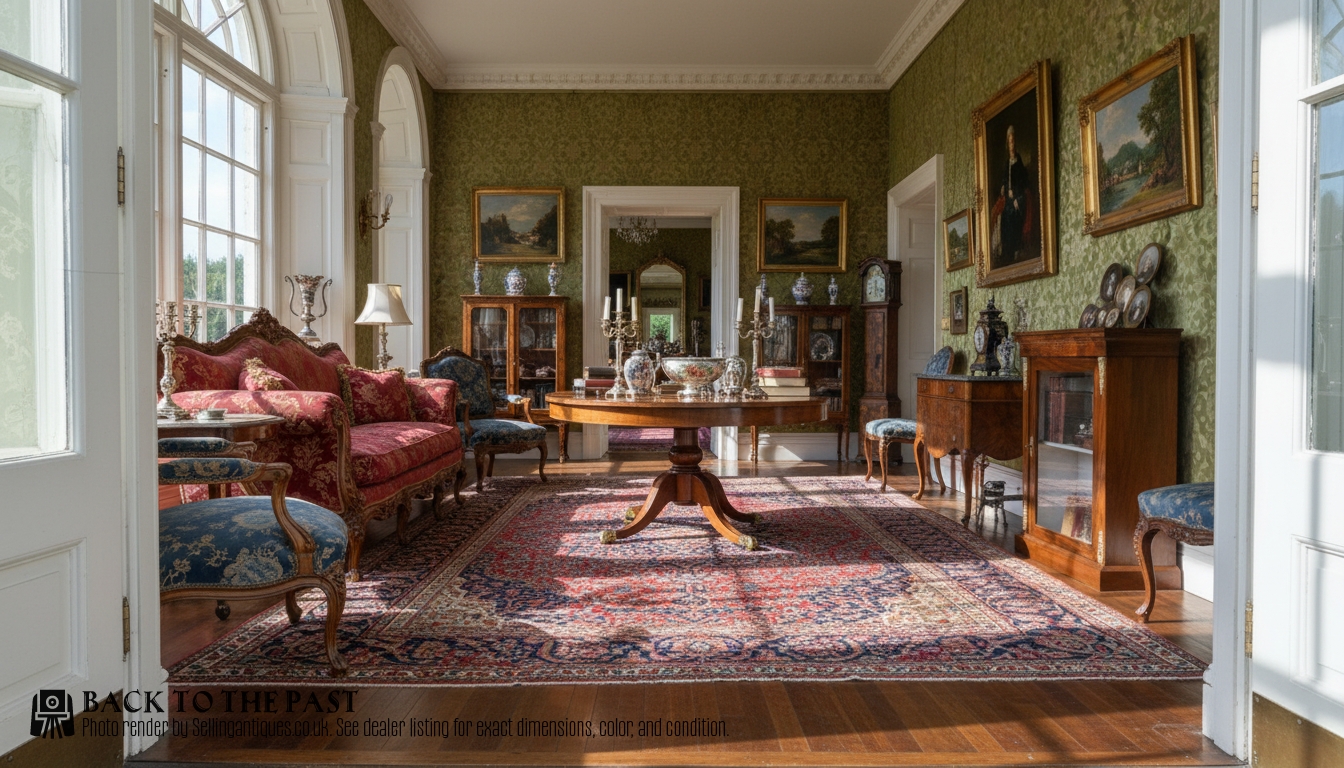
Victorian Inlaid Bookcase
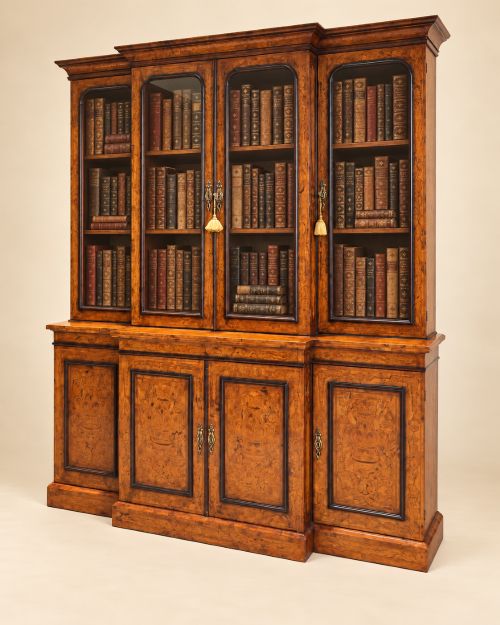
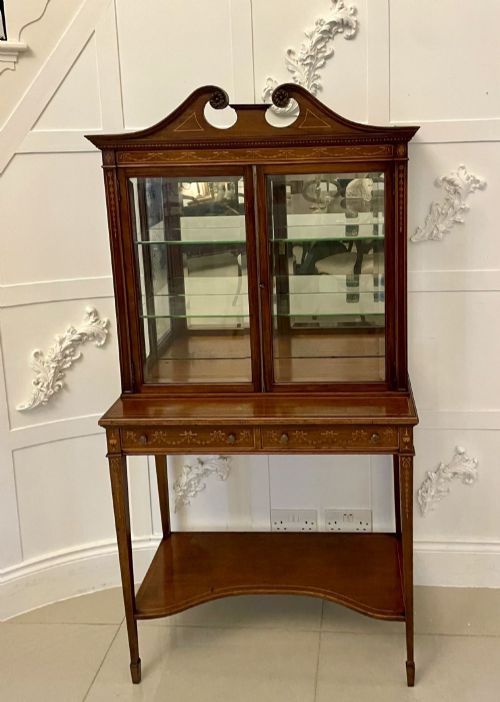
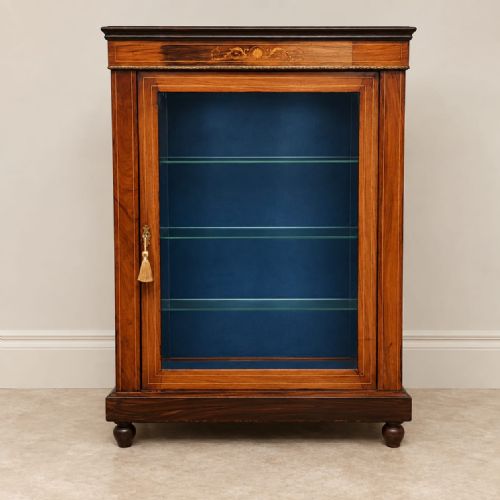
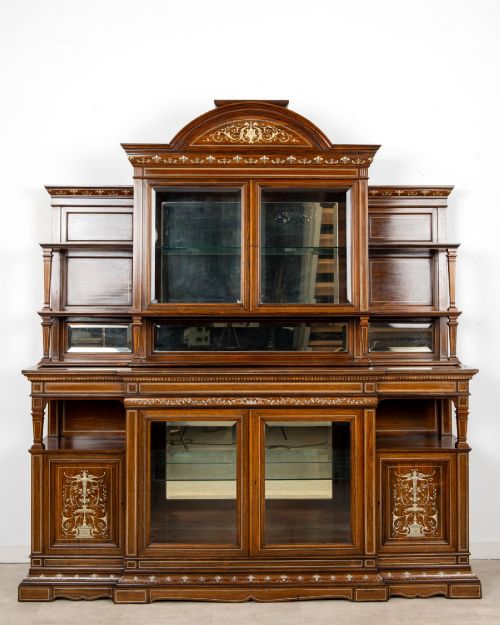
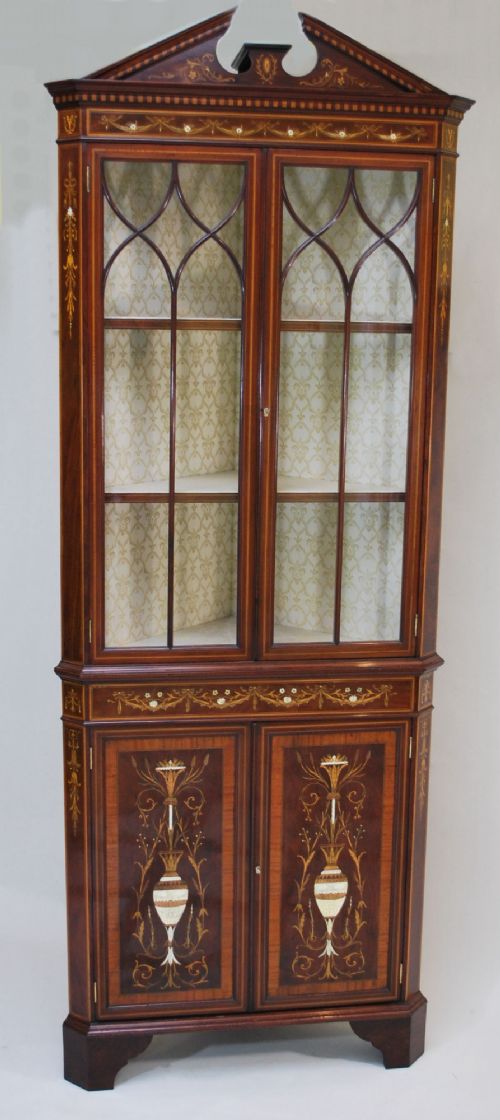
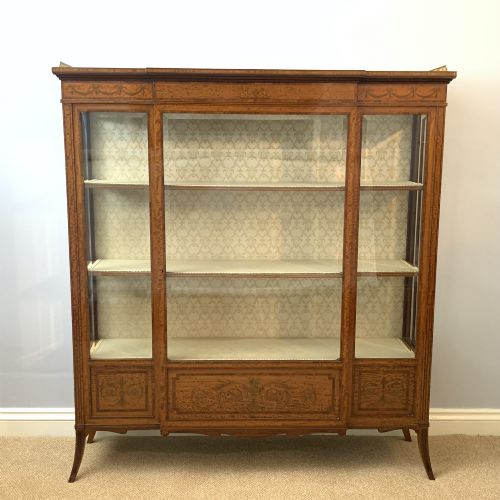
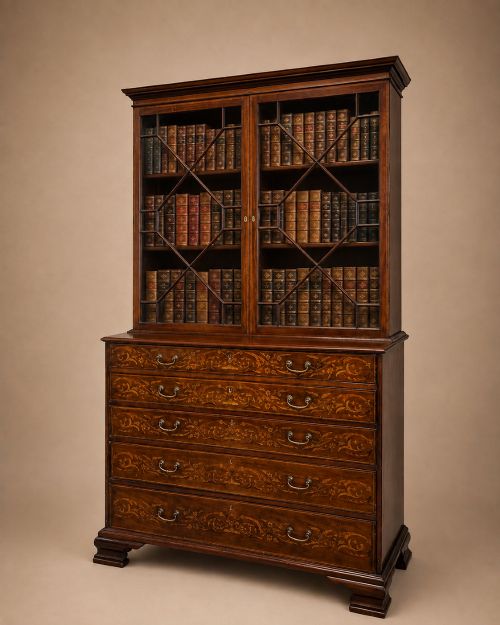
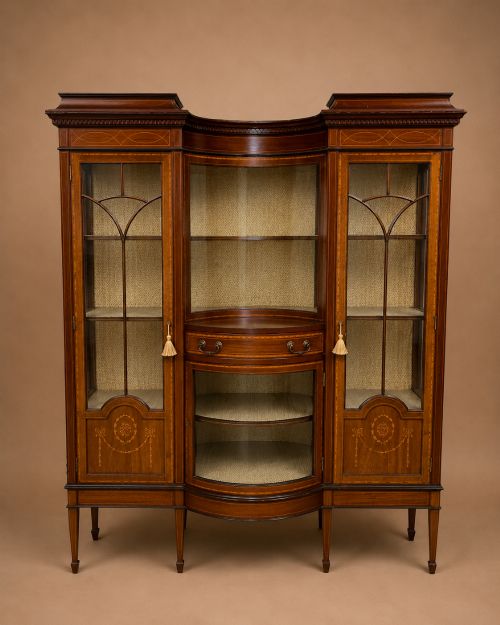
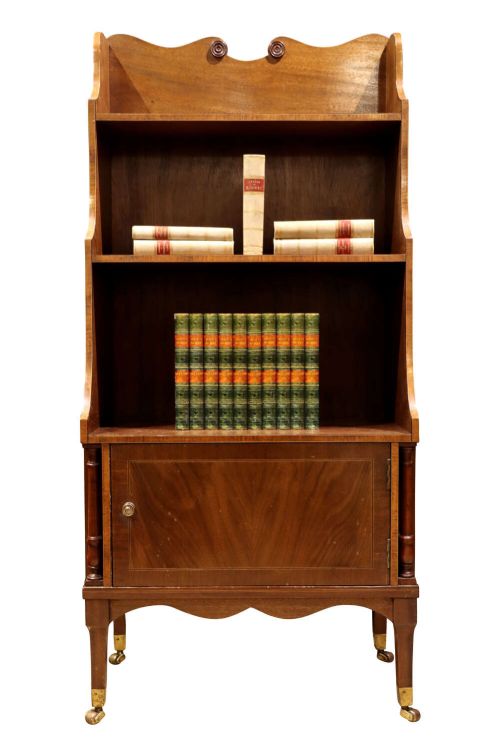
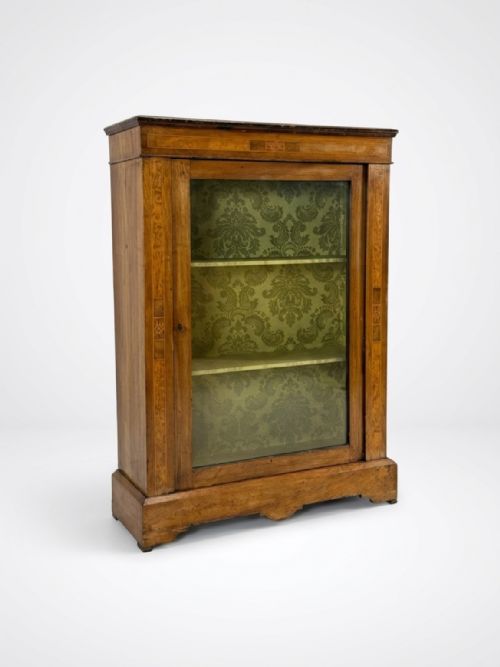
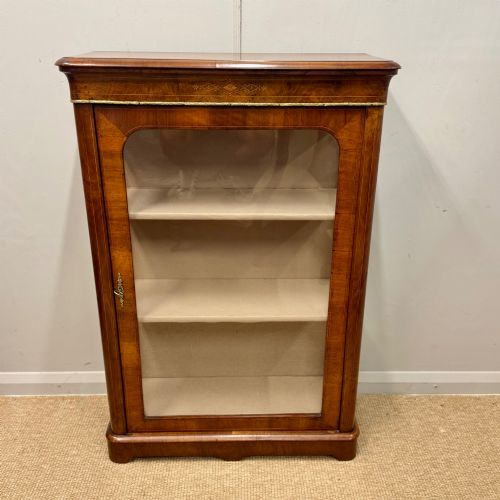
A victorian inlaid bookcase brings together functional shelving and decorative timber work from the nineteenth century, ranging from low pier cabinets to large breakfront library pieces. Buyers seeking this search phrase encounter various forms, including narrow display cabinets, open shelving units, and glazed bookcases.
The selections span the Victorian, late Victorian, and Edwardian periods, frequently incorporating styles such as Sheraton Revival, Aesthetic Movement, and French Second Empire. Mahogany and walnut serve as the predominant timbers, often enriched with contrasting wood inlay.
Many examples combine book storage with glass-fronted display sections for precious objects, while others utilise revolving designs or side cabinet configurations. These pieces originate from domestic parlours and libraries where formal display and literature storage held equal importance.
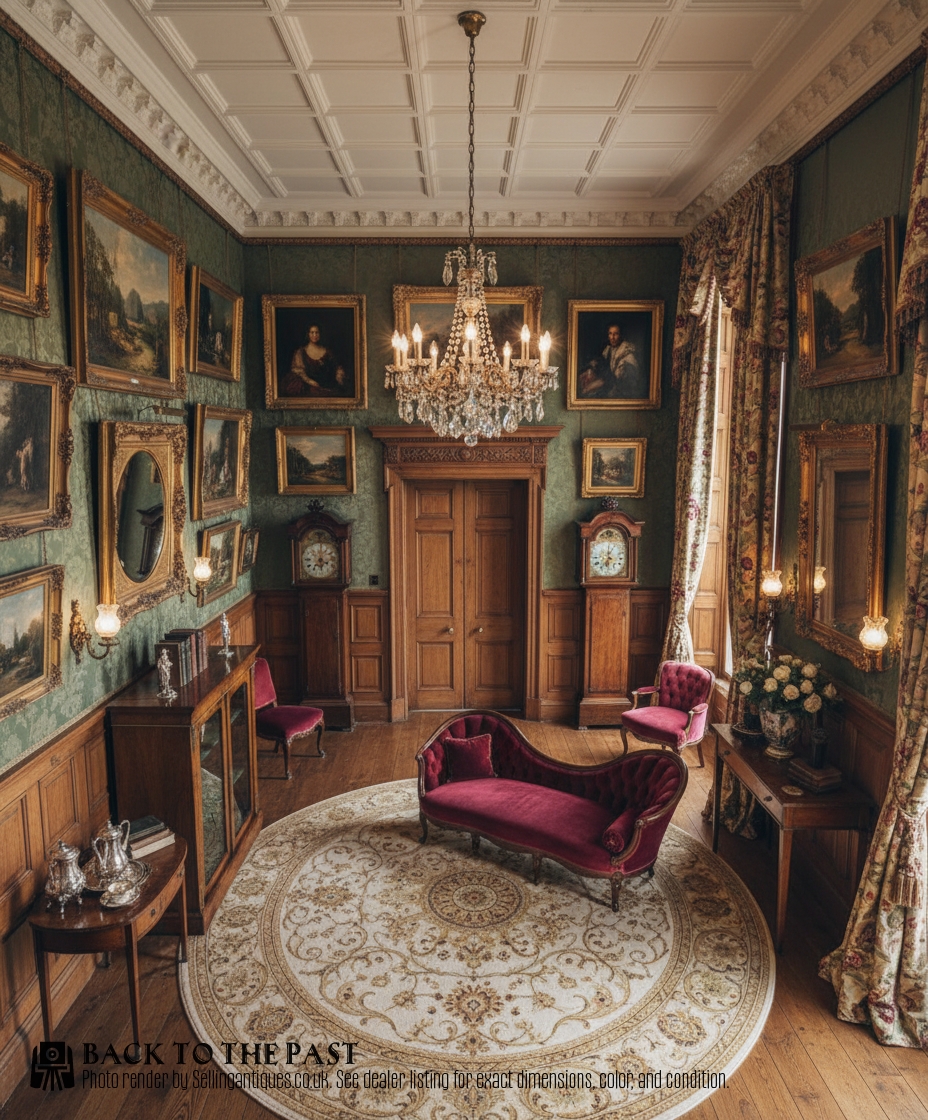
How They Were Made
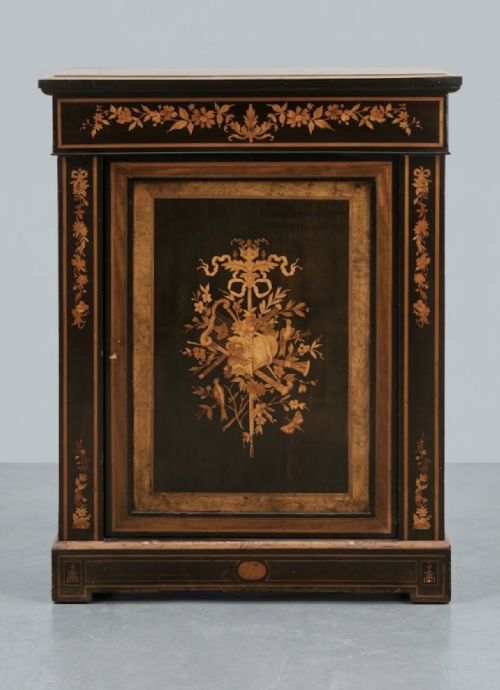
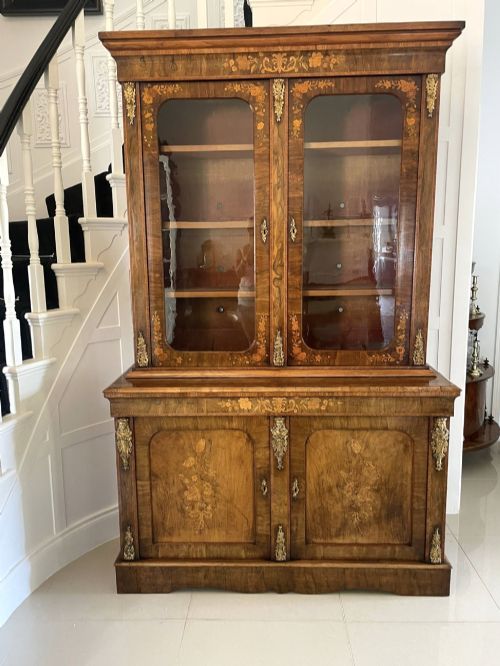
Cabinet makers utilised solid timbers and decorative veneers, applying mahogany, walnut, burr walnut, and satinwood across carcass structures. Surfaces received intricate marquetry and inlaid motifs using exotic woods, complemented by contrasting banding in ebony or boxwood.
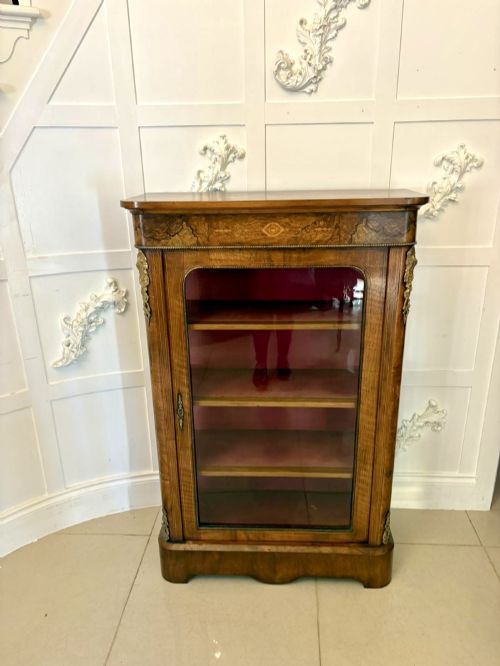
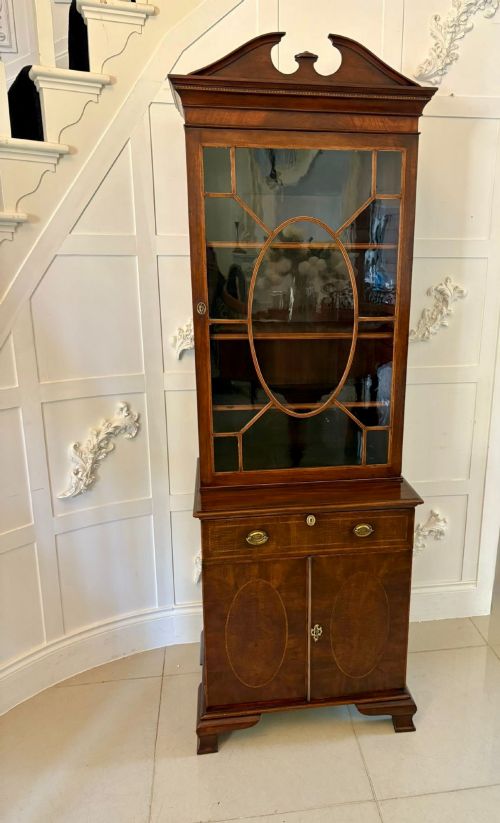
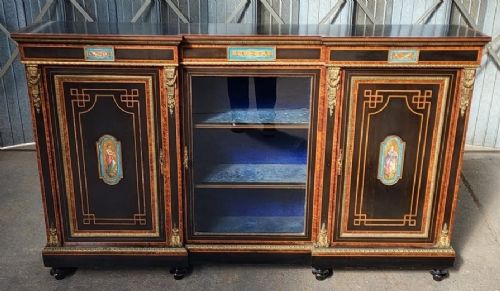
Metal components played a structural and decorative role, featuring brass castors on upright pieces and cast ormolu mounts framing glazed doors. Glass panels were secured within wooden frames or astragal bars, while interior shelving frequently remained adjustable.
Victorian Inlaid Bookcase Retail Price Guide 2026
Typical asking prices for victorian inlaid bookcase among the pieces listed under this phrase on Sellingantiques today, from the lower quarter to the upper quarter. They describe what is for sale here now, not the wider market.
Revolving bookcases allow readers to spin an entire library selection with a single push of the hand.
What Varies in Quality
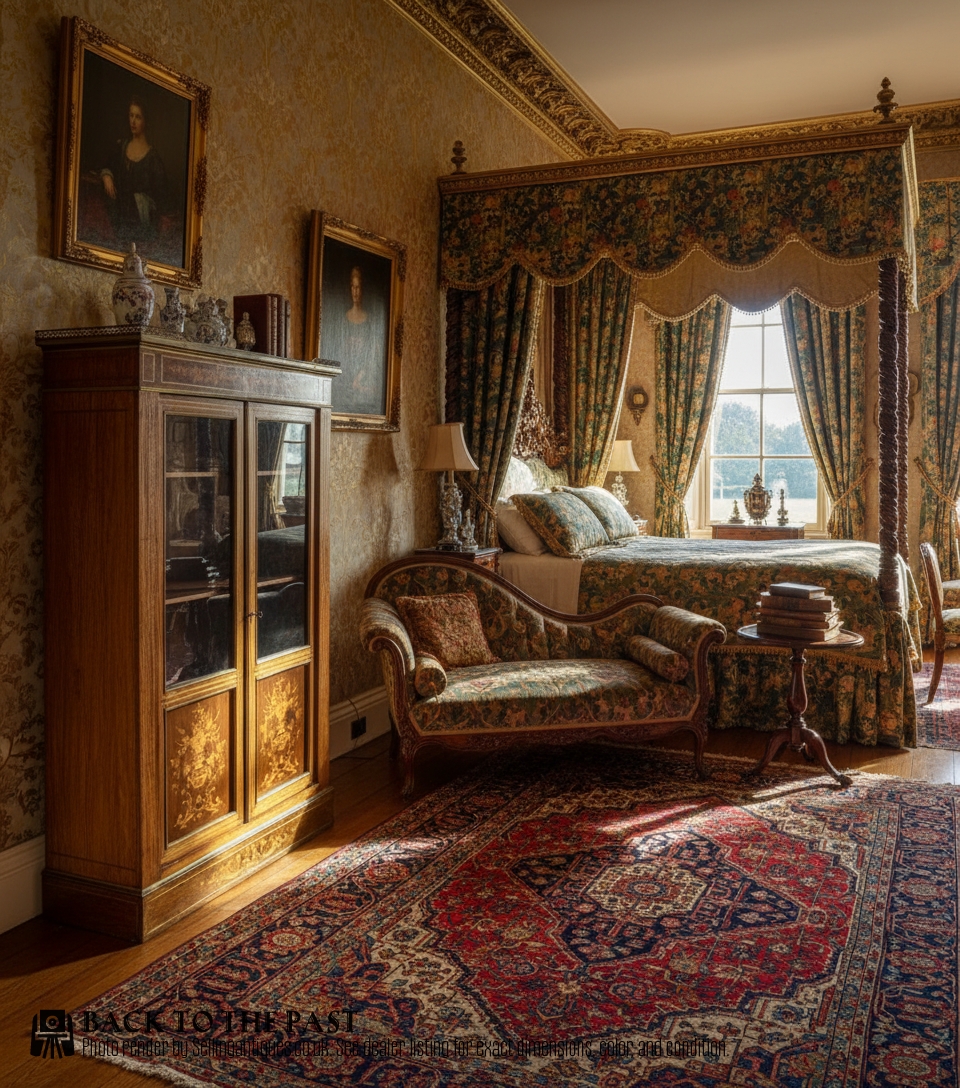
The refinement of the marquetry and the choice of timber figure determine the standing of an individual piece, with burr walnut and figured mahogany commanding attention. Precision in the alignment of inlaid borders and the crispness of botanical or geometric motifs signal superior workshop output.
Hardware integration and mount casting separate standard production from exhibition pieces, particularly where fire-gilt ormolu and detailed brass mounts accompany the woodwork. Structural integrity in glazed doors, seamless veneer application, and original castors complete the measure of execution.
Collinson & Lock·Edwards & Roberts·Lamb of Manchester
The Victorian Inlaid Bookcase Glossary
- Marquetry
- Decorative veneer work forming pictures or patterns by assembling small pieces of wood. This technique allows cabinet makers to create elaborate floral or geometric designs across door panels and friezes.
- Ormolu
- Gilded bronze mounts applied to furniture for decorative enrichment. These metallic accents frequently frame glazed doors or corners on mid-nineteenth-century cabinets.
- Pier Cabinet
- A low cabinet designed to fit narrow wall spaces between windows. They often feature single glass doors to display collections of ceramics or small books.
- Breakfront
- A cabinet front where the central section projects forward from the flanking wings. This architectural arrangement adds depth and visual weight to large library bookcases.
- Astragal
- Moulding profiles used to hold panes of glass within a glazed door. Fine wooden bars divide the window space into symmetrical geometric compartments.
Victorian Inlaid Bookcase: Frequently Asked Questions
What is a pier cabinet?
A pier cabinet is a low, narrow piece of furniture designed to fit the wall space between windows. They usually feature glazed doors to protect and display delicate objects.
In period interiors, these items matched the height of surrounding window sills and served as focal points for decorative ceramics and small volumes.
How do I identify a Sheraton Revival piece?
Sheraton Revival pieces appropriate late eighteenth-century neoclassical motifs during the Victorian and Edwardian eras. Look for satinwood veneers, painted or inlaid swags, bellflowers, and tapered legs.
Cabinet makers of the nineteenth century favoured this lighter, symmetrical aesthetic for drawing rooms and formal sitting spaces.
Are the shelves adjustable?
Many nineteenth-century bookcases and cabinets feature adjustable shelving systems supported by wooden racks or metal pins. This allowed owners to alter shelf heights for varying book sizes.
Original interior fittings remain an indicator of thoughtful workshop production and practical utility.
Where were these cabinets used?
These pieces suited formal reception rooms, libraries, and parlours of nineteenth-century homes. Glazed sections protected treasured volumes and porcelain collections from dust and handling.
Open variants provided immediate access to working libraries, while enclosed cabinets doubled as display surfaces for decorative ornaments.