


Victorian Indian Silver
Victorian Indian silver brings heavy repoussé work and intricate colonial craftsmanship to tea services, boxes, and decorative vessels.
Victorian Indian Silver
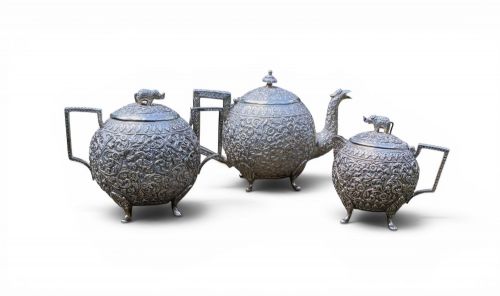
Victorian Indian silver encompasses colonial and regional decorative items created during the nineteenth century, including tea services, boxes, caskets, and novelty pencils. Buyers encounter pieces reflecting Anglo-Indian, Indo-Persian, and Mughal Revival styles across this selection.
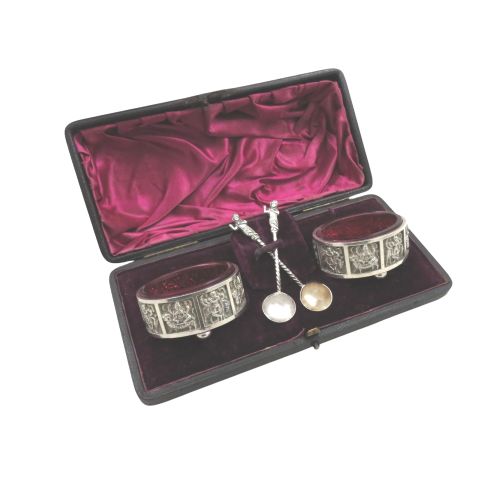
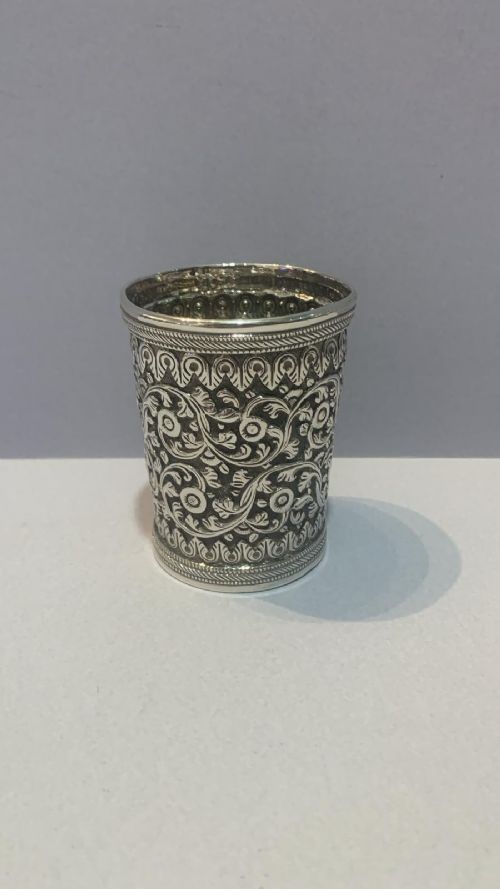
The objects span utilitarian domestic forms and display pieces such as large baluster vases, salvers, trophy cups, and condiment sets. Regional centres like Kutch and Kashmir provide distinct artistic signatures on beakers, trays, and card cases.
Materials and Techniques
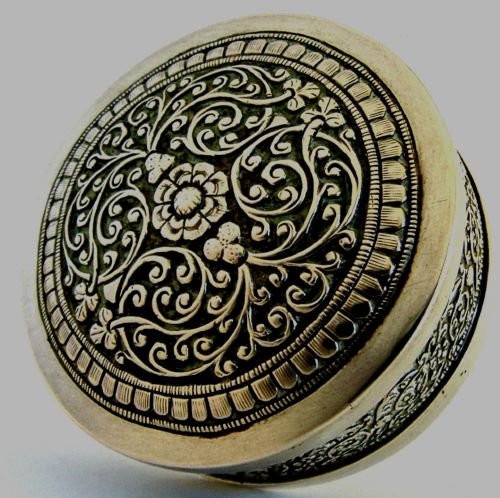
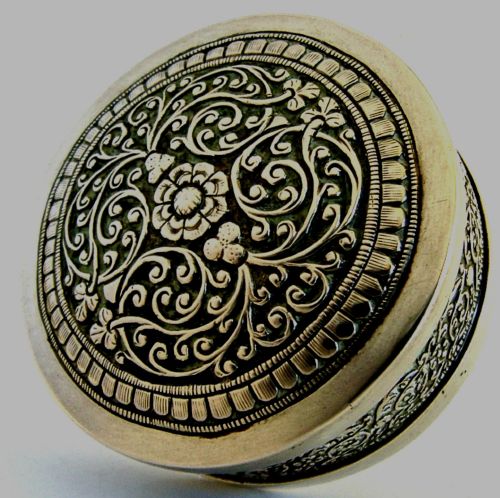
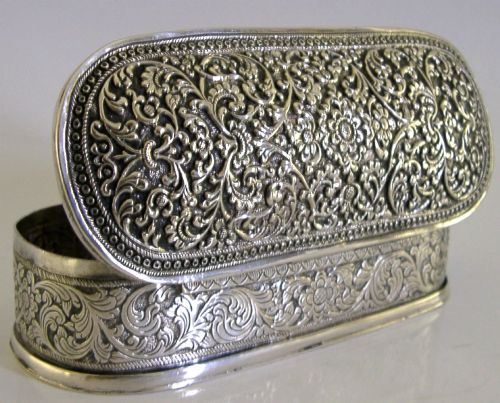
Silversmiths utilised solid silver, sterling silver, and silver plate alongside supporting materials like copper, teak, velvet, and glass. Many items incorporate detailed repoussé work, hammering designs from the reverse to create raised motifs.
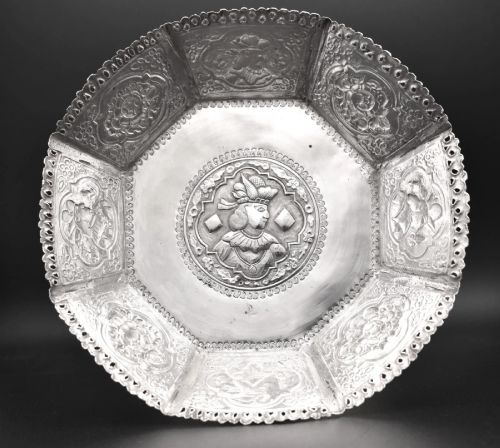
Piercing and chasing techniques decorate trays, boxes, and wall sconces with dense foliage, animals, and Hindu deities. Burmese silver repoussé work and Kutch regional patterning define the tactile surface finish of these vessels.
Victorian Indian Silver Retail Price Guide 2026
Typical asking prices for victorian indian silver among the pieces listed under this phrase on Sellingantiques today, from the lower quarter to the upper quarter. They describe what is for sale here now, not the wider market.
A novelty pencil shaped as a running boar joins whistles and walking sticks in the military and sporting inventory.
Assessing Quality
Quality rests upon the depth, crispness, and complexity of the repoussé decoration, where deeply chased figures and foliage show superior handwork. Weight and gauge of the metal also distinguish substantial presentation pieces and tea services from lighter items.
The distinction between solid silver, sterling silver, and silver-plated or silvered brass wares affects the standing of a piece. Maker attribution, such as documented regional workshops or known retail firms, elevates specific items.
Hamilton & Co. Calcutta·Hodsoll Collection·George Fox
The Victorian Indian Silver Glossary
- Repoussé
- A metalworking technique where the artisan hammers the design from the reverse side to form a raised relief on the front. This method creates the characteristic tactile surface of many regional Indian vessels.
- Anglo-Indian
- A stylistic descriptor for objects produced during the British colonial period in India that combine British functional forms with traditional Indian decorative motifs. Tea services and furniture frequently display this cross-cultural design approach.
- Kutch
- A prominent regional centre for silversmithing in Gujarat, known for dense scrolling foliage and animal motifs worked in high relief. Pieces originating from this area hold a distinct place in colonial silver production.
- Salver
- A flat tray, typically made of silver, used for presenting items or serving food and drink. Antique examples often feature pierced rims and engraved central fields.
- Baluster
- A architectural form resembling a vase or pillar, featuring a rounded lower body that tapers toward the top. Large vases in this shape demonstrate the heavy metalworking capacity of nineteenth-century workshops.
Victorian Indian Silver: Frequently Asked Questions
What is Anglo-Indian silver?
Anglo-Indian silver refers to items made in India during the colonial period that merge European forms like tea sets or presentation salvers with traditional local ornamentation. These objects often display dense regional motifs executed by native silversmiths for British residents and export markets.
Such pieces range from small condiment sets and card cases to large trophy cups and dining tables. The resulting style bridges distinct aesthetic traditions into unified decorative items.
How do I identify Kutch silver?
Kutch silver is recognised by its dense, intricate repoussé decoration featuring scrolling foliage, floral patterns, and occasionally animal or deity figures. This regional style from Gujarat dominates many nineteenth-century beakers, vases, and bowls.
The metalwork is typically heavy and covers the entire surface of the object with deep, rhythmic chasing. This makes Kutch pieces visually distinct from plainer colonial or contemporary British silver.
What items were made in Kashmir?
Kashmir production includes serving trays, boxes, and parasol handles often worked in silver, silvered brass, or copper. Artisans utilised repoussé and piercing techniques to apply characteristic regional patterns.
These items frequently combine metal mounts with other materials such as wood or textiles. Their distinct surface textures reflect the specialised metalworking trades of the region.
How should I care for antique silver?
Antique silver requires gentle cleaning with appropriate silver cloths to remove tarnish without stripping the underlying detail of repoussé work. Avoid harsh abrasive dips that can damage patinated recesses and high-relief chasing.
Store pieces in dry environments away from direct sunlight and high humidity, particularly items incorporating delicate backing materials like velvet or glass. Proper handling preserves the fine surface definition of nineteenth-century decorative wares.