




Victorian Hunting Horn
A victorian hunting horn brings the spirited atmosphere of the field directly into a room.
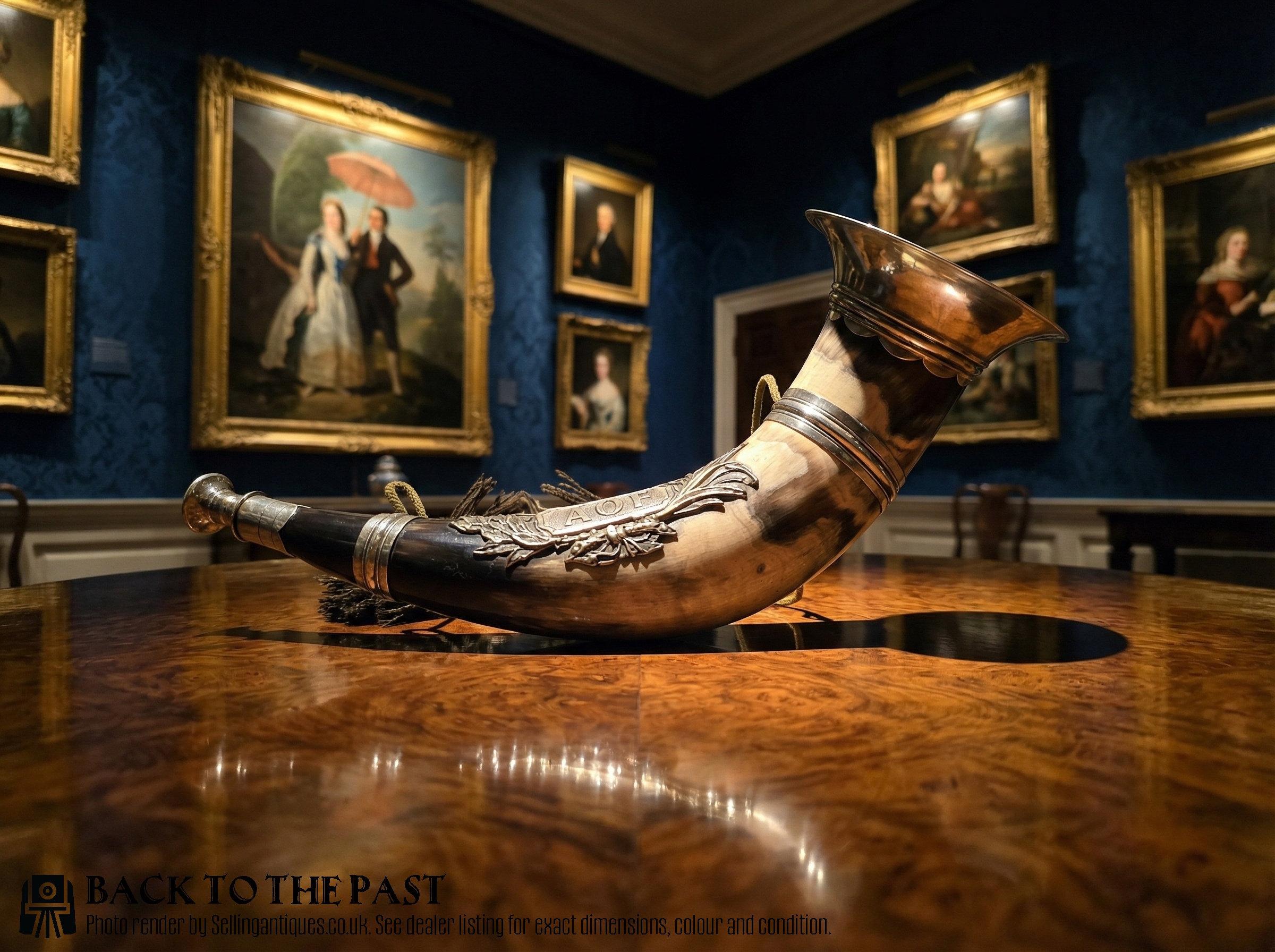
Victorian Hunting Horn
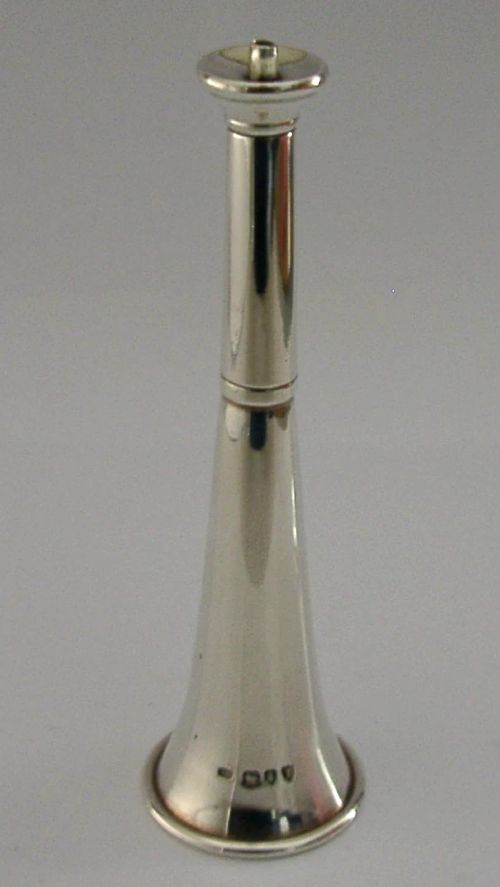
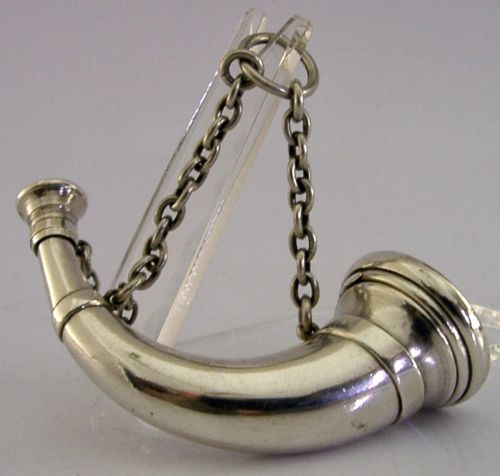
When searching for a victorian hunting horn, collectors encounter acoustic brass signals alongside novelty items and decorative furnishings fashioned from animal materials. The pieces found here span the nineteenth and early twentieth centuries, encompassing genuine signalling instruments as well as silver-mounted table lighters, vinaigrettes and dinner gongs shaped in the likeness of the horn.
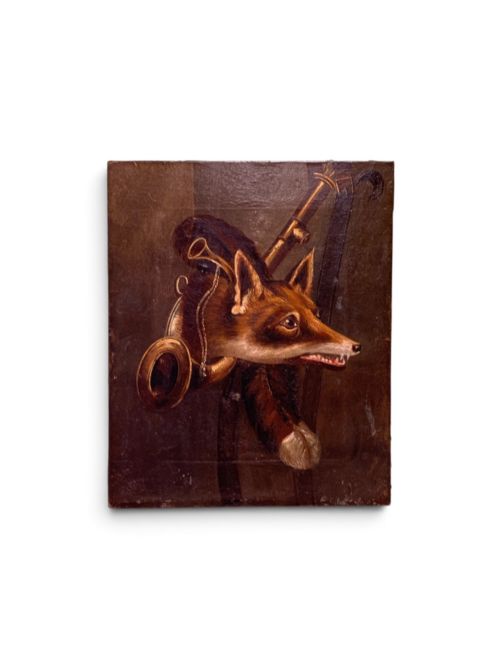
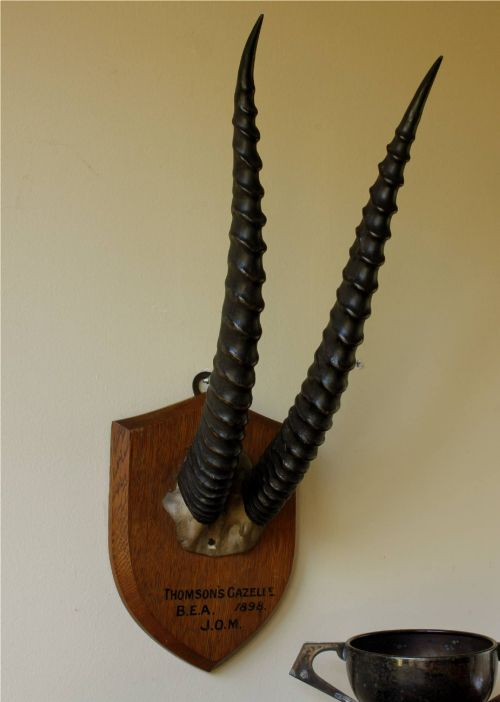
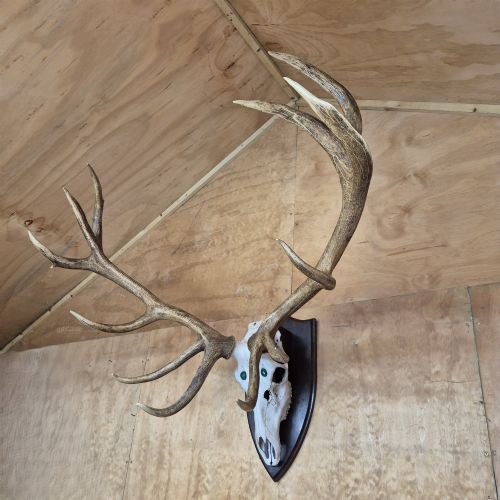
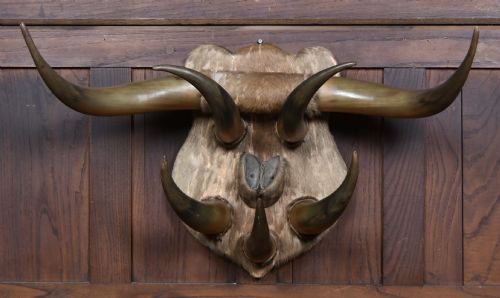
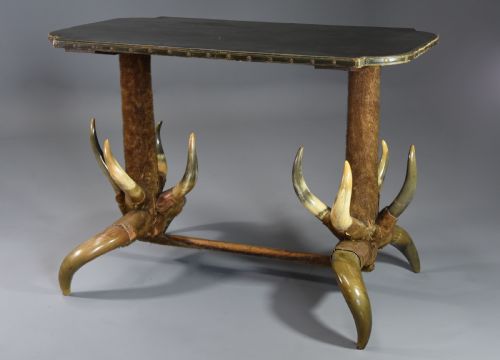
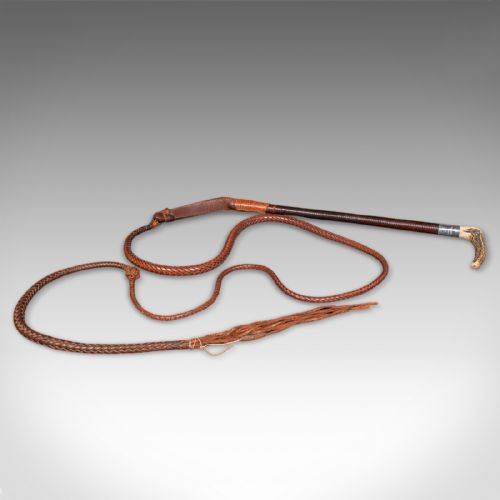
The selection ranges from functional copper and brass coach horns to elaborate desk sets, walking accessories and taxidermy displays incorporating deer antler, cow horn and sterling silver. Many reflect rural English pursuits or the rustic craftsmanship associated with Black Forest furniture and lodge decoration from the same era.
How they were made
Metalsmiths shaped sheet copper and brass into long, tapered tubes, joining seams with solder before polishing the bell and mouthpiece. For luxury novelties, silversmiths cast and chased sterling silver into miniature horn forms, adding detailed engraving and hallmarks.
Natural materials underwent thorough preparation, with artisans boiling and pressing cattle horn or carving deer antler and wood to form furniture, handles and gongs. Leather components were hand-stitched around cores, while taxidermy mounts utilised cured hides and polished bone fixed to carved wooden shields.
Several items combine cattle horn with unexpected domestic utility, turning beasts into dinner gongs, umbrella stands and cigar table lighters.
What varies in quality
The distinction between ordinary and exceptional pieces lies in the crispness of the chasing on silver elements and the structural integrity of the natural horn. Heavier gauge brass and copper maintain their shape better over generations, preserving the acoustic resonance of actual horns and the rigidity of structural mounts.
Maker attribution and clarity of hallmarks elevate silver table lighters and vinaigrettes, while furniture and gongs rely on the seamless integration of horn, oak and linden wood. Superior execution shows in balanced proportions and the careful preservation of original patination on metal and bone.
Braham·Sampson Mordan·Swaine Adeney·John Meek
The Victorian Hunting Horn Glossary
- Sterling silver
- A silver alloy containing 92.5 percent pure silver and 7.5 percent other metals, usually copper, used for British hallmarked table lighters and small novelties.
- Black Forest
- A nineteenth-century Swiss and German style of carved wood and antler furniture often incorporating natural horn elements into hall stands and armchairs.
- Vinaigrette
- A small ornamental box with a perforated inner grille, designed to hold a sponge soaked in aromatic vinegar, occasionally fashioned in novel horn shapes.
- Coaching horn
- A long, straight brass or copper horn sounded by coachmen to signal arrival and departure along postal routes.
- Powder flask
- A container made from horn, brass or leather used for holding gunpowder before loading firearms, frequently associated with sporting equipment.
Victorian Hunting Horn: Frequently Asked Questions
Were these horns actually used in the field?
Many brass and copper examples served a genuine purpose for signalling across open countryside during hunts or coaching journeys. Others were strictly decorative or novel items designed for domestic interiors.
Heavier specimens made of solid silver or mounted on stands were intended for tabletop use rather than field deployment.
How do I care for antique horn and metal?
Natural horn benefits from occasional light conditioning with a suitable wax to prevent drying and splitting over time. Metal components require gentle dusting and minimal polishing to preserve their historic patination.
Keeping pieces away from direct sunlight and extreme humidity protects both the organic materials and the soldered joints.
How can I tell a true Victorian piece?
Examination of manufacturing techniques, such as hand-soldered seams on brass and traditional stitching on leather, helps determine age. British silver components frequently bear clear hallmarks indicating the assay office and year of production.
Stylistic cues, including the specific forms of Black Forest carving and nineteenth-century sporting motifs, further corroborate the period.
What is the difference between a horn and a bugle?
Traditional hunting and coaching horns generally feature a narrower, more tapered bore designed for projecting a single commanding call. Bugles possess a wider conical bore and shorter tubing suited to military or ceremonial bugle calls.
Victorian novelty pieces often adopted the curved silhouette of the hunting horn regardless of their internal acoustic capability.