


19th Century Hunting Horn
These nineteenth century hunting horn items bring tangible rural tradition indoors, offering collectors authentic nineteenth century craftsmanship through horn, brass, and antler forms.
19th Century Hunting Horn
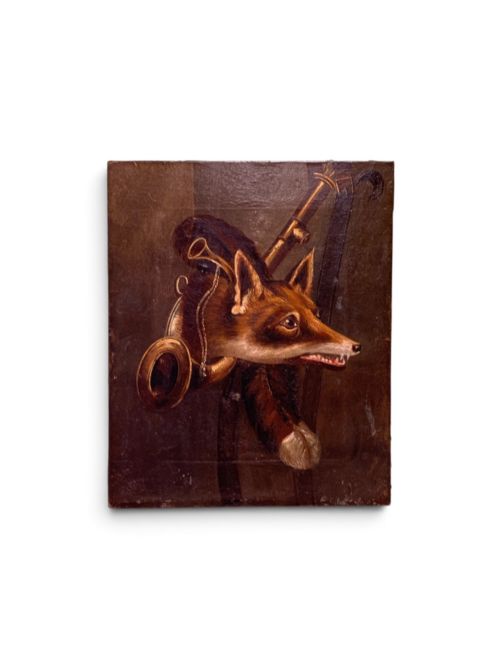
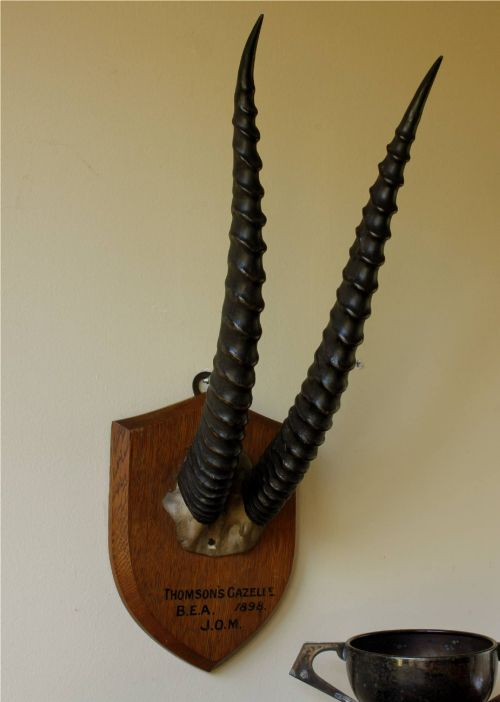
The selection frequently includes items attributed to the Black Forest style alongside traditional Victorian hunting lodge accessories. Such pieces range from mounted taxidermy trophies to utilitarian powder flasks.
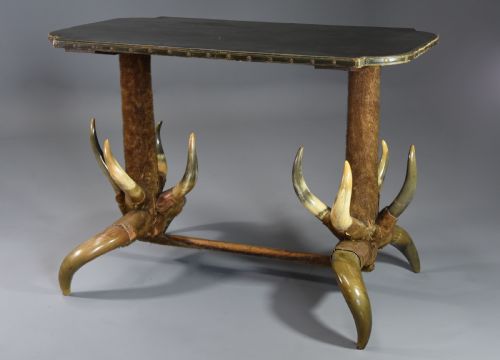
Antler, bone, and horn feature prominently across tables, armchairs, and wall-hanging hat and coat stands. These furnishings integrate animal materials directly into domestic utility.
How they were made
Maker workshops utilised natural horn, antler, and bone alongside brass fittings and linden wood to construct substantial furniture and smaller decorative items. Hide, leather, and oil on canvas also appear among the material combinations.
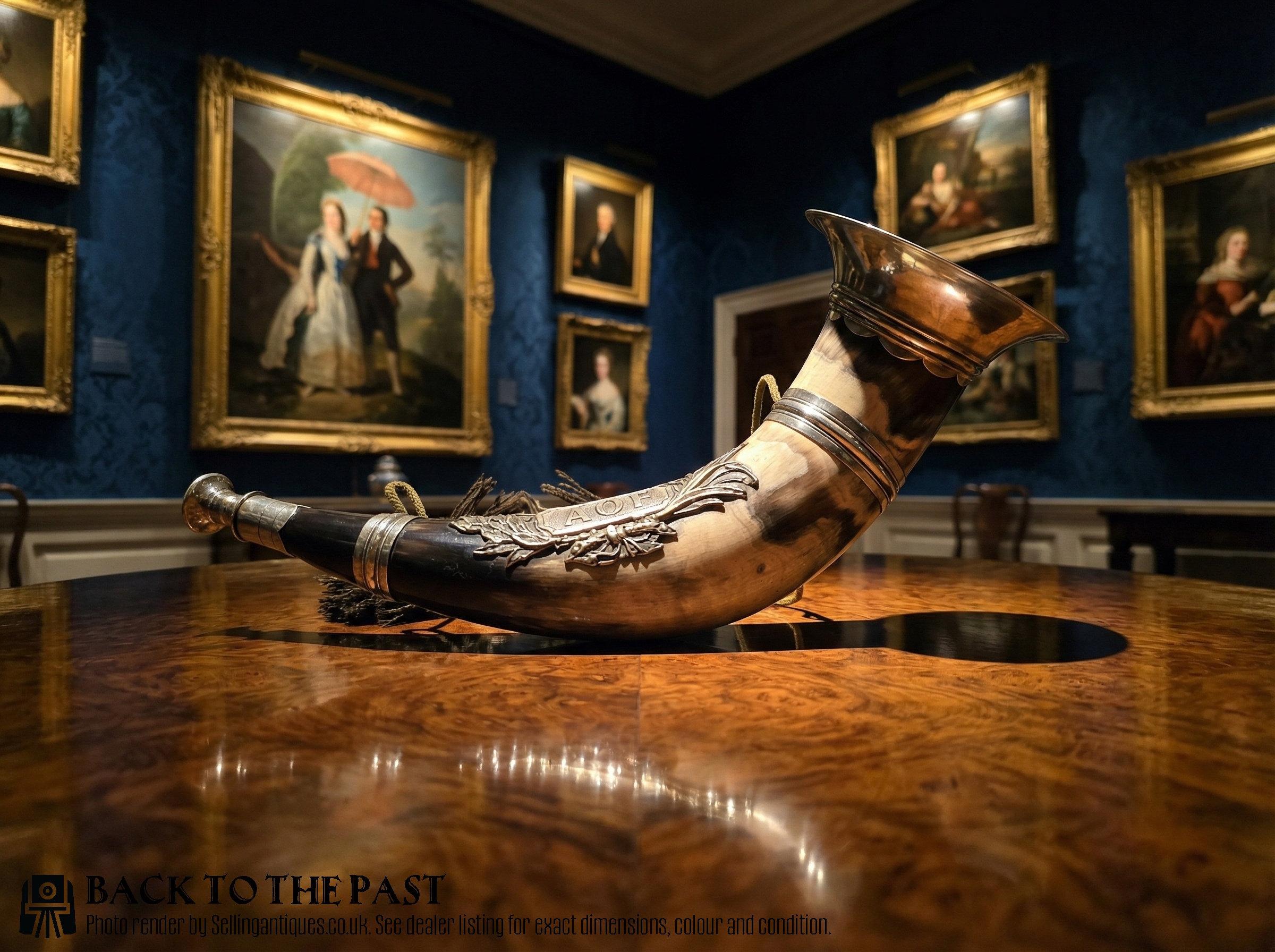
Artisans applied carving and mounting techniques to shape raw animal materials into structured items like ceremonial horns, armchairs, and side tables. Metal components such as brass fittings and silver rims were integrated to reinforce and decorate organic elements.
A cow horn table stands ready to hold tea cups, proving that Victorian imagination knew no bounds when rural materials met the parlour.
What varies in quality
Quality depends on the complexity of construction and the preservation of natural materials such as horn and antler over time. Superior examples demonstrate precise carving and robust structural integrity within pieces like hall stands and armchairs.
The integration of decorative mounts, such as brass fittings or silver rims, distinguishes standard utilitarian items from more ambitious decorative works. Original condition and the clarity of stylistic details within Black Forest or Victorian hunting designs further separate pieces.
The 19th Century Hunting Horn Glossary
- Black Forest style
- A nineteenth century decorative genre originating in Switzerland and Germany known for ornate carvings of animals and natural elements. It frequently incorporates antlers, horn, and linden wood into furniture.
- Powder flask
- A container used for carrying gunpowder, often fitted with adjustable charges and brass mechanisms. These portable items date widely across the nineteenth century.
- Taxidermy trophy
- Preserved animal horns and heads mounted on carved wooden shields or plaques. These displays were popular within Victorian hunting lodges.
- Victorian
- Pertaining to the reign of Queen Victoria, a period encompassing the majority of these listings. This era produced diverse interpretations of sporting and rustic motifs.
19th Century Hunting Horn: Frequently Asked Questions
What is a 19th century hunting horn used for?
These horns served practical signalling roles during field sports or functioned as ceremonial objects for fraternal organisations. Many examples were also created primarily as decorative items for Victorian interiors.
Over time, collectors repurposed them largely for display within studies, halls, and sporting lodges to evoke historical rural traditions.
How do I identify a Black Forest piece?
Black Forest pieces are characterised by intricate carved wood depicting natural elements, animals, or foliage. They frequently integrate actual deer antlers, horns, and linden wood into functional items like armchairs and coat stands.
The regional Swiss or South German craftsmanship appears deeply pictorial, setting these items apart from standard British Victorian furniture.
Are these items made from real animal horn?
The listings incorporate genuine natural materials including cow horn, stag antler, bone, and hide. Artisans shaped these organic components directly into furnishings, powder flasks, and decorative objects.
Such authentic materials require specific care environments to maintain their condition over generations.
How should I care for horn and antler furniture?
Horn and antler furniture benefits from stable indoor humidity levels to prevent drying or cracking of the organic material. Direct sunlight should be avoided to protect both the natural surfaces and associated leather or hide elements.
Gentle dusting with a dry cloth is generally sufficient for regular maintenance.
What distinguishes ceremonial horns from field horns?
Ceremonial horns often feature significant metal embellishments, such as silver rims or engraved plaques, marking their use by specific groups like the Ancient Order of Foresters. They prioritise ornamental presentation over acoustic function.
Field horns, by contrast, focus on brass construction and durability for outdoor signalling during hunts.