
Victorian Horology Brass Clock
A victorian horology brass clock brings precise mechanical movement and polished metal warmth into a room.

Victorian Horology Brass Clock
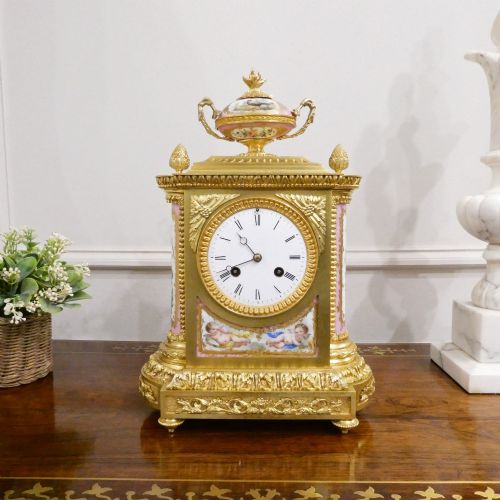
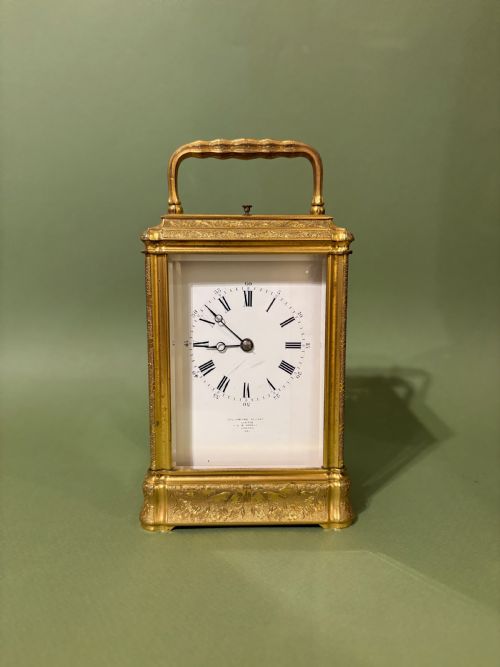
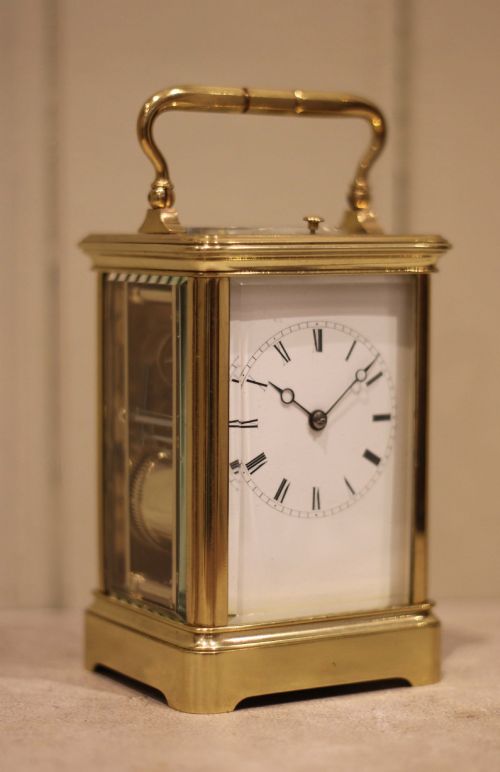
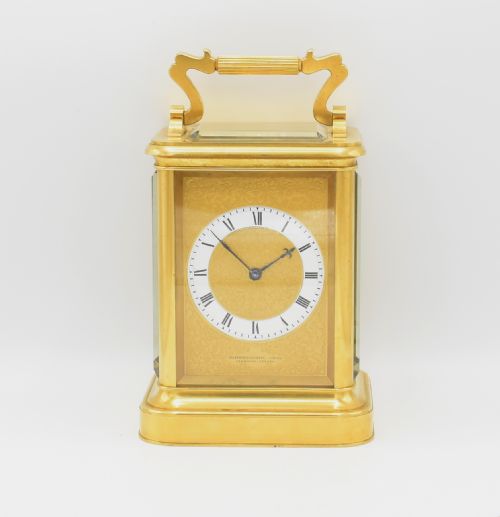
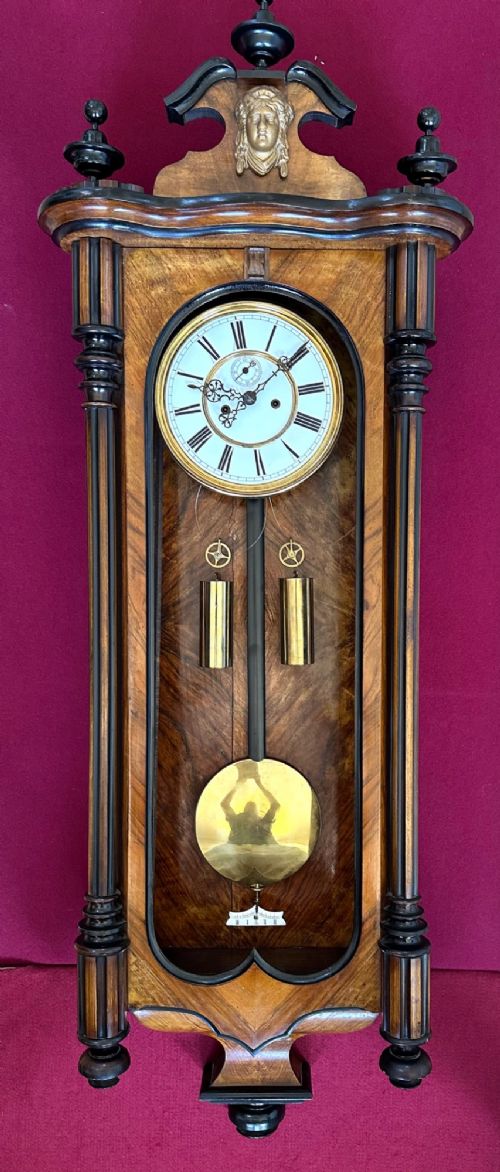
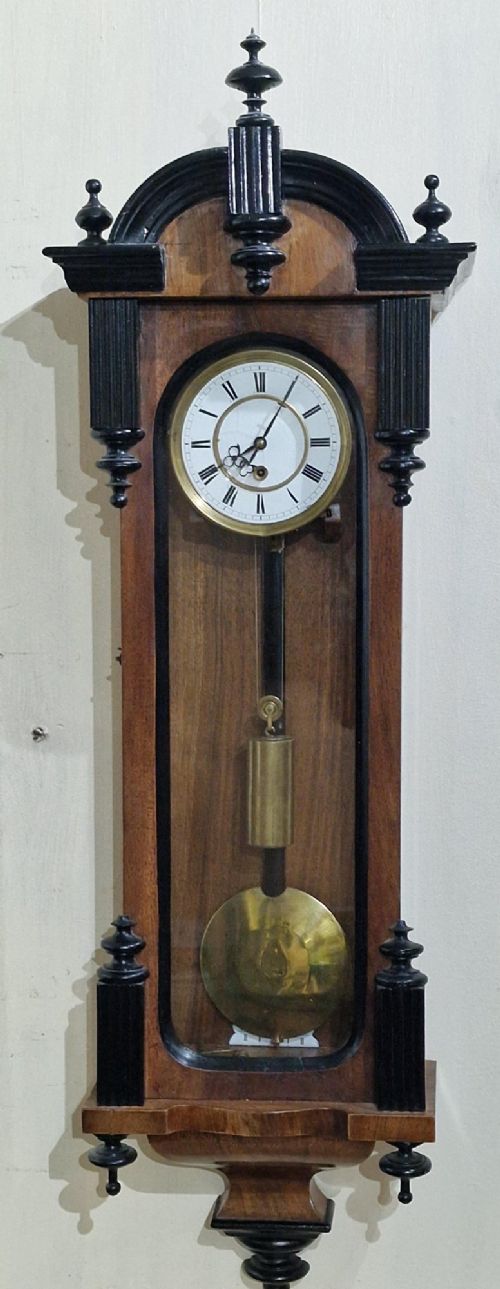
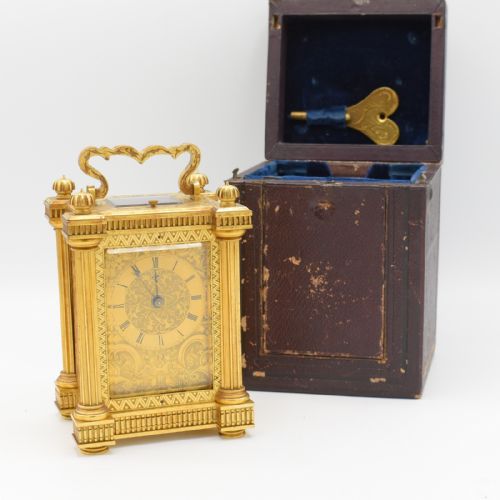
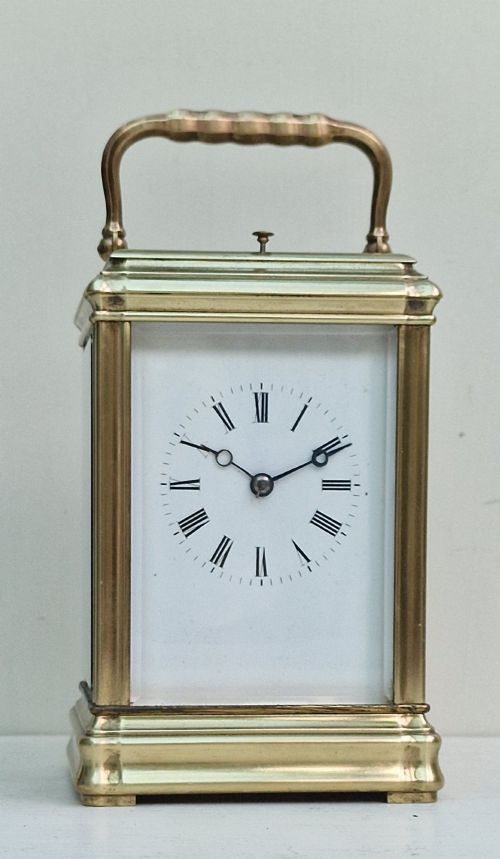
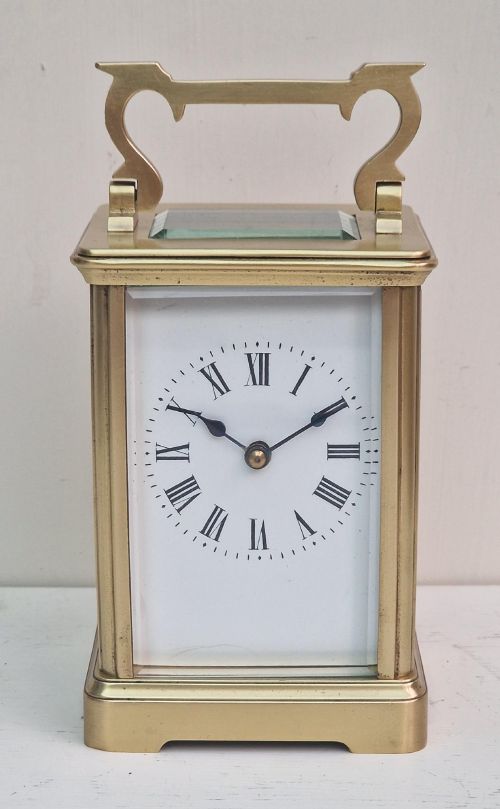
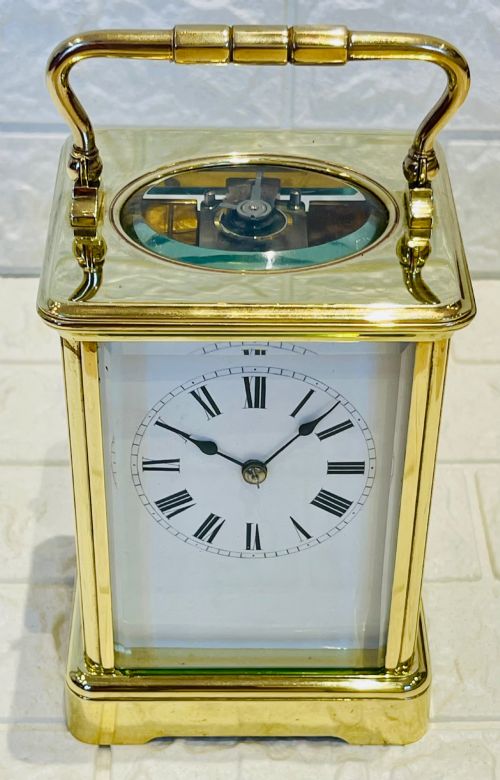
A victorian horology brass clock encompasses an array of mechanical timekeepers ranging from portable carriage pieces to wall-hung regulators and mantel designs. The listings lean heavily towards French carriage clocks housed in brass frames with glass panels, alongside British and Austrian wall clocks featuring brass dials and weights.
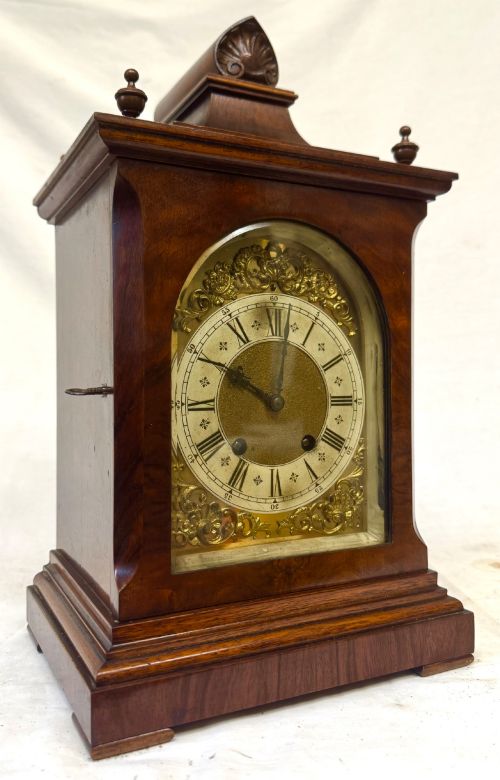
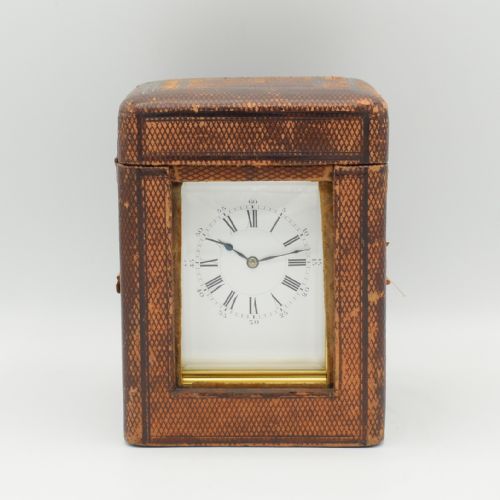
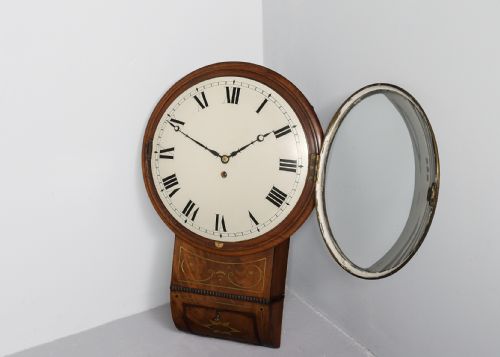
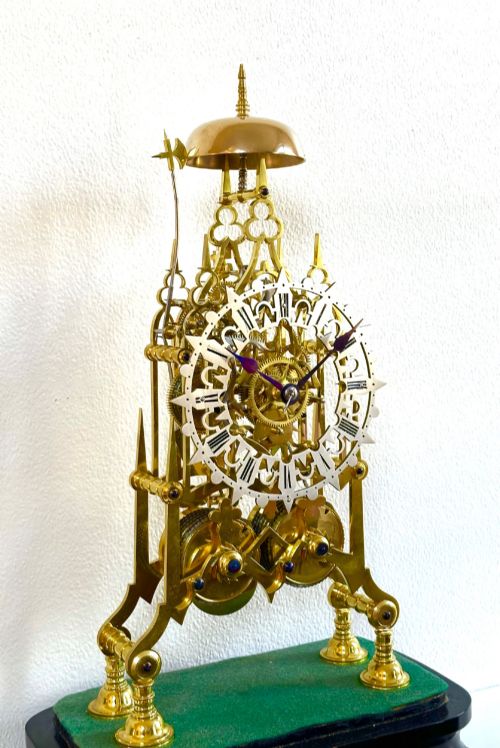
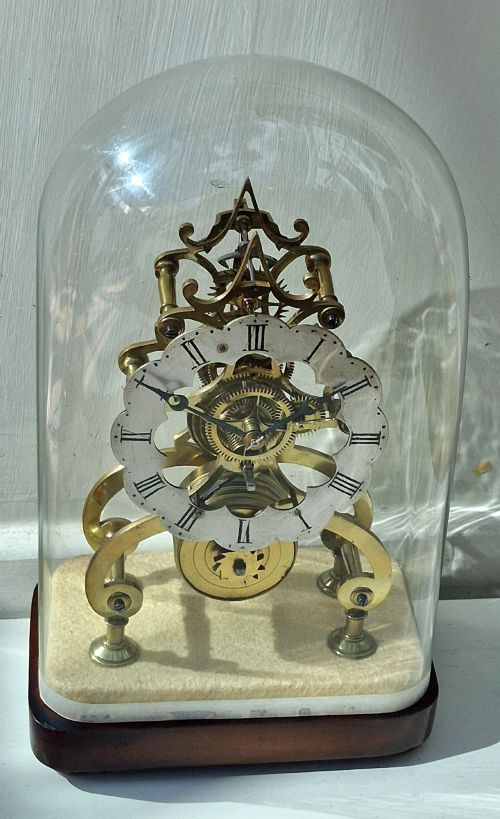
Buyers will encounter various formats spanning the nineteenth century, including fusee wall clocks in mahogany or walnut cases, skeleton clocks revealing their gear trains, and striking or repeating models. The carriage clock form dominates the selection, frequently accompanied by its original travel case or leather outer protection.
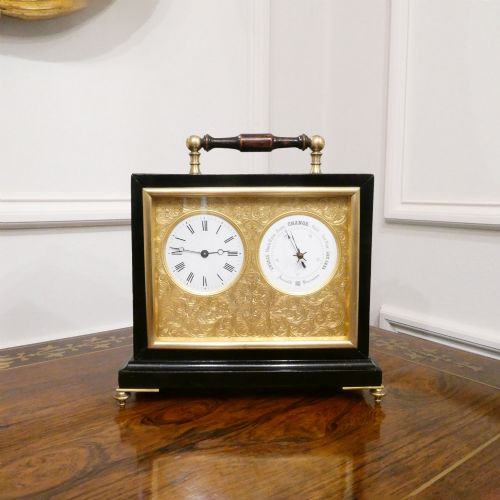
Origins stretch across British, French, and Austrian workshops, uniting diverse regional engineering under the prominent use of brass. Whether housed in an ebonised wood desk frame or a heavy mahogany railway case, the core mechanism remains tied to period horological traditions.
Materials and construction
Makers constructed these clocks utilising heavy brass for frames, bezels, and dials, paired with bevelled glass panels that display the internal escapement. Wood surrounds in mahogany, walnut, and ebonised finishes provide structural housing for wall and mantel varieties.
Movements rely on intricate brass gear trains driven by springs or hanging weights, often incorporating platforms for escapements and striking mechanisms. Enamel dials with painted numerals receive protection behind glazed doors, while leather frequently lines travel cases for portable designs.
Some nineteenth-century carriage clocks were built specifically for export to China, featuring sweep seconds hands tailored for that market.
Distinctions in craftsmanship
The division between standard production and top-tier work rests on the complexity of the movement, such as the inclusion of quarter-striking, repeating functions, or alarm complications. Maker signatures from known Parisian or British workshops indicate higher standards of precision fitting and finishing.
Outer cases contribute significantly to overall standard, where thick bevelled glass, heavy cast brass gorge or corniche framing, and figured walnut or mahogany timber elevate the piece. Intricate engraving on dials and movement plates separates exceptional horology from simpler utility items.
Henri Jacot·Lenzkirch·Goldsmiths Alliance Ltd·Howell and James London·Drocourt Paris·T Martin and Co·C Detouche Paris·Antoine Redier of Paris·John Walker
The Victorian Horology Brass Clock Glossary
- Carriage clock
- A small, portable spring-driven timepiece designed for travel during the nineteenth century. These items typically feature a brass frame with glass panels and a swing handle on top.
- Fusee
- A conical pulley used in clock movements to maintain an even pull as the mainspring unwinds. This mechanism ensures consistent timekeeping accuracy throughout the running cycle.
- Repeater
- A clock mechanism that chimes the hours and quarters upon pressing a button or lever. This feature allowed owners to check the time in the dark.
- Gorge case
- A distinct rectangular brass carriage clock case style with moulded top and bottom framing. It is characteristic of better quality French production.
- Skeleton clock
- A timepiece with open plates that expose the entire gear train and movement to view. These pieces sit under glass domes on wooden bases.
Victorian Horology Brass Clock: Frequently Asked Questions
How do I wind a carriage clock?
Most carriage clocks require a key inserted into the winding squares on the backplate. Turn the key gently until you feel resistance, taking care not to overwind the mainspring.
For repeating or striking models, ensure you do not interfere with the chime sequence while adjusting the hands.
What is a fusee movement?
A fusee movement uses a conical pulley connected to the mainspring via a fine chain or cord. This clever device equalises the diminishing power of the spring as it unwinds.
Clocks with fusee movements generally achieve superior timekeeping consistency compared to standard barrel-spring setups.
How do I date a Victorian brass clock?
Examine the movement backplate for maker stamps, serial numbers, or retailer inscriptions. Case styles, such as heavy gorge brass frames or mahogany fusee wall surrounds, also offer clues to the decade of manufacture.
Archival records for makers like Henri Jacot or Drocourt can often narrow down production years precisely.
Where should I place a wall clock?
Wall clocks require a sturdy, stable vertical surface to ensure the pendulum swings evenly and the escapement ticks in beat. Avoid damp areas and spaces subject to direct sunlight or wide temperature fluctuations.
Fusee and Vienna regulator wall clocks serve well in studies or hallways where their ticking and striking remain audible.