

Victorian Hand Painted Table
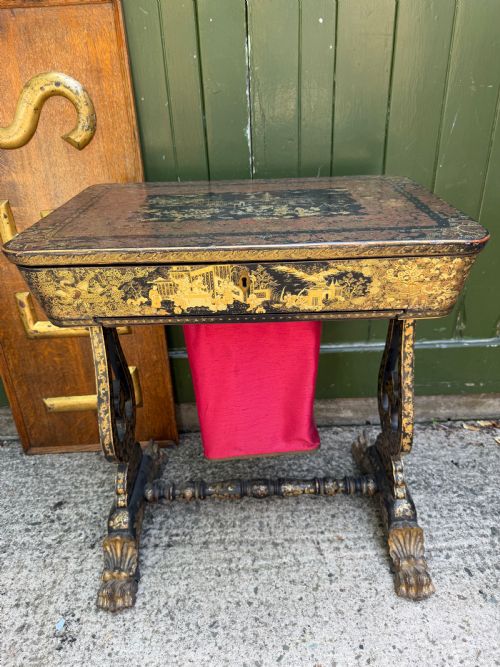
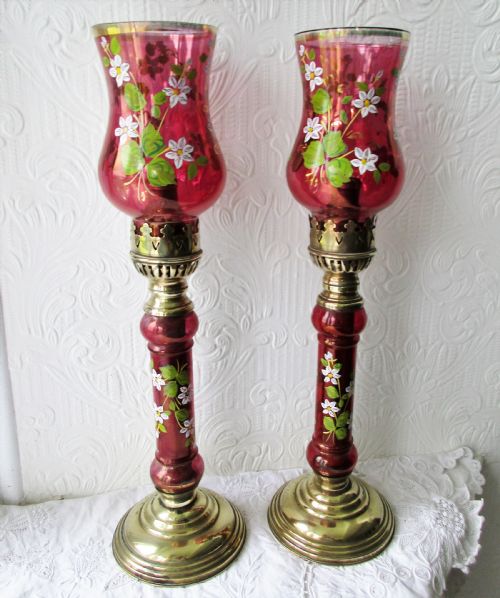
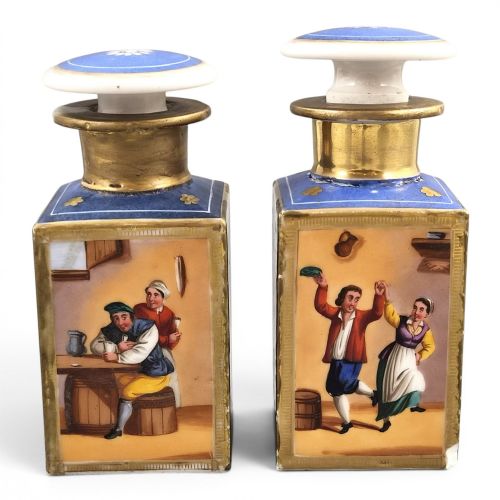
These pieces gather the painted and decorated small furniture and decorative objects grouped under a victorian hand painted table search, offering surface artistry on timber, metal, and porcelain.
Victorian Hand Painted Table
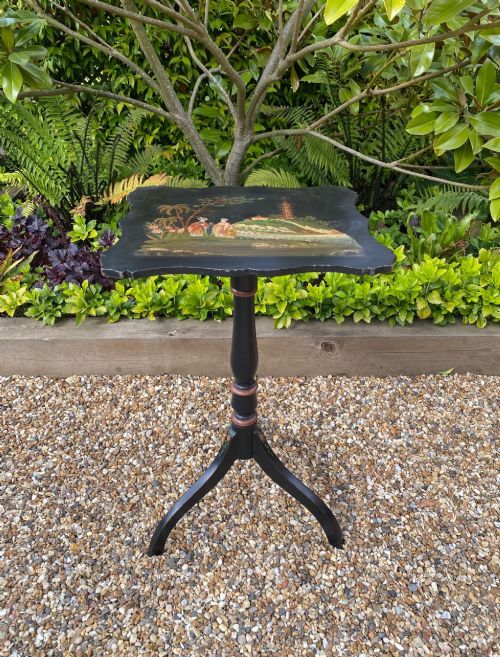
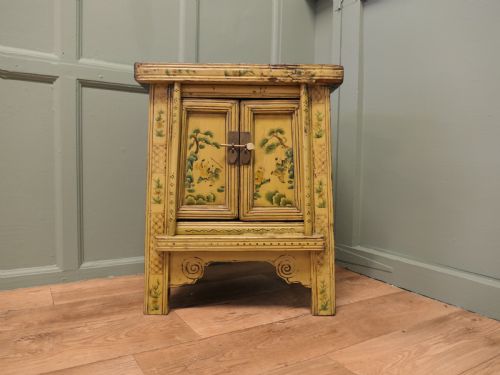
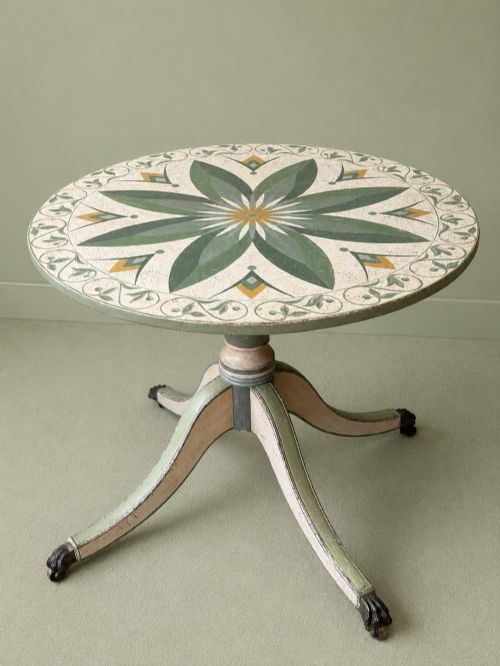
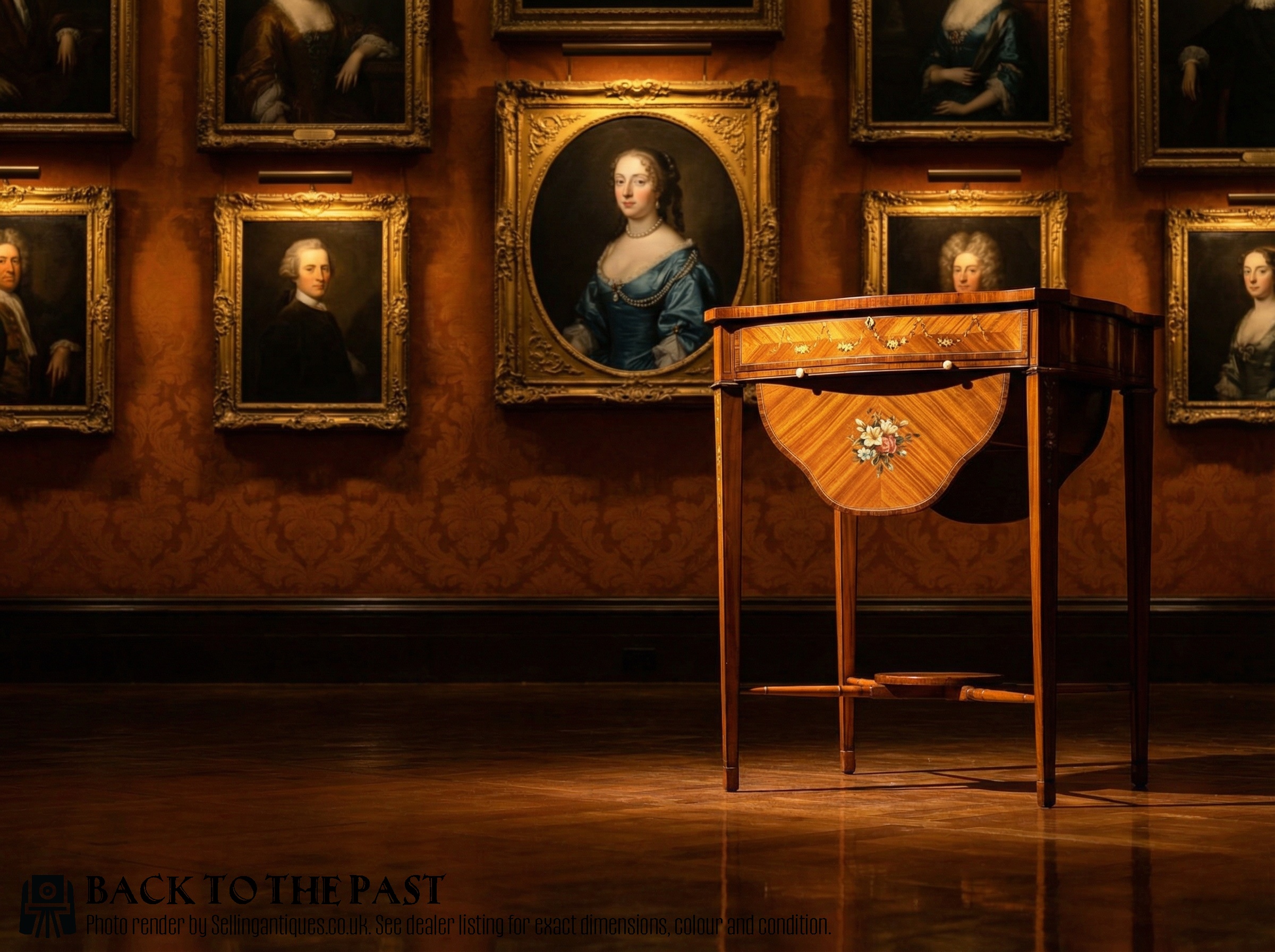
A victorian hand painted table brings surface decoration to domestic interiors through various forms spanning side tables, tilt-top tables, and occasional tables. These pieces emerge primarily from the nineteenth century into the early twentieth century, showing influences from Chinoiserie, French Rococo Revival, and traditional Victorian styles.
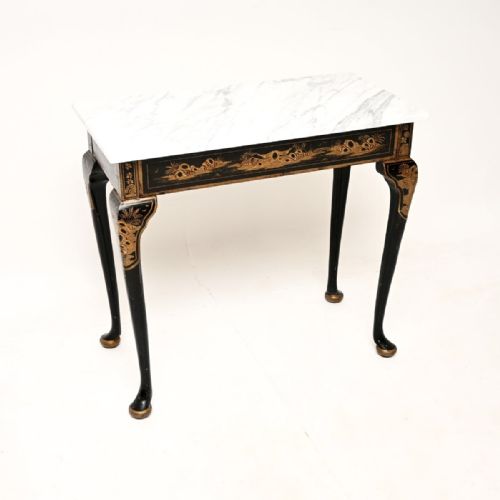
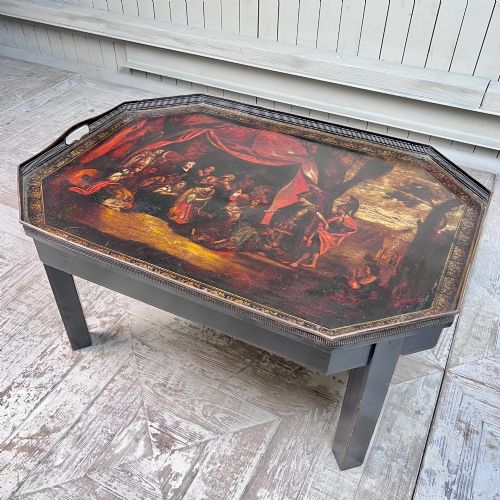
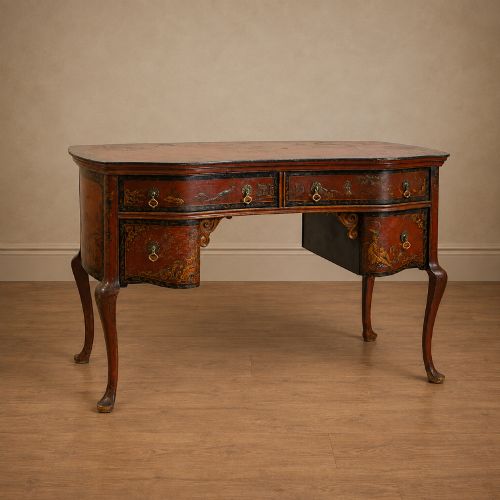
The selection on this page leans toward small occasional furniture, including tilt-top designs and lacquered tripod side tables, often embellished with floral motifs or oriental scenes. Alongside timber tables, the records show related decorated items such as tole tray tables and sewing tables.
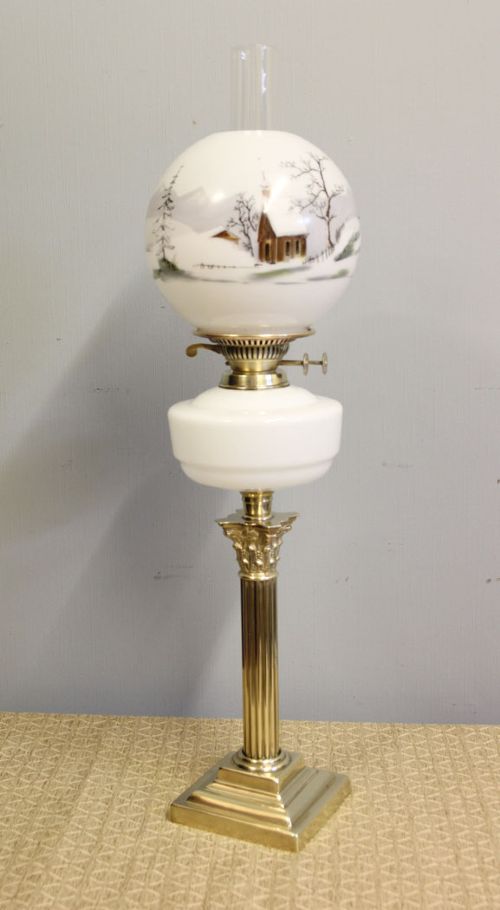
Makers and manufacturers utilised timber, brass, glass, and porcelain to produce functional household items carrying detailed brushwork. The assortment captures domestic tastes across several decades, uniting utilitarian forms with decorative painted surfaces.
How They Were Made
Makers built these pieces using woods such as satinwood and pine, frequently applying lacquer, gold leaf, or paint directly to the surface. Cabinet makers combined traditional joinery with decorative finishes like Chinoiserie lacquer and japanning.
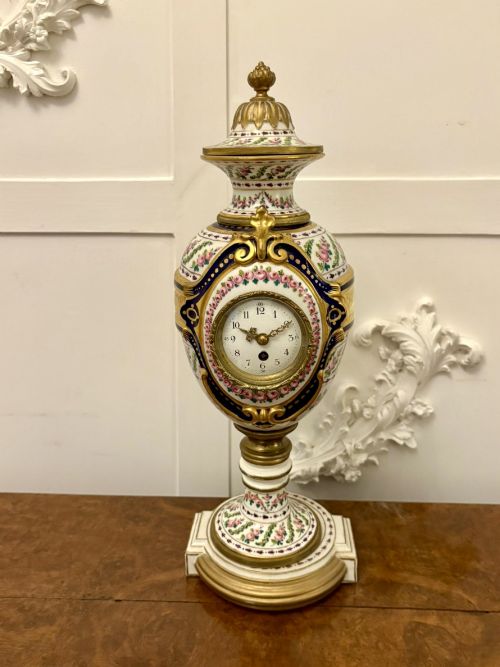
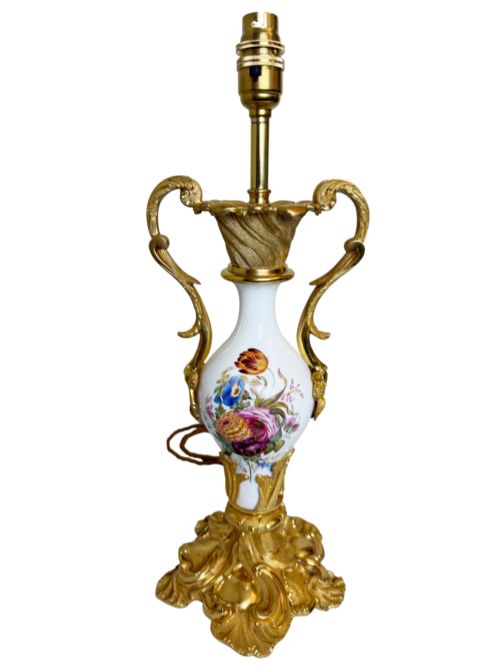
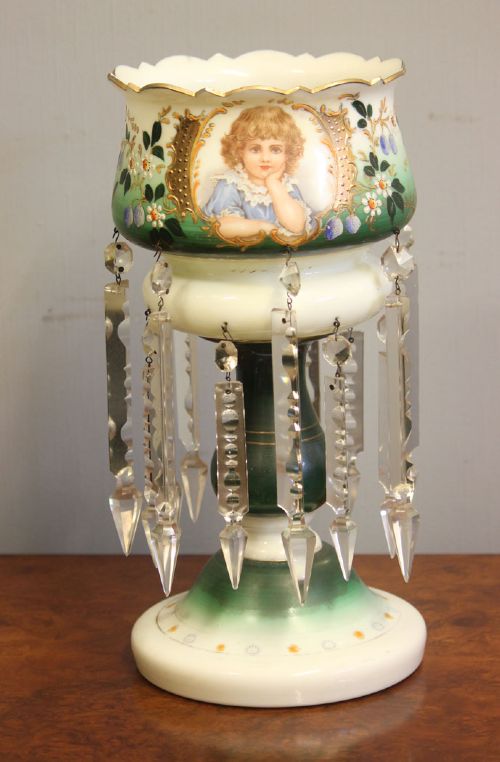
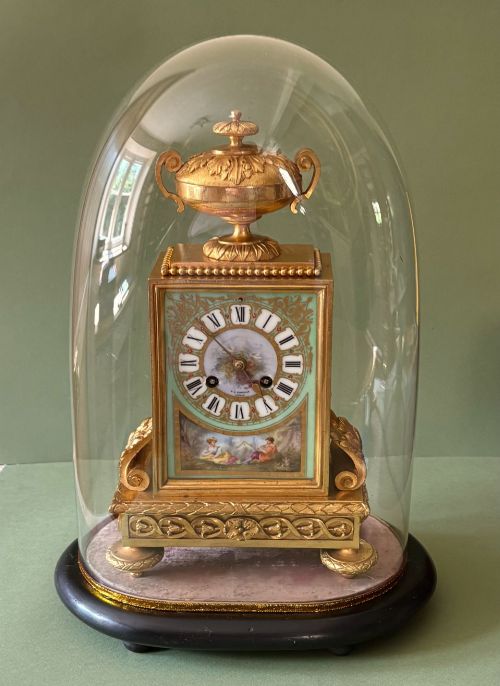
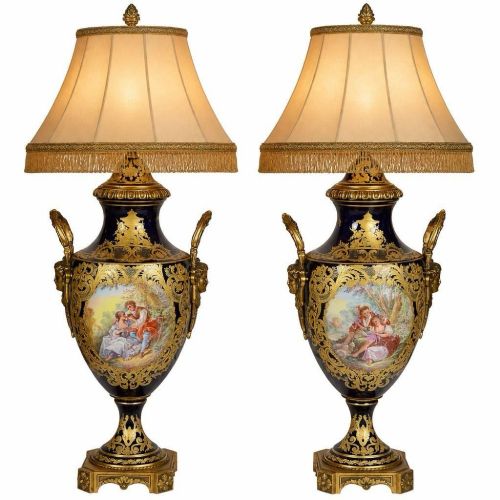
Surfaces often incorporate hand-painted floral designs, figural scenes, or gilt bronze and brass mounts. Glass and porcelain elements, including enamel and painted ceramic fonts or plaques, were integrated into tables, lamps, and clocks using secure metal fittings.
Queen Victoria herself inspected the painted side table associated with Osbourne House.
What Varies in Quality
The execution of the brushwork separates standard decorative items from finer examples. Precision in floral details, figural scenes, and the crispness of gilt leaf application indicate the skill of the artist.
The choice of base materials dictates durability and refinement, with solid timbers and well-applied lacquer or porcelain mounts showing greater longevity than secondary woods with later painted enhancements.
Jacob Petit·Taylor Tunnicliff·Royal Doulton·Royal Worcester
The Victorian Hand Painted Table Glossary
- Chinoiserie
- European interpretation of Chinese and East Asian artistic traditions, commonly expressed through lacquer and painted motifs on furniture.
- Toleware
- Enamelled or lacquered metalware, typically tin or steel, used for trays and table bases.
- Tilt-top table
- A small occasional table with a tabletop that hinges vertically for storage when not in use.
- Japanning
- European technique of finishing furniture in imitation of East Asian lacquerwork, using varnishes and gold dust.
- Lustre
- A decorative ceramic or glass tabletop object featuring reflective metallic or iridescent glazes.
Victorian Hand Painted Table: Frequently Asked Questions
How do I clean a painted table?
Dust gently with a soft, dry cloth without applying modern chemical sprays or abrasive polish.
Excess moisture damages delicate paint layers and lacquer surfaces, so keep them away from direct sunlight and damp conditions.
Were all these tables painted originally?
Many pieces received their decoration during the nineteenth century, though some items feature later painted floral or petal designs applied subsequently.
Examining the wear around the edges helps determine whether the artwork belongs to the original period of manufacture.
What is a tilt-top table used for?
These versatile pieces served as tea tables or occasional stands in Victorian reception rooms.
The hinged mechanism allowed the top to fold flat against a wall or corner when floor space was needed.
How do I distinguish French styles from English ones?
French pieces often incorporate gilt metal mounts, porcelain plaques, and Rococo Revival curves reminiscent of Sevres aesthetics.
English examples tend to favour satinwood, brass detailing, and traditional Chinoiserie lacquerwork.