
Victorian Hand Painted China
Victorian hand painted china brings together cabinet plates, figurines, and tea wares decorated by hand across the nineteenth century.
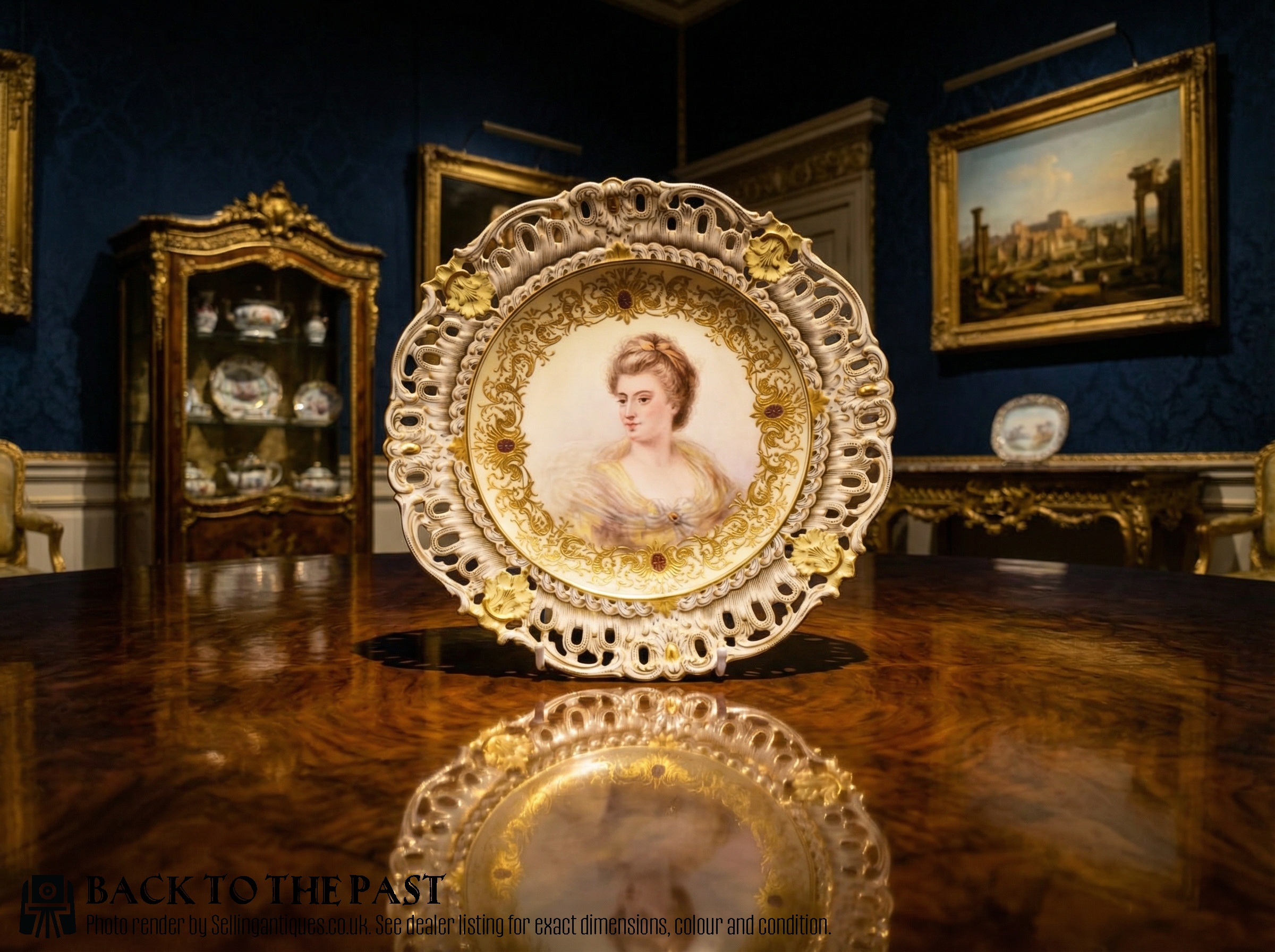
Victorian Hand Painted China
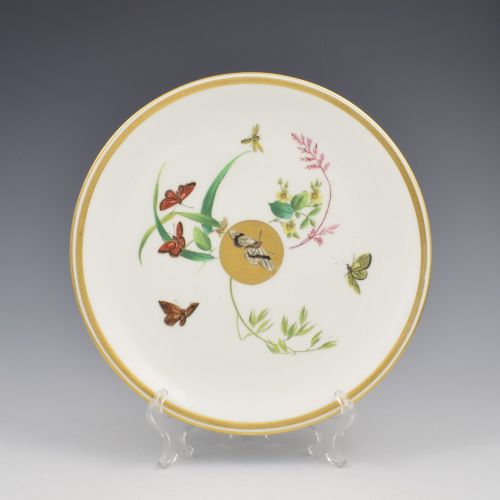
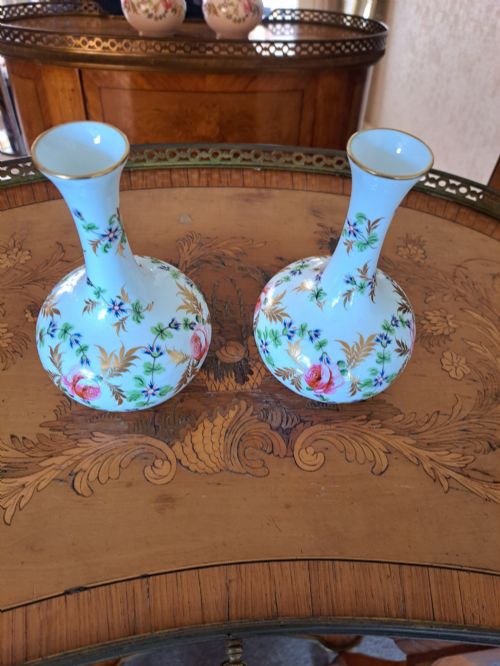
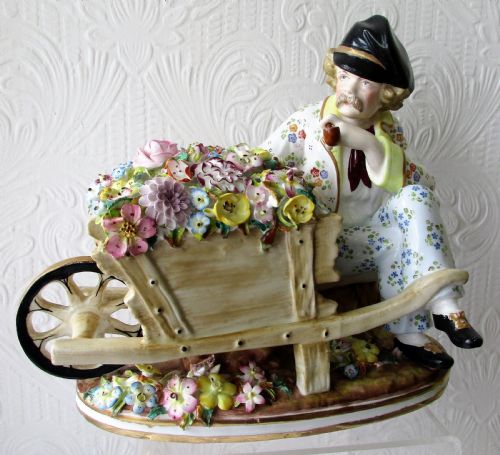
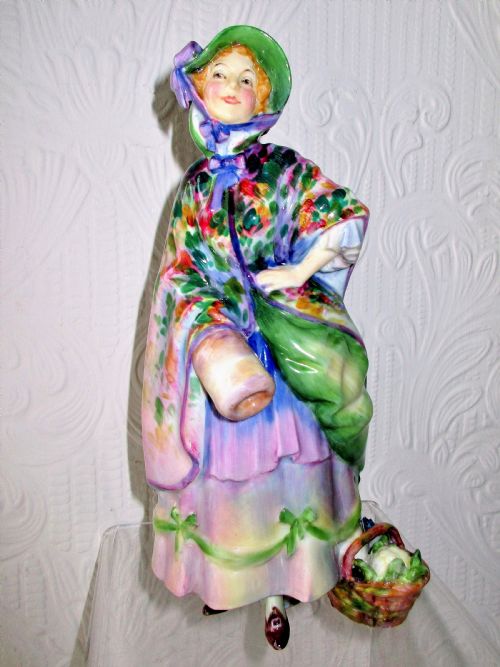
Victorian hand painted china encompasses decorative plates, cabinet dishes, vases, figurines, and tea services produced across the nineteenth century. These objects bridge functional tableware and ornamental art, featuring painted scenes, floral motifs, and armorial crests.
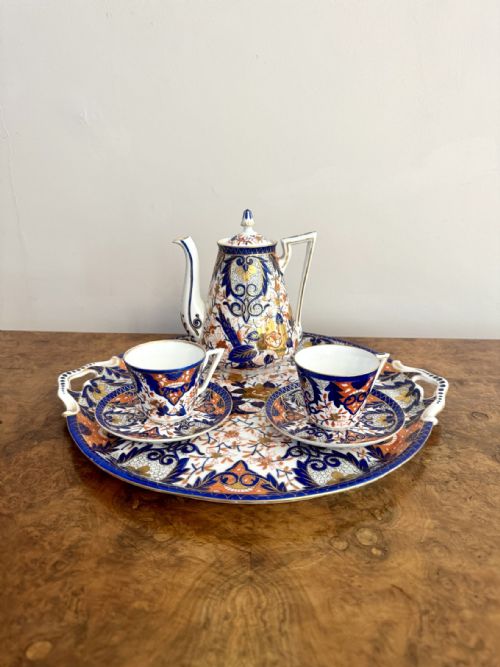
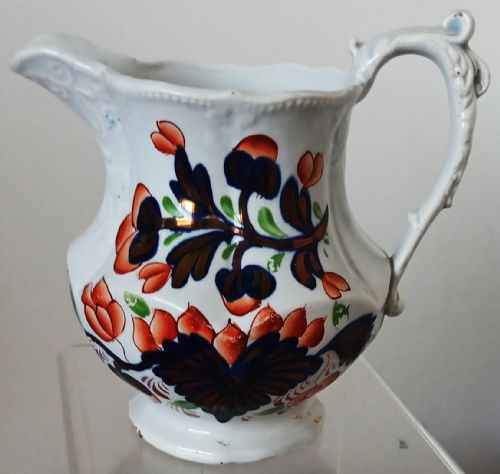
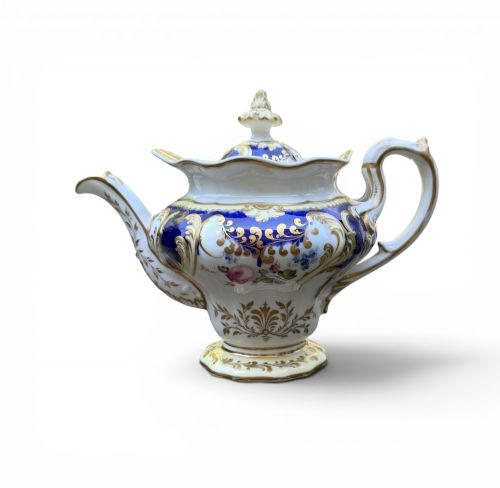
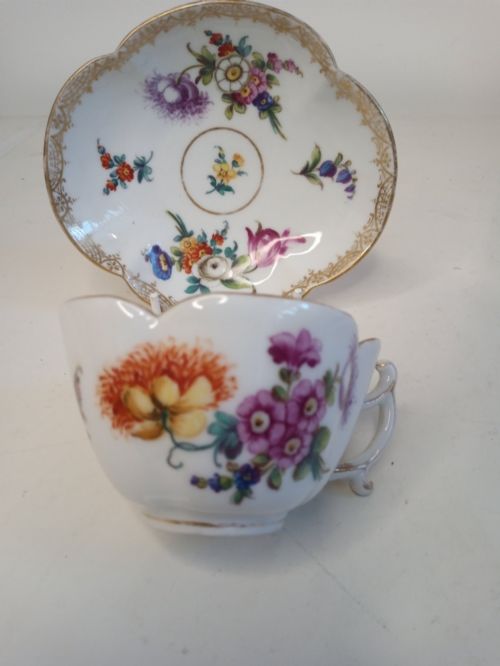
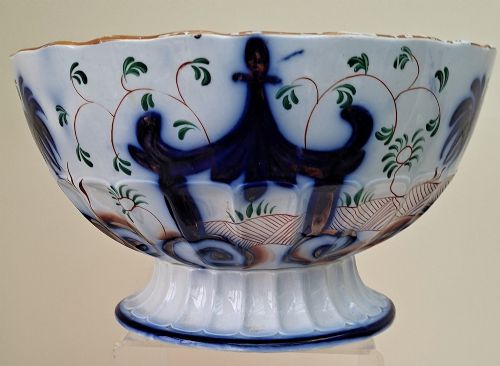
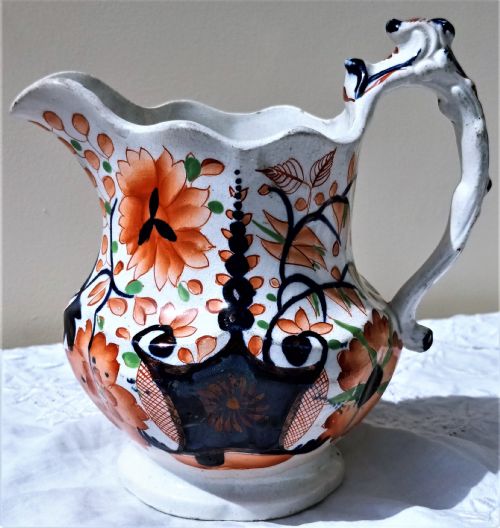
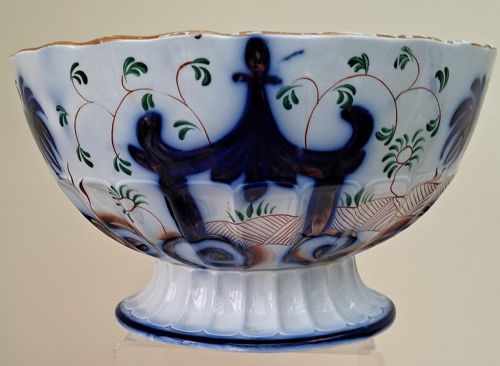
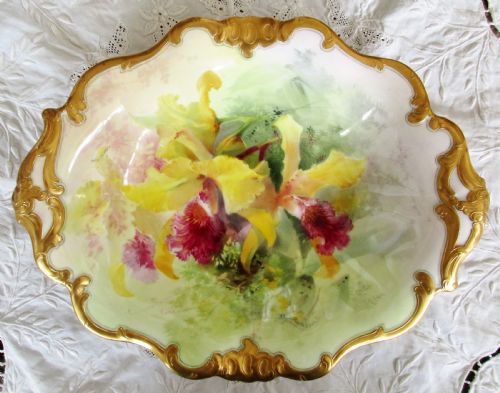
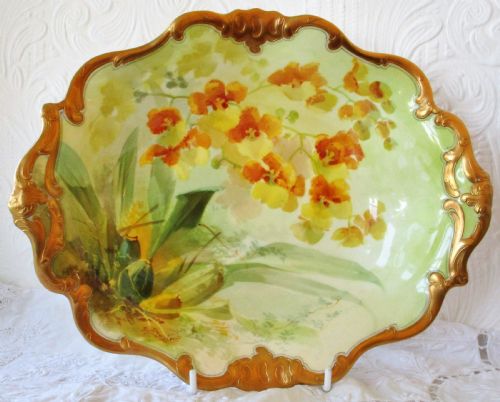
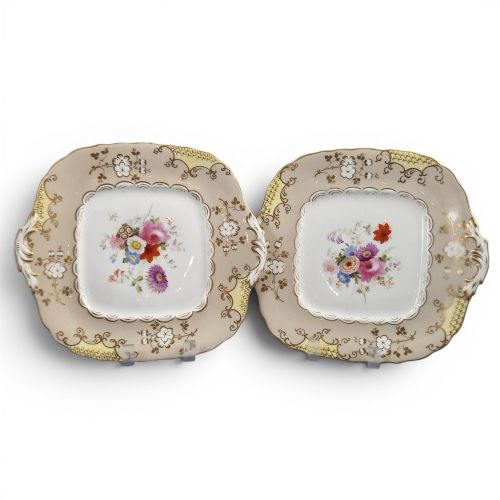
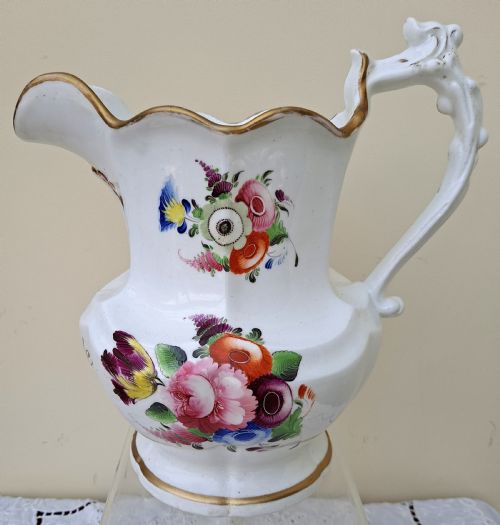
The pieces on this page appear in forms such as dessert plates, footed bowls, pitchers, jugs, and teacups. Makers range from large English potteries to continental manufacturers, all utilising hand applied decoration over glazed surfaces.
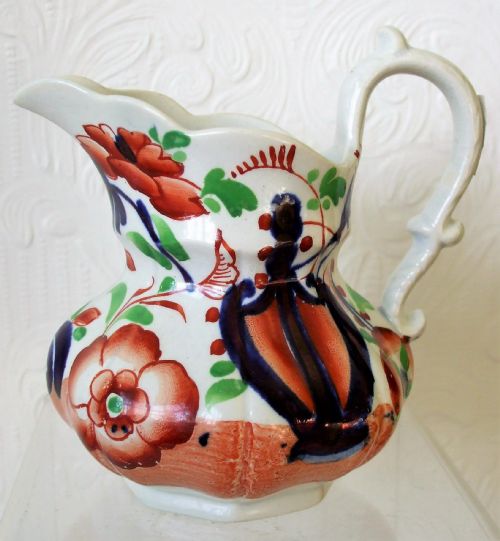
Buyers look for these items to add colour and historical craft to a room. The selection spans everyday utilitarian pottery like Gaudy Welsh wares to fine porcelain cabinet pieces bearing named views or botanical studies.
How They Were Made
Production relied on porcelain, bone china, and earthenware bodies shaped by hand or moulded into forms like basketweave plates and vases. Artisans then applied underglaze or overglaze paints by hand, often incorporating enamel colours to build up floral details and figural scenes.
Gilding and gold leaf highlights were frequently added to rims, handles, and borders, requiring a secondary firing to fix the metal to the glaze. Potteries also utilised transfer printing as a base outline before completing the finer details with brushwork.
Staffordshire dogs stare outward with painted spots, faithfully guarding sideboards just as they did in Victorian parlours.
What Varies in Quality
Quality in these ceramics rests upon the fineness of the porcelain body and the skill of the brushwork. Master painters achieved depth and precision in portraits, landscapes, and botanical studies that lesser decorators missed.
The application of gold leaf and enamel also separates standard production from top tier pieces. Rich, heavy gilding and clean, crisp potting indicate superior workshop standards.
Minton·Crown Derby·Royal Doulton·Coalport·Copeland·Aynsley·Royal Worcester·John Bevington·Walker and Hall
The Victorian Hand Painted China Glossary
- Bone china
- A type of soft paste porcelain containing bone ash, known for its milky white appearance and translucency.
- Cabinet plate
- A decorative ceramic plate intended for display in a cabinet rather than for dining use.
- Gilding
- The application of gold leaf or gold powder to the surface of ceramics for decorative effect.
- Imari
- A style of ceramic decoration featuring iron red, cobalt blue, and gold, inspired by Japanese export wares.
- Overglaze
- Enamel colours painted on top of a fired and glazed ceramic surface, requiring a lower temperature kiln firing.
Victorian Hand Painted China: Frequently Asked Questions
How do I clean antique hand painted china?
Wash pieces gently by hand in warm water using a mild, non abrasive detergent. Avoid soaking items with delicate overglaze enamels or gold leaf.
Dry them immediately with a soft, lint free cloth to protect the painted surface from water spots or wear.
Can I use these plates for daily dining?
Most antique cabinet plates and tea wares are better suited for display or light use. The painted enamels and gilding can wear down with frequent cutlery contact and machine washing.
Reserve them for special occasions or keep them safely positioned on plate stands and within cabinets.
How do I identify the maker?
Check the underside of the ceramic for impressed marks, painted monograms, or printed backstamps. These factory marks often indicate the pottery and sometimes the specific decorator or pattern number.
Compare the stamp against historical registry records to narrow down the decade of production.
What is the difference between porcelain and earthenware?
Porcelain is fired at a higher temperature, resulting in a vitreous, non porous body that is often translucent. Earthenware is more opaque, softer, and requires a glaze to become waterproof.
Victorian makers utilised both, reserving fine porcelain for high end cabinet pieces and pottery for robust jugs and bowls.