
Victorian Hallway Storage Stand
Victorian hallway storage stand designs bring immediate order to boots, umbrellas, and walking sticks through robust nineteenth-century carpentry and metalwork.
Victorian Hallway Storage Stand
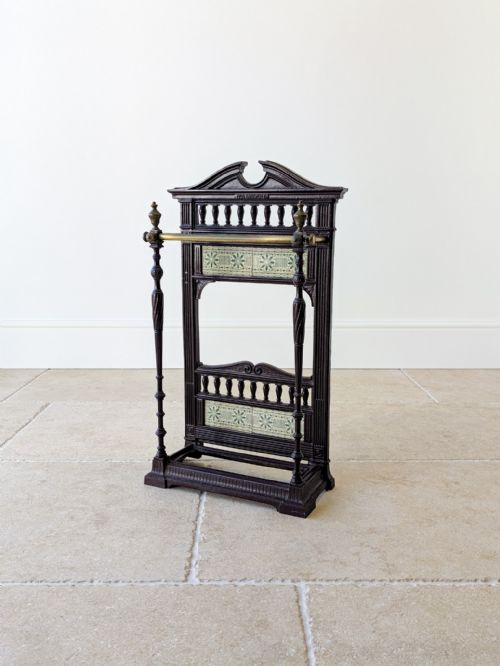
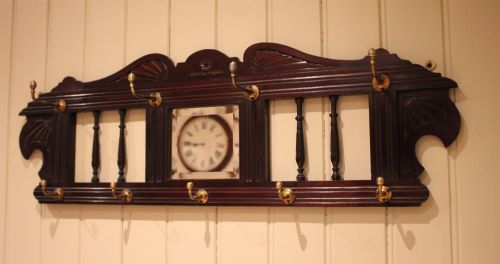
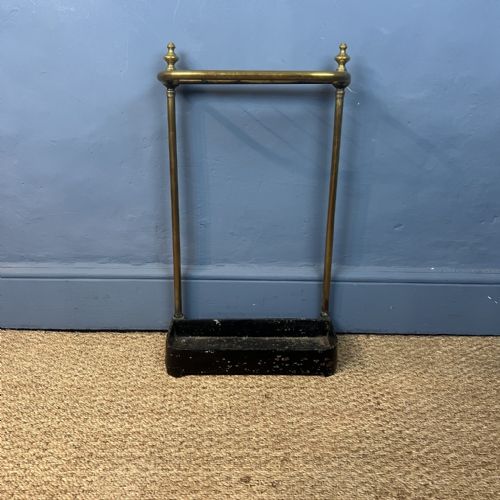
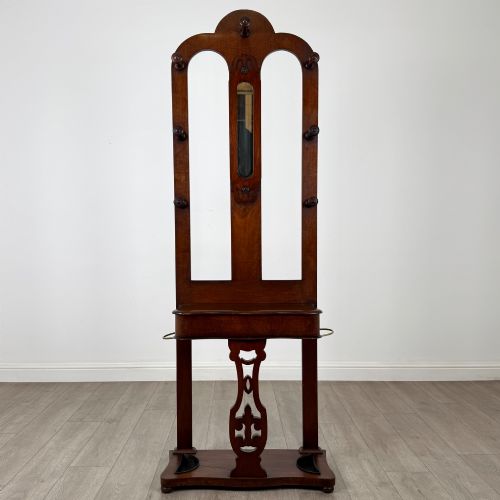
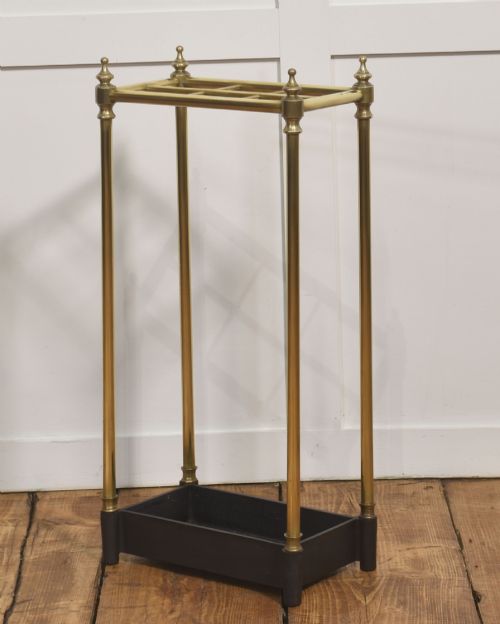
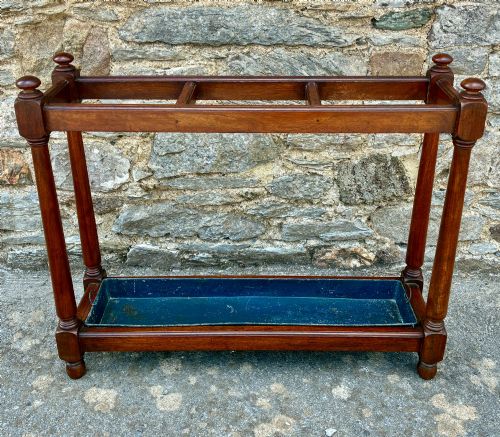
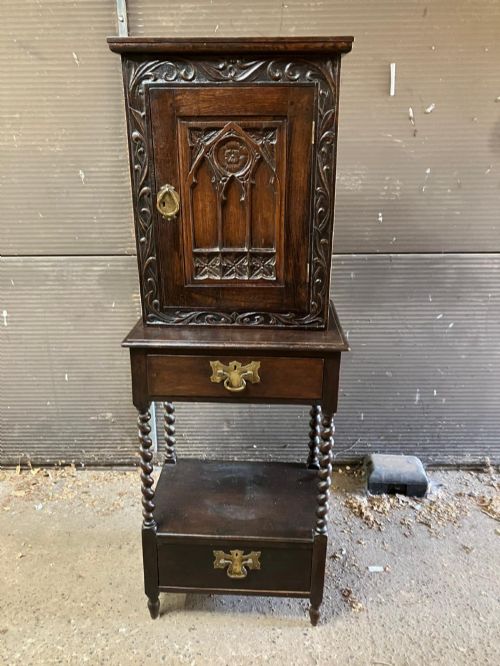
A victorian hallway storage stand encompasses umbrella stands, stick stands, boot racks, coat racks, and multi-functional hall seat stands designed for nineteenth-century entryways. Buyers searching for a victorian hallway storage stand will frequently encounter cast iron umbrella frames and oak or mahogany coat combinations.
The materials span oak, mahogany, walnut, pine, brass, cast iron, and ceramic, reflecting the domestic needs of the Victorian, Edwardian, and Aesthetic Movement periods. Origins range from English country houses to Scottish workshops and continental makers.
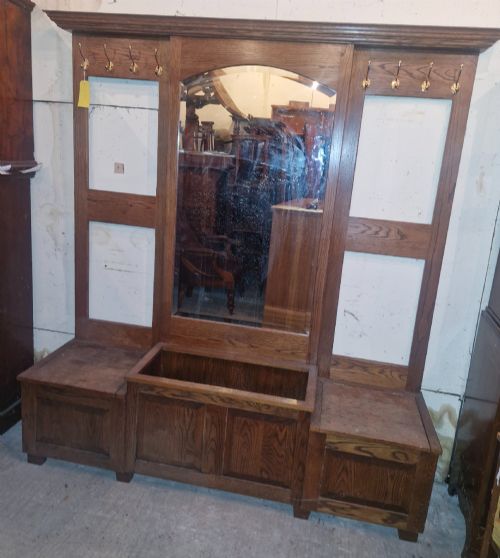
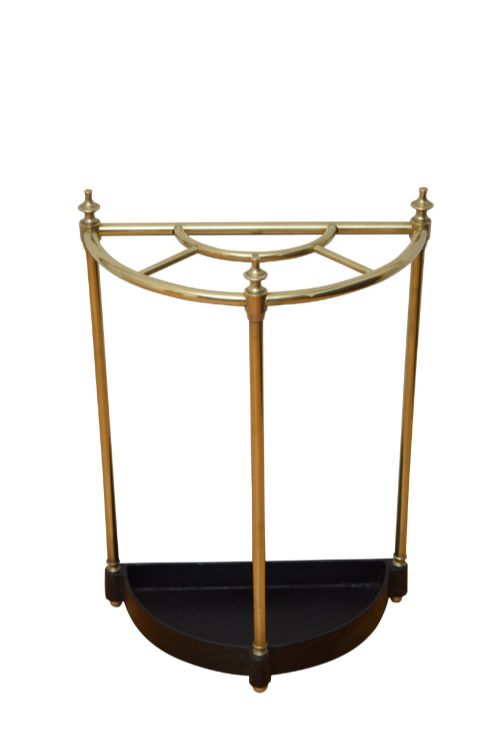
The selection ranges from compact demi-lune brass umbrella holders to large multi-functional hall stands with integrated seating and storage cabinets.
Materials and Technique
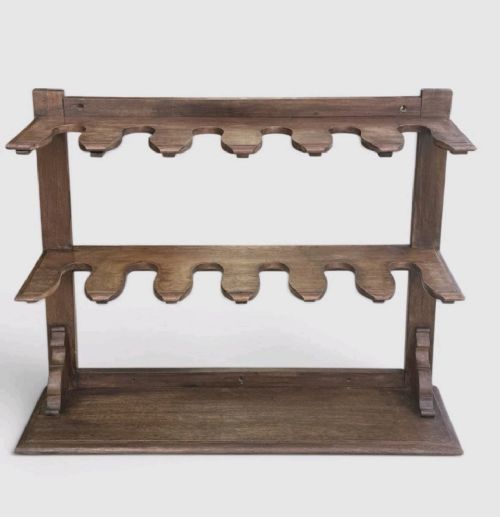
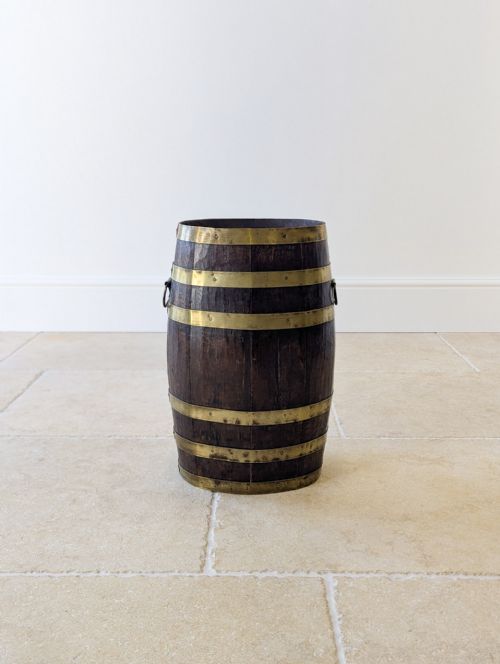
Makers utilised durable timbers such as oak, mahogany, and walnut for structural integrity, often employing coopered barrel construction for circular wooden stick stands. Solid joinery and carved details define the wooden furniture pieces.
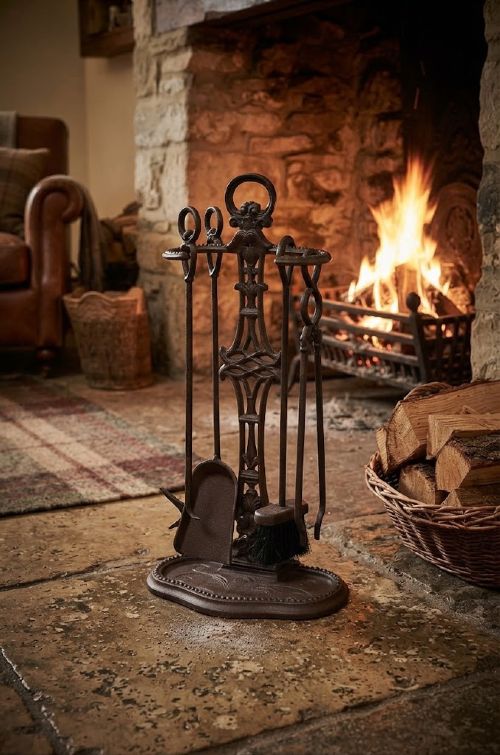
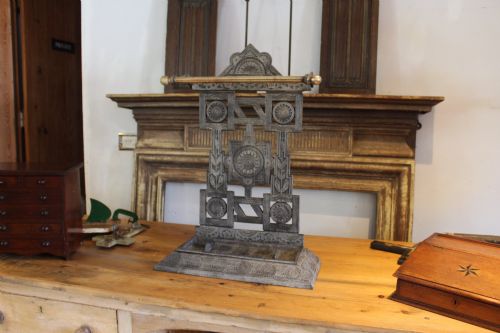
Metalwork played a central role, with cast iron and brass formed into heavy drip trays, decorative umbrella loops, and sculptural frames. Painted cast iron finishes and applied brass mounts provided both decorative flair and resistance to moisture from wet walking gear.
Listings feature oak, mahogany, walnut, and pine alongside cast iron and brass across Victorian and Edwardian periods.
Craftsmanship and Proportion
The distinction between standard utility items and finer pieces lies in the complexity of the cast iron patterns, such as those produced by notable foundries, alongside the depth of hand-carving on oak and mahogany panels.
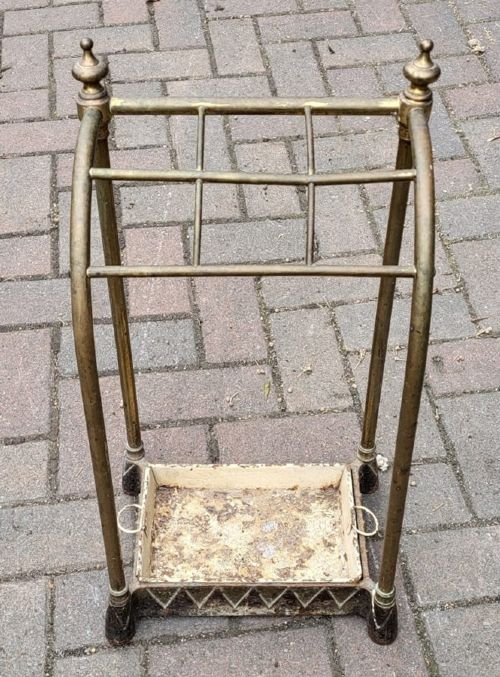
Structural completeness influences overall standing, particularly the presence of original cast iron drip trays, intact brass umbrella loops, and uncompromised timber barrels without shrinkage splits.
Coalbrookdale·Thomas Jeckyll·Thonet·A. Kenrick & Sons
The Victorian Hallway Storage Stand Glossary
- Demi-lune
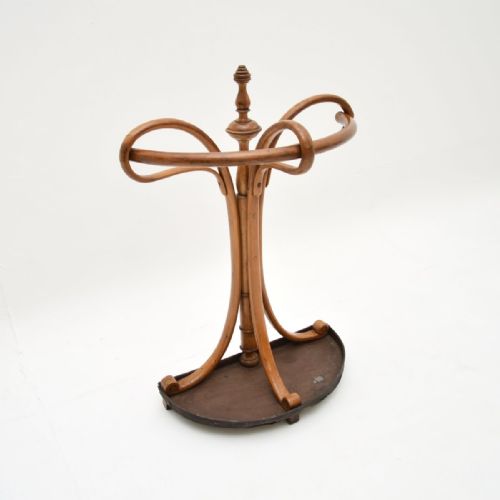
- A half-moon shape commonly found in brass stick and umbrella stands designed to sit flat against a hallway wall. This profile maximises floor space in narrow entrance passages.
- Coopered
- A method of construction where vertical staves of oak or pine are bound together with metal bands, creating barrel-shaped umbrella stands. This technique mirrors traditional cask-making.
- Bentwood
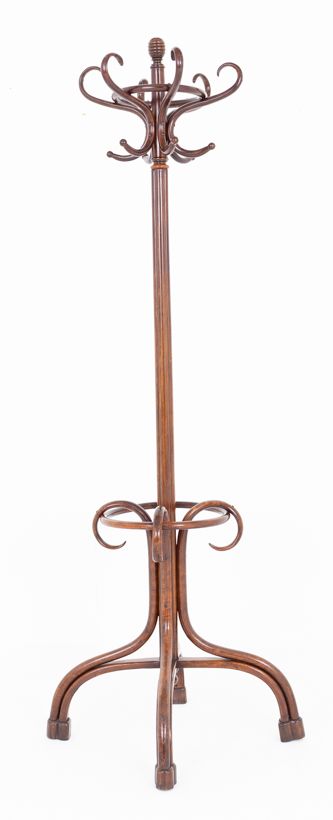
- Wood softened by steam and bent into curved structural forms, frequently utilised in umbrella stands and hatstands. This technique allows for lightweight yet resilient frames.
- Drip tray
- A removable metal basin positioned at the base of stick and umbrella stands to catch moisture from wet items. These trays protect hallway flooring from water damage.
Victorian Hallway Storage Stand: Frequently Asked Questions
What is a hallway storage stand?
A hallway storage stand is a piece of furniture designed to hold outerwear, boots, and umbrellas in an entrance passage. These items help maintain an organised and tidy threshold for visitors.
Versions range from simple cast iron umbrella rings to large mahogany hall stands incorporating mirrors, hooks, and bench seating.
How do I care for wooden stands?
Wooden umbrella and stick stands require protection from standing water and excessive dampness. Regular waxing helps preserve the finish on oak and mahogany surfaces.
Ensuring that metal drip trays remain dry prevents moisture from transferring to the base of wooden barrels or legs.
Are cast iron stands heavy?
Cast iron umbrella stands are exceptionally heavy by design to prevent tipping when holding multiple heavy walking sticks and umbrellas. This weight provides stability on hard hallway floors.
Their substantial mass requires care during placement and relocation within the home.
How do I date a hall stand?
Dating relies on identifying stylistic markers, such as Gothic Revival detailing, Aesthetic Movement motifs, or Art Nouveau curves. Timber choices and hardware construction also indicate specific nineteenth and early twentieth-century periods.
Maker marks cast into iron frames or stamped onto brass elements provide definitive production eras.