






Antique Entrance Furniture
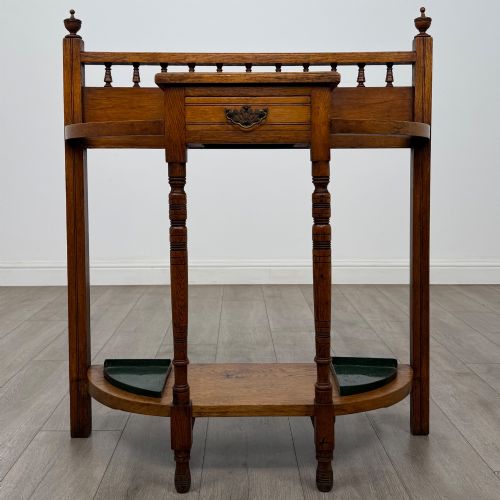
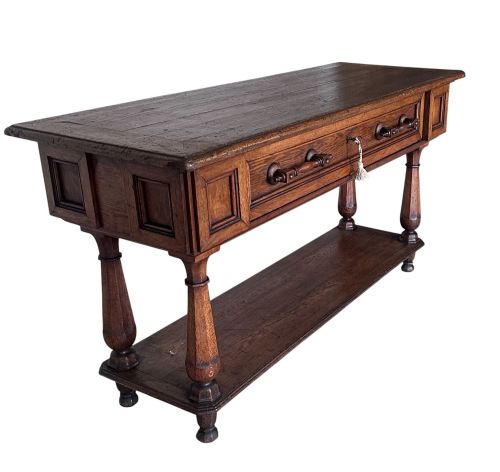
Antique entrance furniture brings immediate character to a hallway, offering practical utility through items like oak hall stands, console tables and brass door knockers.
How they were made
Makers relied heavily on dense hardwoods such as oak, walnut, and mahogany to withstand the heavy wear associated with hallways and entranceways. Timbers were frequently carved by hand, utilising traditional joinery methods to assemble large pieces like hall stands and console tables.
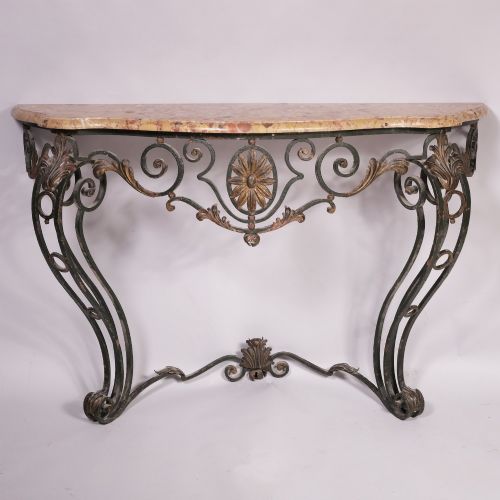
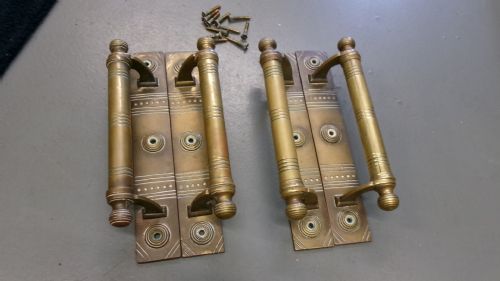
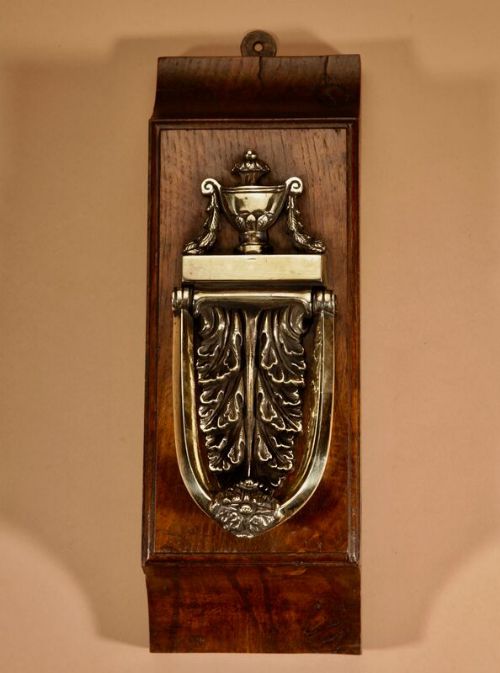
Metal components such as door knockers and handles were produced in brass and bronze, often utilising casting techniques to achieve detailed figural shapes like hands or ornate plates. Marble tops were cut and polished to fit console tables, while ceramic tiles occasionally added decorative panels to large hall stands.
What varies in quality
Quality in these pieces rests primarily on the choice of materials and the depth of craftsmanship evident in the timber carving or metal casting. Superior examples feature well figured mahogany, solid walnut, or heavy cast brass, whereas simpler items utilise standard oak with minimal surface ornamentation.
The integration of secondary materials, such as inset marble shelves or specialised ceramic decorative panels, distinguishes standard utility items from more ambitious architectural commissions. Construction solidity and the retention of original hardware further separate basic hallway furniture from finer decorative examples.
Antique Entrance Furniture Retail Price Guide 2026
Typical asking prices for entrance furniture among the pieces listed under this phrase on Sellingantiques today, from the lower quarter to the upper quarter. They describe what is for sale here now, not the wider market.
Listings feature items spanning the 1800s, Victorian era, Arts and Crafts movement, and Edwardian period in oak, mahogany, and brass.
Ellen E. Houghton of Minton
The Antique Entrance Furniture Glossary
- Hall stand
- A tall hallway piece incorporating a mirror, coat hooks, glove boxes, and a drip tray for umbrellas. These multifunctional items were staples of Victorian and Edwardian entrance halls.
- Console table
- A table designed to stand against a wall, frequently topped with marble and paired with a matching wall mirror. They offer a surface for incoming post and visiting cards.
- Boot jack
- A small V shaped device used for pulling off muddy boots without stooping. Folding wooden versions were kept handy in Victorian boot rooms and entranceways.
- Trumeau
- A decorative wall mirror featuring an upper painted or carved panel integrated into the frame. These French pieces often sit above console tables in grand reception rooms.
Antique Entrance Furniture: Frequently Asked Questions
What fits in a narrow hallway?
Console tables with shallow depths and wall mounted brass door hardware work best in restricted spaces without blocking movement.
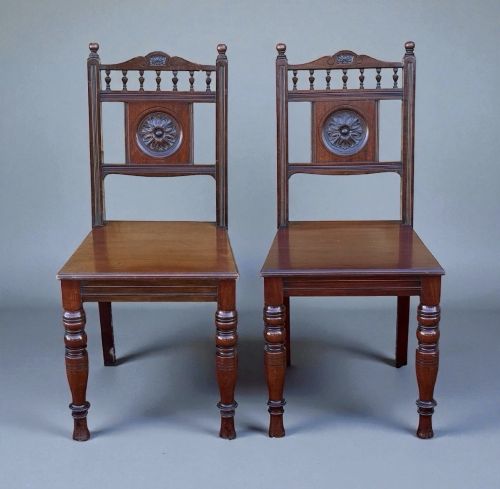
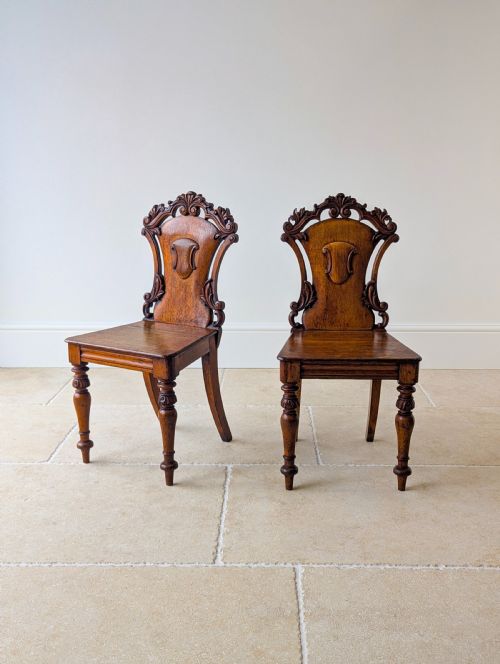
Slim wooden hall chairs or folding boot jacks also occupy minimal floor space while maintaining period character.
How do I care for oak hall stands?
Keep wooden surfaces clean with a soft cloth and apply quality beeswax periodically to nourish the grain.
Protect marble tops from acidic spills and avoid placing damp items directly onto unsealed timber trays.
Are brass door knockers easy to install?
Most antique knockers use standard bolt fixings that pass through existing door panels.
Ensure you measure the distance between fixing holes before purchasing replacement hardware for exterior doors.
What defines Arts and Crafts entrance pieces?
Arts and Crafts items emphasise honest construction, visible joinery, and simplified natural forms.
They rely on hammered brass or plain oak surfaces rather than excessive carved ornamentation.