


Victorian Grand Tour Statue
These sculptural souvenirs commemorate classical antiquity for travellers returning home from Italy during the Victorian period.
Victorian Grand Tour Statue
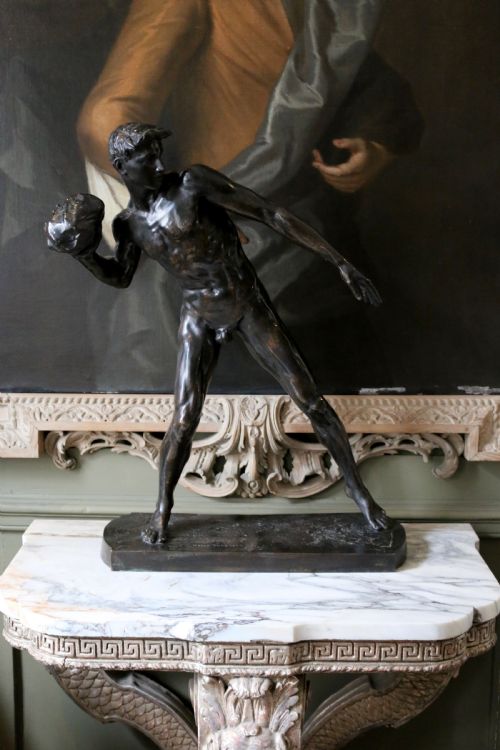
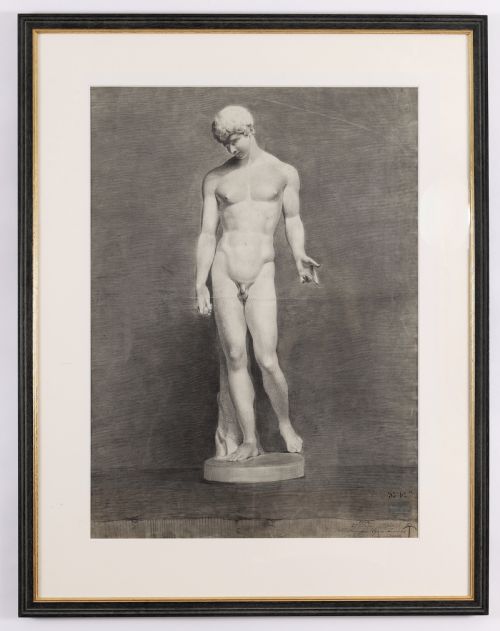
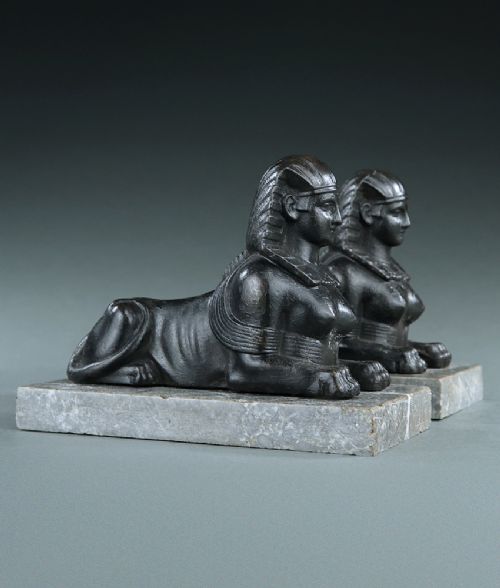
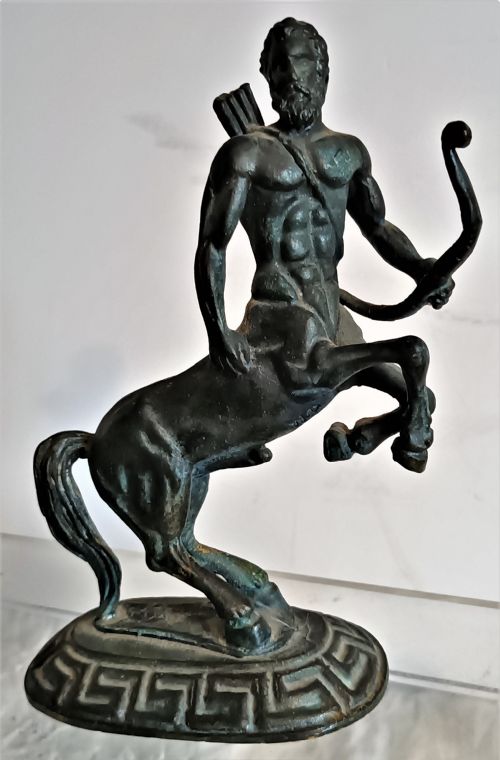
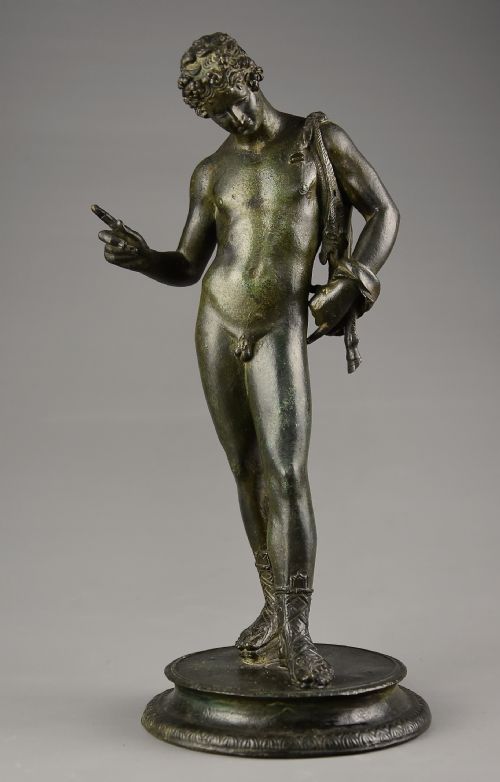
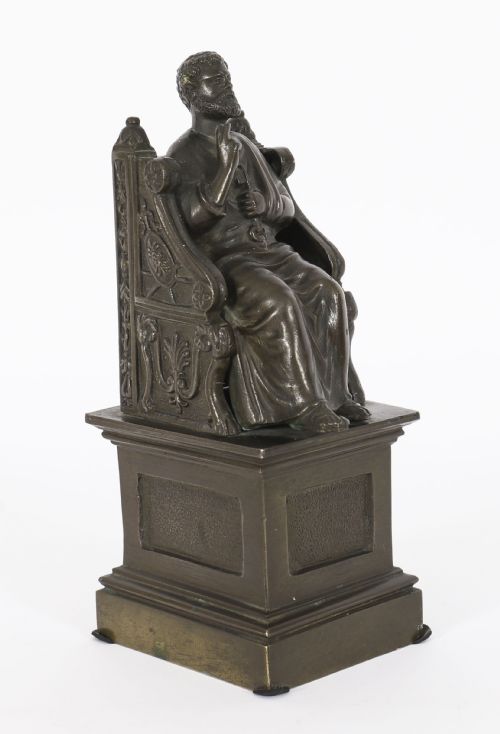
A victorian grand tour statue represents classical deities, mythological figures, historical personages, and celebrated ancient sculptures encountered by travellers in Italy during the nineteenth century. These pieces served as portable reminders of classical education and cultural enrichment acquired abroad.
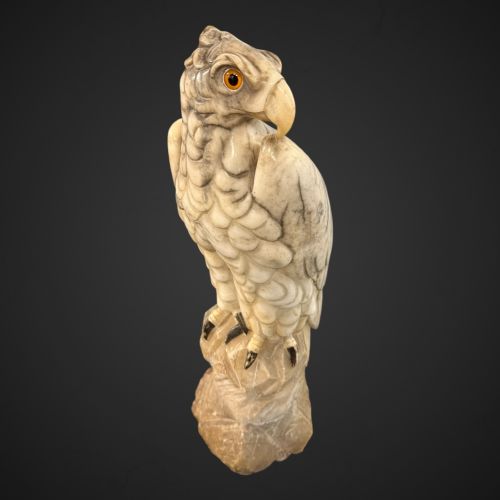
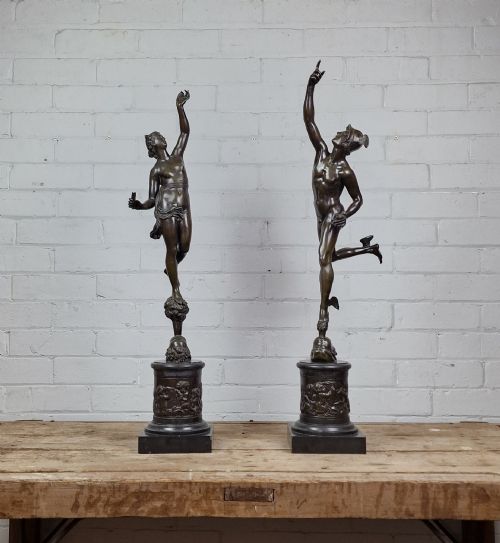
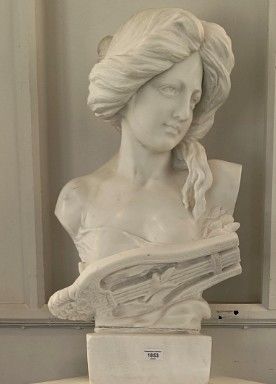
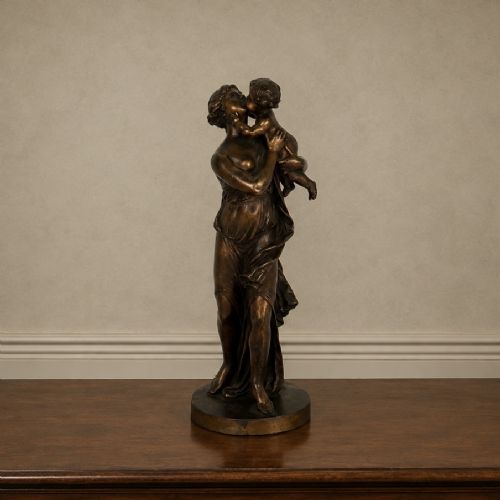
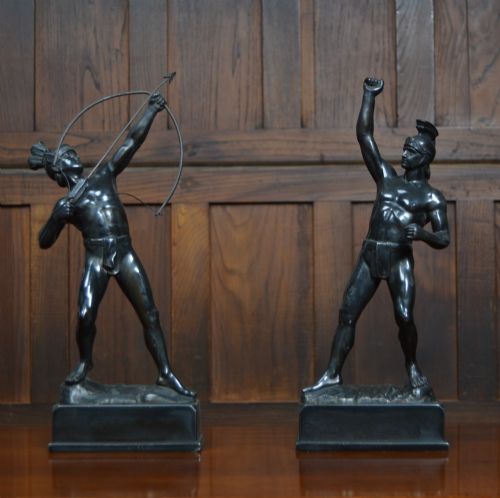
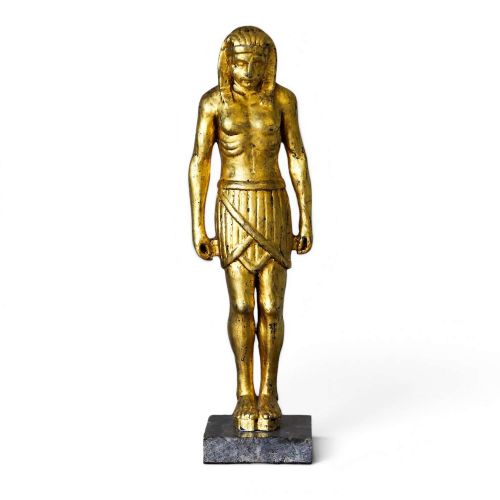
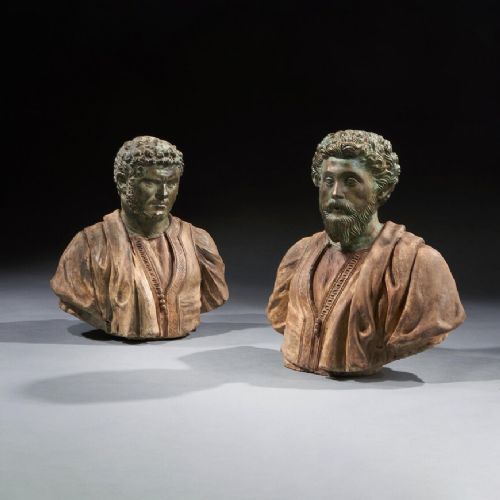
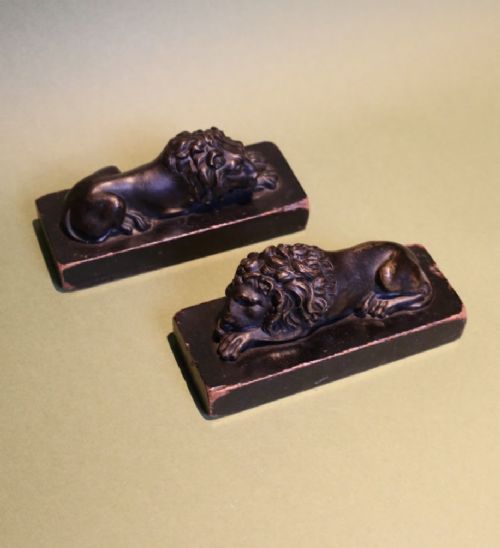
The selection here encompasses figures, busts, and animal studies cast in bronze or carved from marble, slate, and wood. Many pieces derive directly from famous antiquities housed in European museums, translating large public monuments into domestic cabinet sculptures.
How they were made
Foundries and studios utilised traditional metal-casting methods, applying chemical patination to bronze to emulate the weathered surfaces of ancient artefacts. Marble and alabaster figures relied on skilled hand-carving to replicate the drapery and musculature of classical prototypes.
Listings feature 19th-century periods alongside materials including bronze, Carrara marble, patinated bronze, and carved wood.
What varies in quality
The choice of base materials and the richness of the patination significantly influence the character of each piece. Superior sculptures display harmonious proportions and careful mounting upon stable mineral plinths.
Hamo Thornycroft·Jean Jules Salmson
The Victorian Grand Tour Statue Glossary
- Patination
- The chemical or natural coloration applied to the surface of bronze to create dark brown, green, or black tones. This finish protects the metal and mimics the appearance of buried antiquity.
- Neoclassical
- A revival style drawing inspiration from the art and culture of classical Greece and Rome. It dominated European sculpture throughout the eighteenth and nineteenth centuries.
- Spelter
- A zinc alloy frequently utilised as a cost-effective alternative to bronze for Victorian figures. It often received a bronze-like coating to imitate heavier metal.
- Carrara Marble
- A type of white or blue-grey marble quarried in the city of Carrara in Tuscany. It served as the primary material for carved classical statues and architectural details.
Victorian Grand Tour Statue: Frequently Asked Questions
What inspired victorian grand tour statues?
These sculptures drew direct inspiration from archaeological discoveries and famous antiquities displayed in Italian museums and galleries during the nineteenth century. Travellers purchased them as miniature replicas of classical masterpieces to display in British homes.
Subjects ranged from mythological figures and Roman emperors to renowned Hellenistic bronzes and marble statues unearthed during excavations.
Where were these sculptures displayed?
Owners typically placed these statues upon library tables, mantelpieces, and dedicated pedestals within studies and drawing rooms. They acted as conversation pieces that signaled the owner's classical learning and travel experiences.
Smaller cabinet bronzes suited enclosed display cabinets, while larger marble or bronze figures occupied prominent positions in entrance halls.
How can I identify the materials?
Bronze pieces feel heavy and cold to the touch, often displaying a dark chemical patination over the metal surface. Spelter is softer and lighter than bronze, sometimes revealing a greyish metal beneath worn painted finishes.
Marble and alabaster exhibit natural veining and cold stone surfaces, whereas carved wood items often feature ebonised or gilded treatments.
Are these pieces original antiquities?
Victorian grand tour pieces are nineteenth-century interpretations or reductions of ancient art rather than original classical antiquities. They were produced in European workshops and foundries as souvenir art for contemporary travellers.
While they depict ancient subjects such as Caesars, gods, and mythological heroes, their manufacture dates strictly to the Victorian era.