

Victorian Gothic Revival Chair
When you search for a victorian gothic revival chair, you enter a world of architectural woodwork, ecclesiastical motifs and nineteenth-century craftsmanship designed to command a room.
Victorian Gothic Revival Chair
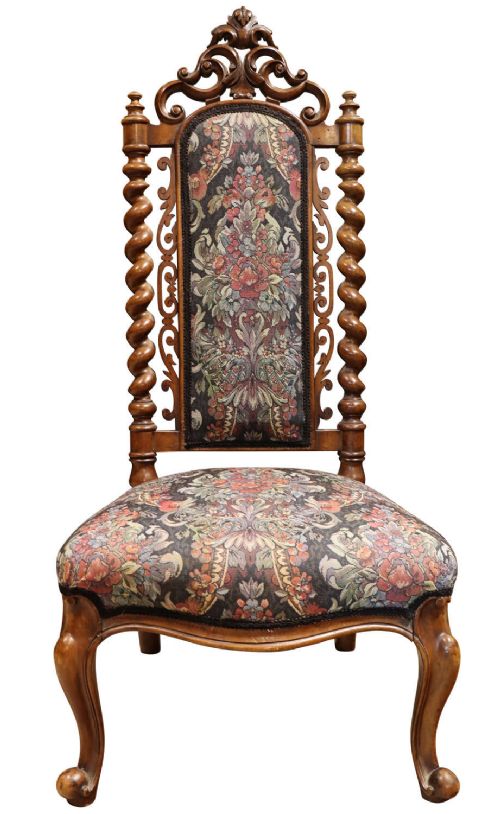
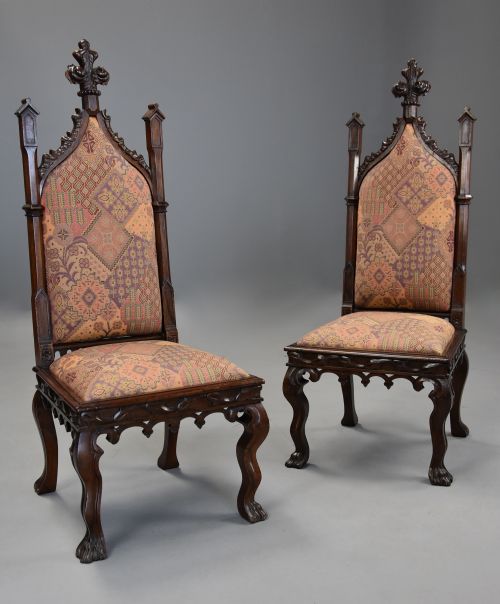
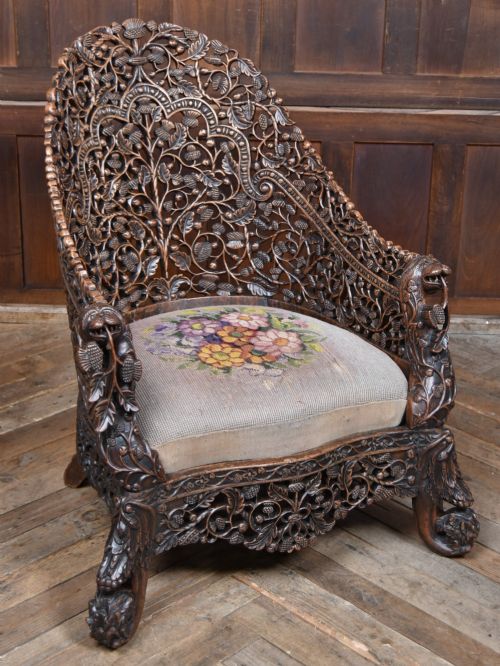
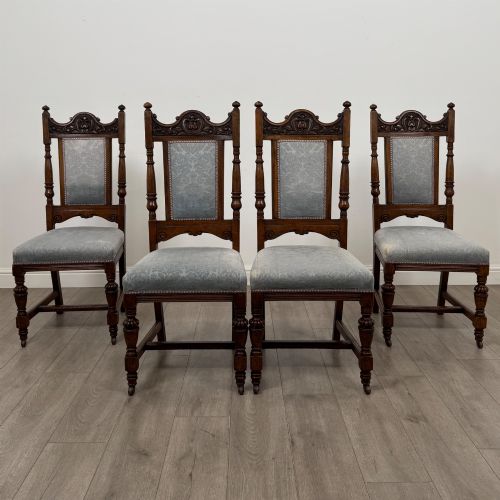
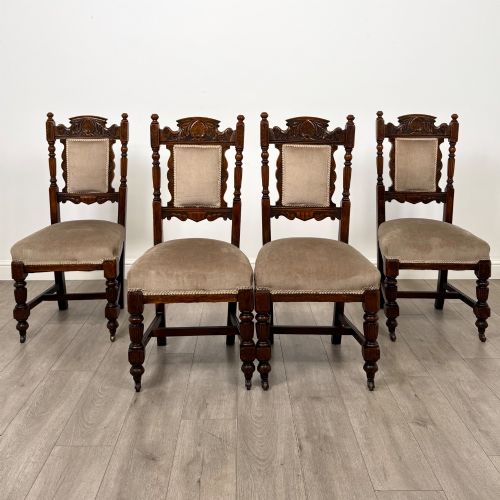
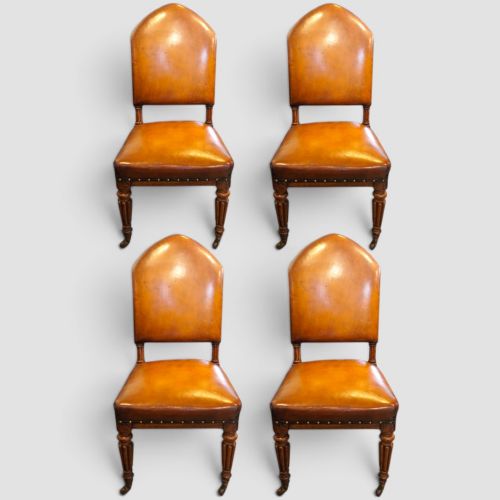
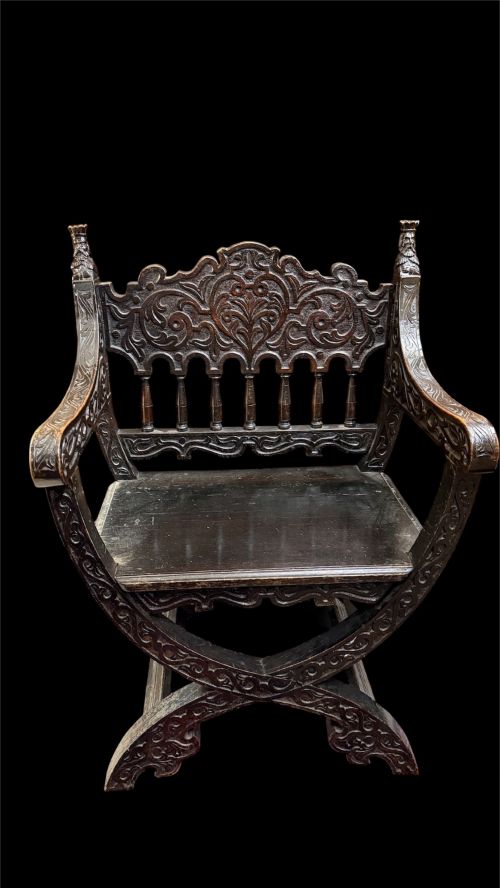
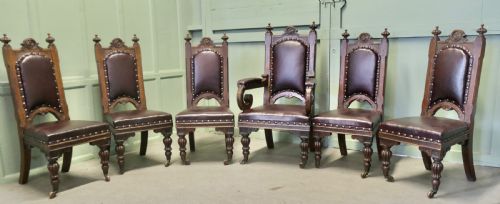
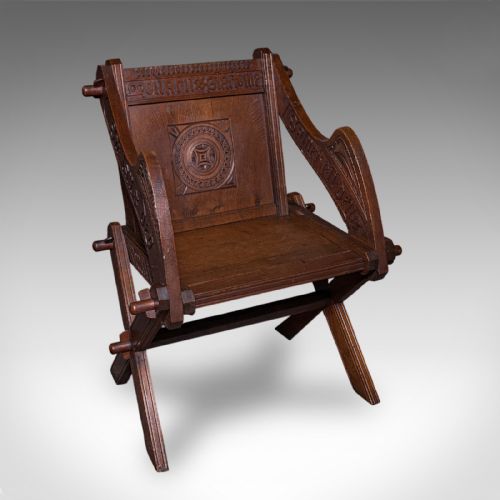
A victorian gothic revival chair draws heavily on medieval ecclesiastical architecture, featuring pointed arches, trefoils and high carved backs that echo cathedral stonework. The examples you encounter on this page span diverse forms, from imposing oak throne chairs and hall seats to swivel desk chairs and sets of dining seating.
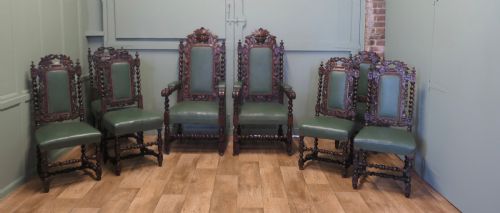
Oak dominates the surviving record, though makers also utilised walnut, rosewood and pitch pine to shape these heavy, structural frames. You will find armchairs, side chairs and hall chairs designed primarily for reception spaces, libraries and formal dining rooms where visual impact mattered most.
The style absorbs influences from Jacobean, Renaissance and Arts and Crafts movements while retaining its core medieval vocabulary. Whether you examine a solitary turners chair or a complete set of dining seats, each piece reflects the nineteenth-century passion for historical design revived in domestic and public interiors.
Materials and Construction Methods
Carpenters built these heavy frames predominantly from solid oak, walnut and rosewood, often selecting timber for its strong grain and capability to hold deep, crisp relief carving. Joinery relied on traditional pinned mortise and tenon joints to withstand the substantial weight and structural stress inherent in architectural furniture.
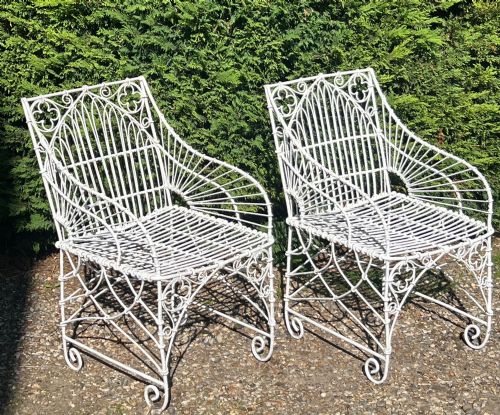
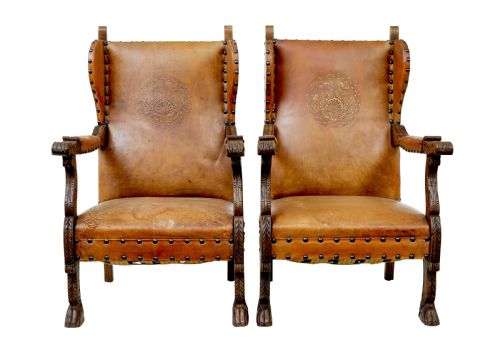
Upholstered versions integrated materials such as embossed leather, heavy tapestry and woven textiles, secured to the frame with decorative brass nails. Metal components like iron and brass appeared on garden models, desk swivels and structural reinforcements.
Listings feature 19th century oak hall chairs alongside pitch pine church pews and walnut revolving desk chairs.
Distinctions in Execution and Design
The degree of hand-carving intricacy sets exceptional pieces apart from standard workshop production, with top-tier examples displaying deep undercut tracery, figural reliefs and linenfold panels. The selection of timber grain, such as figured golden oak or rich rosewood, directly influences the visual depth of the finished piece.
Structural integrity and original component retention define the longevity of these seats, distinguishing untouched examples from those with heavily replaced stretchers or modern upholstery substrates. Signed pieces, maker labels or stamped attribution stamps elevate the historical standing of individual items within the recorded range.
Bruce Talbert·Gillows·James Shoolbred·Goodall Lamb and Heighway·T Wright
The Victorian Gothic Revival Chair Glossary
- Glastonbury chair
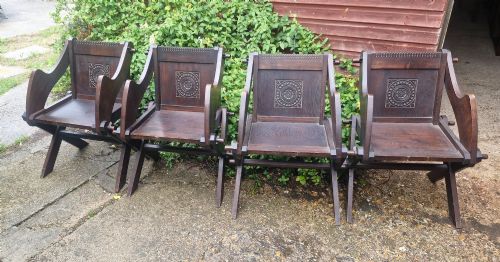
- A folding armchair type with an X-framed base and sloped back, popular during the nineteenth-century revival of medieval forms.
- Tracery
- Openwork ornamentation resembling stonework patterns found in gothic cathedral windows, frequently pierced through chair backs.
- Linenfold
- A style of wood carving representing folded sheets of linen, commonly panelled into the backs of heavy revival seating.
- Savonarola armchair
- An X-framed chair constructed from multiple intersecting curved wooden slats, associated with Italian renaissance and gothic revivals.
- Throne chair
- An oversized, high-backed armchair featuring architectural canopies or substantial carved posts designed for formal hall placement.
Victorian Gothic Revival Chair: Frequently Asked Questions
Where were these chairs placed originally?
Homeowners positioned these architectural seats in entrance halls, libraries, studies and formal dining rooms to project status and a serious historical aesthetic.
Public buildings, churches and cathedrals also commissioned specific designs for choir stalls, vestries and administrative offices.
How do I identify the wood used?
Oak forms the vast majority of the inventory, showing distinct medullary rays and an open grain that accepts dark staining well.
Walnut and rosewood exhibit smoother, tighter grain patterns with natural dark figuring, typically reserved for more luxurious parlour or library seating.
Are these chairs comfortable for daily use?
Many examples prioritise upright posture and architectural presence over deep cushioning, particularly the high-backed hall and dining variants.
Desk chairs and upholstered armchairs offer more relaxed ergonomics, though their solid wooden frames remain firm compared to modern upholstered furniture.
How do I tell a hall chair apart from a dining chair?
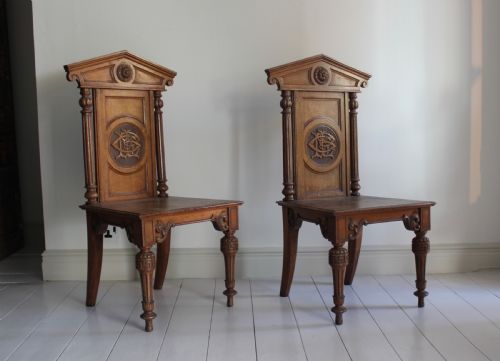
Hall chairs usually feature solid wooden seats without upholstery, designed for quick seating in transitional spaces rather than long periods at a table.
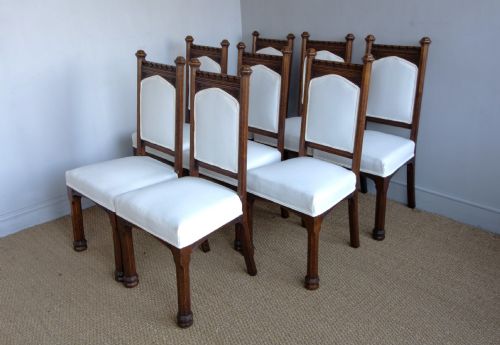
Dining chairs frequently incorporate padded leather or tapestry insert seats and arrive in matched sets rather than isolated pairs.